Best line for surfcasting from the beach
Choosing the right fishing line for Connecticut surfcasting impacts casting distance, current resistance, and abrasion protection.
Match the method to the moment.
Seasonal patterns, proven tactics, rigging and presentation basics, bait choices, and how to adapt as conditions change.
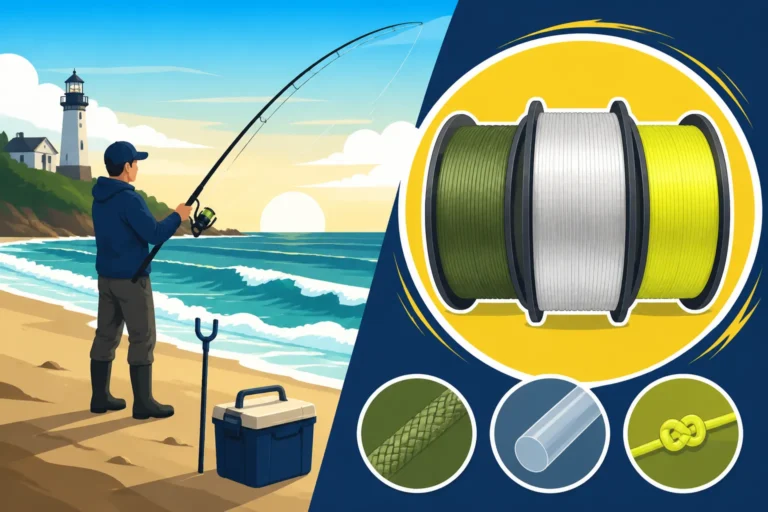
Choosing the right fishing line for Connecticut surfcasting impacts casting distance, current resistance, and abrasion protection.
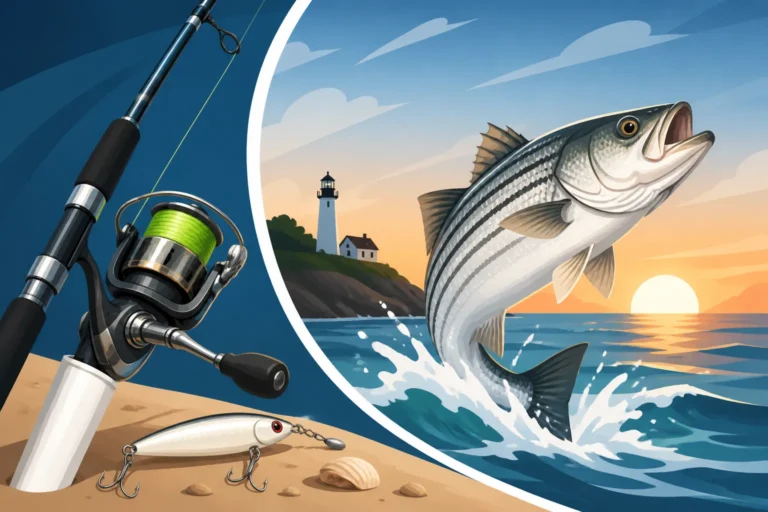
A striped bass surfcasting setup requires a 9 to 12 foot rod with the power and durability for heavy lures and saltwater.
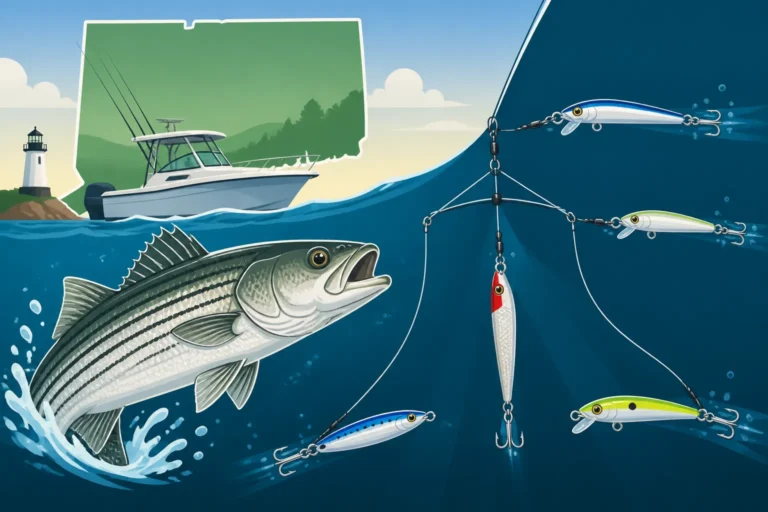
Striped bass trolling spreads present multiple baits at varying depths, using 50-pound test braided line to target fish in Long Island Sound.
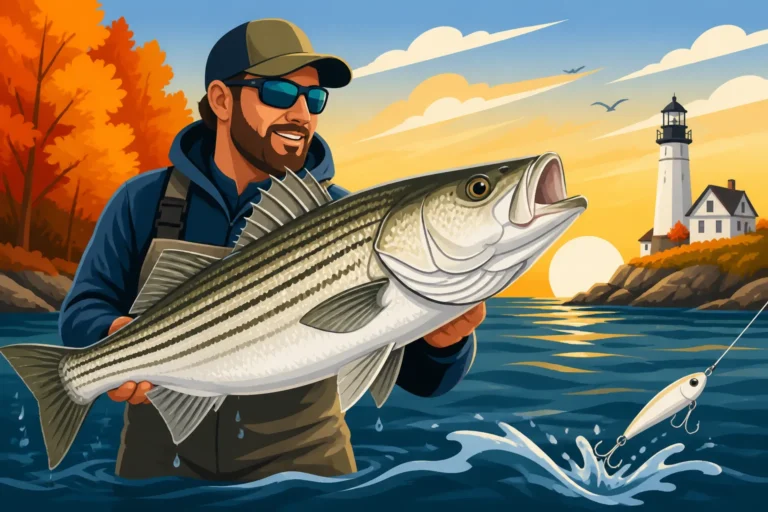
Autumn striped bass fishing in Connecticut explains how cooling waters and baitfish migrations drive trophy feeding behavior.
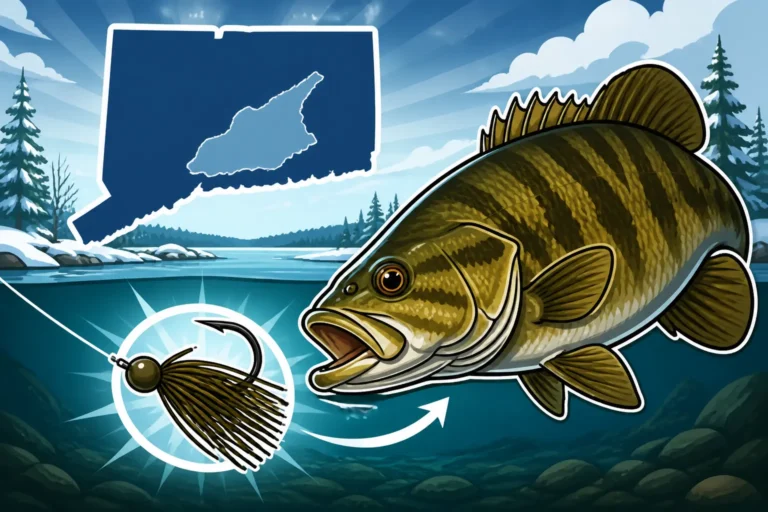
Connecticut winter smallmouth bass behavior, deep rock piles at Candlewood Lake, and slow bait presentations for cold weather.
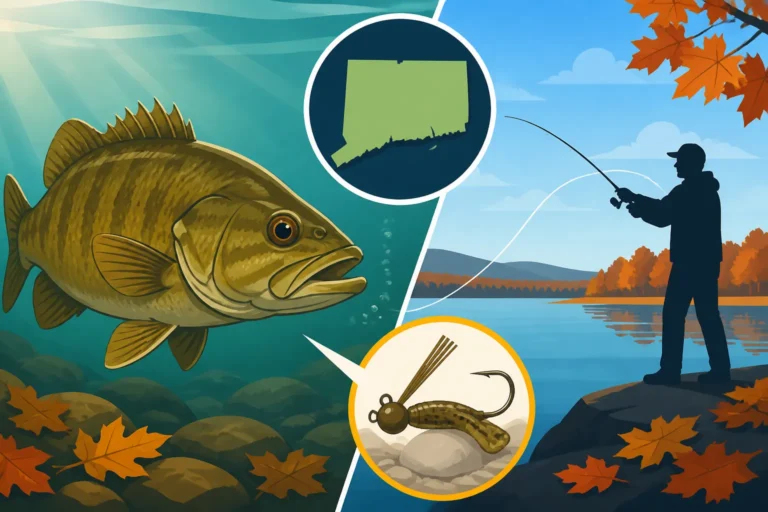
Late fall smallmouth bass in Connecticut require slow jigging presentations and targeting deep water structures for cold water success.
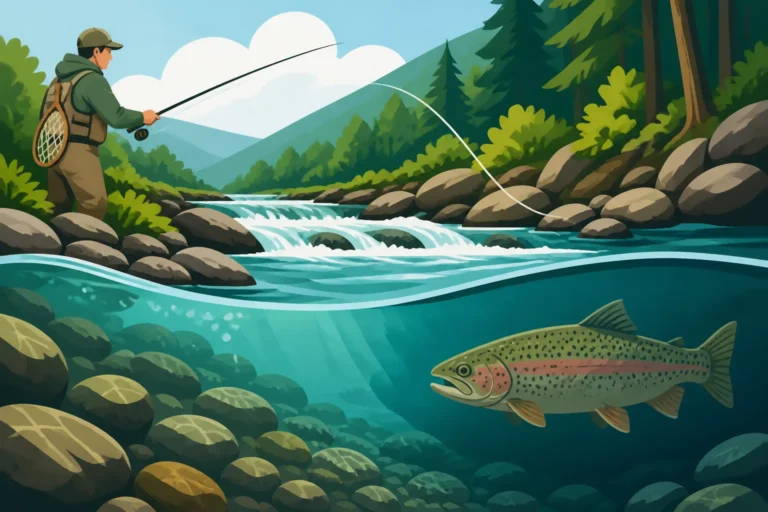
Connecticut run and pool trout stream strategies explain how to find fish in fast runs, deep pools, and shallow riffles.
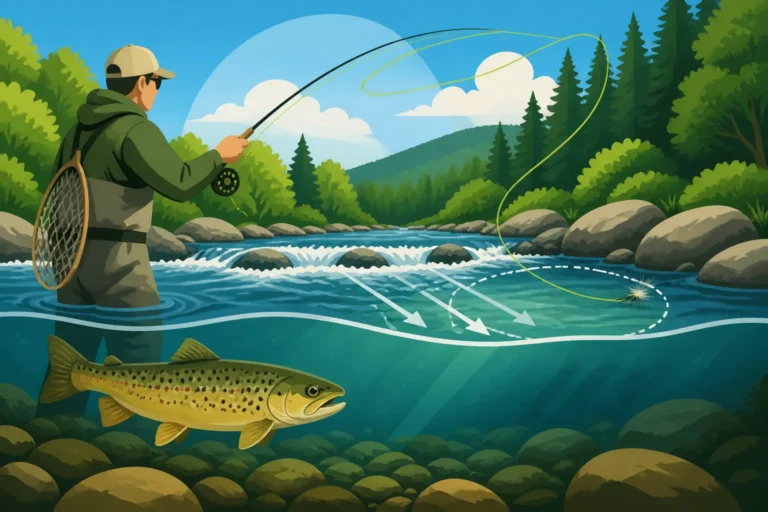
Connecticut trout riffle fishing techniques help anglers target fish in fast moving river water and current seams.
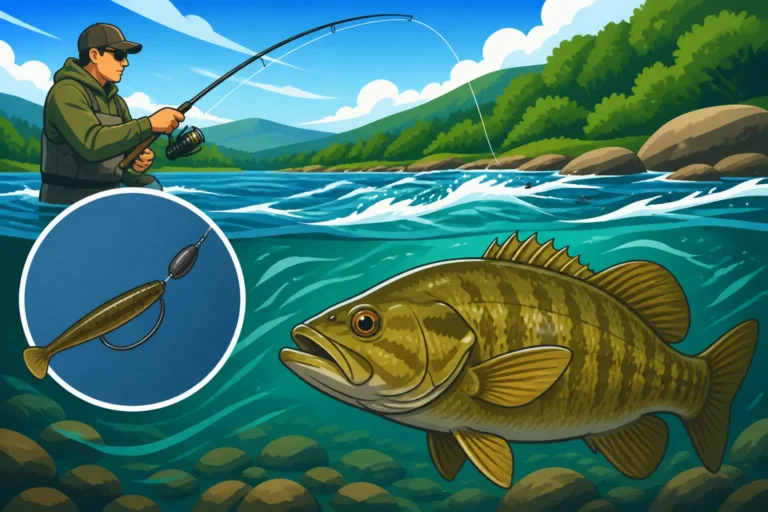
Smallmouth bass behavior in Connecticut river currents requires specific gear and techniques to catch hard-fighting fish.
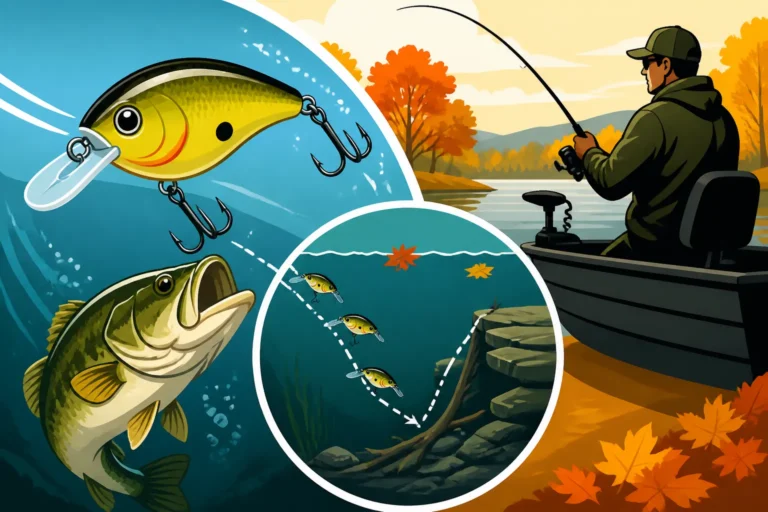
Fall crankbait techniques for Connecticut bass fishing explain how cool water temperatures trigger aggressive autumn feeding habits and reaction strikes.