How to catch trout in a beaver pond stream
Oh, the allure of a beaver pond stream! Many of us anglers in Connecticut have gazed upon those calm, tannin-stained waters, wondering what secrets they hold beneath the surface. It's a unique environment, often overlooked, but potentially teeming with beautiful, wily trout. The problem is, these spots can be tricky to navigate, from getting there through dense brush to figuring out what baits or flies will tempt a fish out of the shadows. This guide is here to demystify trout fishing in beaver pond streams, sharing practical tips and techniques to help you unlock the potential of these hidden gems.
Understanding the Beaver Pond Ecosystem for Trout
Beaver ponds are truly fascinating micro-ecosystems, and understanding them is your first step to success. They're not like your typical free-flowing river or a large, open lake. These are dynamic, ever-changing environments shaped by one of nature's most industrious engineers.
The Allure and Challenge of Beaver Ponds
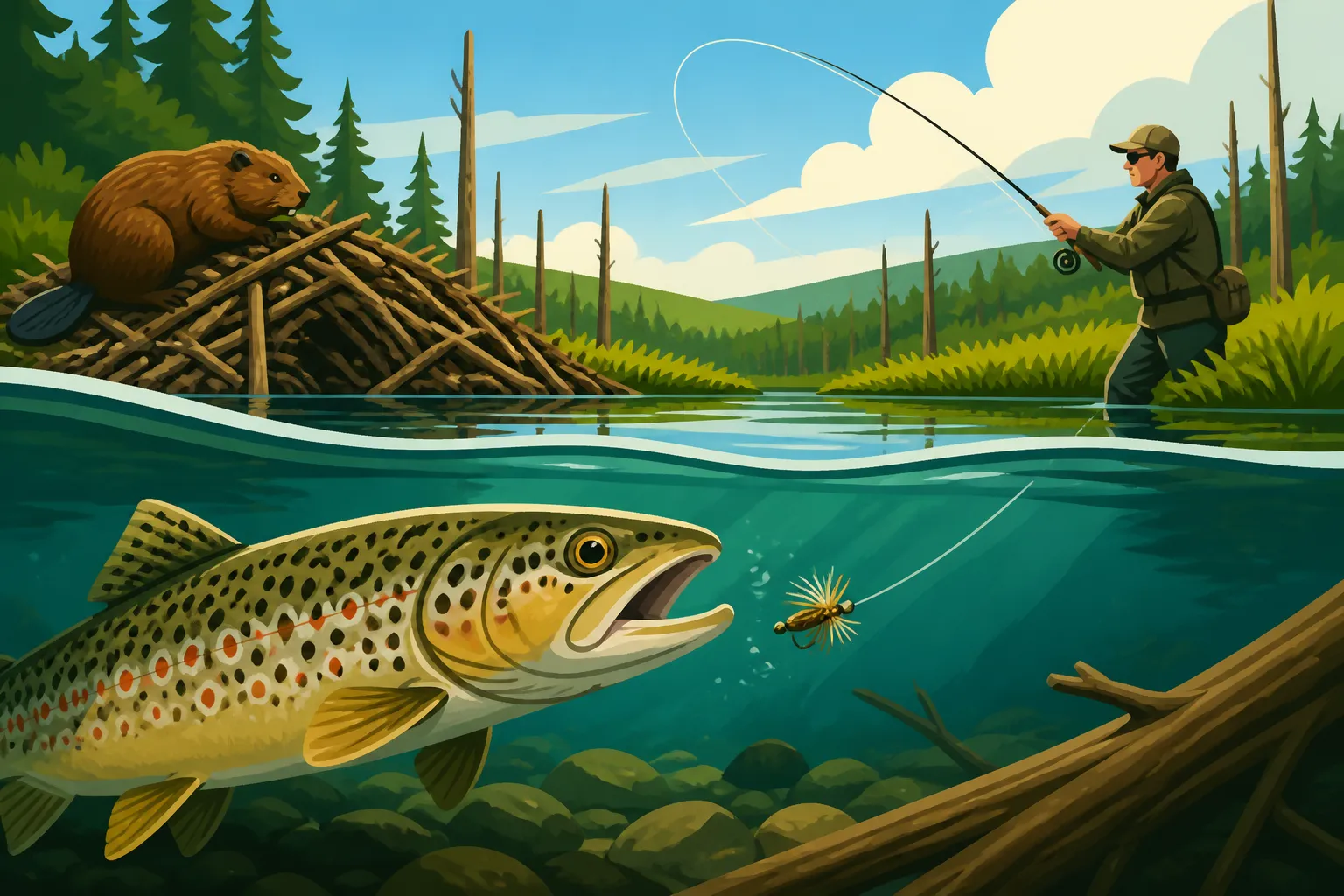
There's something incredibly appealing about discovering a hidden beaver pond. They often feel untouched, a little wilder, and offer a sense of adventure you don't always get at more popular fishing spots. From an angler's perspective, the allure lies in the abundance of food, the rich cover, and the often less-pressured trout that call these waters home. Beavers create instant habitat by damming a stream, backing up water, and flooding low-lying areas. This creates a mosaic of deeper pools, submerged timber, and slower currents – perfect holding areas for trout seeking refuge and food. You'll often find a thriving insect population, small baitfish, and even amphibians that contribute to a trout's diet.
However, these very qualities also present unique challenges. Accessing beaver pond streams can be a major hurdle. You might find yourself bushwhacking through thick brush, navigating muddy banks, or clambering over slippery beaver dams. Once you're there, the dense vegetation along the banks can make casting a nightmare, requiring precise, often unorthodox presentations. And beneath the surface, the submerged logs, stumps, and tangled branches, while providing excellent cover for fish, are also notorious for snagging lures and breaking lines. It’s a trade-off, really – the wildness that makes them so attractive also demands a more thoughtful approach.
Trout Behavior in Beaver Pond Streams
Trout in beaver pond streams tend to adapt their behavior to the unique conditions. Unlike the fast, turbulent water of many rivers, beaver ponds often feature slower, deeper water. This means trout don't have to expend as much energy fighting the current, allowing them to conserve energy and grow larger. They become masters of ambush, lurking in the shadows of submerged timber or undercut banks, waiting for food to drift by.
Their diet is typically varied and opportunistic. You'll find them keying in on a wide range of invertebrates, from aquatic insects like caddisflies and mayflies that hatch in the slower moving sections to terrestrial insects that fall from overhanging branches. Small minnows, frogs, and even mice or other small critters that accidentally fall into the water can also be on the menu for larger trout. During the spring, after the initial surge of snowmelt, the water often warms slightly, activating insect hatches and increasing trout activity. Come summer, they'll retreat to the cooler, deeper pockets or near any incoming feeder streams that provide oxygenated water. Understanding these seasonal shifts and their natural food sources is paramount to choosing the right presentation. Many of these trout are wild or holdover fish, having survived and thrived in these secluded spots, making them particularly savvy to angler presentations. If you're targeting brook trout, a native species, these areas can be particularly fruitful, as discussed in Brook Trout: Connecticut's Native Trout.
Essential Gear for Beaver Pond Stream Success
Heading into a beaver pond stream requires a specific gear mindset. You're not casting across wide-open lakes or heaving heavy lures in the surf. Think stealth, precision, and snag-resistance. The right tools won't just improve your chances; they'll make the experience infinitely more enjoyable.
Rod, Reel, and Line Selection
For beaver pond streams, subtlety and maneuverability are your friends. For spin fishing, a shorter, ultralight or light-action spinning rod, perhaps in the 5 to 6-foot range, is ideal. This length allows for easier casting in tight quarters, under overhanging branches, and around dense foliage. A fast action tip will help you feel those subtle takes, while the light action provides sensitivity for smaller lures and protection against breaking lighter lines. Pair this with a small, lightweight spinning reel spooled with 4-6 pound monofilament or fluorocarbon line. Monofilament offers a bit of stretch, which can be forgiving when a trout makes a sudden run into timber, while fluorocarbon offers excellent abrasion resistance and low visibility, a huge plus in often clear, shallow water.
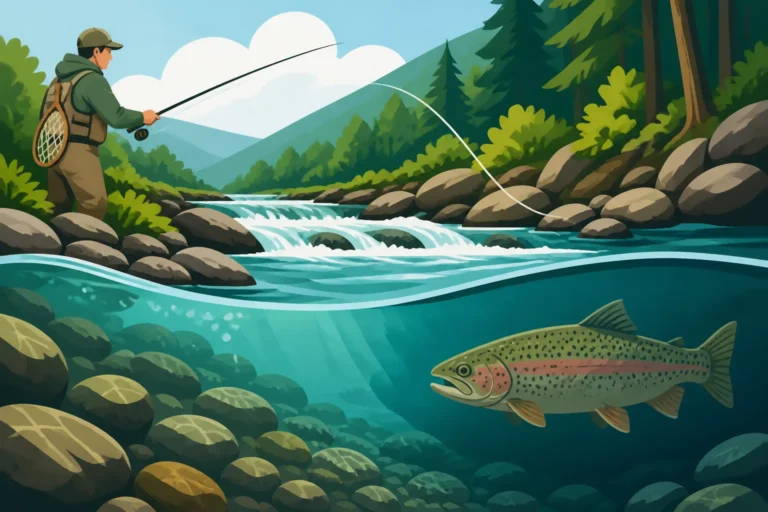
Fly anglers will want a shorter, lighter rod as well, typically a 7 to 8-foot, 3 or 4-weight fly rod. This lighter setup allows for delicate presentations of small flies and is comfortable for casting all day. A weight-forward floating fly line is generally the most versatile, as it allows for both dry fly presentations and nymphing. A 5x or 6x fluorocarbon leader and tippet will offer the necessary stealth and strength for these wary trout. For more on fly fishing techniques, check out Fly Fishing for Trout in Connecticut.
Lures, Baits, and Flies That Work
When it comes to what you're actually putting in the water, think small and natural. The trout in beaver ponds are often keyed into local forage.
Spin Fishing Options:
- Small Spinners: Classic inline spinners in sizes #0 or #1, perhaps in silver, gold, or black, are incredibly effective. Their flash and vibration mimic small baitfish or frantic insects. Brands like Mepps and Panther Martin are perennial favorites.
- Small Spoons: Tiny casting spoons, no more than 1/8 to 1/4 ounce, can also be deadly. Their wobbling action is irresistible.
- Soft Plastics: Micro jigs tipped with small grubs or worms, or tiny plastic worms fished on a lightweight jig head or under a bobber, can imitate a variety of aquatic life. Scented options can be particularly effective.
- Natural Baits: Garden worms, mealworms, or even small pieces of corn are old standbys for a reason. Fished on a small hook (size 10-14) with minimal weight, they drift naturally into holding lies. PowerBait can also be productive, especially for recently stocked fish. For more on general trout techniques, consider the advice in Spring Trout Fishing Techniques for Connecticut Streams.
Fly Fishing Options:
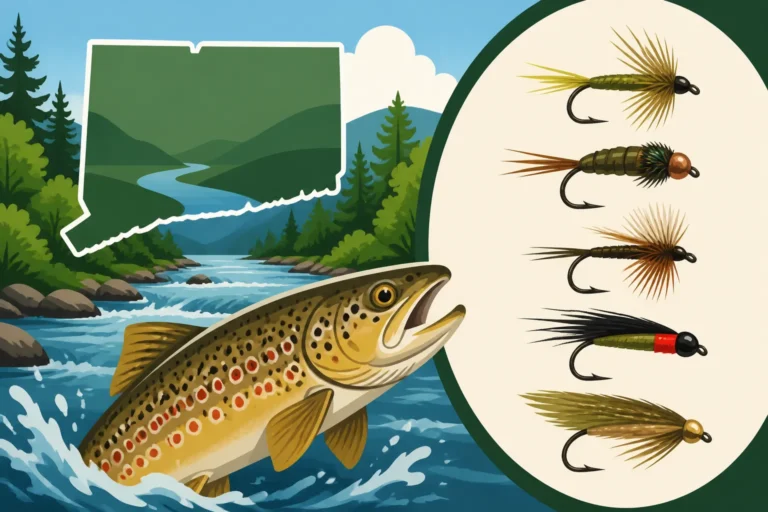
- Nymphs: Given the slower water and abundant aquatic insect life, nymphs are often the most productive. Patterns like pheasant tail nymphs, Hare's Ear nymphs, prince nymphs, and caddis larvae imitations in sizes 14-18 are excellent choices.
- Small Streamers: When trout are aggressive or feeding on baitfish, small streamers like woolly buggers (black, olive, or brown) in sizes 10-14 can draw strikes.
- Dry Flies: During hatches, or simply for prospecting in calm water, small attractor dry flies like an Adams or a caddis pattern in sizes 14-18 can be exciting. Terrestrial patterns such as ants, beetles, or grasshoppers are also fantastic in summer.
You can find a great selection of all these smaller lures, soft plastics, and fly tying materials on platforms like Amazon, making it easy to stock up before your next adventure.
Waders, Footwear, and Essential Accessories
Your personal gear is just as important as your rod and reel for beaver pond stream fishing.
- Chest Waders: These are almost a necessity. You'll likely encounter soft, mucky bottoms, unexpected deep spots, and need to cross the stream or even the pond itself to access prime fishing areas. Neoprene waders offer warmth in cooler weather, while breathable waders are better for warmer months.
- Wading Boots: Paired with your waders, a good pair of wading boots with sturdy ankle support and felt or rubber soles are essential. Studded soles can provide extra grip on slippery logs, rocks, and especially through thick mud, which is a common feature of beaver pond terrain. When choosing your boots, make sure they are comfortable enough for hiking. For additional safety and technique when in the water, consider reading about Wading Techniques for Connecticut Trout Streams.
- Net: A small, rubberized landing net is crucial for safely landing and releasing trout, especially if you plan on practicing catch and release, which is highly recommended in these often delicate ecosystems.
- Pliers/Hemostats: For hook removal.
- Line Clippers: For quick line changes and knot tying.
- Bug Spray: Don't forget this! Mosquitoes, black flies, and ticks can be relentless in these environments, especially during warmer months. Long sleeves and pants, even in summer, are a good idea for protection against both insects and brush.
- Small Backpack/Vest: To carry your gear, water, and snacks. You'll want to keep your hands free for navigating the terrain.
- First-Aid Kit: Basic essentials for cuts, scrapes, and insect bites.
- Map/Compass/GPS: Even if you think you know the area, beaver ponds can be disorienting, and trails often disappear. Knowing your way back out is important.
Tactical Approaches to Fishing Beaver Pond Streams
Fishing beaver pond streams isn't just about having the right gear; it's about employing the right strategies. These fish are often wilder, more attuned to their environment, and spook easily. A thoughtful approach will significantly improve your catch rates.
Stealth and Approach
In beaver pond streams, stealth isn't just a recommendation, it's a requirement. The water in these ponds can often be relatively clear and shallow, making trout highly susceptible to being spooked. Any sudden movement, loud noise, or even your shadow cast over the water can send them darting for cover. Think of yourself as a predator stalking its prey.
- Move Slowly and Deliberately: Approach the water's edge with extreme caution. Avoid crashing through brush or kicking rocks.
- Stay Low: If possible, crouch or kneel as you approach likely fishing spots. This breaks up your silhouette and makes you less visible to the fish.
- Observe Before You Cast: Take a few moments to watch the water. Look for rises, insect activity, or any signs of fish presence. Identify potential holding lies like submerged logs, undercut banks, or deeper pockets.
- Cast Strategically: For spin fishermen, this means sidearm casts or roll casts to keep your lure low and out of the overhanging branches. For fly anglers, roll casts, bow-and-arrow casts, or steeple casts are invaluable for getting your fly into tight spots without spooking fish with a wide backcast. Getting your offering to land gently and precisely is key.
Reading the Water and Identifying Holding Lies
Beaver ponds, despite their somewhat uniform appearance, have distinct features that attract trout. Learning to "read the water" here is slightly different from a river or a lake.
- The Inflow and Outflow: The areas where the original stream enters and exits the pond are often prime spots. The incoming current brings fresh oxygen and food, while the outflow can concentrate baitfish. These areas may also have slightly deeper channels.
- Submerged Timber: This is a classic trout hideout. Beavers are known for felling trees, and these submerged logs and branches provide excellent cover, shade, and ambush points. Cast your lure or fly as close as possible to the structure, being prepared for a quick strike and a fight that might involve the fish trying to wrap you around the timber.
- Undercut Banks: Erosion, especially where the stream once flowed or near the main current, can create undercut banks. These shadowy pockets offer trout overhead cover and a place to rest out of the current.
- Deep Pockets: Look for any noticeable depressions or deeper sections of the pond. These provide cooler water in summer and more stable temperatures in winter.
- Weed Lines and Edges: While beaver ponds can be quite open, areas with submerged weed beds or distinct edges where the flooded land meets deeper water are also worth exploring, especially for opportunistic feeding trout. These areas often hold baitfish and insects.
Techniques for Different Conditions
Your technique will need to adapt based on the time of year and specific water conditions.
Spring High Water:
After snowmelt or heavy rains, beaver ponds can swell, and the water might be stained. This increased flow and turbidity can make fish less wary but also harder to locate.
- Spin Fishing: Use slightly heavier lures (still small) that can penetrate the current and stained water. Brightly colored spinners or small crankbaits that create more vibration can be effective. Fish slower, allowing your lure to get down to the fish.
- Fly Fishing: Focus on larger, heavier nymphs or small streamers fished deep. An indicator or weighted fly line can help get your offering to the strike zone.
Summer Low Water:
As summer progresses, water levels drop, and clarity often increases. Trout will seek refuge in the deepest, coolest, and most oxygenated parts of the pond.
- Spin Fishing: Downsize your lures even further. Finesse techniques, like a tiny jig with a slow retrieve, become paramount. Early morning and late evening will be your best windows of opportunity.
- Fly Fishing: Delicate presentations with small nymphs or dry flies are key. Focus on matching the hatch if visible, or prospecting with small terrestrial patterns. Concentrate your efforts on the inflow areas or any springs feeding into the pond. In some parts of Connecticut, trout fishing can become challenging in warmer waters, as detailed in When Connecticut trout streams get too warm to fish.
General Techniques:
- Work the Entire Structure: Don't just cast once and move on. Fan cast around a submerged log, try different retrieve speeds, and present your offering from various angles.
- Vary Your Retrieve: Trout can be finicky. Experiment with slow, steady retrieves, sudden jerks, or stop-and-go actions until you find what triggers a strike.
- Upstream Casts (for moving water): If you're fishing near the inflow or outflow, casting upstream and allowing your lure or fly to drift naturally downstream can be incredibly effective, mimicking how natural food travels.
Safety and Conservation in Beaver Pond Environments
Fishing these wild spots is an incredible experience, but it comes with a responsibility. Ensuring your safety and protecting these delicate ecosystems for future generations is paramount.
Navigating the Terrain Safely
Beaver pond environments are not manicured parks; they are wild places with inherent risks. Being prepared and aware can prevent a great day of fishing from turning into a nightmare.
- Hidden Holes and Soft Mud: The bottoms of beaver ponds are often irregular. The flooding creates areas of incredibly soft, mucky sediment that can be difficult to wade through, and there might be unexpected drop-offs or deep holes. Always probe ahead with your wading staff before taking a step, especially in murky water.
- Slippery Logs and Dams: Walking on beaver dams or across fallen logs can be incredibly treacherous, especially when wet or covered in algae. Always test your footing and use extreme caution.
- Wildlife Encounters: You're in their home. Be aware of potential wildlife. While rare, venomous snakes like timber rattlesnakes or copperheads can be found in some Connecticut woods, and they like to sun themselves on logs or rocks. Give them a wide berth. Other animals like moose, bears, or coyotes are present in Connecticut, so carry bear spray if you're venturing into truly remote areas.
- Fishing with a Buddy: Whenever possible, fish with a friend. If you get into trouble, whether it's a fall, a twisted ankle, or an unexpected deep hole, having someone there to help can be a lifesaver. Cell service can be spotty in remote areas, so don't rely solely on your phone for emergencies.
- Tell Someone Your Plans: Always let a friend or family member know where you're going and when you expect to return.
Practicing Catch and Release and Minimizing Impact
These wild trout, especially the native brook trout, are a precious resource. Their populations in beaver pond streams are often self-sustaining but can be fragile. Practicing responsible angling ensures these spots remain vibrant.
- Proper Handling of Trout: If you plan to release a fish, handle it as little as possible. Keep it in the water, use wet hands, and remove the hook gently. Barbless hooks make release much easier and less traumatic for the fish. Avoid squeezing the fish, especially around its belly.
- Know the Regulations: Always consult the current Connecticut Fishing Regulations Explained and specifically Connecticut Trout Limit and Possession Rules before heading out. Certain areas might have special regulations, such as catch-and-release only, as highlighted in Connecticut Catch and Release Fly Fishing Only Waters. Respect these rules.
- Leave No Trace: Pack out everything you pack in, including fishing line, lure packaging, and food wrappers. Even biodegradable items can take a long time to break down. Avoid trampling vegetation unnecessarily.
- Respect Private Property: Many beaver pond streams flow through or border private land. Always know where you're fishing and obtain permission if necessary.
By respecting the environment and its inhabitants, you ensure that these unique and rewarding beaver pond stream fishing opportunities will be there for others to enjoy long after your boots are dry. Remember, for current licensing requirements, the Connecticut Fishing License Guide for 2026 is always your best resource.
Gear & Technique Summary for Beaver Pond Trout
To help you visualize the choices, here's a quick summary of gear and technique considerations for beaver pond trout fishing.
| Aspect | Spin Fishing Recommendation | Fly Fishing Recommendation | General Approach |
|---|---|---|---|
| Rod Length & Weight | 5-6 ft Ultralight/Light Action | 7-8 ft 3-4 weight | Shorter rods for tight casting; sensitive action. |
| Line Type | 4-6 lb Mono/Fluorocarbon | WF Floating Line, 5x-6x Fluorocarbon Leader/Tippet | Low visibility, appropriate strength for obstacles. |
| Lure/Fly Choice | Small Spinners (#0-1), Tiny Spoons, Micro Jigs, Natural Baits | Small Nymphs (14-18), Small Streamers (10-14), Terrestrials | Match local forage, go small and subtle. |
| Casting Technique | Sidearm, Roll Casts | Roll Cast, Bow & Arrow, Steeple Casts | Prioritize precision and low trajectory to avoid snags and spooking fish. |
| Retrieval/Presentation | Slow, Varied, Focus on Structure | Dead Drift Nymphs, Short Strips Streamers, Delicate Dry Fly Landing | Adapt to conditions, work slow around cover. |
| Wading Strategy | Probe ahead with staff, avoid deep mud, watch footing | Stealthy, slow entry, use wading staff for stability | Extreme caution, chest waders are essential. |
| Approach | Stealthy, low profile, observe before casting | Silent, stay hidden, minimal movement | Avoid being seen; approach from downstream or bankside cover. |
Disclaimer
This article is for general informational purposes only and does not constitute professional advice. Laws, prices and regulations vary by location and change over time. Consult a qualified professional for guidance on your specific situation.