How deep blackfish go around structure
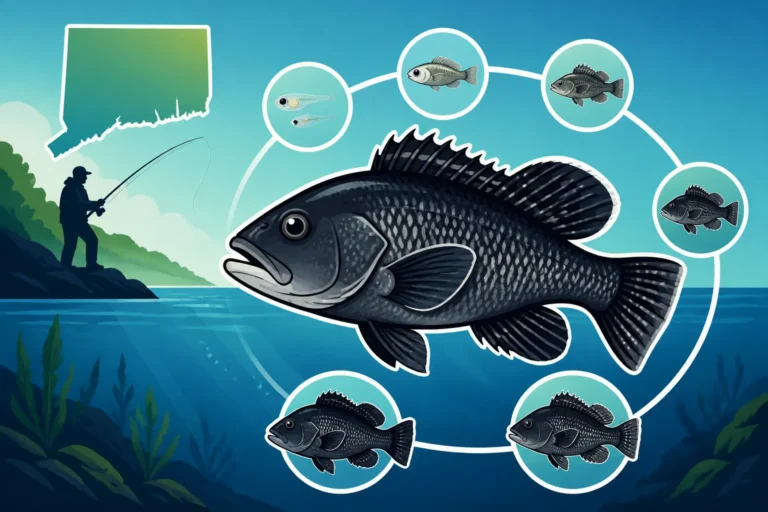
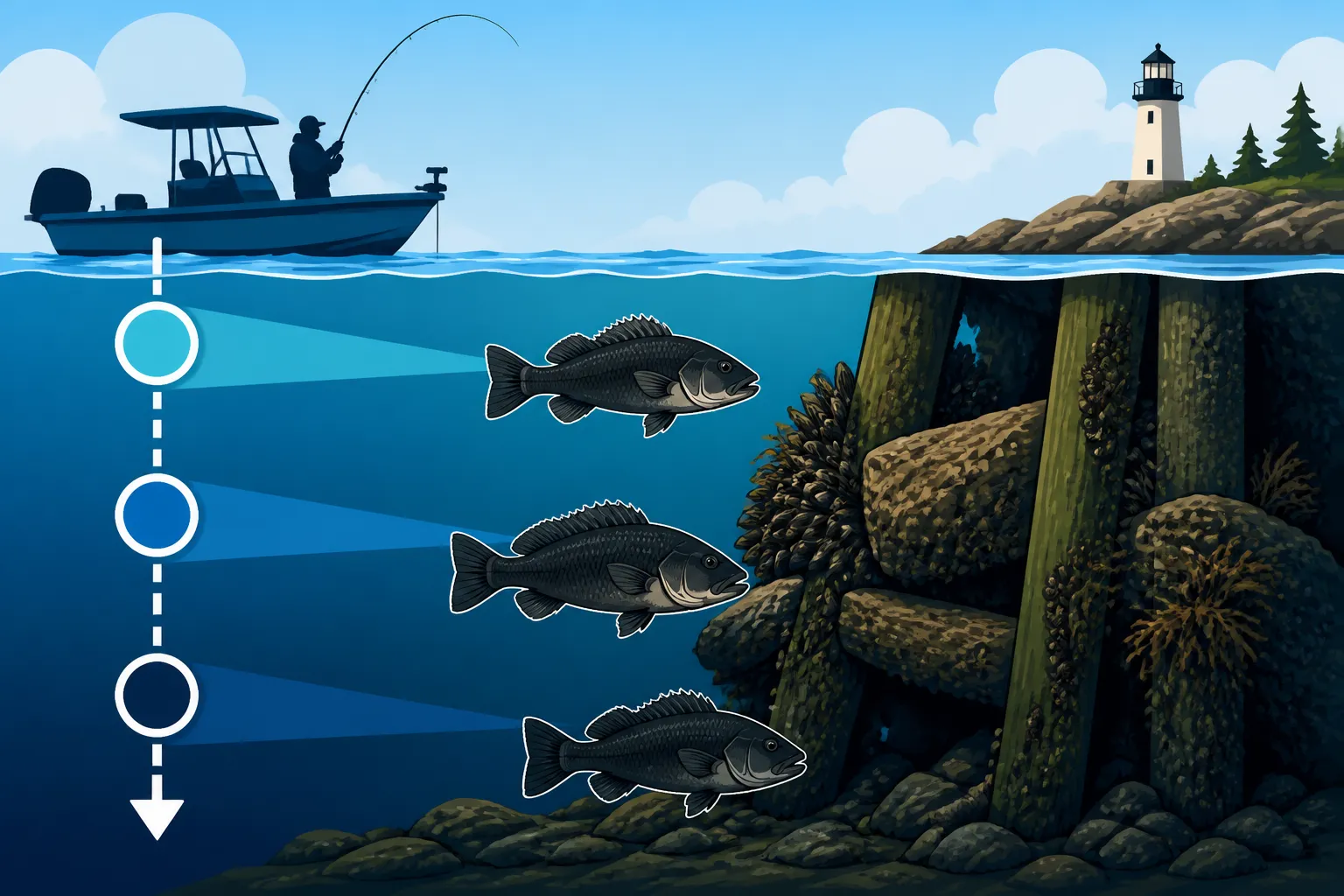
One of the biggest head-scratchers for any angler targeting blackfish (or tautog, as we often call them here in Connecticut) is figuring out just how deep these notoriously structure-loving fish hang out. You spend hours scouting, dropping lines, feeling every bump and rock, only to wonder if your bait is even in the strike zone. It’s a common frustration, especially when you know they’re in the area but just can’t seem to entice a bite. This guide is dedicated to unraveling that mystery, helping you understand the depths blackfish prefer around various types of structure, and how to adapt your strategy to find them, whether you're fishing the rugged shoreline or venturing offshore into Long Island Sound.
Understanding Blackfish Habits and Habitat
Before we dive into specific depths, it's crucial to understand why blackfish prefer certain environments. These aren't your open-water cruising fish; tautog are ambush predators, perfectly designed to scrape crustaceans and mollusks off hard surfaces. Their strong, crushing teeth are a testament to their diet, and their dark, mottled coloring helps them disappear among rocks and wrecks. Knowing this fundamental behavior is the first step to successful blackfish angling, because it directly dictates where they'll be found, and at what depths.
The Tautog's Love for Structure
Blackfish are synonymous with structure. They absolutely thrive in environments that offer plenty of nooks, crannies, and vertical relief. Think about a bustling underwater apartment complex, and that's essentially what a good piece of structure is to a blackfish. They use it for shelter from currents and predators, as a place to ambush prey, and even for spawning. This means they are almost always found in close proximity to something hard and irregular. This could be natural rock piles, mussel beds, old oyster reefs, or man-made structures like bridge pilings, jetties, breakwalls, and sunken wrecks. The more intricate and complex the structure, the better, as it provides more hiding spots and foraging opportunities. This is why when you're targeting them, you're not just casting into open water; you're meticulously working your bait right up against, and often into, the cover.
Their Diet and Foraging Behavior
What blackfish eat plays a huge role in their preferred depths and locations. Their diet primarily consists of shellfish, crabs, and other invertebrates that cling to or hide within rocky substrates. Mussels, barnacles, crabs (fiddler crabs, green crabs, hermit crabs), and even small lobsters are all on the menu. They use those powerful teeth to scrape and crush shells. This foraging behavior means they need to be close to surfaces where these food sources are abundant. If a piece of structure at 40 feet is covered in mussels, they'll be there. If a shallower rock pile at 15 feet has a thriving crab population, that's where you'll find them. This direct correlation between food source and location means that understanding what blackfish eat around structure will significantly improve your chances. When you're picking your spot, it's not just about finding any structure; it's about finding productive structure – the kind that's teeming with their favorite snacks.
Depth Preferences by Season and Structure Type
The "how deep" question isn't a simple one-size-fits-all answer. Blackfish depths fluctuate quite a bit, primarily influenced by the changing seasons and the specific characteristics of the underwater structure they inhabit. What holds fish in April might be completely barren in August, and a jetty holding fish in 10 feet might give way to a wreck holding them in 60 feet.
Seasonal Movements and Depths
Blackfish are highly sensitive to water temperature, which drives their seasonal migrations and depth preferences.
- Spring (Early Season): As the water begins to warm up in early spring, often from late March through May, blackfish will start to move out of their deeper wintering grounds. They'll typically be found in shallower waters, often ranging from 10 to 30 feet. These shallower areas warm up faster and provide readily available food sources as crabs become more active. Think of rocky shorelines, shallow mussel beds, and the inshore sides of jetties. It's a great time for shore-based anglers or those in smaller boats to target them. The fish are often hungry after winter and actively feeding.
- Summer (Warmer Months): During the peak of summer, when inshore waters can get quite warm, blackfish will generally seek out deeper, cooler water. You'll find them holding anywhere from 25 to 60 feet, sometimes even deeper, especially on offshore wrecks, reefs, and rock piles. While some larger fish might occasionally be caught shallower during early morning or late evening, the consistent bite will usually be found in these deeper, cooler zones where oxygen levels are also more stable. This is when your boat's sonar becomes invaluable for pinpointing those deeper structures.
- Fall (Peak Season): This is prime time for blackfish, hands down. As the water temperatures begin to drop from September through November, blackfish become incredibly active, feeding aggressively to bulk up for winter. They will often be found in a wider range of depths, from 15 feet down to 70 feet or more, depending on the specific location and local water temperatures. This is when some of the biggest tautog are caught, as they are actively migrating and feeding. They'll frequent both inshore and offshore structures, providing excellent opportunities for both boat and shore anglers. The bite can be fantastic, but it's also a time when you need to be versatile, checking multiple depths until you find the active schools.
- Winter (Deep Water): Once water temperatures really drop, blackfish retreat to their deeper wintering grounds. In Connecticut, this means depths typically ranging from 50 feet to over 100 feet. They become much less active, schooling up tightly on major offshore wrecks, reefs, and rock formations. While it's still possible to catch them, it requires specialized deep-water tactics, and the bite can be very subtle. Ice fishing for blackfish isn't really a thing here; these are cold-water marine fish that stay offshore.
Specific Structure Types and Associated Depths
Not all structure is created equal, and different types of structure tend to hold blackfish at different depths.
- Natural Rock Piles and Reefs: These are classic blackfish magnets. Inshore, you might find productive rock piles in 10-40 feet. Further offshore, natural reefs can hold fish consistently in 30-80 feet or deeper, depending on their size and proximity to temperature breaks or current. These areas often have extensive mussel and crab populations. Blackfish Habits Around Structure go into more detail on how they utilize these features.
- Jetties, Piers, and Breakwalls: These man-made structures often extend into varying depths. Nearshore sections might hold smaller blackfish in 5-20 feet, while the ends or deeper sections of a jetty where it drops off can hold larger fish in 20-40 feet. These are fantastic spots for shore anglers, but you often need long casts or to get right on the structure (if safe and legal) to access the deeper sections.
- Wrecks: Sunken ships, barges, and other debris are absolute blackfish hotels. These can be found in a vast range of depths, from shallow inshore wrecks in 20-30 feet to much deeper offshore wrecks lying in 50-100+ feet. The deeper wrecks are often where the largest blackfish are found, especially in summer and winter. The vertical relief and complex layout of a wreck offer unparalleled cover and feeding opportunities.
- Bridge Pilings: Tidal river bridges and those spanning major harbors often have massive pilings that drop straight down. Blackfish will stack up on these, especially if there's good current. Depths here can range from 15 feet to 50 feet, depending on the bridge and water body. The key is to fish tight to the pilings.
- Oyster and Mussel Beds: While not always providing the same dramatic vertical relief as a wreck, expansive oyster or mussel beds, especially those with some underlying rock or debris, can be excellent blackfish grounds. These are often found in shallower to moderate depths, typically 10-40 feet, and are rich feeding areas.
| Structure Type | Typical Depth Range (Feet) | Primary Season Found There | Key Feature for Tautog |
|---|---|---|---|
| Inshore Rock Piles & Reefs | 10 – 40 | Spring, Fall | Abundant crabs, mussels |
| Offshore Reefs & Ledges | 30 – 80+ | Summer, Fall, Winter | Consistent cool water |
| Jetties & Breakwalls | 5 – 40 | Spring, Fall | Shore access, tidal flow |
| Sunken Wrecks | 20 – 100+ | All Seasons | Ultimate cover, deep water |
| Bridge Pilings | 15 – 50 | Spring, Fall, Summer | Strong current, vertical |
| Oyster/Mussel Beds | 10 – 40 | Spring, Fall | Primary food source |
Factors Influencing Blackfish Depth
Beyond the general seasonal patterns and structure types, several dynamic environmental factors can cause blackfish to shift their preferred depth on any given day. Paying attention to these subtle cues can make all the difference between a productive day and a frustrating one.
Tide and Current Influence
Tides and currents play a massive role in blackfish behavior and, consequently, their depth. Blackfish are strong swimmers, but they prefer to hold in areas where they can expend minimal energy while still having access to food.
- Slack Tide: During the brief periods of slack tide, when the water movement slows, blackfish might spread out a bit more from their tight hiding spots. They might move slightly shallower or further from the immediate structure to forage more freely. However, the bite can sometimes slow down during dead slack, as the bait isn't being carried to them as actively.
- Moving Tide (Stronger Current): This is often the prime time for blackfish. The current dislodges crabs and other edibles from the structure, bringing them directly to the waiting tautog. During strong currents, blackfish will often hug the structure even tighter, positioning themselves on the leeward (down-current) side to ambush passing prey without fighting the main flow. They might also move into slightly deeper pockets or channels adjacent to the structure to get out of the strongest currents. This means you might need heavier sinkers to hold bottom, but the fishing can be exceptional. Learning to read the current and position your boat or cast correctly is a huge advantage. Best Techniques for Blackfish Around Structure often involves precise current management.
Water Temperature and Oxygen Levels
As mentioned, water temperature is perhaps the single most significant driver of blackfish depth. But it's not just about overall seasonal temperature; localized fluctuations can also influence them.
- Thermaclines: In deeper waters, especially during summer, a thermocline (a distinct layer where water temperature changes rapidly with depth) can form. Blackfish will often congregate just above or below this layer, seeking optimal temperatures.
- Oxygen Depletion: In very warm, stagnant summer waters, shallower areas can sometimes experience oxygen depletion. Blackfish will quickly move to deeper, cooler water where oxygen levels are more stable and abundant. This is why targeting them in deep, offshore wrecks during July and August is often more productive than fishing shallow rock piles. If you have a temperature gauge and oxygen sensor on your boat, pay close attention to these readings; they can pinpoint the sweet spot.
Availability of Forage and Predation Pressure
Like any predator, blackfish are where the food is. If a particular depth range or structure is experiencing a boom in crab or mussel populations, that's where the tautog will be.
- Baitfish Presence: While their primary diet isn't baitfish, the presence of baitfish can sometimes indicate a healthy ecosystem, which in turn means more crabs and other invertebrates. Larger bait schools might also attract other predators, and blackfish might move deeper into structure to avoid becoming prey themselves.
- Predator Avoidance: Larger predators like striped bass or bluefish can influence blackfish movements. If a school of aggressive bluefish is terrorizing a shallow reef, the blackfish there might temporarily retreat to deeper, more secure parts of the structure, or even shift to an entirely deeper location until the threat passes. Conversely, a healthy population of large stripers might encourage the tautog to hunker down even more tightly within the protection of heavy cover.
Practical Tips for Locating Blackfish at Depth
Knowing why blackfish go deep is one thing; actually finding them and catching them is another. It requires a combination of technology, technique, and a good dose of patience.
Using Sonar and GPS Effectively
Your electronics are your best friends when targeting deepwater blackfish. Don't just motor out and drop a line; use your tools to pinpoint prime real estate.
- Sonar for Structure Identification: Modern fish finders are incredibly powerful. Use your sonar to scan for rock piles, ledges, and wrecks. Look for sharp changes in bottom contour, areas that show a "hard bottom" return, and any anomalies that suggest significant structure. Don't just look for fish arches; look for the habitat that holds the fish. Blackfish often hug the bottom so tightly they won't show up as distinct arches unless they're actively feeding or moving. Focus on the structure itself. You can find excellent units on sites like Amazon that offer CHIRP, SideScan, and DownScan capabilities, which greatly enhance your ability to visualize underwater structure.
- GPS for Marking Spots: Once you find a promising piece of structure, immediately mark it on your GPS. Don't just drop a single waypoint; mark the edges, the highest points, and any specific areas where you see activity or get a bite. This allows you to drift over the same productive spots repeatedly or return to them on future trips. Accuracy is key here; even a few feet can make a difference when you're fishing tight to structure.
- Drift Management: When fishing deeper structure, it's rare to simply anchor directly over a small, productive spot. Often, you'll need to make short, controlled drifts over the structure. Use your GPS to monitor your drift path and make adjustments with a trolling motor or by strategic anchoring to slow or change your drift. The goal is to present your bait to as much of the structure as possible in a controlled manner.
Bait Presentation for Deepwater Tautog
Getting your bait to the blackfish, and keeping it there, is paramount. These aren't dainty eaters, but they can be finicky about how their meal is presented.
- Heavy Tackle and Braided Line: When fishing deeper water, you'll need heavier rods and reels capable of handling substantial sinkers (often 8-16 ounces or more, depending on current) and fighting powerful fish that want to dive back into the structure. Braided line is almost a necessity because its lack of stretch gives you superior feel for those subtle tautog bites in deep water and helps you set the hook effectively. A strong fluorocarbon leader is also critical for abrasion resistance against the unforgiving structure.
- Simple, Effective Rigs: A standard blackfish rig is often a simple two-hook dropper loop rig or a slip sinker rig, designed to keep your bait close to the bottom and prevent excessive snagging. The hooks should be strong, sharp, and appropriately sized for the crabs you're using (typically 2/0 to 5/0).
- Fresh, Live Bait: Nothing beats fresh green crabs, hermit crabs, or fiddler crabs for blackfish. Make sure your crabs are lively and properly hooked to maximize their appeal. For deeper drops, ensure your bait is secure on the hook to withstand the descent and the eventual nudging of the blackfish. Using high-quality hooks, which you can often find readily available from various brands on Amazon, can make a real difference in landing those tough tog.
- Feeling the Bite: The tautog bite is notoriously subtle. It's often described as a series of gentle taps or nudges, which is the fish mouthing the bait to crush it, followed by a sudden pull. In deep water, this subtlety is amplified. You need to hold your rod, feeling for every little bump, and be ready to set the hook hard at the first definitive pull. Don't be afraid to leave your bait down for a minute or two if you feel light taps; sometimes they need to work on the crab.
Adjusting Your Setup for Varying Depths
Being adaptable is key. You won't always find fish at the same depth, even on the same piece of structure.
- Varying Sinkers: Carry a wide range of sinker weights. If you're not holding bottom effectively, you're not fishing effectively. Don't hesitate to go up in weight if the current is strong or you're drifting too fast. Conversely, if the current is light, you might be able to drop down to a lighter sinker, which can sometimes result in more bites due to a more natural bait presentation.
- Rod Sensitivity: While you need a stout rod to muscle blackfish out of structure, a sensitive tip is crucial for detecting those light bites. Look for rods with a good balance of backbone and tip sensitivity. Some anglers even prefer different rod actions for different depths or current conditions.
- Layering Your Approach: If you're fishing a large piece of structure that spans multiple depths, don't just focus on one depth. If you have multiple lines out, try fishing one slightly shallower and one slightly deeper. If you're getting short strikes or no bites at a particular depth, reel up or let out some line and try another depth zone on the same drift. The fish might be stacked up on a specific contour or ledge that's just a few feet away from where you initially dropped. Knowing the Connecticut Blackfish (Tautog) Season Dates will help you determine the general depth range to start with, but always be prepared to adjust.
- Safety First: When fishing deepwater structure, especially wrecks, be mindful of currents and your surroundings. Always have appropriate safety gear, and ensure your boat is well-maintained. Always check the Connecticut Fishing Regulations Explained before heading out.
Finding and catching blackfish at depth is a rewarding challenge that requires a blend of knowledge, preparation, and on-the-water adjustments. By understanding their habits, seasonal movements, and the dynamics of their underwater world, you’ll be much better equipped to crack the code and enjoy some fantastic tautog fishing here in Connecticut.
Disclaimer
This article is for general informational purposes only and does not constitute professional advice. Laws, prices and regulations vary by location and change over time. Consult a qualified professional for guidance on your specific situation.