Difference between wild and stocked trout in Connecticut
It’s a common scenario for anglers across Connecticut: you cast your line, feel that satisfying tug, and reel in a beautiful trout. But then a question might pop into your head – is this fish a true wild survivor, or one of the many fantastic trout stocked by the state to enhance our fishing experiences? This can be a real head-scratcher, as both types bring their own unique challenges and rewards to the fishing experience. This guide aims to clear up that confusion, helping you understand the key differences between wild and stocked trout in our beloved Connecticut waters.
Understanding Connecticut's Trout Management Approaches
For many anglers, the word "trout" often conjures images of pristine mountain streams and elusive, naturally-bred fish. While Connecticut certainly has its share of such gems, a significant portion of the trout fishing opportunities we enjoy are a direct result of thoughtful and intensive management efforts by the state. It's a dual approach, balancing the creation of robust fishing opportunities with the critical conservation of delicate ecosystems.
The Role of Stocking Programs
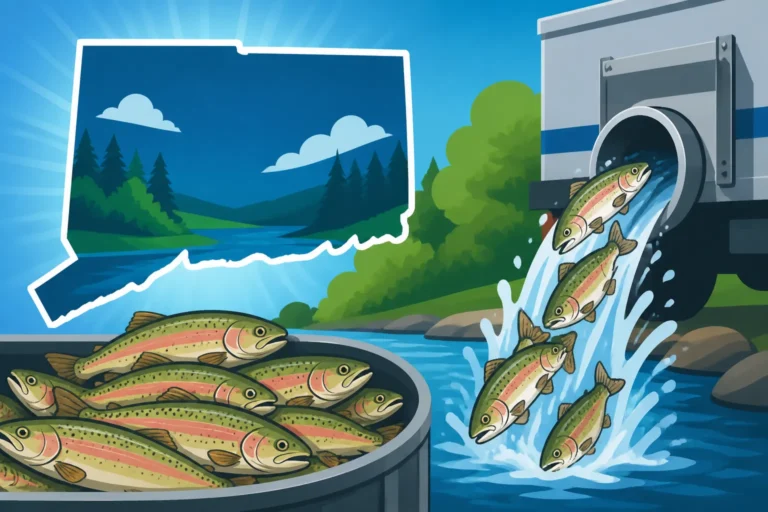
The Connecticut Department of Energy and Environmental Protection (DEEP) operates a comprehensive trout stocking program, which is truly the backbone of trout fishing for countless enthusiasts across the state. These programs are designed to provide ample fishing opportunities, especially in waters that might not naturally support large, self-sustaining trout populations due to habitat limitations, warmer summer temperatures, or heavy fishing pressure. Think of the excitement of Connecticut Trout Season and Stocking Rules opening day – that's almost entirely driven by these dedicated stocking efforts!
Trout raised in hatcheries are nurtured from eggs to a catchable size in a controlled environment, ensuring they grow quickly and are free from many natural predators. They are then distributed across various lakes, ponds, and streams throughout the season. The primary goal here is to put fish in the water for anglers to enjoy, creating a more consistent and accessible fishing experience for everyone from seasoned veterans to families just getting started. These fish are bred for growth and survival in the hatchery environment, and while they are genetically still trout, their life experiences are vastly different from their wild counterparts.
Protecting Wild Trout Populations
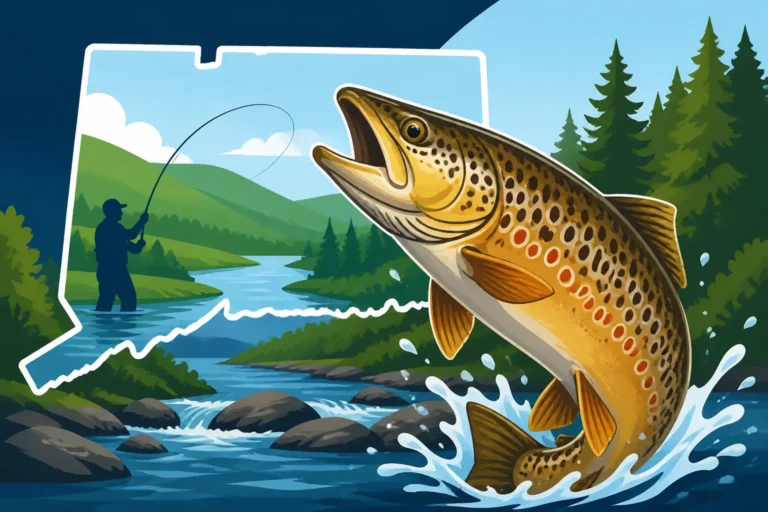
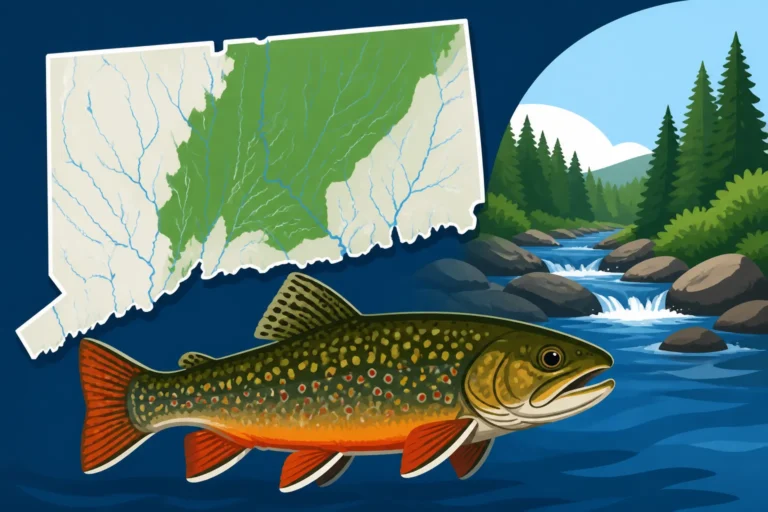
While stocking boosts angler success, the state also places a huge emphasis on protecting and enhancing Connecticut's wild trout resources. These are fish that have successfully spawned and grown in the natural environment without human intervention. This category includes our native brook trout, which are truly a special part of Connecticut's natural heritage, along with wild-reproducing brown and rainbow trout in certain areas. Brook Trout: Connecticut's Native Trout are particularly treasured.
Conservation efforts often focus on habitat restoration, ensuring streams have healthy riparian zones, cool water temperatures, and abundant invertebrate life that wild trout depend on. Special regulations, such as catch-and-release only sections or specific gear restrictions in Connecticut Trout Management Area Regulations and wild trout management areas, are put in place to help these populations thrive. These regulations are vital because wild trout populations are often more sensitive to environmental changes and fishing pressure. The goal is not just to maintain their numbers, but to preserve the genetic diversity and ecological integrity of these natural populations for future generations.
Physical Differences Between Wild and Stocked Trout
One of the most immediate ways to distinguish between wild and stocked trout is by their appearance. These differences aren't just cosmetic; they tell a story about the fish's life history, diet, and environment. Learning to spot these clues can make you a more observant and appreciative angler.
Appearance and Coloration
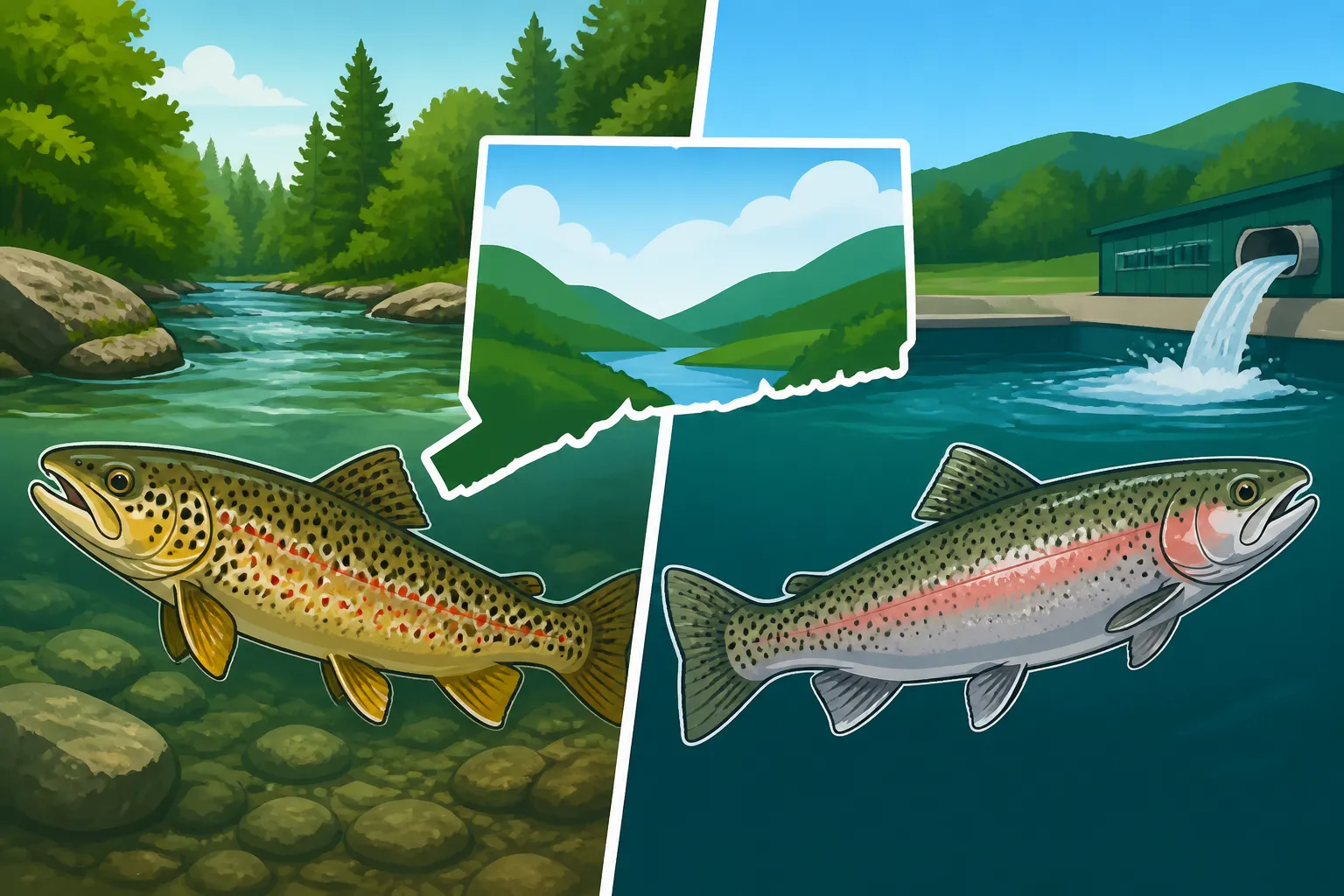
Wild trout, particularly those that have spent their entire lives foraging in natural streams, typically display more vibrant and distinct coloration. Their patterns—from the spots on a brown trout to the intricate vermiculations on a brook trout—tend to be sharper and more intense, often reflecting the specific hues of their stream bottom. They develop strong, dark backs to camouflage themselves from aerial predators and lighter bellies to blend in with the sky when viewed from below. Their skin is often taut, and their fins are usually in impeccable condition.
Stocked trout, on the other hand, often exhibit a more subdued or uniform color palette. Their colors might seem faded or duller in comparison, lacking the deep, rich tones of a wild fish. This is largely due to their hatchery diet, which is typically a commercially produced pellet feed, and the consistent, controlled lighting of their rearing tanks. While perfectly healthy, they haven't had to develop the same camouflage adaptations as a fish constantly evading predators in a varied, natural environment. Their markings might be less defined, and their overall appearance can sometimes be described as "cookie-cutter" due to their uniform upbringing.
Fin Condition and Body Shape
Perhaps the most telling physical characteristic lies in their fins and overall body shape. Wild trout possess fins that are typically pristine: fully intact, pointed, and often well-defined, showing no signs of wear or damage. Their bodies tend to be more slender, streamlined, and muscular, reflecting a life spent navigating currents, actively hunting, and evading predators. They are naturally conditioned athletes of the stream, built for speed and agility.
Stocked trout, by contrast, frequently show signs of wear and tear on their fins. Because they are raised in crowded hatchery tanks, they can rub against each other, concrete walls, or the bottom, leading to frayed, shortened, or even missing fins. The caudal (tail) fin, dorsal fin, and pectoral fins are particularly susceptible to this "fin erosion." Their body shape can also be different; hatchery fish often appear a bit thicker or heavier for their length, sometimes described as a "football" shape, which is a result of their high-calorie, readily available diet and limited need for sustained swimming against currents. Their mouths might also show slight deformities from nipping at each other for food. These distinctions are usually quite noticeable once you know what to look for.
Behavioral and Survival Differences
Beyond the visual cues, the fundamental differences in upbringing between wild and stocked trout lead to vastly different behaviors, instincts, and ultimately, survival rates once they enter the open waters of Connecticut. These behavioral disparities are a huge part of what makes catching each type of trout a distinct experience.
Feeding Habits and Instincts
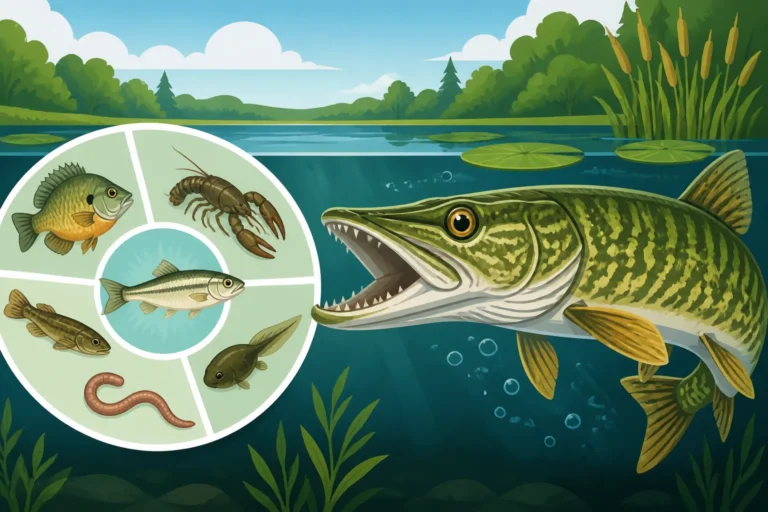
Wild trout are masters of their environment, honed by generations of natural selection. They are opportunistic feeders, constantly on the lookout for natural food sources like insects (aquatic and terrestrial), small baitfish, and crustaceans. Their feeding behavior is nuanced; they learn to associate certain drifts, riffles, or eddies with reliable food delivery, and they are incredibly selective, often keying in on specific insect hatches. They possess keen predatory instincts, understanding how to ambush prey and conserve energy. This natural conditioning makes them challenging but incredibly rewarding to catch.
Stocked trout, having been fed pellets their entire lives, often lack these ingrained predatory instincts initially. When first released, they might still be looking for an easy meal, sometimes even rising to anything that remotely resembles their hatchery food. They tend to be less wary and more aggressive towards novel food sources, which is why they can be caught fairly easily right after stocking. Over time, some stocked trout, especially those that survive for a while, can "wild up" and begin to adapt to natural forage, but this takes time and isn't a guaranteed transformation. If you're looking for lures that mimic their natural prey, you might find a great selection on Amazon to get you started.
Wariness and Fight
This is where the angler truly experiences the difference. Wild trout are inherently cautious. They are acutely aware of their surroundings, spooking at shadows, sudden movements, or even vibrations on the bank. Their survival depends on this wariness. When hooked, they typically exhibit a powerful, sustained fight, leveraging their muscular bodies and knowledge of the current to try and break free. They'll often run for cover, dive deep, or jump repeatedly, making for an exhilarating battle on lighter tackle. Their fight is a testament to their fitness and survival instincts.
Stocked trout, especially those fresh from the hatchery, are generally less wary. They haven't had to contend with predators or evade anglers, so they might not bolt at the first sign of danger. When hooked, their fight can be somewhat erratic. While they can put up a good struggle, especially larger specimens, it's often described as less sustained or strategic than a wild fish. They might make a few strong runs but tire more quickly, or simply thrash around. This isn't to say they don't provide a fun fight—they absolutely do—but it's a different kind of challenge, often more about the initial hook-set than a prolonged, tactical battle. For instance, How to Catch Trout in Connecticut outlines techniques that often work for both, but the subtleties truly come into play with wild fish.
Longevity and Reproduction
The survival rates and reproductive success of wild and stocked trout vary significantly. Wild trout are, by definition, survivors. They've navigated floods, droughts, predators, and fishing pressure to reach maturity. Those that reproduce successfully pass on their strong genetic traits, contributing to a self-sustaining population. Their longevity in suitable habitats can be impressive, with some brown trout living many years and growing to trophy sizes.
Stocked trout face a much tougher reality once released into the wild. While they provide immediate angling opportunities, many stocked fish are caught soon after release. Those that aren't caught must adapt rapidly to a completely new environment—finding food, avoiding predators, and dealing with environmental stressors they've never encountered. Their survival rate beyond the initial weeks or months after stocking can be quite low. Furthermore, while they are capable of spawning, their reproductive success in the wild is often negligible compared to truly wild fish. This is partly due to their genetic predisposition (they're bred for fast growth, not necessarily optimal wild reproduction) and their lack of learned behaviors for successful nesting and rearing of offspring. Understanding this helps us appreciate the importance of careful handling, especially for those wild trout you might encounter.
Where to Find Wild vs. Stocked Trout in Connecticut
Knowing the difference between wild and stocked trout is one thing, but knowing where to go to specifically target one over the other is key to a rewarding angling experience. Connecticut offers a diverse array of waters, each with its own unique trout population dynamics.
Prime Stocked Trout Waters
If your goal is to simply catch trout, and perhaps bring a few home for dinner, then focusing on stocked waters is your best bet. The Connecticut DEEP goes to great lengths to provide detailed information on its stocking schedules and locations. Many of Connecticut's rivers, streams, lakes, and ponds receive regular stockings throughout the spring and fall. Popular destinations include the main stem of the Farmington River, the West Branch of the Farmington (below the trophy trout water), the Hammonasset River, and many state park ponds like Black Pond or Squantz Pond. These waters are chosen specifically because they offer good public access and sufficient habitat to hold stocked fish for a reasonable period.
You'll find these areas often have easier access points, like designated parking areas and pathways. The fishing pressure can be intense, especially immediately after a stocking event, which is part of the fun for many anglers seeking consistent action. For detailed information on specific locations and dates, anglers should consult the official DEEP stocking reports. Many of these locations are ideal for bait fishing with worms or powerbait, or casting spinners and small spoons. For beginners or families, these stocked waters offer a high chance of success and are a fantastic way to introduce new anglers to the sport. List of Connecticut stocked trout waters can give you a head start on planning your next trip.
Identifying Wild Trout Sanctuaries
For anglers seeking the challenge and satisfaction of catching truly wild trout, a different approach is required. Wild trout in Connecticut typically inhabit smaller, colder, and often more remote streams. These are usually headwater tributaries, mountain brooks, or stretches of larger rivers with specific characteristics that support natural reproduction and survival, even under varying conditions. The Best Trout Streams in Connecticut often include sections known for wild populations.
Look for streams with abundant natural cover, such as undercut banks, fallen logs, and dense canopy providing shade. Good water quality, consistent cold temperatures year-round, and a healthy population of aquatic invertebrates are tell-tale signs of potential wild trout habitat. These areas often carry special regulations, such as "Trout Management Areas" (TMAs) or "Wild Trout Management Areas" (WTMAs), which might include catch-and-release rules, single hook restrictions, or fly-fishing-only designations. The aim of these regulations is to protect the delicate wild populations. Examples include certain stretches of the Farmington River West Branch (especially above the RT 219 bridge in New Hartford), sections of the Housatonic River, and numerous small, unnamed feeder brooks that might hold native brook trout. Exploring these areas often means more hiking and less crowded conditions, and a deeper connection to nature. For specialized gear for these more delicate presentations, checking out dedicated fly fishing sections on Amazon might be beneficial.
Angling Considerations for Each Type of Trout
The distinction between wild and stocked trout isn't just academic; it profoundly impacts the strategies and techniques anglers employ to be successful. Understanding these nuances will not only improve your catch rate but also deepen your appreciation for these magnificent fish.
Tactics for Stocked Trout
When targeting recently stocked trout, your approach can often be more straightforward. These fish are generally less cautious and more willing to strike at readily available baits and lures. Classic offerings like corn, powerbait, mealworms, or live worms are highly effective. For artificial lures, small inline spinners, spoons, and soft plastic trout baits worked slowly can entice aggressive bites. The key is often to present the bait where the fish are concentrated, which is typically near recent stocking points or deeper pools.
Because stocked trout often feed less selectively, you don't need to perfectly "match the hatch" with fly patterns. Simpler nymph patterns, wooly buggers, or even small streamer patterns can be very productive. Float fishing or drift fishing with bait under a bobber in slower currents can be incredibly successful. The focus is often on accessibility and presentation in areas where the fish are holding. Remember, these fish are often more interested in quantity than quality of food presentation initially. It's about getting something edible in front of them, as their hatchery upbringing has conditioned them to respond to consistent food sources. You can find a wide array of basic trout lures and baits on Amazon to stock your tackle box for these trips.
Challenges of Wild Trout
Catching wild trout, especially those that have been established in a stream for a while, demands a much more refined and patient approach. These fish are incredibly wary and highly attuned to their environment. Stealth is paramount: approach the water quietly, avoid casting shadows over promising lies, and wear subdued clothing. Your presentations need to be subtle, accurate, and often mimic natural food sources exactly. For fly anglers, this means careful fly selection to match current insect hatches, precise casts, and drag-free drifts.
For spin anglers, very light lines, small lures (like tiny inline spinners or ultralight spoons), and natural baits (like small worms or aquatic insects) presented with minimal hardware are essential. The battle with a wild trout is often a chess match, requiring you to read the water, understand fish behavior, and execute flawless presentations. You'll often find yourself fishing smaller sections of water more thoroughly, focusing on pockets, seams, and undercut banks where these cautious fish hide. Fly Fishing for Trout in Connecticut is a superb way to connect with these wild fish. Landing a wild trout is a testament to your skill and patience, and for many, it's the ultimate reward in Connecticut trout fishing.
Here's a quick comparison of the common characteristics:
| Feature | Wild Trout | Stocked Trout |
|---|---|---|
| Appearance | Vibrant, distinct patterns, deep colors | Subdued, uniform colors, often duller |
| Fins | Pristine, fully intact, pointed | Frayed, shortened, or missing fins (fin erosion) |
| Body Shape | Slender, streamlined, muscular | Thicker, sometimes "football" shaped |
| Dietary Habits | Selective, opportunistic, natural forage | Less selective, accustomed to pellet feed |
| Wariness | Highly cautious, spook easily | Less wary, can be aggressive to bait |
| Fight | Powerful, sustained, strategic runs, jumps | Erratic, may tire quickly, less strategic |
| Longevity | Can live for many years in suitable habitat | Lower survival rate post-stocking |
| Reproduction | Naturally reproduces, self-sustaining | Limited to negligible reproductive success |
| Habitat | Colder, cleaner, often remote streams | Widely distributed in accessible waters |
Disclaimer
This article is for general informational purposes only and does not constitute professional advice. Laws, prices and regulations vary by location and change over time. Consult a qualified professional for guidance on your specific situation.