Squantz Pond Fishing Guide
Heading out to a new body of water can feel like stepping into a mystery, especially when you hear local anglers whisper about places like Squantz Pond. It's renowned for its beauty, but also for being a bit of a challenge to unlock its fishing secrets. This comprehensive guide is designed to demystify Squantz Pond, breaking down the unique characteristics, prime fishing spots, effective techniques, and crucial regulations you'll need to know to make your next trip a truly memorable one.
Squantz Pond's Unique Charm and Challenges for Anglers
Squantz Pond, often considered the northern arm of the much larger Candlewood Lake, offers a distinctive angling experience that sets it apart from many other Connecticut fisheries. Its character is defined by a blend of deep, clear water, rocky contours, and a surprising diversity of fish species. But like any truly rewarding fishing spot, it also presents its own set of puzzles for those willing to decipher them.
A Deep Dive into the Pond's Geography and Depth
Nestled within Fairfield County, Squantz Pond covers approximately 270 acres, feeling somewhat intimate compared to Candlewood Lake's vast expanse. Yet, it shares Candlewood's origin as a man-made hydroelectric reservoir, leading to a similar deep and varied underwater topography. Unlike many shallow, weed-choked ponds, Squantz drops off quickly in many areas, plunging to depths exceeding 100 feet in its central and southern basins. This dramatic depth change, combined with a predominantly rocky bottom, creates an incredible amount of structure for fish.
Anglers often note the stark contrasts: shallow, sun-drenched coves in the northern reaches give way to sheer rock walls and deep ledges further south. The connection to Candlewood Lake, via a narrow channel that passes under a causeway, means fish can move freely between the two bodies of water, influencing populations and behavior. This constant intermingling keeps the Squantz Pond fishery dynamic, meaning that fish might be here today and moved into a deep channel of Candlewood tomorrow.
Understanding this subterranean landscape is paramount. The steep drop-offs and rocky points act as highways and feeding zones for smallmouth bass, while the occasional flatter, weedier sections in the northern coves provide sanctuary and ambush points for largemouth. Identifying these transitions and irregularities on your fishfinder, or even just observing the shoreline contours, is your first step to success. Don't be afraid of fishing deep; many of Squantz Pond's trophy fish are found hugging the bottom in places that seem impossibly far from the surface.
Understanding the Aquatic Environment
The water in Squantz Pond is generally very clear, a characteristic it shares with Candlewood Lake. This crystal-clear water, while beautiful, can make fish wary, especially during bright sunny days. Anglers often find success during low-light conditions – dawn, dusk, or overcast days – when the fish feel less exposed. During the summer months, a pronounced thermocline develops, typically between 20-30 feet, which acts as a thermal barrier. Fish species that prefer colder water, such as trout and sometimes smallmouth bass, will orient themselves along or just below this thermocline, seeking comfort and higher oxygen levels.
The forage base in Squantz Pond is diverse and robust, contributing to the healthy populations of game fish. Alewives are a primary baitfish, and their presence often dictates where predatory species like bass and trout will concentrate. Other prevalent baitfish include various shiner species and abundant panfish, such as yellow perch and bluegill. Understanding the annual cycles of these baitfish – when they spawn, where they school – can give you a significant advantage. For instance, when alewives are schooling in open water, suspending artificial baits or live bait beneath them can be incredibly effective.
Weed lines, though not as expansive as in some other Connecticut ponds, do exist in specific coves and shallower areas, particularly in the northern half of Squantz Pond. These aquatic vegetation beds provide crucial cover for largemouth bass, pickerel, and panfish. Pay close attention to the edges of these weed lines, where predators often lie in wait for unsuspecting prey. The clarity of the water also means that scent and subtle presentations can be crucial; fish have plenty of time to inspect your offering. Being able to adapt to these conditions, from light line and natural colors in clear water to heavier presentations in denser cover, is a hallmark of a successful Squantz Pond angler.
Target Species: What You'll Find Biting at Squantz Pond
Squantz Pond is a vibrant ecosystem supporting a variety of game fish, each offering a distinct challenge and reward for anglers. While it's particularly famous for its bass fishing, those willing to explore will find opportunities for trout, panfish, and even a few surprises lurking beneath the surface.
The Prized Largemouth and Smallmouth Bass Fishery
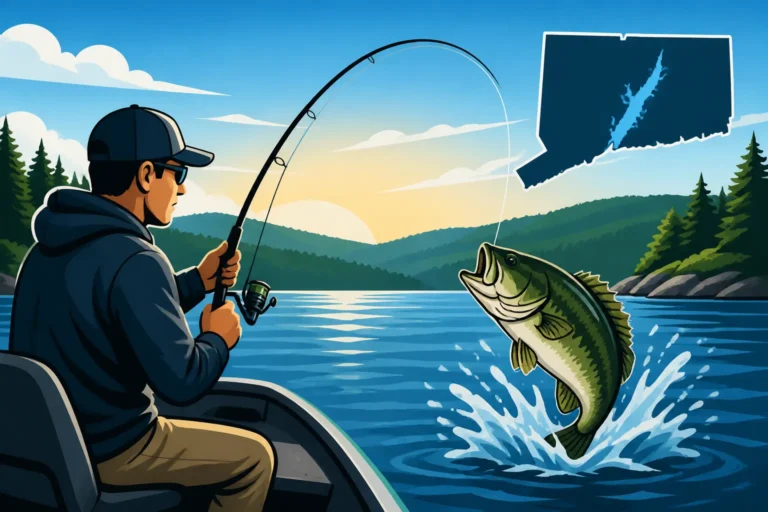
For many, Squantz Pond is synonymous with bass fishing. Both largemouth and smallmouth bass thrive here, often growing to impressive sizes, making it a favorite among serious bass anglers. The populations are robust, and it's not uncommon to land several quality fish in a single outing if you know where and how to look. The reputation for trophy-sized bass on Squantz Pond (and its larger counterpart, Candlewood Lake) draws anglers from all over the region.
Largemouth bass in Squantz Pond tend to inhabit the shallower, weedier coves and areas with fallen timber, particularly in the northern sections. They are ambush predators, often hiding in thick cover, waiting for an unsuspecting baitfish or frog to swim by. Look for them around docks, submerged logs, lily pads, and denser patches of aquatic vegetation. Early mornings and late evenings are prime times to target them in these shallow areas, especially with topwater lures, as they become more active under low light. During the heat of the day, largemouth might retreat to slightly deeper cover or the shade of overhanging trees.
Smallmouth bass, on the other hand, are the kings of Squantz Pond's rocky, deep-water structure. They prefer the open, deeper basins, congregating around rocky points, submerged humps, ledges, and steep drop-offs. Their aggressive nature and powerful fights make them a thrilling target. Unlike largemouth, smallmouth are more comfortable in cooler, oxygen-rich deep water, often suspending themselves over deep structure or cruising the edges of sharp breaks. Locating schools of alewives is often key to finding smallmouth, as they will follow their primary food source. When fishing for them, pay close attention to depth changes indicated on your fishfinder.
Beyond Bass: Trout, Panfish, and Other Opportunities
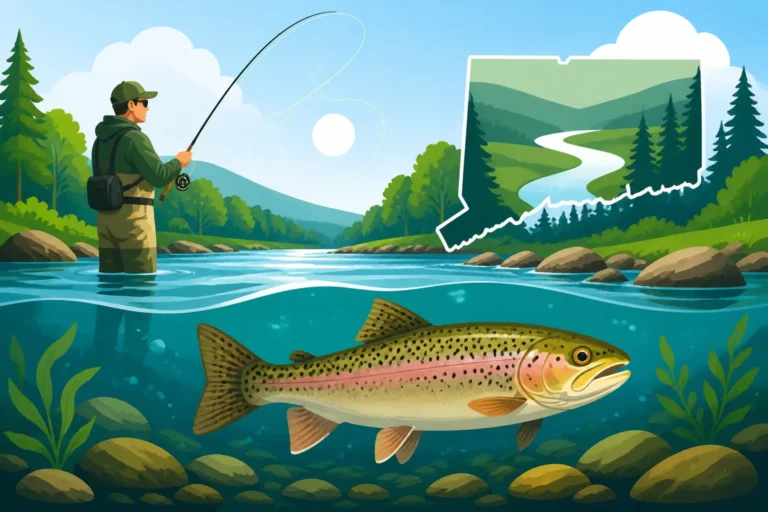
While bass may dominate the headlines, Squantz Pond is also home to a healthy population of trout, thanks to regular stocking efforts by the Connecticut Department of Energy and Environmental Protection (DEEP). Both rainbow trout and brown trout are stocked annually, providing excellent opportunities for anglers seeking cold-water species. These trout thrive in Squantz Pond's deep, clear, and cool waters, especially during the spring and fall before the water warms significantly, or by seeking out the cooler thermocline in summer. For specific stocking schedules and regulations, checking the official Connecticut Trout Season and Stocking Rules is always a smart move.
Targeting trout often involves different techniques than bass fishing. Trolling with small spoons or stickbaits, often weighted to reach deeper depths, is a popular method. From shore, powerbait, corn, or live worms fished on the bottom can be very effective, especially near the state park access points. These stocked fish are often eager biters, providing plenty of action. It's also important to be aware of the Connecticut Trout Limit and Possession Rules to ensure you're fishing legally.
For family outings or those seeking consistent action, the panfish populations in Squantz Pond are abundant. Yellow perch, sunfish (like bluegill and pumpkinseed), and crappie offer excellent light-tackle fun. These species are often found in shallower coves, around docks, and near weed beds. A simple bobber-and-worm setup, or small jigs tipped with bait, can yield continuous catches, making it a fantastic option for introducing children to fishing. The sheer numbers of panfish mean that even on tougher days for bass, you can usually find something willing to bite.
Occasionally, anglers might encounter chain pickerel or even a northern pike, though the latter are more commonly associated with the main basin of Candlewood Lake. Pickerel tend to lurk in the same weedy, shallow areas as largemouth, and their aggressive strikes can be a fun surprise. While not as abundant as bass or panfish, these other species add an element of unpredictability and excitement to every cast on Squantz Pond.
Best Fishing Spots and Access Points on Squantz Pond
Knowing where to go is half the battle when fishing a new lake, and Squantz Pond offers both readily accessible public areas and hidden gems for those willing to explore. Understanding the lay of the land, and the water, will significantly boost your chances of finding fish.
Public Access and Launching Your Boat
The most prominent and convenient access point for Squantz Pond is Squantz Pond State Park in New Fairfield. This park provides excellent public amenities, including a spacious boat launch and ample parking. The boat launch is concrete and well-maintained, suitable for a variety of watercraft, from small aluminum boats and kayaks to larger bass boats. During peak summer weekends, especially with the swimming beach in operation, the park can get very busy, so plan to arrive early to secure parking and avoid launch delays.
For those without a boat, Squantz Pond State Park also offers significant shore fishing opportunities. The shoreline along the park provides easy access to the water, particularly in the northern sections of the pond. While shore access is limited to the park boundaries, these areas can be productive, especially during trout stocking season or for panfish. Anglers casting from shore should focus on transitions where shallower water meets deeper drop-offs, or areas with submerged structure close to the bank. It's a great spot for a casual afternoon of fishing without the need for a boat.
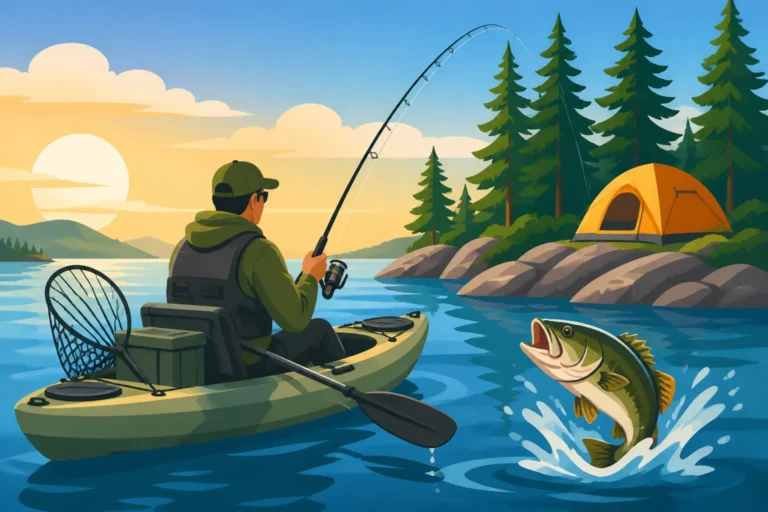
For paddlers, launching a kayak or canoe from the state park is straightforward. The more intimate nature of Squantz Pond makes it very kayak and canoe friendly, allowing anglers to quietly slip into coves and along shorelines that larger boats might struggle to access. There are no motor restrictions on Squantz Pond itself, however, keep in mind that the channel connecting to Candlewood Lake often has slower speed limits, and the lake itself has specific boating regulations to be aware of.
Prime Structures and Cover to Target
Squantz Pond is rich in underwater structure, which is exactly where fish tend to congregate. One of the most productive areas is the southern basin of the pond, where the bottom drops sharply to over 100 feet. Here, you'll find numerous rocky points, underwater humps, and steep ledges that are absolute magnets for smallmouth bass. Drifting over these deeper contours while watching your fishfinder for baitfish schools or arches of fish can be incredibly effective. Look for areas where the depth changes rapidly from, say, 20 feet down to 60 feet. These ledges act like highways for smallmouth moving between deep water and shallower feeding grounds.
Moving northward, the central part of the pond offers a mix of deep water and more gradual slopes. Keep an eye out for any isolated rock piles or submerged timber, especially along the western shoreline. Even subtle changes in bottom composition, from rock to gravel, can hold fish. During the warmer months, when the thermocline sets in, fish will often hold right on that depth, so targeting suspended fish over deep water can be very productive.
The northern coves and shallower areas are prime territory for largemouth bass and panfish. These coves often feature more aquatic vegetation, such as lily pads and submerged weeds, as well as fallen trees and docks. One particularly notable area is the cove directly to the east of the state park's main swimming beach. This section often holds good numbers of largemouth, especially around the edges of any weed beds. Fishing topwater lures here at dawn or dusk can be exhilarating. Remember, these fish are ambush predators, so targeting visible cover is key. You might also find good numbers of yellow perch and bluegill in these shallower, protected waters, making them ideal for new anglers.
Seasonal fish movements play a huge role in targeting these structures. In spring and fall, fish are more likely to be found in shallower to mid-depth ranges as water temperatures are more uniform. In summer, the deep clear water means fish will often move to deeper, cooler zones during the day, coming shallow only under low light. Conversely, during the dead of winter, ice anglers will focus on slightly shallower humps and points, often finding suspended schools of fish. Always be adaptable and let your electronics (if you have them) guide you to the fish-holding structure.
| Species | Preferred Habitat | Best Time of Year | Recommended Lures/Bait |
|---|---|---|---|
| Smallmouth Bass | Rocky points, deep humps, ledges, main lake basin | Spring, Fall, Summer (deep) | Drop shots, tube jigs, swimbaits, jerkbaits, hair jigs |
| Largemouth Bass | Weedy coves, fallen timber, docks, shallow structure | Spring, Summer, Fall | Spinnerbaits, jigs, plastic worms, frogs, crankbaits, topwater |
| Rainbow Trout | Open deep water, thermocline (summer), shore access after stocking | Spring, Fall, Winter | Trolled spoons, stickbaits, PowerBait, worms, corn |
| Brown Trout | Rocky deep water, near structure | Spring, Fall, Winter | Trolled crankbaits, spoons, live shiners, nightcrawlers |
| Yellow Perch | Shallow to mid-depth weeds, structure | Year-round | Small jigs, worms, minnows, tiny spoons |
| Bluegill/Sunfish | Shallow coves, docks, weed edges | Summer | Worms, crickets, tiny jigs, bread |
Effective Techniques and Lures for Squantz Pond
Fishing Squantz Pond effectively means having a versatile tackle box and being prepared to adapt your strategy to the conditions and the target species. The clear, deep water often calls for finesse, but there are times when aggressive tactics will outshine everything else.
Mastering Bass Fishing Strategies
For largemouth bass, especially those hiding in the more secluded, weedy coves and around any fallen timber, a combination of spinnerbaits, jigs, and soft plastics are your bread and butter. Cast spinnerbaits with tandem willow blades around the edges of weed beds and submerged wood. The flash and vibration can draw strikes from aggressive fish. When the bite is tougher, or when targeting dense cover, a weedless jig (such as a football jig or swim jig) tipped with a creature bait trailer worked slowly through the structure can be incredibly effective. For tight spots or precise presentations, soft plastic worms, senkos, or creature baits rigged Texas-style are hard to beat. These baits are naturally weedless and can be pitched into heavy cover where big largemouth love to hide. Don't underestimate the power of a quiet approach; sometimes a subtle drop or twitch is all it takes.
Smallmouth bass, given their preference for rocky, deep-water structure and open water hunting, often respond best to drop shots, tube jigs, and swimbaits. A drop shot rig, consisting of a small hook tied above a weight, allows you to present a soft plastic bait (like a finesse worm or minnow imitation) right in the strike zone, whether it's suspended over deep water or sitting on a rocky ledge. This technique is deadly when smallmouth are finicky in clear water. Tube jigs, especially in crayfish or natural baitfish colors, are excellent for mimicking bottom-dwelling prey. Cast them onto rocky points and let them sink, then work them with short hops and drags along the bottom. For actively feeding smallmouth or when baitfish are schooling, small swimbaits or jerkbaits can be incredibly productive, imitating the alewives that are a staple of their diet. Twitching a jerkbait over deep humps or trolling a small swimbait parallel to a drop-off can entice savage strikes. Topwater lures, such as poppers or walking baits, can also be dynamite for both species during low-light conditions, particularly around dawn or dusk when they move shallower to feed.
Tips for Trout and Panfish
When it comes to the stocked trout in Squantz Pond, a slightly different approach is warranted. For rainbow and brown trout, trolling with small spoons or stickbaits is a highly effective method, particularly when you know fish are suspended in the water column. Lures like a Super Duper, Kastmaster, or Rapala Countdown, trolled at slow speeds (1.5-2.5 mph) at varying depths, can cover a lot of water and help you locate schools of actively feeding trout. Using a small planer board or downrigger can help you target specific depths where fish are holding, especially if you've identified a thermocline.
If you're fishing from shore, especially at Squantz Pond State Park after a recent stocking, simple and reliable methods often prevail. PowerBait, corn kernels, or live worms fished on a light line with a small hook and a split shot weight are classic trout producers. You can fish these on the bottom with a sliding sinker rig or suspend them under a bobber. These baits appeal to the opportunistic nature of recently stocked trout. Fly fishing for trout is less common on Squantz Pond compared to dedicated trout streams like the Farmington River West Branch Trout Fishing, but during certain insect hatches in the spring or fall, small streamers or nymphs could potentially entice a strike.
For the abundant panfish – yellow perch, bluegill, and crappie – simplicity is often key, making it perfect for beginners and kids. Small jigs tipped with bait (like a piece of worm, a minnow, or a tiny plastic grub) are incredibly effective. Fish these under a bobber near docks, submerged brush, or the edges of weed beds. A simple bobber-and-worm setup is almost guaranteed to catch bluegill and sunfish, offering continuous action. Ultralight spinning gear makes these fish feel like giants and adds to the fun. When targeting yellow perch, which often school, look for them around structure in slightly deeper water (10-20 feet), and use small minnows or jigs. Even on a slow day for bass, panfish can provide steady entertainment, making every trip to Squantz Pond a potential success.
Navigating Squantz Pond Regulations and Safety
While the thrill of the catch is exciting, responsible angling also means understanding and adhering to local regulations and prioritizing safety on the water. Squantz Pond, being part of Connecticut's public waters, falls under the state's comprehensive fishing and boating laws, with a few specific nuances that anglers should always be aware of.
Essential Licenses and Rules
Before you even make your first cast on Squantz Pond, you absolutely must have a valid Connecticut fishing license. This isn't just a suggestion; it's a legal requirement for anyone 16 years of age or older. You can't just pick one up anywhere, so it's a good idea to consult the Connecticut Fishing License Guide for 2026 well in advance of your trip. There are different types of licenses—resident, non-resident, annual, or even a shorter-term option if you're just visiting. Understanding How Much Does a Connecticut Fishing License Cost based on your residency and age is crucial. For younger anglers, it’s worth noting that the Connecticut Youth Fishing Passport, Explained offers opportunities for kids under 16.
Beyond the general licensing, Squantz Pond falls under general statewide Connecticut Fishing Regulations Explained. This includes species-specific size and creel limits, which can vary by fish. For instance, while bass often have a minimum length and daily creel limit, trout have specific daily limits and often differ depending on whether it’s a designated Trout Management Area (which Squantz Pond is not) or general open water. Always double-check the current Connecticut Trout Limit and Possession Rules before heading out. Regulations are subject to change, so consulting the current Connecticut Angler's Guide, published annually by the DEEP, is essential. This guide is your bible for understanding all current rules.
Invasive species prevention is another critical rule on Squantz Pond. With its connection to Candlewood Lake, there's a strong emphasis on preventing the spread of aquatic invasive species like zebra mussels or Eurasian watermilfoil. The "Clean, Drain, Dry" principle is not just a suggestion; it's a vital practice. Before launching and after retrieving your boat, make sure to thoroughly inspect and remove any visible mud, plants, or animals from your boat, trailer, and fishing gear. Drain all water from your boat (livewells, bilge, transom) before leaving the access area, and ideally, allow your boat and gear to dry completely before launching in another body of water. Failure to comply with these prevention measures can result in fines and, more importantly, irreversible ecological damage.
Boating and Cold Water Safety
Safety on the water, especially on a large and deep body like Squantz Pond, cannot be overstated. Wearing a life jacket is paramount, not just for inexperienced boaters but for everyone. Connecticut has specific Life Jacket Requirements for Connecticut Boaters, including rules for children under certain ages and during specific times of the year, known as the Connecticut Cold Water Life Jacket Rule (October to May). This rule mandates that everyone on board boats 16 feet or less, and all canoe, kayak, and paddleboard users, wear a life jacket during the colder months when the water temperature poses a significant hypothermia risk. Even when not legally required, having a life jacket readily accessible for every occupant is simply smart boating practice.
Navigational hazards, though less common than on a river, still exist on Squantz Pond. Submerged rocks, particularly near shorelines and points, can be a danger, especially when water levels fluctuate. Always operate your boat at a safe speed, especially in unfamiliar areas or when visibility is reduced. Given its clear waters, it's often easier to spot potential hazards, but complacency can lead to trouble. Be particularly cautious around the narrow channel connecting Squantz Pond to Candlewood Lake, as currents can be present, and other boat traffic may be heavy.
Weather awareness is another critical component of safe boating. Squantz Pond is relatively exposed, and conditions can change rapidly. Strong winds can quickly whip up significant chop, making boating uncomfortable or even dangerous for smaller vessels. Pop-up thunderstorms, especially during summer afternoons, can appear with little warning, bringing lightning and heavy rain. Always check the marine forecast before heading out and be prepared to cut your trip short if conditions deteriorate. Having a charged cell phone for emergencies, informing someone of your float plan, and carrying essential safety equipment (like a whistle, anchor, and paddle) are fundamental practices for every boater on Squantz Pond. Always remember that even a seemingly calm day can turn quickly, and being prepared is your best defense against unexpected challenges.
Disclaimer
The information provided in this guide is for general informational purposes only and is subject to change. Fishing regulations, stocking schedules, and local conditions can vary. Always consult the official Connecticut Department of Energy and Environmental Protection (DEEP) website or the current Connecticut Angler's Guide for the most up-to-date and accurate regulations before engaging in any fishing or boating activities. Safety is paramount; exercise caution and adhere to all local, state, and federal laws and best practices while on the water.