Connecticut youth fishing passport age limit
It can feel a little daunting trying to figure out all the ins and outs of fishing regulations, especially when you're looking to introduce the younger generation to the joys of casting a line. You want to do everything by the book, but sometimes the official jargon makes your head spin trying to pinpoint something as simple as when your child actually needs a license. This comprehensive guide is here to untangle the specifics of the Connecticut Youth Fishing Passport, laying out exactly who qualifies, what it covers, and how to make sure your little angler is all set for their next adventure.
Understanding the Connecticut Youth Fishing Passport Age Limit
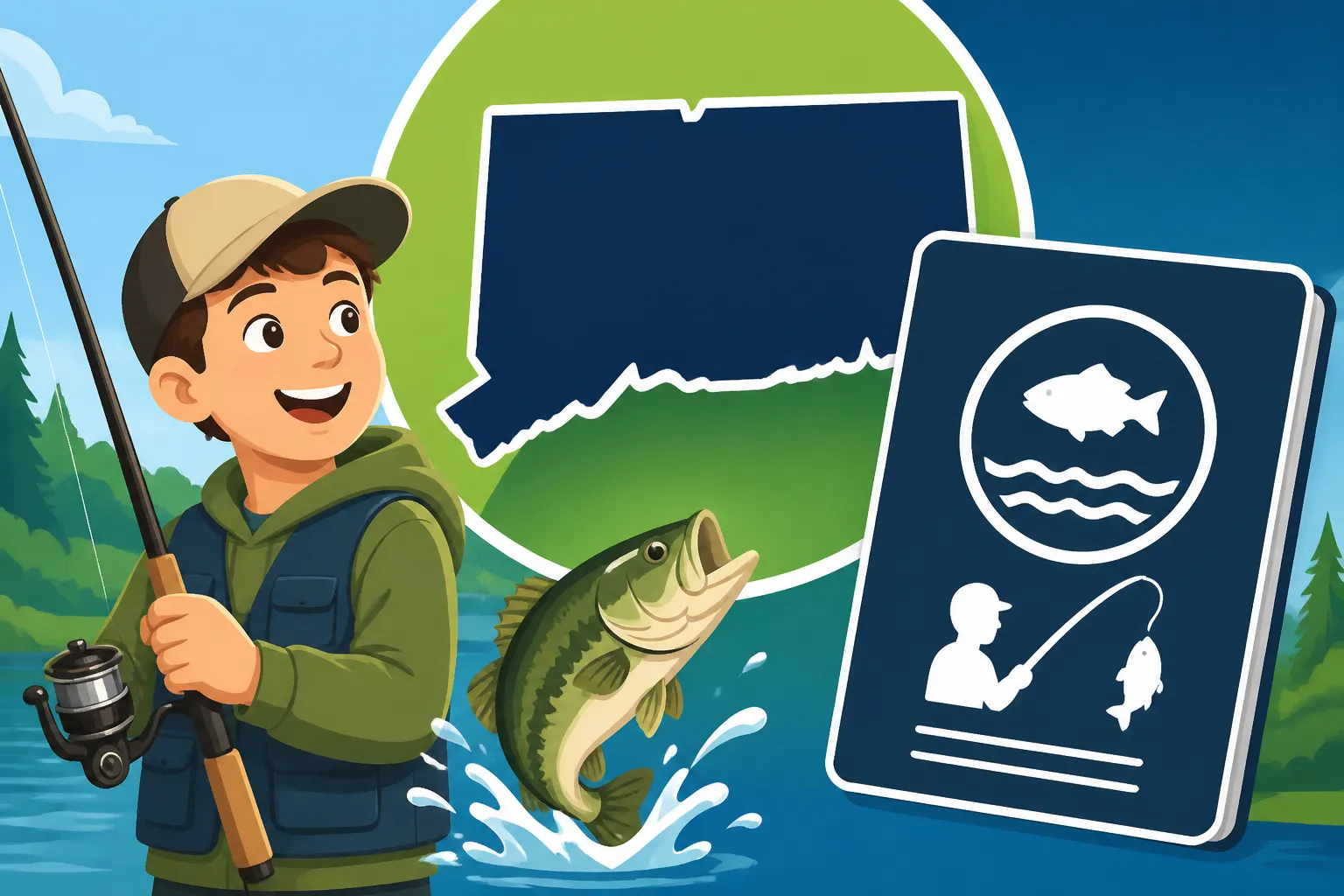
One of the most common questions I get from parents and grandparents is about the age at which kids need to start thinking about a fishing license. It's a fantastic question because Connecticut, like many states, has special provisions to make it easier for youngsters to get into the sport without jumping through all the adult hoops right away. The big takeaway here, and the first piece of information you need to know, is that the Connecticut Youth Fishing Passport is specifically designed for children aged 15 and under. This means if your child is 15 years old or younger, they are the prime candidate for this fantastic program.
What Exactly is the Youth Fishing Passport Program?
The Connecticut Youth Fishing Passport isn't just a piece of paper; it's a brilliant initiative by the Connecticut Department of Energy and Environmental Protection (DEEP) to encourage kids to explore the outdoors and develop a love for fishing. Think of it as a free, informal pass that allows young anglers to participate in fishing activities without needing a full, paid adult fishing license. This program is a cornerstone of DEEP's efforts to foster conservation and outdoor recreation among the next generation. It acknowledges that sometimes the barrier to entry, even a small fee, can deter families from getting started. By removing that financial hurdle for the youngest anglers, DEEP makes it incredibly easy for kids to pick up a rod and reel.
This passport isn't just about avoiding a fee; it often comes with additional perks. Many states use similar programs to link kids with educational resources, youth fishing events, and even discounts on beginner gear. For instance, kids participating might find themselves invited to special fishing clinics at local ponds or offered informational guides to Best beginner fishing spots in Connecticut. It’s a holistic approach to youth engagement, showing them that fishing is not just about catching fish, but also about understanding ecosystems, respecting nature, and enjoying peaceful moments by the water. The program helps demystify the initial steps into the angling world, focusing on fun and education rather than strict regulations.
Age Specifics and Exemptions for Young Anglers
Let's dive a bit deeper into the age specifics because this is where the passport truly shines. As mentioned, the Connecticut Youth Fishing Passport covers anyone aged 15 and under. This means that a child who is, say, 12 years old, can use this passport. A teenager who just turned 15 can also use it. However, the moment they hit their 16th birthday, the passport officially "expires" for them in a practical sense, and they would then be required to purchase a regular adult fishing license. It’s a straightforward cutoff that simplifies things for parents and avoids any ambiguity.
This clear age limit simplifies things immensely for families. You don't have to worry about complex calculations or different rules for different age brackets within childhood. From the time they can hold a rod up until the day they turn 16, that Youth Fishing Passport is their golden ticket. It's a generous window that allows plenty of time for kids to fall in love with fishing before they even need to consider the cost or process of obtaining a standard license. This exemption makes fishing incredibly accessible and removes one less item from a parent's long to-do list when planning a family outing to the lake or river.
It's also worth noting that this age limit applies broadly to both freshwater and saltwater fishing within Connecticut. So whether you're planning to chase trout in a crystal-clear stream or try for flounder in Long Island Sound, your 12-year-old with a Youth Fishing Passport is covered. This universal application within the state's waters further streamlines the experience, meaning you don't need to juggle different types of youth passes for different environments.
Transitioning from Passport to a Full Fishing License
While the Youth Fishing Passport is fantastic, there comes a time when every young angler has to graduate to a full fishing license. This transition is important to understand so you’re prepared when your child reaches that milestone. It’s a rite of passage for many, signifying a deeper commitment to the sport and an understanding of the responsibilities that come with it.
When a Regular Fishing License Becomes Essential
The moment a child turns 16 years old, they are no longer eligible for the Connecticut Youth Fishing Passport. At this point, they are considered an adult in the eyes of the DEEP fishing regulations and are required to purchase a valid fishing license to continue angling in Connecticut waters. This is a hard and fast rule, so mark it on your calendar! If your child turns 16 mid-year, they'll need to get their license then, not wait until the next calendar year. Many an excited angler has been caught off guard by this, so it's a detail worth remembering.
Purchasing a regular license means adhering to all the requirements that adult anglers face. This includes understanding the different types of licenses available, such as an inland fishing license for freshwater pursuits, a marine license for saltwater adventures, or an all-waters license that covers both. You can find detailed information on these options and their respective costs in our comprehensive guide on How Much Does a Connecticut Fishing License Cost. It's a step up, but it also means your young angler is now a full-fledged member of the Connecticut fishing community, taking on the same responsibilities as seasoned veterans.
Navigating the First License Purchase
Once your child is 16, the process for them to obtain a fishing license is essentially the same as it is for any adult. This typically involves visiting the Connecticut DEEP's online licensing system, a licensed vendor, or a DEEP office. You'll need to provide some basic personal information, and then choose the appropriate license type. It's also important to remember that depending on what they plan to fish for, they might need additional stamps, such as a Connecticut Trout and Salmon Stamp, Explained if they're targeting those species in designated trout waters.
The good news is that by the time they've been using a Youth Fishing Passport for years, they’ve likely developed a real passion for fishing, making this transition less of a chore and more of a natural progression. Many parents use this as an opportunity to teach their now 16-year-old about the responsibility of being a licensed angler, discussing topics like Connecticut Fishing Regulations Explained and the importance of conservation. You can find step-by-step instructions in our article, Where and How to Buy a Connecticut Fishing License, which covers all the bases for that first license purchase. And don't forget, they can learn all about Printing or Carrying a Digital Fishing License in Connecticut for convenience on the go.
The Broader Impact of Youth Fishing Programs
The Connecticut Youth Fishing Passport and similar initiatives are about more than just avoiding a license fee; they're vital tools for nurturing the next generation of outdoor enthusiasts and conservationists. There's a real method to the madness behind making fishing accessible to kids, and it pays dividends in so many ways.
Cultivating a Lifelong Love for the Outdoors
Introducing children to fishing at a young age, especially through programs like the Youth Fishing Passport, helps them forge a deep connection with nature. When kids spend time by a pond or river, patiently waiting for a bite, they’re not just learning to fish; they're learning about patience, observation, and the delicate balance of ecosystems. They start to understand why it’s important to protect these natural spaces, becoming stewards of the environment rather than just users. I've seen countless kids, eyes wide with wonder, after catching their first fish – that moment often sparks a lifelong passion.
These experiences are invaluable. They provide a break from screens and the hustle and bustle of daily life, offering a chance for quiet reflection and quality time with family. It's an opportunity to teach them about different fish species, insects, water quality, and the simple beauty of a sunrise over the water. This early exposure, facilitated by the passport, creates memories and fosters an appreciation that lasts a lifetime. It’s about building a foundation for outdoor recreation that extends far beyond fishing, encouraging them to explore hiking, camping, and other activities that connect them to the natural world.
Accessing Educational Resources and Community Events
One of the often-overlooked benefits of programs like the Youth Fishing Passport is the gateway it provides to various educational resources and community events. DEEP, along with local fishing clubs and environmental organizations, frequently host "Kids' Fishing Derbies" or "Learn to Fish" clinics. These events are often free or low-cost and specifically target youngsters, providing hands-on instruction in casting, knot tying, and identifying fish. Having a Youth Fishing Passport can sometimes be a prerequisite or offer preferred access to these programs, further enhancing a child's fishing education.
These events are a fantastic way for kids to meet other young anglers, learn from experienced mentors, and gain confidence in their skills. Imagine your child attending a clinic where they learn how to tie a clinch knot, or identifying different panfish species with a local expert. These interactions are crucial for developing their skills and interest. You can often find listings for these events on the DEEP website or through local conservation groups. These community-focused initiatives reinforce the idea that fishing is a shared passion, building camaraderie and a sense of belonging. Sometimes, gear donations are even available for these programs, making it even easier for families to get started without a hefty initial investment. If you're looking for simple, affordable gear, places like Amazon often have great starter kits that are perfect for young hands.
Acquiring and Utilizing the Connecticut Youth Fishing Passport
Getting your hands on a Connecticut Youth Fishing Passport for your child is thankfully a very simple process, designed to remove any barriers to entry. It's intentionally made easy so that families can focus on the fun of fishing.
How and Where to Get the Passport
The good news is that obtaining a Connecticut Youth Fishing Passport is free and relatively easy. There's no complex application or fee involved. You can generally acquire these passports through the Connecticut DEEP's online licensing system. When you navigate to their website, you'll find an option to obtain a youth passport. It typically requires minimal information, often just the child's name and date of birth. This online option is incredibly convenient, allowing you to get the passport from the comfort of your home.
Beyond the online platform, you might also find these passports available at some DEEP field offices or at certain local town clerks' offices, especially those that also process adult fishing licenses. While the online method is usually the most straightforward, it's always a good idea to check the DEEP website for the most current information on acquisition methods. Remember, this is about encouraging participation, so the process is designed to be as smooth as possible. Don’t hesitate to explore the Connecticut Fishing License Guide for 2026 for broader context on licensing, though the youth passport is a separate, simpler process.
Important Considerations for Using the Passport
While the Youth Fishing Passport offers fantastic freedom for young anglers, it's still crucial to remember a few things. First, even with a passport, all other statewide and local Connecticut Fishing Regulations Explained still apply. This includes daily creel limits, minimum lengths, seasonal closures, and specific gear restrictions for certain bodies of water. For example, if your child is fishing for trout, they still need to abide by the Connecticut Trout Limit and Possession Rules. The passport only exempts them from the licensing requirement, not the fishing rules themselves.
Secondly, while you might not need a physical passport if using a digital version or if it's implicitly understood for very young children, it's a good idea to have some form of identification or proof of age readily available if questioned by a conservation officer, especially for those closer to the 15-year-old cutoff. While rare, it's always better to be prepared. When fishing with your children, it's also a great opportunity to get a copy of Reading the Connecticut Fishing Guide to ensure you're both up-to-date on all the rules. It’s a valuable resource that covers everything from species-specific regulations to public access points, ensuring a safe and compliant outing for the whole family. Many families also find it useful to carry a small first-aid kit, some sunscreen (especially if you get a good, reef-safe option on Amazon!), and plenty of water, making the outing comfortable and safe.
Table: Youth Fishing Passport vs. Regular Adult Fishing License in Connecticut
| Feature | Connecticut Youth Fishing Passport (15 & Under) | Regular Adult Fishing License (16+) |
|---|---|---|
| Eligibility Age | 15 years old and under | 16 years old and older |
| Cost | Free | Varies by license type (inland, marine, all-waters), residency |
| Purpose | Encourages youth participation, removes barriers | Required by law for most anglers aged 16+ |
| Acquisition | Online DEEP portal, some DEEP offices | Online DEEP portal, DEEP offices, licensed vendors |
| Duration | Valid until 16th birthday | Typically annual, expires December 31st (or 3-day non-resident) |
| Regulations | Must still adhere to all fishing regulations | Must adhere to all fishing regulations |
| Required Stamp | No additional stamps required | Trout & Salmon Stamp or Marine Waters Registry may be required |
Disclaimer
The information provided in this guide is intended for general informational purposes only and is not a substitute for official legal advice or the official Connecticut Department of Energy and Environmental Protection (DEEP) fishing regulations. Always consult the latest official DEEP fishing guides and regulations directly to ensure compliance, as rules and laws can change. Fishing rules, including bag limits, seasons, and licensing requirements, are subject to change by the state of Connecticut.