Where brook trout still live wild in Connecticut
There's a special kind of magic that comes with catching a wild brook trout in Connecticut – a fish that has spent its entire life battling currents, hunting insects, and surviving purely on instinct, never seeing the inside of a hatchery truck. But for many anglers, finding these native gems can feel like an impossible quest, especially with so many waters heavily stocked with rainbows and browns. This guide is here to cut through the confusion and help you pinpoint the specific types of waters and regions where Connecticut's wild brook trout still thrive, giving you the best chance to connect with these truly special fish.
The Elusive Charm of Connecticut's Native Brook Trout
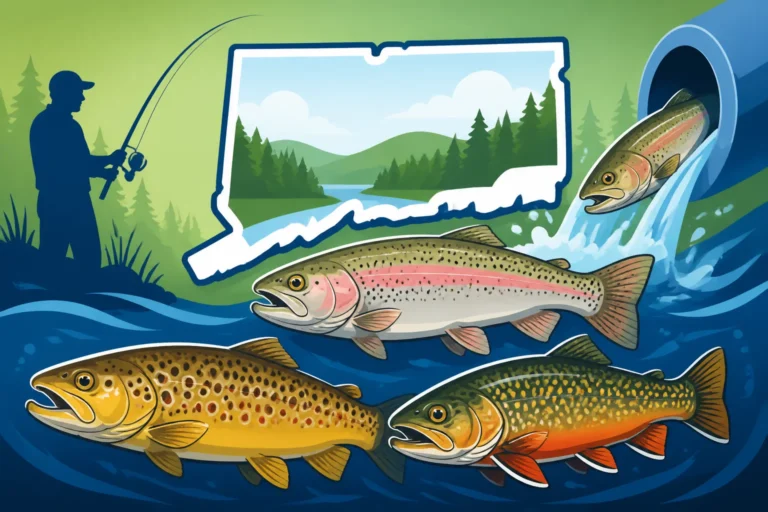
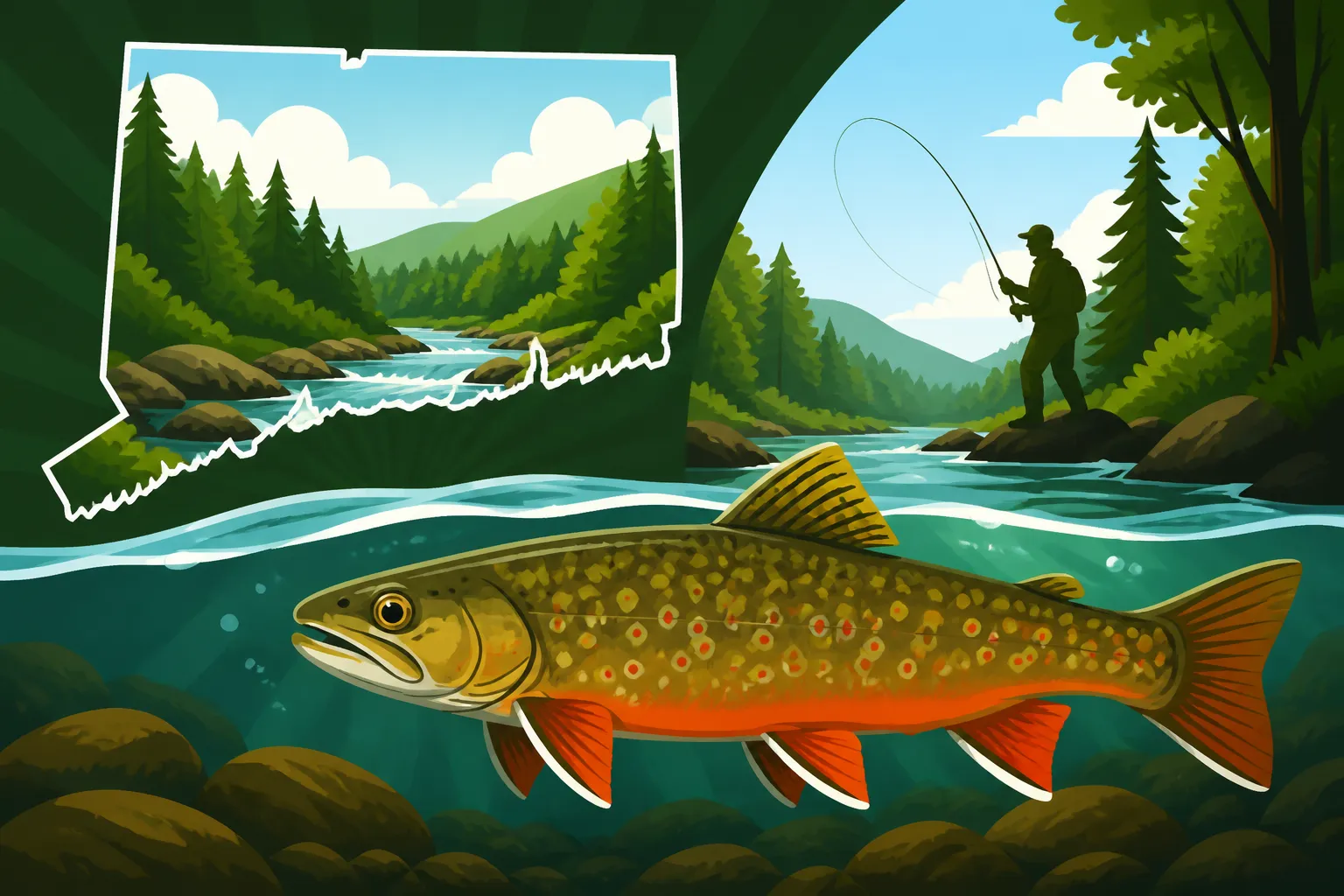
Let's be honest, for many of us, the image of a trout stream is often filled with the vivid colors of a stocked rainbow or brown. There's nothing wrong with that, of course; those fish provide fantastic opportunities. But the wild brook trout, with its intricate vermiculation patterns, vibrant red spots ringed with blue halos, and unmistakable white-edged fins, carries a unique allure. It's a connection to the raw, untamed past of our state's waterways, a living testament to clean, cold, and pristine conditions.
Why Wild Brook Trout are Special
Catching a wild brook trout isn't just about the size of the fish; it's about the experience and the significance of the catch. These fish are more than just a species; they're an indicator of environmental health. Where you find wild brook trout, you almost always find a healthy, undisturbed ecosystem. They are incredibly sensitive to changes in water temperature, pollution, and habitat disruption. Their presence signals a stream that's likely spring-fed, shaded by a dense canopy, and free from significant human impact. It's a privilege to find these fish, and it underscores the importance of being a responsible steward of these precious resources. Unlike their hatchery-raised cousins, wild brook trout are survivors, exhibiting a wariness and intelligence that makes them a true challenge and a profound reward for any angler. Understanding Brook Trout: Connecticut's Native Trout is the first step to appreciating these magnificent fish.
Distinguishing Wild from Stocked Brook Trout
One of the biggest frustrations for anglers new to the wild brook trout pursuit is knowing if what they caught is truly wild or just a holdover stocked fish. There are some tell-tale signs. Wild brook trout typically have brighter, more intense coloration. Their fins, especially the pectoral and pelvic fins, will be perfectly formed and sharply defined, without any of the erosion or "fin rot" often seen on fish raised in crowded hatchery conditions. Their bodies tend to be more streamlined and athletic, built for navigating fast currents rather than waiting for pellets. Stocked fish, even those that have been in the stream for a while, often retain a duller, more uniform appearance and may show signs of wear on their fins. While both are beautiful, the subtle differences can be quite striking once you know what to look for. Check out a Trout Species Identification Guide for Connecticut to sharpen your skills.
Decoding the Habitat: Where to Look for Native Brookies
If you want to find wild brook trout, you need to think like a wild brook trout. Forget the wide, easily accessible rivers where the stocking trucks pull up. These fish are secretive, demanding very specific conditions to thrive.
The Importance of Cold, Clean Water
The absolute paramount factor for wild brook trout survival is cold water. And I mean cold. These fish need water temperatures that rarely exceed 68°F (20°C) and ideally stay much cooler, especially during the summer months. This is why you'll often find them in spring-fed streams, high-elevation headwaters, or brooks fed by groundwater seeps that maintain a consistent, chilly flow. Any significant rise in temperature or reduction in dissolved oxygen can be fatal. This also means the water needs to be impeccably clean, free from sediment runoff, agricultural chemicals, and other pollutants. Their gills are delicate, and pristine water quality is non-negotiable for their long-term health. Knowing What water temperature trout need to survive is crucial for identifying viable brook trout habitat.
Small, Unsung Streams and Tributaries
This is where the real "secret" lies: wild brook trout rarely inhabit the larger, more popular trout rivers you might already know. Instead, they seek refuge in the countless small, often unnamed tributaries, feeder streams, and headwater rivulets that crisscross Connecticut's landscape. These waters are typically narrow, heavily shaded by mature forest canopies that keep the sun's rays at bay, and often feature an abundance of woody debris, undercut banks, and rocky pockets that provide vital cover and feeding lies. Access to these streams can be difficult – often requiring bushwhacking, navigating dense vegetation, and a willingness to explore off the beaten path. These aren't places you can easily drive up to; you might need proper hiking boots and a good map, maybe even a waterproof one you picked up from Amazon. The more remote and challenging the access, the higher the likelihood of finding undisturbed wild brook trout populations.
Key Regions and Types of Waters to Explore
While wild brook trout can theoretically be found anywhere in Connecticut where suitable habitat exists, certain regions and land management types offer a higher probability of success.
Litchfield Hills and Eastern Highlands
If you're serious about finding wild brookies, your best bets are often the more rugged, forested regions of Connecticut. The Litchfield Hills in the northwest and the Eastern Highlands in the northeast are prime candidates. These areas feature higher elevations, more pronounced topography, and a greater density of unfragmented forest cover, which is critical for maintaining stable stream temperatures and water quality.
- Litchfield Hills: Think of places like the hills around Mohawk Mountain State Park or Macedonia Brook State Park. Here, numerous small feeder streams tumble down steep slopes, often with cold, clear flows even in the summer. These streams might be barely a few feet wide in places, but they harbor incredible little pockets of wild brook trout. They require a patient approach, often involving a lot of walking, stealth, and a keen eye for subtle changes in current and structure. You might find yourself casting a short fly rod or even just a simple spinning rod with a tiny spinner into tight pockets.
- Eastern Highlands: Similarly, the Eastern Highlands, with its state forests like Pachaug State Forest or Nipmuck State Forest, offers similar opportunities. Here, the landscape is dotted with dense woodlands and numerous small drainages. The key is to look for areas with minimal development upstream, where the forest acts as a natural filter and temperature regulator. These often involve hiking into less-traveled areas, embracing the quiet solitude, and perhaps using a lightweight fly rod or ultralight spinning gear you ordered online from Amazon.
These regions are where you'll find the highest concentration of what the state refers to as "Tier 1" or "Tier 2" wild trout waters – streams that support documented wild brook trout populations. Many of these streams are not stocked, or if they are, it's typically a separate program from the wild trout management. You might even find yourself in Connecticut Catch and Release Fly Fishing Only Waters in some of these pristine areas.
State Forests and Wildlife Management Areas
One of the most reliable strategies for locating wild brook trout is to focus your efforts within state forests, state parks, and wildlife management areas. These public lands offer several advantages:
- Protection: These areas are generally protected from widespread development, which means the streams within them are less likely to suffer from pollution, habitat destruction, or excessive runoff. The forest cover is preserved, ensuring crucial shade and leaf litter input for the stream ecosystem.
- Limited Access: While some areas have designated trails, many wild brook trout streams within these lands are deliberately kept less accessible to preserve their wild character. This natural barrier protects the fish from overfishing pressure. It means you might need to consult detailed topographical maps – perhaps even some digital versions on your phone, though a good paper map from Amazon is always a smart backup – and be prepared for some serious hiking.
- Conservation Focus: The Connecticut DEEP manages many of these areas with conservation goals in mind, which directly benefits native fish populations. They actively monitor water quality and fish populations, and their habitat restoration projects are specifically aimed at supporting species like the brook trout. While the specific names of these small streams are rarely publicized to protect them, focusing your search on the headwaters and smaller tributaries within these large public land tracts is a fantastic starting point.
Remember, finding these wild fish isn't about volume; it's about the quality of the experience. A single, brilliantly colored wild brook trout caught from a tiny, hidden stream is often more memorable than a dozen hatchery fish from a crowded river.
Ethical Angling and Conservation for Wild Brook Trout
Once you've found a promising wild brook trout stream, your role shifts from hunter to protector. These fish are precious, and their populations are often fragile.
Catch and Release for Future Generations
This cannot be stressed enough: all wild brook trout should be released. Their numbers are limited, and every fish is vital for the health and genetic diversity of the population. Practicing careful catch and release ensures that these fish can spawn and contribute to future generations.
- Barbless Hooks: Crimp down the barbs on your hooks. Barbless hooks greatly reduce tissue damage and make hook removal much easier and quicker.
- Minimal Handling: Keep the fish in the water as much as possible. If you must handle it for a quick photo, wet your hands first, support the fish gently, and minimize its time out of the water. Avoid squeezing the fish, especially around its belly and gills.
- Appropriate Gear: Use light tackle that allows for a quick fight, reducing stress on the fish. Small, single hooks are generally preferred over larger, treble hooks. Many fly anglers pursuing wild brook trout opt for short, delicate rods, which can be easily found on Amazon.
- Observe and Appreciate: Take a moment to truly appreciate the beauty of a wild brook trout before it swims away. Notice its unique patterns, its vibrant colors, and then let it go gently, watching it dart back into the depths. This mindfulness is part of the deep satisfaction of wild trout fishing.
For more on sustainable angling, understanding Connecticut Trout Limit and Possession Rules is important, even if you plan to release all wild fish.
Supporting Conservation Efforts
The continued existence of wild brook trout in Connecticut relies heavily on ongoing conservation efforts. As anglers, we have a vital role to play:
- Report Pollution: If you notice any signs of pollution, unusual discharges, or habitat destruction in a stream, report it immediately to the Connecticut Department of Energy and Environmental Protection (DEEP). They rely on observant citizens to help protect our waterways.
- Join Conservation Groups: Organizations like Trout Unlimited (TU) are actively involved in stream restoration projects, advocating for protective policies, and educating the public about wild trout conservation. Becoming a member or volunteering your time is a direct way to contribute. Many local chapters organize work parties to clean up streams, plant trees for shade, or restore stream banks, all of which benefit wild brook trout.
- Educate Others: Share your knowledge about the importance of wild brook trout and responsible angling practices with fellow anglers, friends, and family. The more people who understand and care about these fish, the better their chances of survival.
- Respect Private Property: Many of these small streams flow through private land. Always know where you are and respect posted signs. Gaining permission from landowners is not only courteous but essential for maintaining good angler-landowner relationships and ensuring future access.
- Be a Clean Angler: Pack out everything you pack in, and perhaps even pick up any litter you find. Leave no trace of your presence, ensuring these wild places remain pristine for future generations and the fish that call them home.
Finding and fishing for wild brook trout in Connecticut is a journey of exploration, patience, and deep appreciation for nature. It's a reminder of the wildness that still exists in our backyard, if only we're willing to seek it out responsibly. Happy fishing, and tight lines!
Disclaimer
This article is for general informational purposes only and does not constitute professional advice. Laws, prices and regulations vary by location and change over time. Consult a qualified professional for guidance on your specific situation.