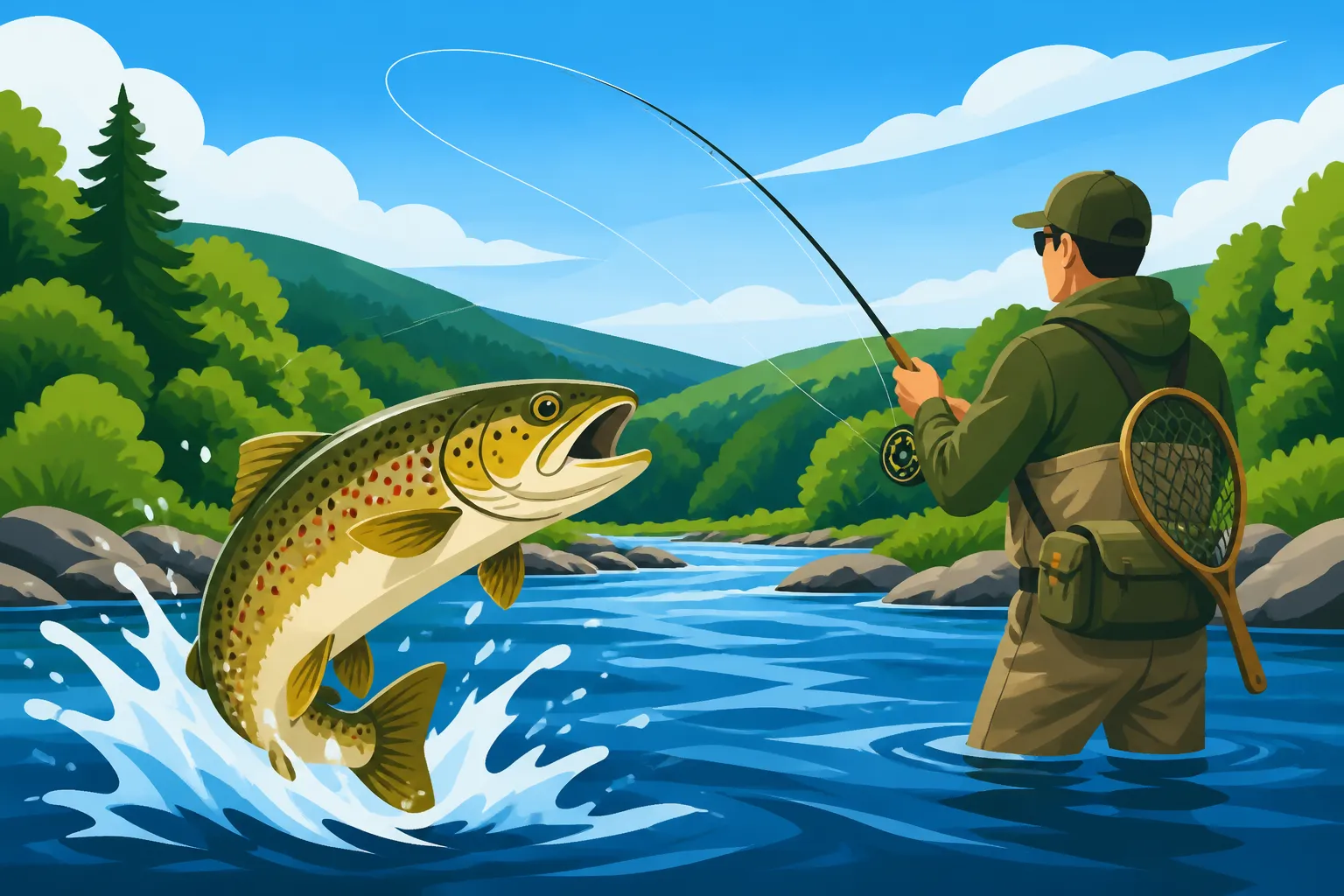
Willimantic River Fishing Guide
The Willimantic River, often overshadowed by its more famous neighbors like the Farmington or Housatonic, can feel like a bit of a mystery to anglers searching for reliable information. Many people assume smaller rivers don't hold much promise, or they struggle to find concrete details on access and what to expect. This comprehensive guide is designed to demystify the Willimantic, offering local insights into its diverse fishing opportunities, from its refreshing trout waters to its lively smallmouth bass and panfish sections, ensuring you're ready for a rewarding day on the water.
Understanding the Willimantic River: A Unique Connecticut Gem
The Willimantic River is more than just a ribbon of water; it’s a living ecosystem with distinct characteristics that shape its fishing opportunities. Knowing the lay of the land, or rather, the flow of the water, is crucial for any angler hoping to find success here. This river boasts a unique charm, winding through picturesque landscapes and offering a different experience than the larger, more heavily trafficked waterways in the state.
River Character and Geography
Originating in the town of Stafford, the Willimantic River flows approximately 25 miles south through Willington, Mansfield, and Windham, eventually joining the Shetucket River in the heart of Willimantic. Its journey is marked by significant changes in character. In its upper reaches, particularly through Stafford and Willington, the river is often narrower and faster-flowing, characterized by a rocky and gravelly bottom. Here, you’ll find classic riffle-and-pool trout habitat, with plenty of boulders creating current breaks and small pockets where fish can hide and ambush prey. Wading these sections can be challenging in spots due to uneven footing and swift currents, but it often rewards the adventurous angler with some solitude.
As the river progresses downstream into Mansfield and Windham, it gradually widens and deepens in many areas, particularly below the Mansfield Hollow Dam (though the dam is on the Fenton River, a major tributary that significantly contributes to the Willimantic's flow). The bottom transitions to a mix of gravel, sand, and some silty areas, especially in slower pools and bends. This mid-section offers a blend of trout and warmwater species habitat, with more extensive runs and deeper holes. Bank access becomes a little easier in places, and while wading is still common, you'll also find spots suitable for float tubes or small kayaks. The river's path is often lined with dense riparian vegetation, providing excellent cover and contributing to the insect life that sustains its fish populations.
Finally, as it approaches its confluence with the Shetucket River in the urban landscape of Willimantic, the river becomes even wider and generally slower. Here, you're more likely to encounter larger, deeper pools and sections influenced by the backwater of the Shetucket. While still capable of holding trout, especially after stockings, this lower stretch tends to favor warmwater species, particularly smallmouth bass and panfish. The river's geography, from its fast-flowing headwaters to its meandering lower sections, truly dictates where different fish species thrive and how best to approach them.
Water Quality and Habitat
The health of any river system is directly tied to its water quality and the diversity of its habitat, and the Willimantic River is no exception. Throughout much of its length, particularly upstream, the water quality is generally good, supporting a healthy aquatic insect population crucial for trout. The combination of springs, cold water releases from deeper sections of reservoirs like Mansfield Hollow (via the Fenton River), and forested riparian zones helps maintain suitable water temperatures for trout, especially in the spring and fall, and into the early summer in some areas.
Habitat diversity is a major strong point for the Willimantic. Anglers will find a mix of fast-moving riffles that oxygenate the water and provide feeding lanes, deep pools that offer refuge and holding areas, and slower runs that can hold a variety of species. Submerged structure, such as large rocks, fallen trees, and undercut banks, is plentiful, providing crucial cover for fish from predators and strong currents. These structural elements are vital for fish, acting as ambush points for bass and offering security for trout. The dense vegetation along the banks also contributes to the habitat by stabilizing banks, providing shade, and dropping insects into the water.
However, like any river near developed areas, the Willimantic does face challenges. Runoff from roads and agricultural areas can impact water clarity and quality, especially after heavy rains. The river's health is constantly monitored by organizations like the Connecticut Department of Energy and Environmental Protection (DEEP) and local watershed groups who work to preserve and improve its conditions. Understanding these habitat features and water conditions helps anglers predict where fish will be holding and what techniques might be most effective.
Prime Fish Species of the Willimantic River
The Willimantic River might not have the storied reputation of some of Connecticut's "trophy" waters, but it offers a genuinely diverse and exciting fishery. Depending on where you are on the river and the time of year, you can target a variety of species, making it a versatile destination for different angling preferences.
Trout: A Focus for Anglers
For many anglers in Connecticut, the Willimantic River is synonymous with trout fishing. The Connecticut DEEP actively stocks the river with thousands of trout each year, primarily Rainbow Trout and Brown Trout, with some Brook Trout also being released. These stockings occur primarily in the spring, starting around opening day, and again in the fall when water temperatures cool down. The goal is to provide ample opportunity for anglers to catch these popular game fish. You can easily keep track of specific stocking events by checking the Connecticut Interactive Trout Stocking Map, Explained on the DEEP website, which shows recent stocking locations and dates.
Newly stocked trout tend to spread out quickly but often hold in slower pools, eddies, and behind significant current breaks, adjusting to their new environment. As the season progresses, many of these stocked fish become "holdovers," adapting to the river's natural food sources and exhibiting more wild behaviors. Some sections of the Willimantic, particularly in its colder, higher-elevation tributaries, may even support limited natural reproduction of brook trout, Connecticut’s native trout species, though these populations are more sensitive and require careful angling. The challenge and reward of catching a wary holdover trout on the Willimantic is a true delight for seasoned anglers. Keep in mind the specific Connecticut Trout Limit and Possession Rules when planning your outing.
Smallmouth Bass and Panfish
While trout often get the spotlight, the Willimantic River also offers excellent opportunities for warmwater species, particularly smallmouth bass and various panfish. Smallmouth bass thrive in the mid to lower sections of the river where the current is still noticeable, but the river is wider and offers more structure like submerged rocks, ledges, and fallen trees. They prefer clean, oxygenated water and will often be found ambushing prey from current breaks. During the warmer months, targeting smallmouth with lures that mimic baitfish or crawfish can be incredibly productive. They are known for their feisty fights, making them a thrilling catch on light tackle.
Panfish, including various sunfish (like bluegill and pumpkinseed) and yellow perch, are abundant throughout much of the Willimantic, especially in the slower-moving pools and backwater areas. These species are fantastic targets for beginner anglers and families, offering consistent action and a great way to introduce kids to fishing. They can be caught on a wide array of simple baits like worms or small pieces of corn, fished under a bobber. You'll often find them congregating around weeds, submerged branches, and other cover, making these areas prime spots for easy and enjoyable catches.
Other Notable Species
Beyond trout, smallmouth, and panfish, the Willimantic River hosts a few other interesting species that anglers might encounter. Chain pickerel, known for their aggressive strikes and sharp teeth, are present in some of the slower, weedy sections of the river, often sharing habitat with panfish. They can provide an exciting surprise catch, especially on spinnerbaits or live minnows. Fallfish, a native minnow species that can grow surprisingly large, are also common throughout the river, often mistaken for trout by less experienced anglers. While not typically targeted for sport, they are an indicator of a healthy ecosystem.
In the very lowest stretches, near the confluence with the Shetucket River, there's a slight possibility of encountering migratory fish like American shad during their spring runs, though the Shetucket and Connecticut Rivers are much more famous for this spectacle. Overall, the Willimantic’s diverse fish population ensures that no matter your preference or skill level, there’s something exciting to pursue. If you’re ever planning a broader fishing trip in Connecticut and looking for guided experiences on other rivers or saltwater, checking out resources like FishingBooker can help you find local experts who know the best spots for these varied species.
Best Fishing Spots and Access Points on the Willimantic River
Knowing where to drop a line is half the battle on any river, and the Willimantic offers a range of access points and distinct sections, each with its own character and opportunities. From secluded upstream stretches to more accessible mid-river parks, there’s a spot for every angler.
Upstream Sections: Stafford and Willington
The headwaters and upper stretches of the Willimantic River, as it flows through Stafford and Willington, are often characterized by their narrower channels, faster currents, and more pronounced riffle-and-pool formations. These areas are typically more heavily wooded, offering a sense of wilderness and solitude that can be a real treat. Access here is often via roadside pull-offs or through state forest lands, requiring a bit more effort to navigate the terrain.
For example, sections running through the Nipmuck State Forest in Union and Stafford offer opportunities to fish pristine-looking water. You might find access near bridges on secondary roads or by hiking along established trails that parallel the river. These upstream areas are prime for wade fishing, especially for anglers targeting trout. The fast, oxygenated water and abundant insect life make it ideal trout habitat. Small, accurate casts with dry flies, nymphs, or inline spinners are often most effective here. Be prepared for potentially slippery rocks and uneven footing if wading these more challenging sections. While perhaps not widely advertised on platforms like FishingBooker, these self-guided adventures offer a pure angling experience.
Mid-River Stretches: Mansfield and Windham
As the Willimantic River moves into the towns of Mansfield and Windham, it generally widens and deepens, offering a mix of swift runs, deeper pools, and areas with more accessible banks. This mid-section benefits from significant contributions from tributaries, notably the Fenton River, which flows out of Mansfield Hollow Lake. While Mansfield Hollow State Park is primarily a lake fishery, the river sections immediately downstream of the Fenton River's contribution to the Willimantic offer excellent opportunities.
One popular and accessible spot is the Willimantic River Park in Windham. This park provides easier access to the river with established trails and parking, making it a great option for families or those who prefer bank fishing. Here, you'll find a combination of trout (especially after stockings) and a good population of smallmouth bass and panfish. The river in this area has more open stretches, allowing for longer casts with spinning gear or more comfortable fly casting. Other access points can be found near various bridges crossing the river in Mansfield and Windham, such as those along Route 32. These mid-river sections often provide a blend of productive fishing and convenience.
Downstream Confluence: Willimantic Area
The lowest reaches of the Willimantic River, particularly as it flows directly through the town of Willimantic and approaches its confluence with the Shetucket River, take on a slightly different character. Here, the river is at its widest and slowest in many sections, featuring deeper pools and more gradual currents. While trout stockings still occur in these areas, especially near public parks, the dominant fishery shifts more towards warmwater species, particularly smallmouth bass, largemouth bass, and various panfish.
Public access points in the town of Willimantic itself, such as those near Main Street or other municipal parks, can provide easy access to these lower river sections. Anglers might find success targeting smallmouth bass around bridge pilings, downed trees, and deeper rock formations. Worms, jigs, and slow-moving crankbaits can be highly effective here. The slower currents also make it an ideal area for fishing with kids, as bobber fishing for sunfish and perch can yield consistent action. This section is also interesting because it eventually flows into the Shetucket River, which itself offers great fishing. Knowing the Shetucket River Fishing Spots can extend your angling adventure further downstream. While the river itself might not have dedicated charter services, considering the broader region, you might find guides listed on sites like FishingBooker who cover the larger Connecticut or Shetucket rivers and could offer insight into this lower stretch.
| River Section | Primary Species | Key Characteristics | Recommended Techniques | Access Type |
|---|---|---|---|---|
| Upper (Stafford) | Trout (Brook, Brown) | Narrow, fast, rocky bottom, secluded | Fly Fishing (Nymphs, Drys), Spin (Small Spinners) | Wade, Bank (limited) |
| Mid (Mansfield) | Trout, Smallmouth Bass | Wider, mixed current, varied structure | Fly Fishing (Streamers, Nymphs), Spin (Crankbaits, Jigs, Bait) | Wade, Bank (easier) |
| Lower (Willimantic) | Smallmouth Bass, Panfish, Trout | Widest, slower, deeper pools, more urban | Spin (Worms, Jigs, Crankbaits), Fly (Streamers) | Bank (easy), Kayak/Canoe |
Effective Techniques and Tackle for the Willimantic River
Fishing the Willimantic River successfully means adapting your techniques and tackle to the specific section you're fishing and the species you're targeting. Whether you prefer the finesse of fly fishing or the versatility of spinning gear, there are effective strategies for every angler.
Fly Fishing Strategies
The Willimantic River is a fantastic fly fishing destination, particularly for trout in its upper and mid-sections. A 4- to 5-weight fly rod is generally ideal, offering enough backbone to handle a good-sized trout while still providing delicate presentation. When the water is cooler, especially in spring and fall, nymphs are often the most productive. Patterns like Hare's Ear, Pheasant Tail, Prince Nymph, and Caddis Larva imitations in sizes 12-18 will fool plenty of fish. Focus on drifting these through riffles into pools, or along current seams and behind structure. Streamers, such as Woolly Buggers (black, olive, white) or small baitfish imitations, are excellent for probing deeper pools and enticing more aggressive trout or even smallmouth bass.
During warmer months, or when insect hatches occur, dry fly fishing can be incredibly rewarding. Keep an eye out for caddis, mayfly, and stonefly hatches. Matching the hatch with patterns like Elk Hair Caddis, Adams, or various parachute patterns can lead to explosive surface strikes. Presentation is key; a gentle cast that allows the fly to drift naturally without drag is often what makes the difference. Many of the techniques discussed in a general guide like Fly Fishing for Trout in Connecticut will be highly applicable here. You'll want to be mindful of overhead obstructions due to the dense canopy in many areas, often requiring roll casts or short, accurate presentations.
Spin Fishing Tactics
For those who prefer spin fishing, the Willimantic River offers ample opportunities with a wide range of lures and baits. A light to medium-light spinning rod (6-7 feet) paired with a reel spooled with 6-8 pound test monofilament or braided line is a versatile setup. For trout, classic inline spinners like Mepps, Panther Martin, or Rooster Tail in sizes #0-#2 are perennial favorites. Cast them upstream or up-and-across, and retrieve just fast enough to get the blade spinning, letting the current do some of the work. Small spoons, like Kastmasters or Little Cleos, can also be effective, especially in deeper pools.
Natural baits are incredibly popular and effective, particularly for newly stocked trout and panfish. Worms (earthworms, nightcrawlers), corn kernels, and commercially prepared dough baits like PowerBait are all proven fish catchers. Rig these on a small hook (size 8-12) with a split shot or two a foot or so above the hook, and drift them naturally through pools and runs. For smallmouth bass, small crankbaits, soft plastic jigs (tubes, grubs, creature baits) fished on a jig head, or even weightless worms, can be very productive around rocky structure and current breaks. Remember to understand the Connecticut Fishing Regulations Explained before you head out, especially regarding bait restrictions in certain areas.
Wading and Bank Fishing Considerations
Much of the Willimantic River is best accessed by wading or bank fishing. Wading allows anglers to reach prime casting positions and cover more water, but safety should always be the top priority. Good quality wading boots with felt or studded soles are essential for navigating the often slippery, rocky bottom. A wading staff can provide extra stability, especially in swift currents or when crossing deeper sections. Always test the depth and current with your staff before committing. In cooler months, breathable waders are a must.
When bank fishing, look for areas with clear casting lanes and good access to deeper water or current seams. Stealth is important, as fish, especially trout and wary smallmouth, can be spooked by heavy footsteps or sudden movements on the bank. Approach the river slowly, keeping a low profile, and make your first casts to the water closest to you before extending your range. Remember that some sections of the river may have private property along the banks, so always be respectful and ensure you are on public land or have permission. Consulting resources like the official Reading the Connecticut Fishing Guide can help you identify public access points and specific regulations for different stretches of the river.
Seasonal Fishing on the Willimantic River
The Willimantic River offers distinct angling experiences throughout the year, with each season presenting its own unique opportunities and challenges. Understanding these seasonal shifts is key to maximizing your success on the water.
Spring Frenzy: Opening Day and Beyond
Spring is undoubtedly the most popular time to fish the Willimantic River, largely due to the extensive trout stocking program. The excitement builds towards Opening Day, which is typically in April. This period sees a massive influx of hungry trout into the river, making for some incredibly active fishing. Anglers line the banks, eager to catch their limit. The Connecticut Spring Fishing Day and Opening Day Rules are crucial to review, as there are specific regulations that govern this period, including potential closures for stocking.
In the weeks following stocking, trout are often eager to bite on a variety of offerings. Spinners, worms, corn, and PowerBait are all highly effective for newly stocked fish. Fly anglers will find success with attractor nymphs and small streamers. As the spring progresses, and water temperatures gradually rise, the fishing remains strong. Early spring can also see the first significant insect hatches, offering fly anglers opportunities for dry fly action. However, spring also brings potential for higher water flows due to snowmelt and rain, so always check river levels before heading out to ensure safe wading conditions. This is the prime time to capitalize on the abundant trout resources.
Summer Challenges and Opportunities
As summer fully sets in, the Willimantic River undergoes a transformation. Water temperatures generally rise, which can stress trout in many sections. During the heat of July and August, trout will seek out cooler pockets of water, such as spring seeps, areas with heavy shade, or deeper pools with good oxygenation. Anglers targeting trout during these months should focus on early mornings or late evenings when temperatures are cooler, and consider releasing trout quickly to minimize stress. Some of the upstream, colder tributaries might offer better trout fishing in summer.
However, summer is prime time for the Willimantic’s warmwater species. Smallmouth bass become incredibly active, aggressively feeding on baitfish and insects. Target them with topwater lures in low light conditions, or subsurface crankbaits, jigs, and soft plastics around rocky structure and current breaks during the day. Panfish are also abundant and eager to bite in the warmer months, making summer an ideal time for family outings and casual fishing with simple baits like worms under a bobber. While trout fishing can be challenging, the lively smallmouth and panfish action provides plenty of reasons to keep fishing the Willimantic through the summer. If you're looking for more general trout advice, a guide like Connecticut Trout Season and Stocking Rules can provide broader context for managing summer trout.
Fall Revival: Trout and Cooler Waters
Fall brings a refreshing change to the Willimantic River. As air and water temperatures begin to drop, the river undergoes a revival, particularly for trout. The Connecticut DEEP often conducts a second round of trout stockings in the fall, replenishing the river with fresh fish. These cooler temperatures invigorate both newly stocked and holdover trout, making them more active and willing to feed. Fly anglers will find excellent nymphing conditions, and streamer fishing can be particularly productive as trout become more aggressive in preparation for winter.
The stunning fall foliage along the riverbanks adds an aesthetic appeal that makes autumn fishing a truly memorable experience. Smallmouth bass also remain active well into the fall, often congregating in deeper holes as water temperatures continue to drop. They can be caught on jigs and slower-moving lures. This season offers a fantastic blend of active trout fishing, beautiful scenery, and a calmer atmosphere compared to the spring rush. It’s a wonderful time to explore the Willimantic River, and with fewer crowds, you might just find your new favorite fishing hole. For those considering casting their net wider for other types of fishing, FishingBooker can connect you with guides for a variety of fall fishing adventures across the state.
Disclaimer
Fishing conditions and regulations in Connecticut can change. Always consult the official Connecticut Department of Energy and Environmental Protection (DEEP) website or the current Connecticut Angler's Guide for the most up-to-date rules, regulations, and advisories before heading out on the water. Be aware of private property boundaries and respect the natural environment.