Best fishing spots in Fairfield County
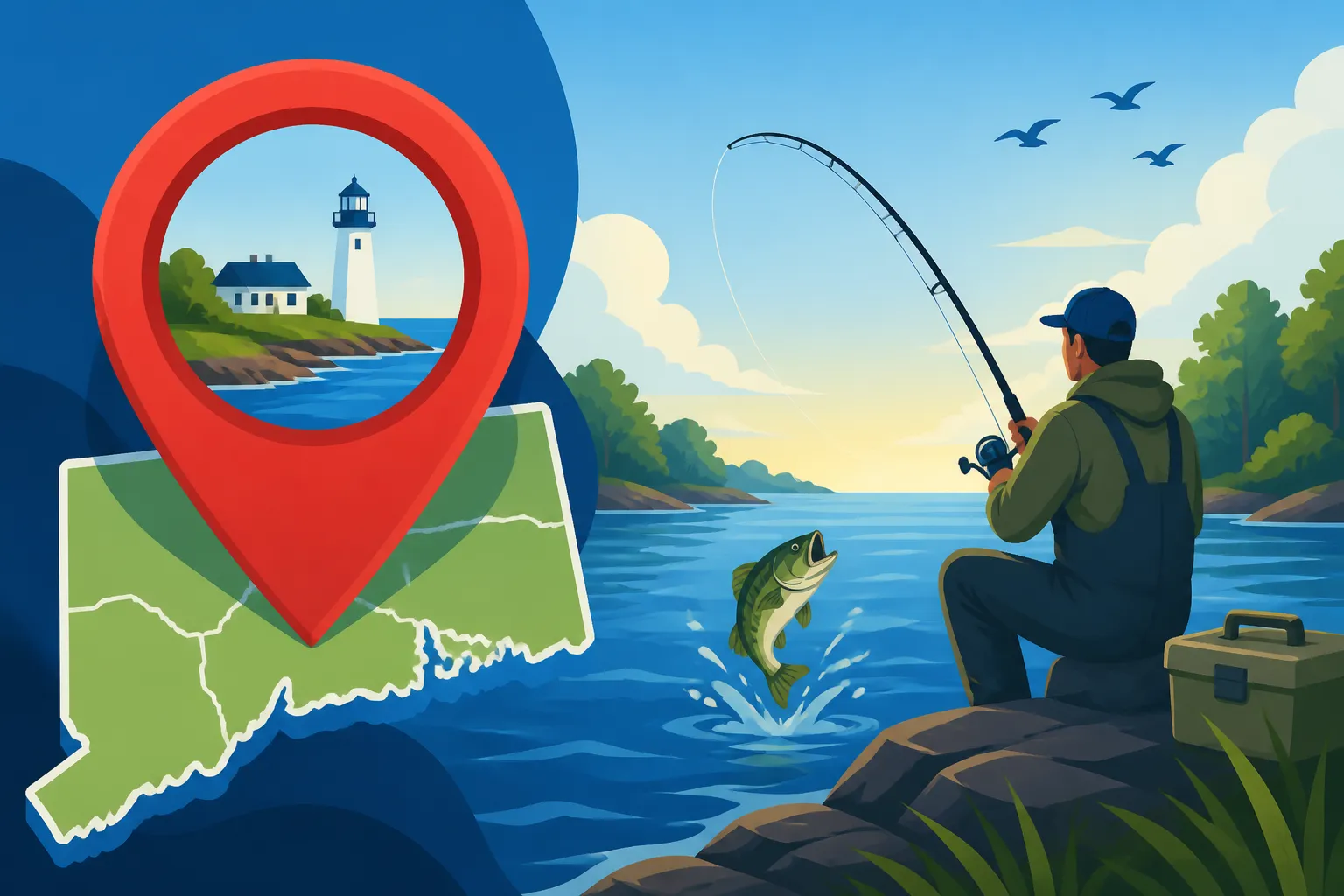
Finding that perfect fishing spot can sometimes feel like hunting for buried treasure, especially in a bustling area like Fairfield County, Connecticut, where prime locations might seem hidden amidst the urban sprawl and private lands. It's frustrating when you just want to wet a line but aren't sure where to go for a good catch. This comprehensive guide is designed to cut through that confusion, offering you a detailed look at the best fishing spots across Fairfield County, ensuring your next angling adventure is successful and stress-free, whether you're targeting freshwater giants or saltwater trophies.
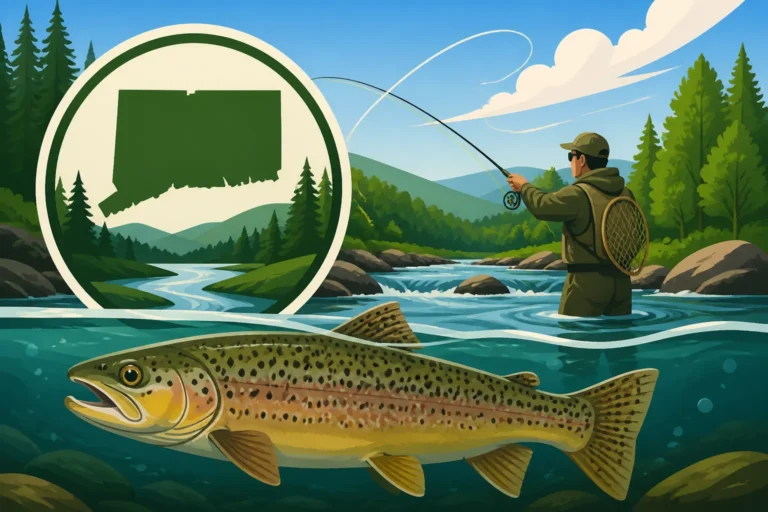
Freshwater Gems Across Fairfield County
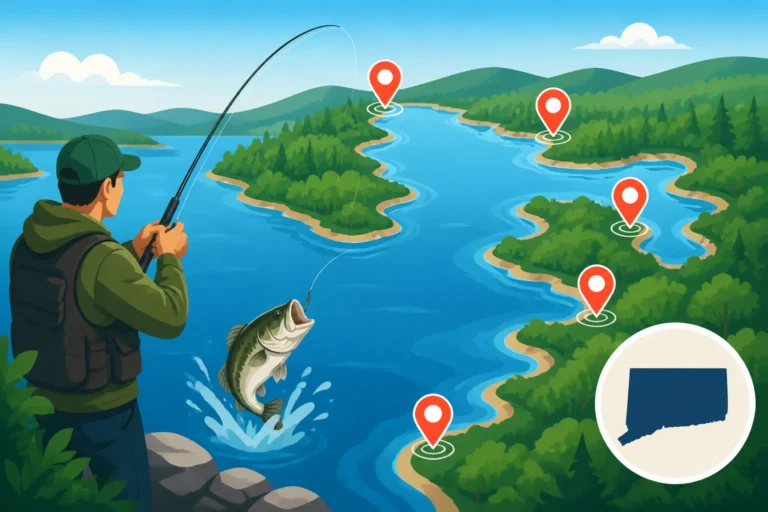
Fairfield County, despite its developed nature, holds some incredible freshwater fishing opportunities that often surprise even seasoned anglers. From expansive lakes to tranquil ponds, there's a diverse range of habitats supporting healthy fish populations.
Lake Zoar and Lake Lillinonah: Big Water Opportunities
These two impoundments on the Housatonic River system are truly special, offering some of the best fishing in the state. They share many characteristics but each has its unique charm and target species.
Lake Zoar is a massive 975-acre impoundment that spans parts of Newtown, Monroe, Southbury, and Oxford. It's renowned for its fantastic smallmouth bass fishing, especially during the spring and fall. The lake's rocky points, submerged timber, and deep channels provide excellent structure. You'll often find smallmouth congregating around these features, particularly if there's current from the Housatonic flowing through. Anglers here use everything from drop shot rigs with finesse worms to crankbaits and spinnerbaits. Beyond smallmouth, Lake Zoar also boasts a healthy population of largemouth bass, particularly in the shallower, weedy coves. And for those looking for something a bit different, Lake Zoar is one of the few places in Connecticut where you can consistently target walleye. They tend to hang in deeper, cooler water, often near the old river channel, and can be caught jigging spoons or trolling deep-diving crankbaits. Access is relatively easy with several public boat launches, including one off Great Quarter Road in Newtown and another at the Indian Well State Park in Shelton. Knowing the nuances of these larger bodies of water, like where the current pushes baitfish, can make all the difference. If you're new to the area, considering a local guide through platforms like FishingBooker can give you a significant edge, helping you quickly locate productive areas.
Just upstream from Lake Zoar, you'll find Lake Lillinonah, another expansive body of water covering 1,900 acres across Newtown, Bridgewater, Brookfield, and Southbury. Lake Lillinonah is a true bass factory. Both largemouth and smallmouth thrive here, reaching impressive sizes. The lake features extensive weed beds, rocky shorelines, and plenty of submerged structure due to its riverine nature. Early morning topwater action for largemouth in the shallow coves can be explosive, while smallmouth will readily hit jigs and swimbaits fished along the rocky drop-offs. Pike are also present, especially in the larger, weedy bays, offering a thrilling fight for anglers using larger spoons or live bait. During the cooler months, crappie fishing can be phenomenal around brush piles and deeper structures. The state boat launch off Hanover Road in Newtown offers excellent access. Just like Zoar, the size of Lillinonah can be daunting, but spending time exploring different areas will pay off. For more in-depth knowledge on this impressive fishery, be sure to check out our detailed guide on the Lake Lillinonah Fishing Guide.
Saugatuck Reservoir: Trophy Trout and Bass
The Saugatuck Reservoir, managed by Aquarion Water Company, is a pristine body of water straddling Fairfield, Weston, and Redding. While access is restricted to walk-in only, and only from specific parking areas, the rewards for those who make the effort are substantial. This reservoir is a renowned trophy trout fishery, regularly stocked with brown trout and rainbow trout, many of which grow to impressive sizes due to the rich forage base. Anglers often employ light tackle with small spoons, spinners, or power bait. Fly fishing can also be productive, especially during hatches.
Beyond trout, the Saugatuck Reservoir also holds a healthy population of largemouth and smallmouth bass. The clear, deep waters provide an excellent challenge, and patience is often rewarded with quality fish. Focus on the rocky points, submerged humps, and areas where creek channels enter the reservoir. Due to the walk-in only access, you'll often find less pressure than on other lakes, making for a more serene fishing experience. Remember to always respect the strict regulations of the Aquarion Water Company, including bait restrictions and catch limits, which are designed to protect this incredible resource. For specific details on where to park and enter, consult the Aquarion website or the latest Connecticut Fishing Regulations Explained.
Smaller Ponds and Lakes: Local Favorites
Fairfield County is dotted with numerous smaller ponds and lakes, many of which are stocked by the Connecticut DEEP and offer fantastic fishing, especially for families or those looking for a quick outing.
- Farmill River State Park (Monroe): This small pond offers easy access and is regularly stocked with trout in the spring. It's a great spot for kids and beginners, with panfish like sunfish and yellow perch also abundant.
- Park Pond (Norwalk): Another regularly stocked trout pond, Park Pond provides a convenient fishing option for Norwalk residents. Expect good action for rainbows and browns, along with a mix of bass and panfish.
- Osborne Pond (Newtown): Located within Orchard Hill Nature Center, Osborne Pond is a tranquil spot for panfish and smaller bass. It's a peaceful place to enjoy nature while casting a line.
- Beaver Dam Lake (Stratford): This smaller lake offers decent fishing for largemouth bass and various panfish. It's a good spot for kayak or canoe anglers, allowing access to its weedier margins.
These smaller waters often require less gear and can be incredibly rewarding. They are perfect for teaching a youngster how to fish or for a relaxing afternoon trying to catch panfish, which can be surprisingly fun on ultra-light tackle.
| Freshwater Spot | Primary Species Targeted | Best Fishing Method | Key Features / Tips |
|---|---|---|---|
| Lake Zoar | Smallmouth Bass, Walleye, Pike | Jigging, Trolling, Cranks | Rocky points, current, deep channels |
| Lake Lillinonah | Largemouth Bass, Smallmouth Bass, Pike | Topwater, Swimbaits, Jigs | Weed beds, submerged structure, riverine flow |
| Saugatuck Reservoir | Brown Trout, Rainbow Trout, Bass | Spinners, Fly Fishing, Finesse | Walk-in access, clear water, trophy trout |
| Farmill River State Park | Trout, Panfish, Bass | Bait, Spinners | Easy access, good for families, regularly stocked |
| Park Pond | Trout, Panfish, Bass | Bait, Spinners | Urban access, regularly stocked |
River and Stream Fishing in Fairfield County
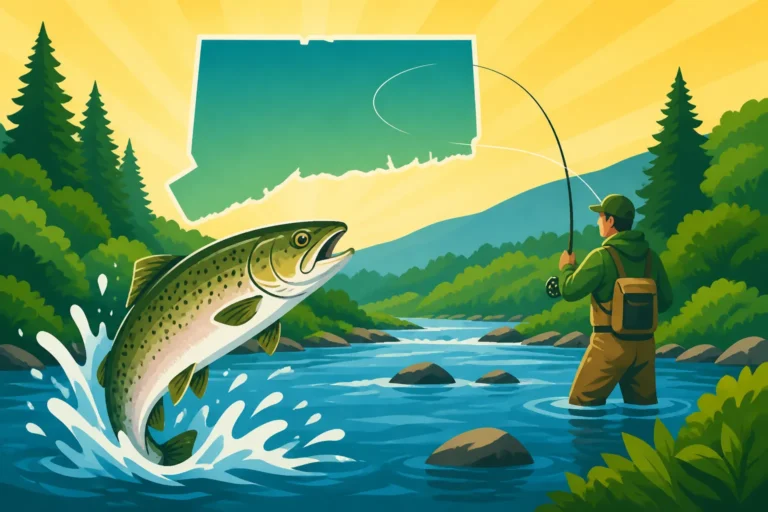
While the big lakes get a lot of attention, Fairfield County also offers some delightful river and stream fishing, primarily for trout and smallmouth bass. These waters provide a different kind of angling experience, often requiring more stealth and technique.
The Housatonic River (Lower Sections)
While much of the Housatonic River is known for its legendary trout fishing in the northwest corner of Connecticut, the lower sections as it flows through Fairfield County offer excellent opportunities, particularly for smallmouth bass and carp. As the river widens and slows before entering Long Island Sound, it transitions from a cold-water trout fishery to a warmer water habitat.
The stretch of the Housatonic from the Stevenson Dam (which forms Lake Zoar) downstream through Shelton and Derby is fantastic for smallmouth bass. These sections feature a mix of rocky runs, pools, and occasional submerged structure. Anglers often find success using crankbaits, tubes, and jigs that mimic crayfish or baitfish. Fishing around bridge pilings and current breaks can be particularly productive. This section of the river also holds robust populations of common carp, which can provide an exhilarating fight on appropriate gear. Fly anglers can also find success targeting smallmouth with streamers and poppers, especially during warmer months. Access can be found at various points, including town parks and boat launches along the river in Derby and Shelton. For a deeper dive into targeting smallmouth in Connecticut's rivers, check out our guide on How to Catch Smallmouth Bass in Connecticut Rivers.
The Saugatuck River: A Wild and Stocked Fishery
The Saugatuck River, originating in the towns of Redding and Weston and flowing through Westport before emptying into Long Island Sound, is a diverse fishery. Its upper reaches are typically cooler and offer some wild trout fishing, though public access can be spotty. Further downstream, closer to the towns of Weston and Westport, sections of the Saugatuck are regularly stocked with trout by the DEEP, especially in the spring.
Anglers targeting trout here will often use traditional baits like worms or corn, small spinners, or fly-fishing nymphs and streamers. The river features a mix of riffles, runs, and pools, providing varied habitats for trout. Always be mindful of posted property and consult the Connecticut Fishing Regulations Explained for any special regulations that might apply to specific sections of the Saugatuck. Below the stocking areas and closer to the Sound, the river transforms into a tidal estuary, attracting species like striped bass and bluefish during their migratory runs. This creates a unique opportunity to fish for both freshwater and saltwater species in close proximity.
Other Smaller Streams and Tributaries
Fairfield County also has numerous smaller streams and tributaries that, while not as prominent, can offer surprising catches, particularly for wild brook trout in their headwaters or holdover trout in stocked sections. Streams like the Mill River (Fairfield/Easton), Aspetuck River (Easton/Westport), and Norwalk River (Norwalk/Wilton) are worth exploring. These smaller waters often require a lighter touch and a keen eye for reading the water. They are perfect for stealthy fly fishing with small dry flies or nymphs, or ultra-light spinning gear with tiny spinners. Always verify public access, as many of these streams flow through private property.
Saltwater Opportunities Along the Fairfield County Coastline
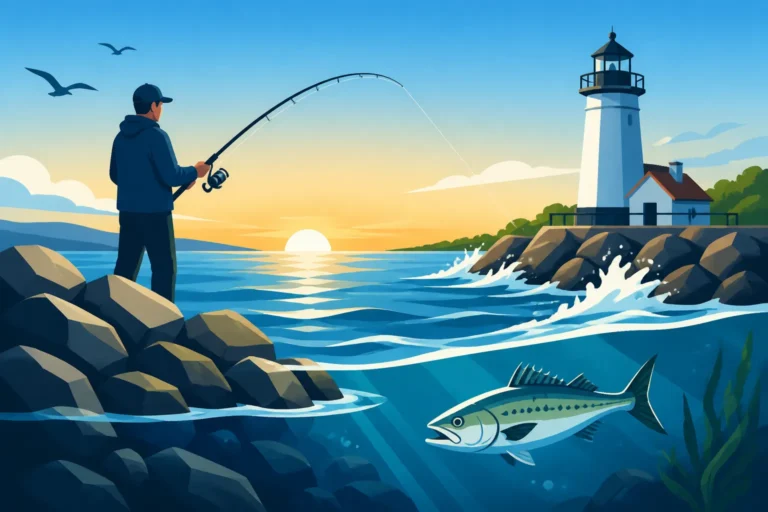
Fairfield County's extensive coastline along Long Island Sound provides some of Connecticut's best saltwater fishing. From robust striped bass and bluefish to bottom-dwelling fluke and blackfish, the Sound offers incredible diversity.
Long Island Sound Shoreline: Piers, Beaches, and Jetties
The entire Fairfield County coastline is a gateway to Long Island Sound, offering numerous public access points for shore-bound anglers.
- Calf Pasture Beach (Norwalk): This popular beach and park offer excellent shore fishing opportunities, particularly from the pier and jetties. Anglers here regularly catch striped bass, bluefish, porgies (scup), and sometimes even fluke. Early mornings and evenings, especially around tide changes, are often the most productive. Topwater lures, bucktails, and chunk baits are all effective.
- Jennings Beach and Penfield Beach (Fairfield): These Fairfield beaches provide long stretches of sand and some rocky structures perfect for surfcasting. Striped bass and bluefish move along these shores, particularly during the spring and fall migrations. Sand worms, clams, and various lures (swimmers, soft plastics) can entice a bite.
- Compo Beach (Westport): Similar to Fairfield's beaches, Compo Beach offers good surfcasting for striped bass and bluefish. The pier and adjacent rocky areas can also hold fish. Fishing around dawn or dusk and during moving tides is key.
- Stamford and Greenwich Harbors: These westernmost parts of Fairfield County offer numerous coves, rocky outcrops, and access points that can be productive. The outflow areas of rivers and estuaries here can concentrate baitfish, attracting predatory species.
Shore fishing requires patience and adaptability, but the feeling of hooking into a strong striped bass from the beach is unmatched. For detailed tactics on catching these elusive fish from shore, read our guide on How to Catch Striped Bass in Long Island Sound.
Inshore and Nearshore Boating: Reefs, Rips, and Structure
For anglers with boats, Fairfield County opens up an even wider array of saltwater opportunities. Long Island Sound is dotted with reefs, rock piles, and artificial structures that hold a variety of species.
- Striped Bass and Bluefish: These are the kings of Long Island Sound. During spring and fall, they migrate through, feeding heavily. Popular methods include trolling Mojos or umbrella rigs, casting soft plastics or topwater lures into rips and around structure, and live-lining bunker or eels. Productive areas can be found off Norwalk, Westport, and Fairfield, often around prominent reefs and deeper channels. Many local charters operating out of ports like Norwalk and Fairfield specialize in targeting these species. If you're looking to explore deeper water or don't own a boat, platforms like FishingBooker can connect you with experienced captains who know these waters intimately.
- Fluke (Summer Flounder): Fluke fishing is popular in the warmer months. These bottom dwellers are often found over sandy or muddy bottoms near structure or channel edges. Drifting with bucktails tipped with Gulp! or strips of squid is a highly effective technique. Good fluke grounds can be found throughout the Sound, often in areas with moving water and changes in depth.
- Blackfish (Tautog): For a challenging fight and delicious table fare, blackfish are hard to beat. They cling to rocky bottom, wrecks, and artificial reefs. Green crabs or Asian crabs are the bait of choice, fished on a stout bottom rig. Productive spots are numerous along the entire Fairfield County coastline, wherever hard structure is present.
- Black Sea Bass and Scup (Porgies): These species are often found in similar habitats to blackfish, over rocky bottom and wrecks in deeper waters. They respond well to squid, clam, or baitfish pieces. You can often catch a mix of these species when fishing structure.
Booking a trip with a local guide is highly recommended for those new to saltwater fishing or looking to target specific species. They often have the latest intel on where the fish are biting and what techniques are working best. Whether you're interested in Best Striped Bass Charters on Long Island Sound or looking for a Best Fluke Charters on Long Island Sound, a local expert can make all the difference.
Tips for Fishing Fairfield County Waters
Navigating fishing in a busy county like Fairfield can be tricky, but with a few pointers, you'll be on your way to a great day on the water.
Understanding Access and Regulations
Public access can sometimes be a challenge in more developed areas. Always look for designated public access points, boat launches, or state parks. Private property is strictly off-limits unless you have explicit permission. Before heading out, it's crucial to consult the current Connecticut Fishing Guide, usually available online through the DEEP website or at bait shops. This guide provides vital information on seasons, size limits, creel limits, and special regulations for specific bodies of water. For example, some reservoirs have bait restrictions to prevent the spread of invasive species. Knowing these rules ensures you're fishing legally and responsibly. You can also find detailed information on the Reading the Connecticut Fishing Guide on our site.
Best Times to Fish
Like anywhere else, fishing success in Fairfield County often correlates with time of day and season.
- Spring: This is prime time for trout fishing in stocked rivers and ponds, and the beginning of the migratory runs for striped bass and bluefish in Long Island Sound. Freshwater bass also become very active during their pre-spawn and spawn periods.
- Summer: Early mornings and late evenings are best for freshwater bass, as they seek cooler water. Saltwater fishing for fluke, porgies, and black sea bass is excellent, and striped bass and bluefish remain active, often in deeper waters or during low-light conditions.
- Fall: A fantastic time for fishing! Trout become active again in rivers, and the fall striped bass and bluefish migration can provide incredible action along the coast. Freshwater bass are also in a feeding frenzy, bulking up for winter.
- Winter: While many freshwater spots freeze over, ice fishing is popular on many smaller ponds and lakes for pickerel, perch, and panfish. Some open water rivers like the Housatonic can still offer cold-weather smallmouth action.
Tide cycles are also incredibly important for saltwater fishing. Moving tides (incoming or outgoing) generally mean more active fish, as baitfish are pushed around and predators are on the hunt. Pay attention to tide charts for your specific coastal location.
Gear Recommendations
While specific gear depends on your target species, here's a general overview for Fairfield County:
- Freshwater (Lakes/Ponds): A medium-light to medium power spinning rod (6-7 feet) with 6-10 lb test monofilament or braided line is versatile for bass, trout, and panfish. A variety of lures like spinners, spoons, soft plastics, and crankbaits will cover most situations.
- Freshwater (Rivers/Streams): For trout, a light spinning rod with 4-6 lb test or a 3-5 weight fly rod is ideal. For smallmouth in larger rivers, a medium spinning or baitcasting setup with 8-12 lb line.
- Saltwater (Shore): A medium-heavy to heavy surf rod (8-10 feet) with 20-40 lb braided line is suitable for casting heavier lures or bait over distance. A good assortment of bucktails, soft plastics, metal lures, and topwater plugs is essential.
- Saltwater (Boat): Depending on the target, you might need everything from light spinning gear for fluke to heavy conventional gear for large striped bass or bottom fishing for blackfish.
Always carry a basic tackle box with extra hooks, weights, pliers, and a tape measure to ensure your catches are legal. Don't forget sunscreen, a hat, polarized sunglasses, and plenty of water, especially during the summer months.
Connecting with Local Expertise
Sometimes, the best way to uncover the hidden gems of Fairfield County fishing is to tap into local knowledge. This could mean striking up conversations at local bait and tackle shops – they're often goldmines of current fishing reports and tips. Stores like Fisherman's World in Norwalk or Valley Bait & Tackle in Derby are excellent resources.
Another fantastic option, especially if you're targeting specific species or unfamiliar waters, is to hire a local guide or charter. Services available through platforms like FishingBooker connect you with experienced captains who have spent years navigating these waters. They can put you on the fish, provide all the necessary gear, and teach you techniques specific to the area. This can be particularly beneficial for saltwater adventures on Long Island Sound, where knowing the specific reefs, wrecks, and tidal patterns can make a huge difference. Whether it’s a dedicated Best Kayak Fishing Spots in Connecticut trip for river smallmouth or a full-day offshore striped bass hunt, a guide can transform your experience.
There's a vibrant fishing community in Fairfield County, and joining local fishing clubs or online forums can also open doors to shared knowledge and fishing camaraderie. These connections can lead you to lesser-known spots and improve your overall angling success.
Disclaimer
The information provided in this guide is for general informational purposes only and is subject to change. Anglers are responsible for consulting the most current Connecticut Department of Energy and Environmental Protection (DEEP) fishing regulations before engaging in any fishing activities. Water levels, fish populations, and access points can vary seasonally and annually. Always prioritize safety, practice ethical angling, and respect private property.