Where the Connecticut striped bass record was caught
It's an age-old question that sparks excitement in every angler's heart: "Where was that monster caught?" We all dream of landing the fish of a lifetime, and in Connecticut, the whispers often turn to the state record striped bass. This guide is dedicated to revealing the legendary spot where Connecticut's biggest striped bass ever recorded was pulled from the water, and what it means for every angler who casts a line in our beautiful state.
The Allure of Record-Breaking Fish
There's something deeply captivating about state record fish. They represent the pinnacle of angling achievement, a testament to luck, skill, and often, sheer stubbornness. For many, chasing a record isn't just about getting their name in a book; it's about pushing boundaries and connecting with the wild in a profound way.
The Thrill of the Chase
The quest for a trophy fish, let alone a state record, is a journey filled with anticipation and endless learning. Anglers spend countless hours studying tides, currents, baitfish patterns, and structure, all in the hope of crossing paths with that one exceptional specimen. You're constantly experimenting with different lures, baits, and techniques, trying to crack the code of these elusive giants. It's a passion that drives many of us to wake up before dawn or stay out long after sunset, enduring rough seas and biting winds, all for that one electrifying tug on the line. The dedication you see from these anglers is truly remarkable, and it’s what makes these records so special.
More Than Just Bragging Rights
While the bragging rights are certainly a part of it, a state record catch often becomes part of local lore. It inspires new generations of anglers, proving that those massive fish are indeed out there. It highlights specific areas as prime fishing grounds, drawing attention to the unique ecosystems that can support such large predators. A record also serves as a benchmark, a reminder of the incredible natural resources we have in Connecticut and the importance of preserving them for future anglers. These stories circulate through bait shops and fishing forums, becoming legends whispered among those who spend their lives on the water.
The Legendary Catch: Where it Happened
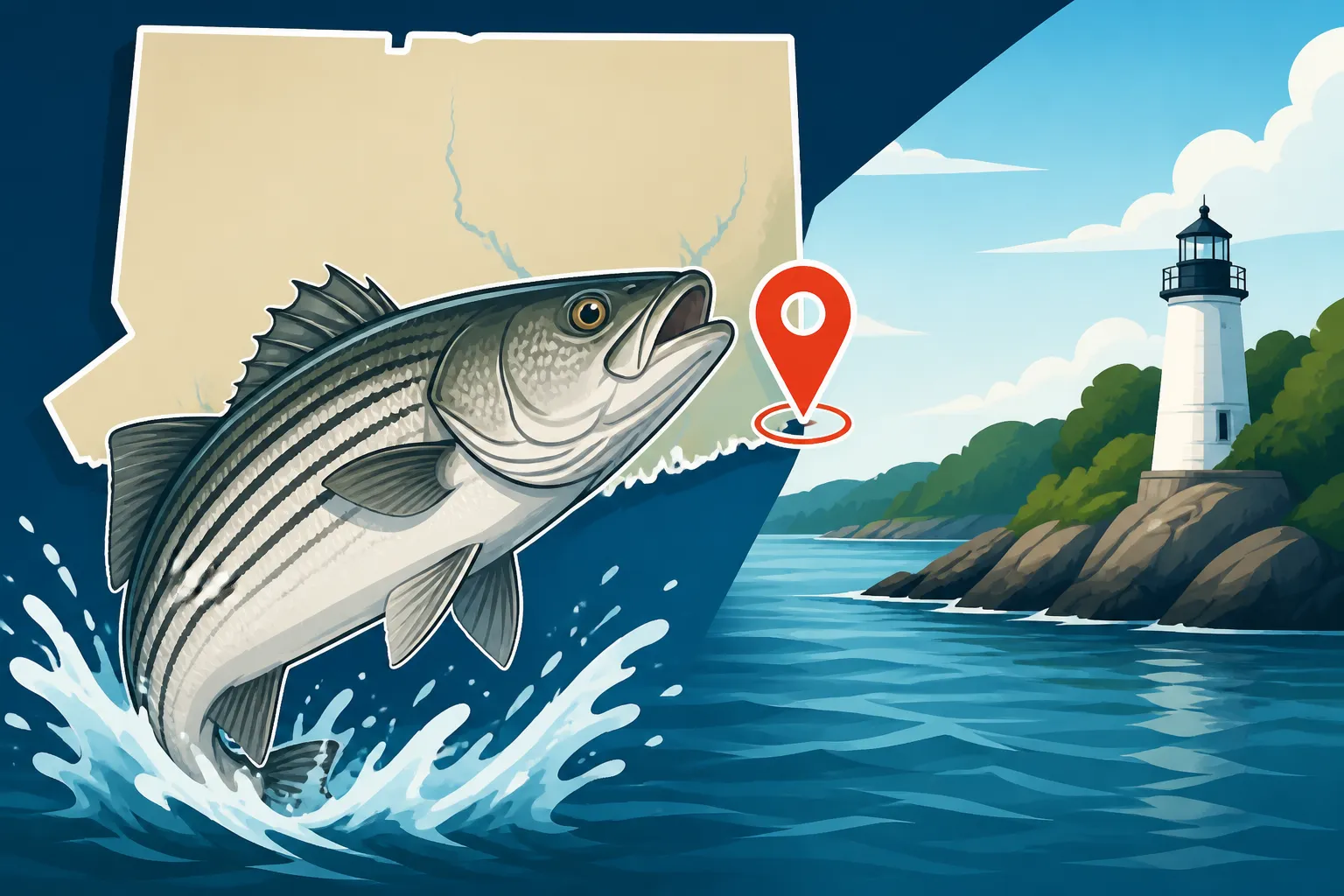
Now, for the moment you've been waiting for! The Connecticut state record striped bass is a fish of truly epic proportions, weighing in at an incredible 76 pounds. This colossal striper wasn't caught out in the open ocean or a deep channel, but rather in a location that might surprise some: the lower Connecticut River. Specifically, it was landed in the waters near Old Saybrook.
The Specific Spot: Lower Connecticut River near Old Saybrook
The record-breaking striped bass was caught right here in the heart of Connecticut's most iconic waterway, close to where the Connecticut River meets Long Island Sound. The lower Connecticut River, particularly around the Old Saybrook area, is a well-known hotspot for striped bass, especially during their spring and fall migrations. It's a confluence of freshwater outflow and rich saltwater nutrients, creating a perfect buffet for migrating stripers. The exact location often involves specific channels, rip lines, and structure where baitfish concentrate, and consequently, where big stripers lie in wait. Think about those areas where the current creates eddies or where rock piles and submerged ledges offer ambush points; these are often the keys to finding the giants. The dynamic environment here, influenced by strong tides and the vast expanse of Long Island Sound Fishing Guide, provides ample opportunities for trophy fish to thrive.
Conditions and Timing: A Perfect Storm
While the precise conditions on the day of the record catch are part of fishing legend, trophy striped bass are typically caught during specific times and under certain environmental factors. The spring and fall migrations are prime windows when these large fish move through our waters. Early mornings, late evenings, and even night fishing are often the most productive times, as stripers are notorious for being crepuscular and nocturnal feeders, especially the larger ones. Water temperatures, tidal movements (particularly the incoming and outgoing tides around structure), and the presence of abundant baitfish like bunker (Atlantic menhaden) are all critical factors. A strong tide pushing bait into a constricted area or over a submerged reef can turn an ordinary day into an extraordinary one. Anglers who consistently target these big fish learn to "read" the water and anticipate these prime windows, stacking the odds in their favor. It often takes perseverance through less-than-ideal weather, patiently waiting for that perfect moment.
Understanding Connecticut's Striped Bass Fishery
Connecticut's striped bass fishery is a vibrant and essential part of our marine ecosystem. These powerful fish are highly sought after by recreational anglers, and their presence is a true indicator of a healthy environment. Understanding their habits and habitats is key to successfully targeting them, whether you're aiming for a personal best or just a fun day on the water.
Prime Striped Bass Habitat
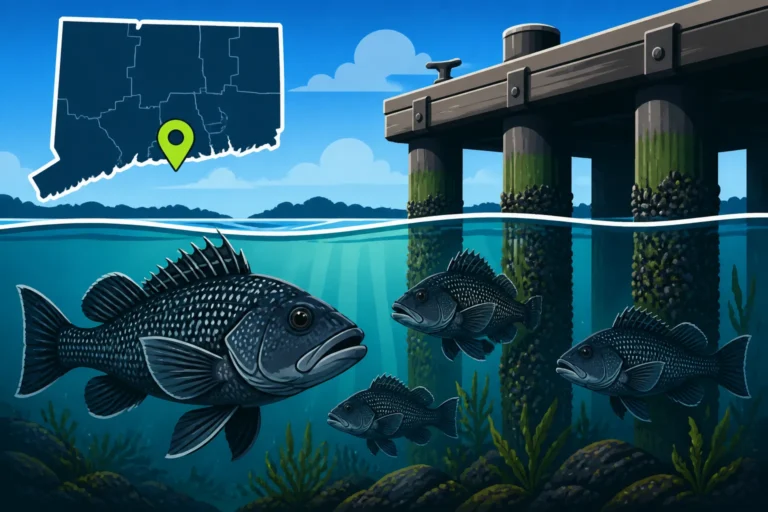
Striped bass are incredibly adaptable fish, found in a wide range of saltwater and brackish environments. In Connecticut, you'll find them cruising the surf of our many beaches, lurking around rocky points and jetties, and pushing far up into our major river systems like the Connecticut River and the Housatonic River. They love structure – anything from submerged rock piles and mussel beds to docks, bridge pilings, and even wrecks and reefs in Long Island Sound. These structures provide cover for them to ambush prey and offer refuge from strong currents. Deeper channels and rips where current converges are also classic striper hangouts, especially for the larger fish. Exploring the various Long Island Sound Striped Bass Spots can give you an idea of the diverse environments these fish inhabit.
During the warmer months, larger stripers often seek out cooler, deeper water, moving offshore or into the deeper sections of tidal rivers. As the seasons change, they follow baitfish into shallower waters, especially during low light conditions. Knowing the typical behaviors and preferences of these fish is essential for putting yourself in the right place at the right time.
The Role of Forage: Following the Food
Like any predator, striped bass go where the food is. In Connecticut, their diet is incredibly diverse, but certain baitfish are absolute magnets for them. Atlantic menhaden, or "bunker," are perhaps the most important forage fish in our waters. When schools of bunker move into Long Island Sound or up the tidal rivers, you can bet the stripers aren't far behind. Other key forage species include squid, silversides, eels, and various smaller finfish. Understanding the seasonal movements of these baitfish is paramount for success. Many anglers spend hours just looking for bait on their sonar or spotting birds diving, knowing that where the bait is, the stripers will be too. You can find excellent resources on baitfish patterns and even purchase fishing electronics on platforms like Amazon to help you spot those crucial bait schools.
What it Takes to Catch a Trophy Striper (Even if Not a Record)
While a state record is a truly rare feat, catching a trophy-sized striped bass is an achievable goal for dedicated anglers in Connecticut. It requires a combination of knowledge, the right equipment, and a healthy dose of patience.
Gear and Techniques for Big Bass
When you're targeting large striped bass, you need gear that can handle the fight. Forget the light tackle you might use for panfish; we're talking about robust setups. A medium-heavy to heavy action rod paired with a strong, reliable spinning or conventional reel spooled with 30-50 lb braided line is a good starting point. You’ll also want a fluorocarbon leader of similar or slightly heavier test. For lures, large swimbaits, poppers, and subsurface plugs that imitate bunker or other local baitfish are often effective. Live bait, especially large bunker or eels, is a tried-and-true method for enticing the biggest stripers. Many experienced anglers swear by fresh chunk bait on the bottom as well.
Here’s a quick overview of popular setups for trophy striped bass:
| Setup Type | Rod Action | Reel Size | Line Type/Test | Primary Lures/Baits |
|---|---|---|---|---|
| Surfcasting | Heavy, 10-12 ft | 8000-10000 | Braid 40-60 lb | Large Plugs, Bucktails, Chunk Bait |
| Boat Jigging | Med-Heavy, 7-8 ft | 6000-8000 | Braid 30-50 lb | Vertical Jigs, Soft Plastics |
| Live Lining | Heavy, 7-8 ft | 7000-9000 | Braid 50-65 lb | Live Bunker, Eels, Mackerel |
| Trolling | Heavy, 7-9 ft | Conventional 30 | Mono/Braid 50-80 lb | Umbrella Rigs, Large Plugs, Mojos |
Don't forget essentials like a good pair of pliers, a sharp hook remover, and a large landing net or Boga Grip for safely handling big fish. You can find a vast selection of these items on Amazon, making it easy to get geared up for your next adventure. If you're new to the game, consider booking one of the Best Striped Bass Charters on Long Island Sound to learn from the pros!
Patience and Persistence
Perhaps more important than any specific lure or technique is the mindset you bring to trophy striped bass fishing. These fish are smart, wary, and often widely scattered. You might spend hours, or even entire days, without a single bite. But it's in those quiet moments, patiently casting or slowly retrieving, that you're building the experience and knowledge that will eventually lead to success. The anglers who consistently catch big stripers are those who aren't afraid to put in the time, learn from every outing, and adapt their approach. It’s a journey, not a sprint, and every cast teaches you something new.
Preserving the Legacy and Fishery
As anglers, we have a profound responsibility to protect the incredible fisheries we enjoy. The presence of record-breaking fish like the 76-pound striper in the Connecticut River is a testament to the health of our waters, and we must do our part to ensure future generations can experience the same thrill.
Catch and Release for Future Generations
For trophy-sized striped bass, catch and release is widely encouraged. These large, mature fish are vital to the spawning stock, contributing significantly to the overall health of the population. If you do land a large striper and intend to release it, handle it with extreme care. Minimize its time out of the water, support its body horizontally to avoid organ damage, and use appropriate tools to remove hooks quickly and safely. Using circle hooks, especially when fishing with bait, is also a highly effective way to reduce gut-hooking and improve survival rates. Learning about Striped Bass Catch and Release Survival Tips can make a huge difference in the longevity of these magnificent creatures.
Following Regulations: Our Collective Duty
Connecticut has specific regulations in place to manage the striped bass fishery, including size limits, bag limits, and seasonal restrictions. These rules are designed to protect the population and ensure sustainable fishing for everyone. It's crucial for every angler to understand and adhere to these regulations. Before heading out, always check the current Connecticut Saltwater Fishing Regulations by Species or consult the official Connecticut Fishing Guide. Ignorance of the law is not an excuse, and penalties for violations can be significant, as detailed in Fishing Without a License in Connecticut: Penalties. By following the rules, we contribute to the longevity of this incredible fishery, ensuring that the dream of catching a state record striped bass remains alive for years to come.
Disclaimer
This article is for general informational purposes only and does not constitute professional advice. Laws, prices and regulations vary by location and change over time. Consult a qualified professional for guidance on your specific situation.