Are Weakfish Making a Comeback in Long Island Sound?
For years, many of us who fish Long Island Sound have lamented the dwindling presence of weakfish, those beautiful, feisty "tiderunners" that once graced our waters in abundance. There's a hopeful buzz recently, with whispers and even some direct sightings suggesting a potential turnaround. This guide will dive deep into whether weakfish are truly making a comeback in Long Island Sound, what factors are at play, and what we as anglers can do to support their recovery.
The Historical Decline of Weakfish in Long Island Sound
It’s hard to talk about weakfish in Long Island Sound without a pang of nostalgia for the "good old days." Many long-time Connecticut anglers recall a time when these shimmering, iridescent fish were a common and highly sought-after catch, providing exciting action and delicious fillets. Their decline wasn't a sudden event, but a gradual erosion that left many wondering if we'd ever see their vibrant presence again.
A Beloved Fishery in Yesteryear
Back in the day, weakfish, often affectionately called "tiderunners" for their habit of feeding aggressively on tidal currents, were a true staple of the Long Island Sound fishery. Anglers would target them with light tackle, enjoying their spirited fight and the satisfying thumps they'd impart on the rod tip. They were often found in bays, estuaries, and along the open coastline, chasing schools of baitfish like spearing, bunker, and squid. A good weakfish run meant bustling marinas and excited chatter among the fishing community. Their flesh, delicate and flaky, made them a prime table fish, further cementing their popularity.
Many veteran anglers share stories of filling coolers with these beautiful fish, particularly during the late spring and early summer months when they were most abundant. They were a predictable presence, offering reliable action when other species might be harder to find. It wasn't just about the numbers, though; it was the sheer beauty of the fish, with their iridescent purples, greens, and golds, that made them so captivating. They were truly a signature species of our coastal waters, embodying the vitality of the Sound.
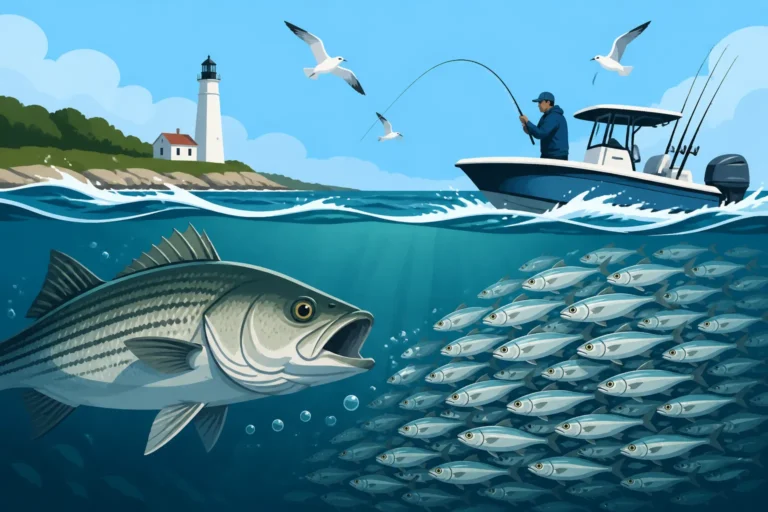
Ecologically, weakfish played a crucial role as mid-level predators, helping to keep baitfish populations in check and serving as a food source for larger predators like striped bass and bluefish. Their presence indicated a healthy, balanced ecosystem. To learn more about What weakfish are and where they live in Long Island Sound, it's helpful to consider their historical range and habits.
The Factors Leading to the Collapse
The reasons behind the dramatic decline of weakfish in Long Island Sound are complex and likely multifactorial, leaving many anglers scratching their heads and mourning their loss. Overfishing, both commercial and recreational, is often cited as a significant contributor. Weakfish are highly susceptible to fishing pressure due to their schooling behavior and tendency to congregate in predictable areas. When their numbers dwindled, it became evident that management strategies might not have been robust enough to protect them from such intense pressure.
Habitat loss and degradation also played a role. Estuaries and coastal wetlands, vital nursery grounds for juvenile weakfish, have faced significant development and pollution over the decades. As these critical habitats became less hospitable, the ability of weakfish to reproduce and survive their early life stages was severely hampered. Pollution, runoff, and changes in water quality can directly impact weakfish health and the availability of their food sources.
Furthermore, changes in predator-prey dynamics likely contributed. With burgeoning populations of other predatory fish like striped bass and bluefish, juvenile weakfish faced increased predation pressure. While these are natural interactions, an imbalance could make it harder for weakfish populations to rebound, especially when combined with other stressors. It's a delicate balance, and when one part of the ecosystem shifts, others often feel the ripple effect. The discussion around Weakfish in Long Island Sound often touches on these environmental challenges.
Are We Seeing Signs of a Comeback? Examining the Evidence
The question of a weakfish comeback is on the minds of many anglers. There's a palpable sense of hope mixed with caution, as nobody wants to get their hopes up prematurely. While the definitive answer still requires more time and scientific analysis, anecdotal reports from the fishing community are certainly encouraging, giving us something to talk about down at the docks.
Anecdotal Reports vs. Scientific Data
Walk down to any dock or chat with experienced charter captains along the Connecticut shoreline, and you'll often hear whispers and sometimes enthusiastic shouts about increased weakfish sightings. Anglers fishing for fluke, striped bass, or even scup have reported catching more small weakfish, sometimes even a few larger "tiderunners" in areas where they haven't been seen in years. These aren't just isolated incidents; some anglers are consistently encountering them, especially in the eastern Sound. This anecdotal evidence, while not scientific proof of a robust recovery, is incredibly valuable. It's the front-line report from those who spend the most time on the water.
However, it's crucial to understand that these observations, while exciting, need to be corroborated by broader scientific surveys. State and federal fisheries agencies conduct extensive research through trawl surveys, netting operations, and angler reporting programs to assess fish populations more systematically. These scientific methods provide data on age structure, reproductive success, and overall biomass, giving a more comprehensive picture. While anecdotal reports offer a hopeful glimpse, sustained scientific data is what ultimately confirms a true population rebound. So, keep those reports coming, but also respect the rigorous data collection efforts of our scientists. Connecticut Fishing Regulations Explained often take into account these scientific assessments.
Management Efforts and Environmental Factors
A potential weakfish recovery isn't just a stroke of luck; it's likely linked to a combination of sustained management efforts and improved environmental conditions. Over the years, fisheries managers have implemented various regulations, including reduced bag limits, size restrictions, and sometimes even seasonal closures, to ease fishing pressure on vulnerable species. While weakfish aren't always the primary target of these regulations, they often benefit from broader conservation measures designed to protect the overall health of coastal ecosystems. Connecticut Saltwater Fishing Regulations by Species details some of these protections.
Furthermore, efforts to improve water quality in Long Island Sound, such as stricter wastewater treatment standards and a focus on reducing nutrient runoff, have gradually led to a healthier marine environment. Cleaner waters support more abundant and diverse baitfish populations, which are the cornerstone of the weakfish diet. As the foundation of the food web strengthens, so too does the potential for predators like weakfish to thrive. It’s a slow process, but environmental stewardship is paramount. What striped bass eat in Long Island Sound is a good example of how healthy baitfish populations support multiple species.
Here's a quick look at how weakfish identification can help you distinguish them from other species you might encounter:
| Feature | Weakfish | Small Bluefish | Small Striped Bass |
|---|---|---|---|
| Body Shape | Elongated, silvery, somewhat compressed | Stocky, robust, generally bluish-green back | Elongated, silvery, distinct horizontal stripes |
| Mouth/Teeth | Upper jaw has 2 prominent canine-like teeth | Very sharp, conical teeth in both jaws | Small, rasp-like teeth |
| Tail Fin | Slightly forked or wedge-shaped, often dusky | Deeply forked | Moderately forked |
| Coloration | Silvery with iridescent purples, greens, golds; small spots forming wavy lines | Bluish-green back fading to silver belly | Dark olive green to blue-black back, silver sides, white belly |
| Dorsal Fins | Two distinct dorsal fins; soft dorsal long | Two distinct dorsal fins; soft dorsal shorter | Two distinct dorsal fins |
| Scales | Large, easily shed | Small | Large |
What Anglers Can Do to Help and How to Spot a Weakfish
If you're out on the water and encounter a weakfish, especially if you plan to release it, your actions can make a real difference in its survival and contribute to the overall health of the population. Responsible angling is a crucial part of conservation, and it starts with how we interact with the fish we catch. Knowing how to identify them correctly and reporting your sightings is also incredibly valuable for monitoring efforts.
Responsible Angling Practices
Catch and release is paramount when dealing with a species that might be in recovery. If you catch a weakfish and don't intend to keep it (or if it's outside legal harvest limits), aim for the quickest, least harmful release possible. Use single, barbless hooks when appropriate, and avoid using treble hooks that can cause excessive damage. Circle hooks are excellent choices, especially when bait fishing, as they typically hook the fish in the jaw, reducing gut-hooking instances. When retrieving the fish, try to bring it in quickly to minimize exhaustion, and keep its time out of the water to an absolute minimum.
When handling the fish, wet your hands thoroughly before touching it to protect its protective slime coat. Support the fish horizontally, especially if it's a larger specimen, to avoid damaging its internal organs or spine. If you need a picture, be quick and gentle. Consider using specialized tools like de-hookers to remove hooks efficiently, which you can find readily available on platforms like Amazon. A soft, knotless landing net, also easily found on Amazon, can help cradle the fish without abrading its scales. These small investments make a big difference for the fish. For more on safe release, check out Striped Bass Catch and Release Survival Tips – many of the principles apply universally.
Identifying Weakfish and Reporting Sightings
Accurate identification is key. Weakfish are often mistaken for small bluefish or even small striped bass, especially when they're juveniles. Pay close attention to their mouth – weakfish have those distinct canine-like teeth in the upper jaw. Look for the iridescent sheen on their scales and the faint, wavy lines of small spots along their sides, rather than distinct stripes like a bass or a solid bluish back like a bluefish. The table above provides a quick reference, but nothing beats seeing one up close. If you catch a fish and are unsure, take a quick photo and consult a reliable guide. Learning about Bluefish in Long Island Sound can also help differentiate them.
Once you're sure it's a weakfish, consider reporting your catch, especially if it's a significant or unusual sighting. Connecticut's Department of Energy and Environmental Protection (DEEP) often collects angler reports, which contribute to their understanding of fish distribution and abundance. Your observations become part of a larger dataset that helps scientists track population trends and inform future management decisions. Whether you're fishing Connecticut Catch and Release Fly Fishing Only Waters or the open Sound, every bit of information helps.
The Future of Weakfish in Connecticut Waters
The chatter about weakfish potentially returning to Long Island Sound isn't just idle speculation; it represents a genuine shift in the hopes and observations of the fishing community. While the road to a full recovery is likely long and fraught with environmental challenges, the positive signs we're witnessing offer a glimmer of optimism for this once-abundant species.
Continued Monitoring and Research
For any potential comeback to be sustained and understood, continued scientific monitoring and research are absolutely critical. Fisheries scientists regularly conduct surveys to assess fish populations, including weakfish, by sampling different areas of the Sound at various times of the year. They collect data on fish size, age, health, and reproductive status, all of which paint a picture of the population's trajectory. These studies help to confirm whether anecdotal reports represent a real, broad-scale increase or localized, temporary fluctuations. Without this rigorous data, it’s hard to make informed conservation and management decisions.
Anglers can play a vital role in this by cooperating with creel census takers or participating in voluntary reporting programs. Every piece of information contributes to the larger scientific effort to protect and manage our marine resources. Understanding the dynamics of species like weakfish is complex, requiring long-term data sets and sophisticated analysis. It's a continuous process, and the commitment to research from our state agencies is what ultimately safeguards the future of our fisheries. For a more general overview, you might find information in Long Island Sound Fishing Guide helpful.
Hope for the "Tiderunner"
So, are weakfish making a comeback? The answer is a hopeful "possibly," with a lot of positive momentum from angler sightings and some environmental improvements. While it's not a definitive, roaring comeback yet, the signs are certainly pointing in the right direction. It's a testament to the resilience of nature and the impact of collective conservation efforts, even if gradual. The idea of the vibrant, iridescent "tiderunners" once again becoming a common sight in Long Island Sound is a powerful motivator for many.
This potential resurgence reminds us that our actions, both individually and collectively, have a profound impact on the health of our marine environment. By practicing responsible angling, reporting our observations, and supporting conservation initiatives, we all contribute to a healthier Long Island Sound. The hope is that with continued vigilance and care, the weakfish will indeed reclaim its rightful place as a beloved and abundant species in Connecticut's waters. It's truly exciting to think about the future of Fish species unique to Long Island Sound. Keeping an eye on the Best Time of Year to Fish in Connecticut can also help anticipate weakfish activity. Always remember that even for species that seem common, awareness of Endangered and Protected Fish Species in Connecticut helps us respect the fragility of all marine life.
Disclaimer
This article is for general informational purposes only and does not constitute professional advice. Laws, prices and regulations vary by location and change over time. Consult a qualified professional for guidance on your specific situation.