Connecticut Saltwater Fishing Regulations by Species
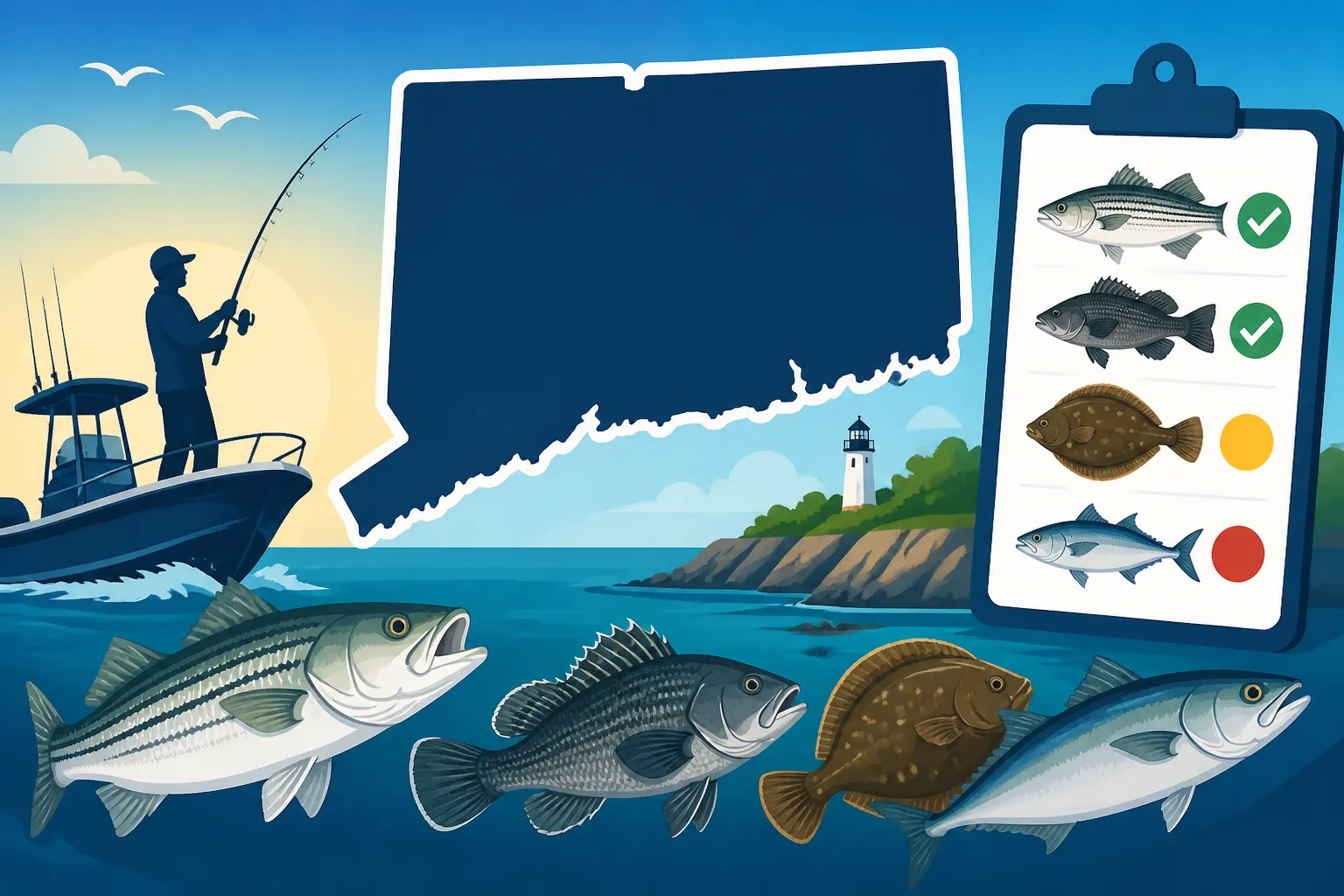
Few things are as frustrating as planning a perfect day of saltwater fishing in Connecticut, only to realize you're unsure if your catch is legal to keep. With regulations constantly shifting and varying by species, length, and season, it's easy to feel lost and overwhelmed. This comprehensive guide will break down the complex world of Connecticut saltwater fishing regulations, species by species, ensuring you're informed and compliant for a worry-free fishing experience.
Navigating the Complexities of Connecticut Saltwater Fishing Regulations
Let's be honest, trying to keep up with fishing regulations can feel like a full-time job. One minute you've got a handle on striped bass, the next you hear about a change to fluke limits. It's not just about knowing what fish are out there, but when you can catch them, how big they need to be, and how many you can take home. This constant flux, often driven by conservation efforts and stock assessments, can make enjoying a simple day on Long Island Sound or one of our tidal rivers quite challenging if you're not prepared.
Why Species-Specific Rules Matter
Every fish species plays a unique role in our marine ecosystem, and each faces different pressures from fishing, habitat loss, and environmental changes. That's why the Connecticut Department of Energy and Environmental Protection (DEEP) sets specific rules for different species. For instance, a fast-growing, highly migratory fish like bluefish might have different management needs than a slower-growing, reef-dwelling tautog. These rules are designed to ensure that fish populations remain healthy and sustainable for future generations of anglers. Ignoring these distinct guidelines, even accidentally, can have serious consequences, not just for your wallet in terms of fines, but for the very fish stocks we all cherish.
The Ever-Changing Landscape of Regulations
It’s crucial to understand that fishing regulations are not static. They can change annually, sometimes even mid-season, based on scientific data, federal mandates, and interstate agreements, especially for highly migratory species like striped bass and fluke that move up and down the Atlantic coast. What was legal last year might not be this year, and what applies in state waters might differ slightly in federal waters. This dynamic environment means that simply learning the rules once isn't enough; you need a system to stay updated. A little diligence goes a long way in preventing an accidental violation and contributing to responsible angling practices.
General Saltwater Fishing Requirements in Connecticut
Before we dive into the nitty-gritty of individual species, let's cover some foundational requirements that apply to almost anyone casting a line in Connecticut's marine district. Understanding these general rules is your first step towards a legal and enjoyable day on the water.
Understanding Your Fishing License
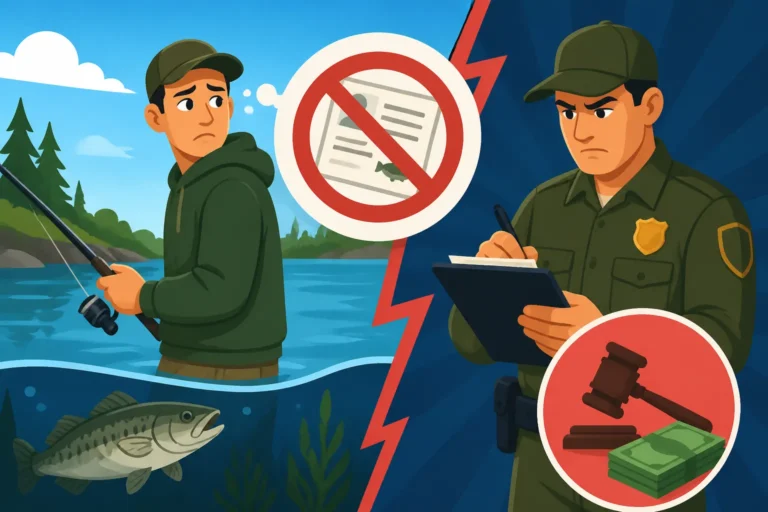
First and foremost, if you're 16 years of age or older, you need a valid Connecticut fishing license to fish in saltwater, just as you do for freshwater. There's no separate "saltwater license" in the traditional sense; rather, your standard Connecticut fishing license covers both inland and marine waters if you purchase the appropriate "All-Waters" or "Marine Waters" option. This isn't just a suggestion; it's the law. Imagine getting all your gear ready, heading out to your favorite spot on Long Island Sound, only to have a DEEP EnCon Police officer check your license and find you're not properly covered. It's an easy mistake to make if you're not careful, but it's entirely avoidable. You can easily purchase your license online through the DEEP website or visit a licensed vendor. For more details on where and how to buy, you might want to check out our guide on Where and How to Buy a Connecticut Fishing License.
Connecticut offers various license types, including annual resident and nonresident options, as well as temporary 3-day nonresident marine licenses which are perfect for visitors. Always make sure to get the correct license that covers marine waters. Even if you're just fishing from a dock or the shoreline, that license is required.
Gear Restrictions and Considerations
Beyond the license, there are some general gear restrictions to keep in mind for saltwater fishing in Connecticut. While specific lure and bait rules are often tied to certain species or special management areas, a few overarching principles apply. For instance, it's generally prohibited to use certain types of nets or traps for recreational finfishing without specific permits, which most recreational anglers won't have. Always check the annual Connecticut Angler's Guide for specifics.
Another important consideration is the use of bait. While natural baits like sandworms, squid, or mackerel are commonly used and perfectly legal for most saltwater species, there are regulations concerning the harvest and use of baitfish. For example, using live anadromous fish (like herring or alewives) as bait can be restricted during certain times or in certain waters to protect their spawning migrations. Always be mindful of minimum sizes for any fish you use as bait, ensuring you're not inadvertently possessing undersized regulated species. When it comes to hooks, while not universally mandated for all species, Connecticut Circle Hook Requirement for Striped Bass is a critical regulation to be aware of. Having a good measuring device, like a reliable tape measure or a dedicated fish ruler, is also non-negotiable. You can find many inexpensive, durable options for these tools on platforms like Amazon, ensuring you're always ready to accurately measure your catch dockside.
Deep Dive into Key Saltwater Species Regulations
Now, let's get into the specifics! The regulations for each species are designed to protect them during vulnerable periods, like spawning, or to allow them to reach a mature size before being harvested. This section will cover the most popular saltwater game fish in Connecticut, detailing their minimum sizes, daily limits, and open seasons.
Striped Bass Regulations
Ah, the striped bass – a true icon of Long Island Sound and our coastal rivers. These powerful fish draw anglers from all over, but their popularity means they're under close management. Current regulations for recreational striped bass fishing in Connecticut are typically aligned with Atlantic States Marine Fisheries Commission (ASMFC) mandates to ensure coast-wide conservation.
For anglers targeting striped bass, the regulations often involve a "slot limit." This means you can only keep fish that fall within a specific size range, designed to protect both the smaller, juvenile fish and the large, mature breeding females. For instance, in recent years, the slot limit has been 28 to 31 inches. This means any striped bass shorter than 28 inches or longer than 31 inches must be immediately released unharmed. The daily creel limit is usually one fish per person. These regulations are strict because striped bass populations have faced significant challenges, and every angler plays a part in their recovery. Make sure you're using a reliable measuring tape, perhaps one you picked up from Amazon, to ensure your fish falls perfectly within that slot. For a deeper understanding, our article on Connecticut Striped Bass Slot Limit and Season is an excellent resource.
| Species | Minimum Length (inches) | Daily Creel Limit | Open Season (2024)* | Additional Notes |
|---|---|---|---|---|
| Striped Bass | 28"-31" Slot | 1 | All year | Circle hook required when using bait. |
| Fluke | 19" | 4 | May 17 – Sept 25 | State/Federal water differences apply. |
| Black Sea Bass | 16.5" | 3 (Private Boats) | May 17 – Dec 31 (varies by boat type/season) | State/Federal water differences apply. |
| 5 (For-Hire Boats) | July 8 – Aug 31 & Sept 1 – Dec 31 (varies by boat type/season) | |||
| Tautog | 16" | 2 | Apr 1 – Apr 30 & July 1 – Aug 31 & Oct 10 – Dec 6 | Varies by season and boat type. |
| Bluefish | No Min. Length | 3 (private boats) | All year | No min. length. |
| 5 (for-hire boats) | ||||
| Scup | 10.5" | 30 | May 17 – Dec 31 | |
| Winter Flounder | 12" | 2 | Mar 1 – Mar 31 & Nov 1 – Dec 31 | |
| Weakfish | 16" | 1 | All year |
Note: Regulations are subject to change annually by the Connecticut DEEP and federal authorities. Always check the most current Connecticut Angler's Guide before fishing.
Fluke Summer Flounder Regulations
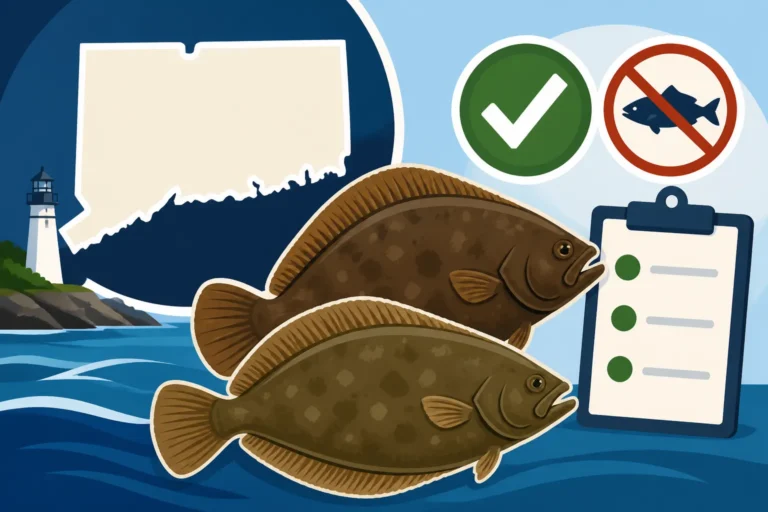
Fluke, also known as summer flounder, are a highly prized catch in Long Island Sound, celebrated for their delicious white meat and challenging fight. These flatfish hug the bottom, often found in sandy or muddy areas, and can be caught by drifting with bait or jigs. Just like striped bass, fluke are carefully managed, and anglers need to be diligent about their catch.
Current regulations for fluke typically include a minimum length requirement and a daily bag limit, along with a specific open season. For instance, in recent seasons, the minimum length has been around 19 inches, with a daily creel limit of 4 fish per person. The season usually runs from late spring through early fall, for example, from May 17th to September 25th. It's crucial to measure your fluke accurately from the tip of the snout to the end of the tail to ensure compliance. Remember, these regulations can vary slightly year to year based on federal guidelines and state adjustments. For current information, especially if you're planning your trip far in advance, refer to the Connecticut Fluke and Summer Flounder Regulations guide.
Black Sea Bass Regulations
Black sea bass are another popular target, especially for those fishing around rocky structures, wrecks, and reefs in Long Island Sound. These feisty, tasty fish provide excellent sport and table fare. Their management is often complex, as regulations can differ not only by state but also between state and federal waters, and even by the type of vessel you're fishing from (private recreational vs. for-hire charter).
Typically, black sea bass regulations include a minimum length, a daily creel limit, and specific open seasons. For example, recent years have seen a minimum length of 16.5 inches. The daily bag limit can vary significantly, such as 3 fish per person for private recreational boats during certain periods, and a higher limit for for-hire (charter/party) boats, often with different seasonal windows. It's critical to know which category your fishing trip falls under. The season often has multiple segments, for example, an earlier segment from May 17th to December 31st for private boats, or specific charter boat seasons. Because of these nuances, consulting the official Connecticut DEEP regulations for Connecticut Black Sea Bass Regulations for 2026 is absolutely essential before heading out.
Tautog Blackfish Regulations
Tautog, or blackfish, are the ultimate rock dwellers, known for their powerful bite and delicious meat. Anglers specifically target them around rocky bottom, jetties, and mussel beds. These slow-growing, long-lived fish are particularly vulnerable to overfishing, which is why their regulations are some of the most stringent and complex among Connecticut's saltwater species.
Blackfish regulations are characterized by strict minimum lengths, small daily bag limits, and segmented seasons to protect them during spawning. For example, a minimum length of 16 inches is common. The daily creel limit is often very low, sometimes just 2 fish per angler for private recreational vessels, and can fluctuate with the season. The fishing season itself is usually broken into multiple, distinct periods, such as April 1st to April 30th, July 1st to August 31st, and October 10th to December 6th. It is critical to adhere to these season dates rigorously. Going out on a day when the season is closed, even if you accidentally catch and release one, could put you at risk. For the most up-to-date and specific details, definitely check out our post on Connecticut Blackfish Tautog Season Dates.
Bluefish Regulations
Bluefish are the undisputed choppers of the Sound! These aggressive, hard-fighting fish are a favorite for their sheer power and willingness to strike almost any lure. Unlike some other species, bluefish populations are generally robust, leading to more liberal regulations.
For recreational anglers in Connecticut, bluefish usually have no minimum length requirement. This means you can keep bluefish of any size, as long as you adhere to the daily creel limit. The daily limit has typically been 3 bluefish per person for private recreational anglers and 5 bluefish per person for those fishing on a for-hire vessel (like a charter boat). The season for bluefish is usually open all year. While the regulations are simpler for bluefish, it's still good practice to confirm them with the latest Connecticut Angler's Guide. Their strong fighting capabilities make them a blast to catch, whether you're targeting them specifically or they're an unexpected bonus while fishing for How to Catch Striped Bass in Long Island Sound.
Scup Porgy Regulations
Scup, affectionately known as porgies, are a prolific and eager-to-bite fish found throughout Long Island Sound, especially around structure and hard bottom. They're a fantastic target for family fishing trips or for anglers looking for consistent action and excellent table fare. Porgies are abundant, so their regulations are typically more generous than those for species like striped bass or tautog.
Recreational scup regulations usually include a minimum length and a generous daily bag limit, with an open season that spans much of the warmer months. For instance, a common minimum length is 10.5 inches, measured from the tip of the snout to the end of the tail. The daily creel limit for scup is often 30 fish per person. The season typically runs from mid-May through December, aligning with when these fish are most prevalent in our waters. These simple, ample limits make scup a highly accessible and enjoyable fish to target for anglers of all skill levels.
Winter Flounder Regulations
Winter flounder, sometimes called blackback flounder, are a different species from the summer flounder (fluke) and have distinct habits and regulations. These flatfish prefer colder water and are typically found in bays, harbors, and shallow coastal areas. Their populations have faced challenges, leading to very specific and often restrictive regulations.
For recreational anglers in Connecticut, winter flounder regulations usually involve a strict minimum length, a small daily creel limit, and a very short, specific open season. For example, a minimum length of 12 inches is common, with a daily limit of just 2 fish per person. Critically, the season for winter flounder is typically very limited, often only open for a single month in the spring (e.g., March 1st to March 31st) and then again for a short window in late fall (e.g., November 1st to December 31st). Because of this narrow window, timing your trip for winter flounder is key. These conservative regulations are in place to help rebuild their stocks.
Weakfish Regulations
Weakfish, known for their beautiful iridescent colors and soft mouths, used to be a common sight in Long Island Sound. While their populations have fluctuated significantly over the years, they remain a sought-after catch for some anglers. Their recovery is ongoing, and regulations reflect this need for conservation.
For recreational weakfish fishing in Connecticut, the regulations typically include a minimum length and a very conservative daily bag limit. A common minimum length has been 16 inches, with a daily creel limit of just 1 fish per person. The season for weakfish is generally open all year. Given their delicate mouths, careful handling and swift release are crucial for any weakfish that do not meet the legal requirements or that you choose not to keep. Their presence can often signal a healthy ecosystem, and responsible angling practices are vital for their continued return.
Crucial Regulatory Nuances for Connecticut Saltwater Anglers
Beyond the species-specific rules, there are broader aspects of saltwater fishing regulations that every angler needs to understand. These nuances can often be overlooked but are just as important for legal and ethical fishing.
The Importance of Circle Hooks and Conservation
Conservation is at the heart of many fishing regulations, and the requirement to use circle hooks when fishing for certain species with bait is a prime example. For striped bass, specifically, the use of a non-offset (inline) circle hook is often mandatory when using bait. This isn't just a suggestion; it's a critical rule designed to increase the survival rate of released fish.
Circle hooks are designed to hook fish in the corner of the mouth, rather than deep in the gullet, which significantly reduces gut hooking and the associated mortality. If you're using bait, whether it's clam, worm, or a chunk of bunker, and targeting or expecting to catch striped bass, you absolutely must use a circle hook. Failing to do so can result in fines and penalties, even if you release the fish. You can easily find various sizes of high-quality circle hooks online, including on Amazon, to ensure you're always prepared. This requirement underscores a commitment to sustainable fishing and helps ensure that the fish you release have the best chance of survival. Our article on Connecticut Striped Bass Circle Hook Requirement delves deeper into this vital practice.
Differentiating State and Federal Waters
One of the most confusing aspects of marine fishing in Connecticut is understanding where state waters end and federal waters begin. Why does this matter? Because regulations for some species, particularly fluke and black sea bass, can differ between the two. Connecticut state waters extend 3 nautical miles (approximately 3.45 statute miles) from the coastline. Beyond that, you're in federal waters.
For species like black sea bass and fluke, the federal waters fall under the jurisdiction of the Mid-Atlantic Fishery Management Council (MAFMC) and the Atlantic States Marine Fisheries Commission (ASMFC), which then often delegate management to NOAA Fisheries. While Connecticut usually tries to harmonize its state water regulations with federal rules, there can be discrepancies in season dates, minimum sizes, or bag limits. If you're heading offshore in a boat, especially beyond the 3-mile line, you absolutely need to consult both state and federal regulations for the species you're targeting. Many reputable fishing charts or GPS plotters will mark the 3-mile line, helping you stay aware of your location. Always err on the side of caution; if federal regulations are more restrictive, follow them when in federal waters.
Catch Reporting and Your Role
For some highly managed species, especially those with stringent regulations or those undergoing stock assessments, catch reporting by recreational anglers can play a vital role in conservation and management. While not a universal requirement for all recreational catches, there are instances where voluntary or even mandatory reporting might be encouraged or required.
For example, anglers participating in certain tournaments or those targeting specific species might be asked to report their catches. The Connecticut DEEP often collects data through angler surveys or specific programs to better understand fishing effort and catch rates. While not a daily ritual for most, being aware of these opportunities to contribute data can be incredibly helpful for fisheries managers. Your participation, even in simple surveys about your fishing trips, helps paint a clearer picture of fish populations and the impact of fishing, leading to more informed future regulations. It’s another way that responsible anglers actively contribute to the health of our marine resources.
Staying Updated: Your Best Defense Against Violations
Given how frequently regulations can change, simply reading this guide once isn't enough. It's an excellent starting point, but staying current is paramount. Nothing ruins a good fishing trip faster than an unexpected fine or the disappointment of releasing a fish you thought was legal.
Essential Resources from the Connecticut DEEP
The absolute gold standard for current regulations is the Connecticut Department of Energy and Environmental Protection (DEEP). They are the official source, and their information overrides anything you might read elsewhere if there's a conflict.
- The Connecticut Angler's Guide: This is your bible. Published annually, sometimes with mid-year amendments, this guide contains all the current freshwater and saltwater regulations. You can usually find it on the DEEP website as a downloadable PDF, or pick up a physical copy at many bait and tackle shops. Make it a habit to download the latest version before your first trip of the season. Reading the Connecticut Fishing Guide will give you a leg up.
- DEEP Website: The DEEP website (portal.ct.gov/DEEP) has a dedicated fisheries section where you can often find real-time updates, news releases about regulation changes, and specific advisories. It’s worth bookmarking and checking periodically.
- Email Notifications: Many state agencies offer email newsletters or alert services. Signing up for DEEP fisheries notifications can ensure you receive updates directly in your inbox as they happen, preventing you from missing crucial changes.
Leveraging Technology for Real-Time Updates
In today's world, there are also fantastic technological tools available to help you stay informed, often right on your smartphone.
- Fishing Apps: Several third-party fishing apps, while not official government sources, often aggregate state and federal regulations. While always cross-reference with the official DEEP guide, these apps can be a convenient way to quickly look up a rule while you're on the water. Some popular ones include Fishbrain or similar regional fishing apps. Just make sure the app clearly states its data source and update frequency.
- Social Media: The Connecticut DEEP often posts important updates and news on its official social media channels. Following them can provide quick alerts to significant regulation changes or special announcements.
- Online Forums and Local Bait Shops: While not official sources, local fishing forums and conversations with experienced staff at your local bait and tackle shop (like those often found in the Niantic or Old Saybrook areas) can offer practical advice and alert you to common questions or recent changes. However, always verify any information with the official DEEP resources. These local experts are often among the first to hear about practical implications of new rules.
Quick Reference for Connecticut Saltwater Fishing Regulations
To help you keep track of the most common species, here's a handy table summarizing the typical recreational regulations. Please remember that these are illustrative and based on recent seasons; always confirm with the latest official Connecticut Angler's Guide before fishing.
| Species | Minimum Length (inches) | Daily Creel Limit | Open Season (2024)* | Notes |
|---|---|---|---|---|
| Striped Bass | 28"-31" Slot | 1 | All year | Circle hook required for bait. |
| Fluke (Summer Flounder) | 19" | 4 | May 17 – Sept 25 | Measure tip of snout to tail. |
| Black Sea Bass | 16.5" | 3 (Private Boats) | May 17 – Dec 31 (multiple segments, varies by boat type) | Limits/seasons vary for For-Hire boats. |
| 5 (For-Hire Boats) | July 8 – Aug 31 & Sept 1 – Dec 31 | Check specific For-Hire seasons. | ||
| Tautog (Blackfish) | 16" | 2 | Apr 1 – Apr 30, July 1 – Aug 31, Oct 10 – Dec 6 | Highly segmented seasons. |
| Bluefish | No Minimum | 3 (Private Boats) | All year | 5 fish for For-Hire boats. |
| Scup (Porgy) | 10.5" | 30 | May 17 – Dec 31 | |
| Winter Flounder | 12" | 2 | Mar 1 – Mar 31 & Nov 1 – Dec 31 | Very short, specific seasons. |
| Weakfish | 16" | 1 | All year |
Note: This table provides a snapshot of common regulations and is for quick reference only. Official regulations from the Connecticut DEEP are the final authority and should always be consulted prior to fishing. Regulations, especially for migratory species, are subject to change annually and sometimes mid-season.
Disclaimer
The information provided in this guide is for informational purposes only and is based on publicly available data as of 2026, generally reflecting recent and anticipated regulatory frameworks. Fishing regulations in Connecticut are subject to change frequently by the Connecticut Department of Energy and Environmental Protection (DEEP) and federal authorities. Always consult the most current official Connecticut Angler's Guide and the DEEP website (portal.ct.gov/DEEP) before engaging in any fishing activities to ensure compliance with the latest rules and regulations. The author and publisher are not responsible for any violations or consequences arising from outdated or misinterpreted information.