How long striped bass live
It's a question many of us anglers ponder as we reel in a beautiful striper from the waters of Long Island Sound or the lower Connecticut River: just how long do these magnificent fish live? It's not just a matter of curiosity; understanding a striped bass's lifespan gives us deeper insight into their biology, the health of our fisheries, and how our actions on the water truly impact their future. This guide will dive deep into the life cycle of striped bass, exploring the factors that dictate their longevity and what we can all do to support healthy, long-lived populations here in Connecticut.
The Typical Lifespan of a Striped Bass in Connecticut Waters
When you're out on the water, whether it's the vast expanse of Long Island Sound Fishing Guide or the brackish estuaries, you're interacting with a species known for its resilience and impressive lifespan. Striped bass are migratory powerhouses, and their journey through life is filled with challenges and triumphs that ultimately determine how many years they get to grace our waters.
Early Life and Survival Rates
Picture a tiny striped bass larva, no bigger than a speck, hatching in the vast nursery grounds of the Chesapeake Bay or along the Hudson River. This is where the life story of most of the striped bass we catch in Connecticut begins. The first few years are incredibly tough, a gauntlet of predation, rapidly changing environmental conditions, and the constant search for food. Very few of these tiny fish will make it to adulthood. Those that do survive these initial vulnerable stages grow relatively quickly, often reaching legal keeper size (though always check current Connecticut Striped Bass Slot Limit and Season regulations, as they change) within three to six years, depending on their food supply and environmental factors. During these formative years, they're often grouped with other "schoolie" stripers, traveling in large packs, learning to hunt and evade predators.
Maturation and Prime Years
As striped bass mature, typically between ages four and eight, their growth slows down a bit, but they continue to pack on size and weight. This is often when they become more established breeders, making those long migratory journeys each year from their southern spawning grounds up to their summer feeding grounds in places like Long Island Sound. During these prime years, often from ages 5 to 15, they are at their peak physical condition, strong, fast, and highly effective predators. These are the fish that provide some of the most exciting fishing, offering a powerful fight and a significant presence in the ecosystem. Their bodies are streamlined, their senses sharp, and their experience from years of migration and hunting makes them formidable. It's during this phase that they contribute significantly to the continuation of the species through spawning.
The Elder Statesmen of the Striper World
Believe it or not, a striped bass can live a very long time, sometimes reaching ages well into their twenties, or even beyond 30 years in exceptional cases! These are the true giants of the species, often referred to as "cows" or "bulls." Imagine a fish that has navigated the East Coast migration for two or three decades, survived countless storms, evaded untold numbers of predators and fishing lines, and witnessed significant environmental shifts. These older fish are often solitary or found in smaller, more exclusive groups, having learned the patterns of the tides, the locations of prime feeding grounds, and the nuances of avoiding danger. While they are fewer in number, their contribution to the gene pool is immense. Catching one of these ancient warriors is often a once-in-a-lifetime experience for an angler, a testament to the fish's incredible resilience.
Key Factors Influencing Striped Bass Longevity
The idea of a fish living for decades is astounding, but it's not a given for every striped bass. Their environment, diet, and human interaction all play massive roles in determining if they'll be one of those long-lived giants or if their journey will be cut short.
Environmental Conditions and Habitat Health
Clean water, healthy estuaries, and robust baitfish populations are non-negotiable for a long-lived striped bass. Pollution, habitat degradation, and climate change all take a toll. For instance, warmer water temperatures can stress fish, reduce oxygen levels, and even alter their migration patterns, forcing them to expend more energy to find suitable conditions. A healthy estuarine environment provides crucial nursery grounds for young fish and abundant food sources. If these habitats are compromised by runoff, development, or pollution, the young stripers face an even tougher start, which directly impacts the number that survive to adulthood. Think about the delicate balance of the ecosystems in places like the Connecticut River or the many coves of Long Island Sound – any disruption there can have ripple effects throughout the striper population.
Diet, Forage Availability, and Growth Rates
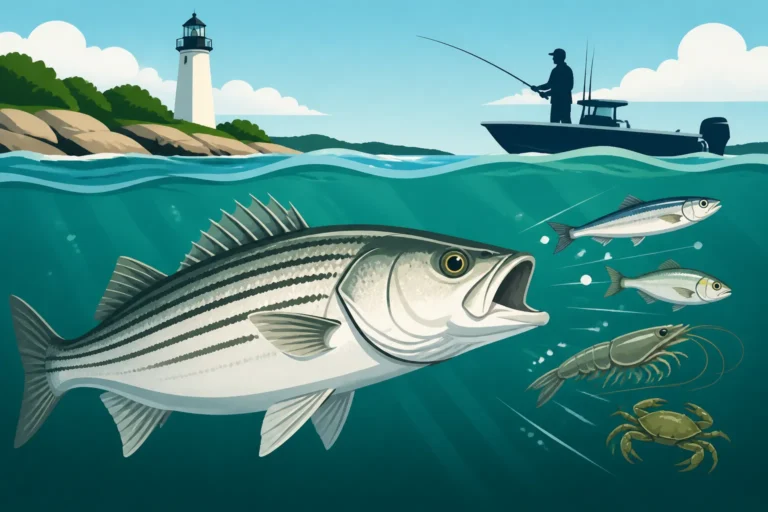
A well-fed fish is a healthy fish, and a healthy fish has a better chance at a long life. Striped bass are opportunistic predators, and their diet can vary depending on what's available. In Connecticut waters, they feast on everything from various baitfish like Atlantic menhaden, mackerel, and silversides, to squid and crabs. If there's an abundance of their preferred forage, they grow faster, become stronger, and are more resilient to disease and stress. Conversely, periods of scarce food can stunt growth, weaken fish, and make them more susceptible to illness or predation, effectively shortening their potential lifespan. The availability of What Atlantic menhaden are and why they matter to striped bass is especially critical, as these oily baitfish are a primary food source for larger stripers. When menhaden populations are strong, the stripers benefit immensely, showing better growth rates and overall health.
Fishing Pressure and Mortality
This is where we, as anglers, come into the picture. Fishing pressure, especially on larger, older fish, can significantly impact the average lifespan of the population. While regulations like slot limits and size restrictions are in place to manage the take and protect the breeding stock (you can find current rules in our Connecticut Fishing Regulations Explained article), accidental mortality from catch and release can also be a factor, particularly with inexperienced handling or when fish are deeply hooked.
Consider the data in this table, which illustrates how fishing pressure, alongside natural factors, shapes the potential for a striped bass to reach its maximum age:
| Age Class | Typical Length Range (inches) | Primary Challenges Affecting Longevity | Angler Impact |
|---|---|---|---|
| Juvenile | <18 | Predation, habitat quality, food availability | Minimal direct, but habitat advocacy helps |
| Sub-Legal | 18-28 | Predation, food competition, catch-and-release mortality (improper handling) | Proper catch & release, minimizing stress |
| Legal | 28-31 (slot, varies) | Fishing pressure (harvest), environmental stress | Adhering to slot limits, careful harvest/release |
| Breeding | 32-40+ | Fishing pressure (harvest), spawning stress | Catch & release for trophy fish, respecting limits |
| Trophy | 40+ | Fishing pressure (harvest), natural senescence, environmental extremes | Catch & release for maximum survival, careful handling |
The goal of responsible fisheries management and ethical angling is to reduce angler-induced mortality, especially for those vital breeding and trophy-sized fish, allowing more of them to live out their full potential and contribute to future generations.
Understanding Age, Growth, and Trophy Potential
It's natural for us to associate a fish's size with its age, but there's more to the story. While a big striper is certainly an old striper, the growth rate isn't always linear, and scientists have some pretty cool ways of figuring out just how old that fish really is.
How Scientists Determine Striped Bass Age
Ever wondered how biologists know how old a fish is? It's not like counting tree rings, but it's pretty close! They often examine otoliths, which are small ear bones found in the fish's head. These bones have growth rings, much like a tree, that form annually. By carefully removing and sectioning an otolith, scientists can count these rings under a microscope, giving them a precise age for the fish. This method is incredibly valuable for understanding the age structure of the population, identifying dominant year classes, and tracking growth trends. Scales can also be used, though they are less accurate than otoliths, as growth rings are visible on them too. This scientific insight helps inform the regulations that are designed to protect these fish, ensuring a sustainable fishery for us all.
The Link Between Age and Size
While age and size are generally correlated, meaning older fish tend to be larger, it's not a perfect one-to-one relationship. Factors like food availability, water temperature, and genetic predispositions can all influence how quickly a striped bass grows. A fish from a particularly rich feeding ground might grow faster than one in a less abundant area, even if they're the same age. This is why you can sometimes catch two fish of similar size, only to find one is significantly older than the other once scientists examine their otoliths. Our guide on Striped Bass Growth Rate to Trophy Size delves deeper into these dynamics, explaining how certain conditions lead to those truly massive, long-lived specimens. It's a testament to the variability of nature and why every catch tells a unique story.
Managing for Longer-Lived, Larger Fish
The goal of fisheries management is to ensure a healthy population across all age classes, with a particular emphasis on allowing enough fish to reach maturity and spawn multiple times throughout their lives. This includes protecting those older, larger females, which are often the most prolific spawners, producing a higher quantity and quality of eggs. Regulations like slot limits, which allow anglers to keep fish within a certain size range while protecting both smaller, immature fish and larger, older breeding fish, are specifically designed with this in mind. By allowing fish to live longer, we increase the chances of more successful spawning events, contributing to the overall health and resilience of the striped bass population. It's a long-term game, and patience and responsible angling are key.
Angler's Role in Supporting Striped Bass Longevity
As stewards of the sport, we have a profound impact on the lifespan of striped bass. Our choices, from how we handle a fish to our understanding of regulations, can significantly contribute to their survival and the health of the fishery.
Practicing Responsible Catch and Release
Let's be real: not every fish we catch is a keeper, and even if it is, sometimes we choose to release it. When we do, how we handle that fish can be the difference between it swimming away strong to live another day and it succumbing to stress or injury later on. Use appropriate tackle to land fish quickly, minimize air exposure, and use tools like dehookers to remove hooks gently. Consider using circle hooks, especially when fishing with bait, as they are proven to reduce gut hooking and increase post-release survival. For more specific tips, check out our guide on striped bass catch and release survival tips. If you’re looking to upgrade your catch-and-release gear, like specialized pliers or knotless landing nets, you can often find a great selection on Amazon that makes handling fish easier and safer for them.
Understanding and Following Regulations
Connecticut has a comprehensive set of rules governing Connecticut Saltwater Fishing Regulations by Species, and for good reason. These regulations are based on scientific data and are designed to protect fish populations, including striped bass, and ensure their long-term health. Ignorance of the rules is never an excuse, and fishing without a valid license or keeping undersized or oversized fish can lead to significant penalties. Take the time to read the annual fishing guide, stay informed about any changes, and always measure your catch accurately. These rules aren't meant to make fishing harder; they're there to ensure our kids and grandkids can enjoy catching stripers just as much as we do. It’s a shared responsibility that allows a greater number of fish to reach their full potential lifespan.
Advocating for Healthy Habitats
Beyond what happens on the hook, the overall health of the striped bass population depends on a healthy environment. This means supporting efforts to reduce pollution, protect critical spawning and nursery grounds, and ensure robust forage fish populations. Anglers can join local conservation groups, participate in clean-up events, and voice their concerns to elected officials. Every little bit helps. The more we protect their entire ecosystem, from the smallest baitfish to the largest estuaries, the better chance striped bass have to live long, healthy lives. You can find resources and even books on marine conservation efforts on Amazon to deepen your understanding and find ways to get involved. A strong, long-lived striped bass population is a clear indicator of a thriving coastal ecosystem, something we should all strive for.
Disclaimer
This article is for general informational purposes only and does not constitute professional advice. Laws, prices and regulations vary by location and change over time. Consult a qualified professional for guidance on your specific situation.