What chain pickerel eat in Connecticut ponds
Have you ever spent a peaceful afternoon casting into a quiet Connecticut pond, only to feel utterly perplexed about why the chain pickerel just aren't biting? It's a common frustration for anglers, feeling like you're throwing everything but the kitchen sink at them with no success. The key often lies in understanding exactly what these toothy predators are naturally munching on. This guide will dive deep into the diverse diet of chain pickerel in Connecticut ponds, helping you decode their feeding habits to improve your chances of a successful outing.
The Opportunistic Predator: Understanding Chain Pickerel Feeding Habits
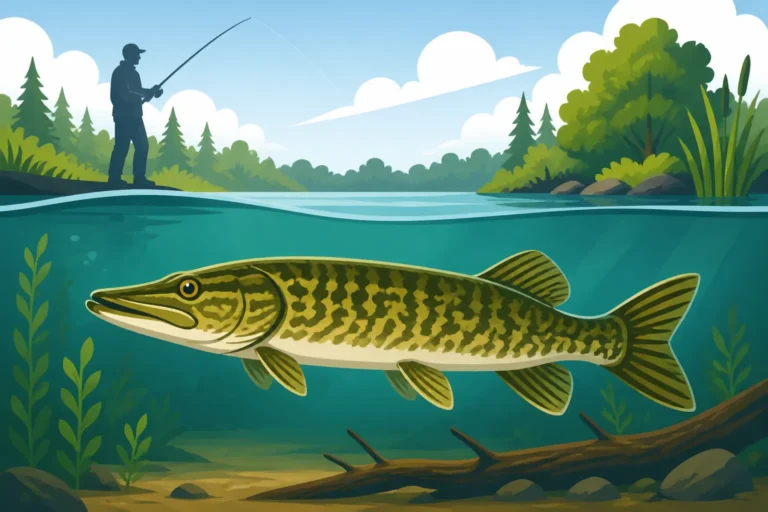
Chain pickerel, with their distinctive chain-like markings and elongated, duckbill-shaped snouts, are truly fascinating creatures that populate many of our beloved Connecticut ponds and slow-moving rivers. They aren't picky eaters; in fact, their entire existence revolves around being an opportunistic, ambush predator. Unlike some fish that might graze or meticulously pick at specific food sources, a pickerel's philosophy is pretty simple: if it moves and it fits in their mouth, it's probably on the menu. This makes them incredibly fun to target, but also means you need to think like them to truly understand what drives their feeding frenzies.
These fish are masters of camouflage, often lurking motionless amidst thick weed beds, submerged logs, or under lily pads. They wait, perfectly still, for an unsuspecting meal to swim by. When that moment comes, it's an explosive burst of speed and a lightning-fast strike. Their diet is incredibly varied, dictated mostly by what's readily available in their specific aquatic environment. A pickerel in a shallow, heavily vegetated pond will eat different things than one in a deeper, clearer lake, although there's certainly overlap. Understanding their habitat, which is often characterized by dense vegetation, is the first step in understanding their diet. These weed lines and submerged structures aren't just cover; they're also prime hunting grounds where their prey seeks refuge.
Key Prey Species in Connecticut Ponds
When you’re trying to figure out what chain pickerel eat, it’s best to think about what other creatures call those same Connecticut ponds home. Pickerel are ecosystem-level predators, meaning they primarily consume what's most abundant in their immediate surroundings. Their keen eyesight and incredible speed make them formidable hunters of anything from tiny minnows to small amphibians.
Smaller Baitfish
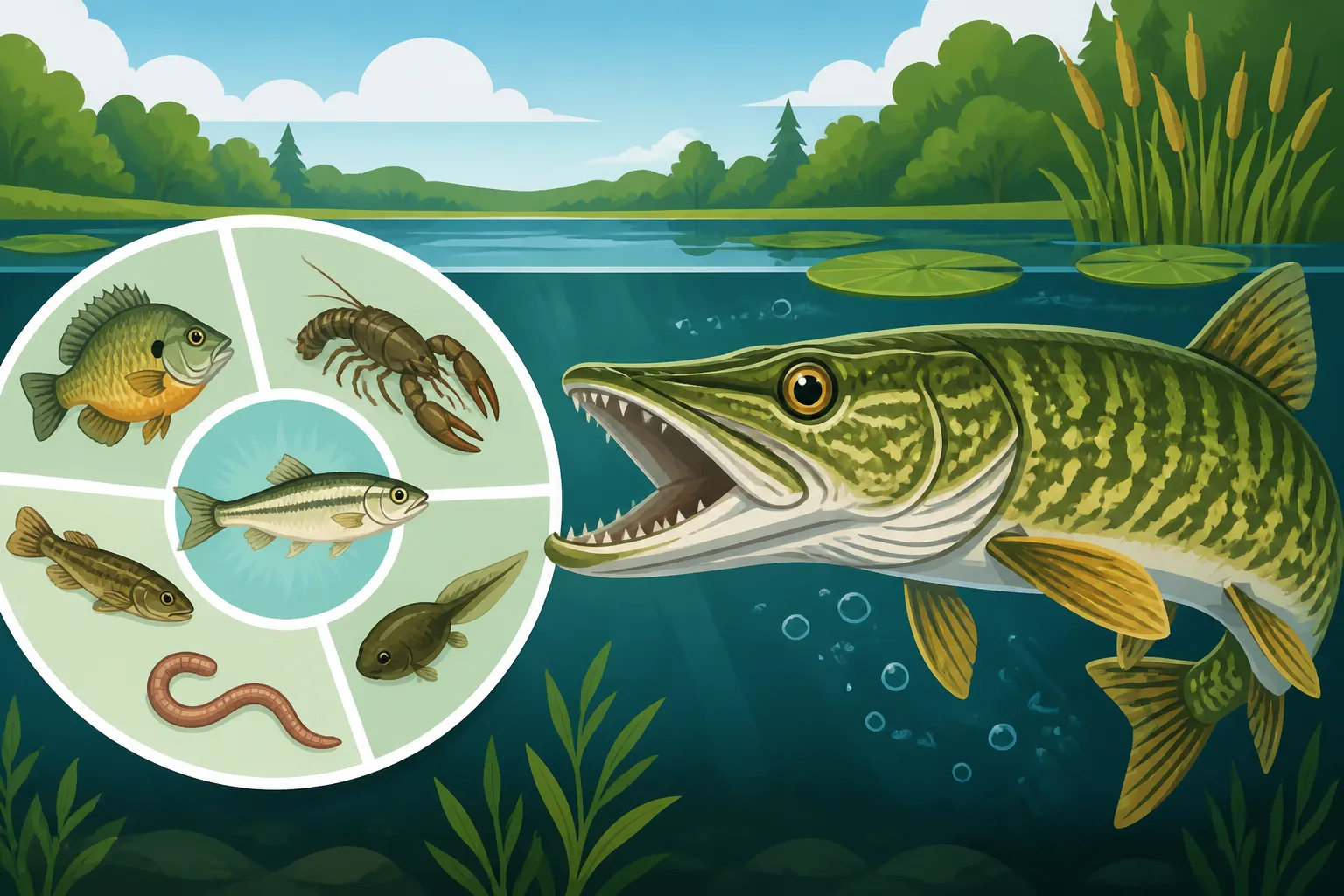
Without a doubt, smaller baitfish make up the bulk of a chain pickerel's diet. These are the most common and energy-efficient food source available in nearly every Connecticut pond. Pickerel are hardwired to chase down these finned morsels, and their ambush tactics are perfectly suited for it.
You'll find them keying in on various types of minnows, such as fathead minnows and golden shiners, which often school in the shallower, vegetated areas where pickerel love to hide. Beyond just minnows, young panfish are a huge part of their diet. Picture a school of unsuspecting bluegill or pumpkinseed sunfish darting through the weeds; to a pickerel, that's like a buffet. Even small yellow perch, before they grow too large, become easy targets. These smaller fish are relatively easy to catch, especially when they stray too far from dense cover, and provide a substantial meal for a growing pickerel. If you can mimic the frantic, darting movements of these baitfish with your lure, you're halfway to fooling a pickerel. You can find a huge variety of minnow-imitating lures and soft plastics on platforms like Amazon that are perfect for this.
Aquatic Insects and Larvae
While adult pickerel are certainly capable of gulping down larger prey, aquatic insects and their larvae play a significant role, especially for younger pickerel or when other food sources are scarce. Don't underestimate the protein punch packed by a juicy dragonfly nymph or a wriggling beetle larva!
These invertebrates are abundant in the thick vegetation and mucky bottoms that pickerel often inhabit. Dragonfly nymphs, for example, are quite large and predatory themselves, making them a substantial meal for smaller pickerel. As pickerel grow, they might shift their focus to larger prey, but these smaller, nutrient-rich meals are crucial for their early development and sustain them during leaner times. When you see a pickerel dart into a weed bed, it's not always after a fish; sometimes, they're simply clearing out a pocket of crunchy insect life.
Amphibians and Reptiles
Ah, the surface strike! There's nothing quite like it, and often, it's a pickerel taking advantage of an amphibian or small reptile venturing into the water. Frogs, in particular, are a favorite seasonal delicacy for chain pickerel.
When spring arrives and the ponds come alive, smaller frogs like spring peepers, wood frogs, and even juvenile green frogs become prime targets. These amphibians are slower, less agile than baitfish in the water, and often make noisy, splashing movements that attract a pickerel's attention. A frog swimming across the surface of a lily pad field is practically ringing the dinner bell. Occasionally, very small snakes or salamanders that enter the water might also fall victim to a hungry pickerel. This highlights their opportunistic nature; if it’s there and it’s vulnerable, they'll seize the chance. This is why topwater frog imitations can be so incredibly effective, especially in warm, calm weather.
Crustaceans and Invertebrates
Beyond fish and amphibians, pickerel aren't above munching on a good old crustacean. Crayfish, though perhaps not the primary food source in every Connecticut pond, are certainly on the menu where they are present.
Crayfish are a rich source of protein and fat, making them a desirable meal. Pickerel will often root around in the bottom vegetation or rocky areas to find them. While crayfish are usually bottom dwellers, they can become vulnerable when molting or moving across open areas. Leeches, though smaller, are also a readily available and easy meal for pickerel. These invertebrates are slow-moving and provide a consistent food source in many murky, vegetated environments. Lures that mimic the darting and scurrying motion of crayfish, such as soft plastic jigs in natural colors, can be surprisingly effective for pickerel that are keyed into this particular food source.
Unexpected Menu Items
Sometimes, pickerel demonstrate just how opportunistic they truly are by preying on things you might not expect. While not common, these instances highlight their predatory instincts.
Occasionally, you'll hear tales of a pickerel striking a small mouse that fell into the water or even a tiny duckling. These are rare occurrences, but they speak volumes about a pickerel's readiness to seize any chance for a meal, especially when it creates a commotion on the surface. Perhaps the most interesting "unexpected" item is other pickerel. Yes, chain pickerel are known to be cannibalistic, especially when food is scarce or when a smaller, injured pickerel presents an easy target. It's a tough world out there in the pond, and survival often means eating anything, even your own kind. This also explains why large, flashy spoons and spinnerbaits can sometimes entice a strike; they might be perceived as an injured, struggling fish.
Seasonal Dietary Shifts and Environmental Factors
Just like us, chain pickerel's appetite and what they choose to eat can change throughout the year. The seasons, water temperature, and the availability of prey all play a huge role in their dining habits in Connecticut ponds. Understanding these shifts can give you a real edge.
Springtime Feasting
Ah, springtime in Connecticut! The ice has melted, the days are getting longer, and pickerel are waking up with a serious case of the munchies. After a long, cold winter under the ice, these fish are often ravenous and looking to replenish their energy reserves. This is a prime time for active feeding.
As the water warms up, baitfish become more active and start moving into shallower areas. This immediately puts them within striking distance of lurking pickerel. Spring is also when many amphibians begin their migrations to breeding grounds, making them incredibly vulnerable. Think of frogs hopping across the water or newts swimming just below the surface—these are easy targets for a hungry pickerel that needs to regain weight and prepare for spawning. You'll find pickerel particularly aggressive during this post-spawn period, willing to chase down almost anything that looks like a meal. This is a great time to experiment with faster retrieves and more erratic lure actions, as they're not afraid to expend energy for a meal.
Summer Sustenance
Connecticut summers bring warmer water, dense weed growth, and often a slightly more subtle approach from pickerel. While they are still very active, their metabolism might slow down a bit in the hottest parts of the day, and they'll often retreat to cooler, oxygen-rich areas.
During summer, pickerel will often key in on the thicker weed lines, lily pad fields, and areas of submerged timber. These spots provide both shade from the sun and ambush points for prey. They might still target baitfish, but they'll often be waiting in the thickest cover, ready to pounce on anything that swims too close. Insects falling from overhanging trees or vegetation can also become easy meals. You might find them less willing to chase a lure across open water, preferring a meal that practically lands in their lap. Consider slowing down your retrieve or focusing on lures that can be worked through dense cover, like weedless spoons or soft plastics. Knowing Where chain pickerel live in Connecticut can greatly inform your summer tactics.
Fall Foraging
As the air gets crisp and the leaves begin to turn, chain pickerel enter a significant feeding period, similar to many other freshwater predators. This is their time to bulk up for the lean winter months ahead.
Water temperatures start to cool, which often revitalizes pickerel, making them incredibly active and aggressive. Baitfish, feeling the impending chill, often begin to school up more tightly and move into deeper pockets or channels within the ponds. Pickerel will follow these baitfish schools, often staging at the edges of drop-offs or along prominent weed lines. They become less hesitant to strike and will often hit lures with ferocity. This is a fantastic time to use larger lures that imitate substantial baitfish, as pickerel are looking for big, calorie-rich meals. Don't be surprised if you hook into some of the biggest pickerel of the year during this time. For insights into their behavior, check out Chain Pickerel Habits in Connecticut Ponds.
Winter Persistence (Ice Fishing)
Just because the pond is covered in a sheet of ice doesn't mean chain pickerel stop eating! While their metabolism slows down significantly, they remain active predators throughout the winter in Connecticut.
Under the ice, pickerel are still on the hunt, albeit with less explosive energy. They'll often cruise along the undersides of the ice, near weed edges, or around submerged structures, looking for sluggish baitfish. Minnows, particularly those that are somewhat stunned or moving slowly in the cold water, become prime targets. While they might not chase a lure as far or as fast as they would in summer, a well-presented jig or a live minnow on a tip-up can be incredibly effective. Understanding Best Techniques for Winter Pickerel or using a Best Jig for Winter Pickerel Through the Ice is crucial during this season. Don't let the cold deter you; pickerel can provide some thrilling action during a Ice Fishing in Connecticut trip.
Applying This Knowledge: Lures and Baits to Imitate Pickerel Prey
Now that we know what chain pickerel love to eat in Connecticut ponds, how do we translate that into successful fishing? It’s all about presentation and imitation. Choosing the right lure or bait that mimics their natural food sources is paramount. Remember, pickerel are visual predators, so making your offering look and move like something on their dinner menu is key.
Lures Mimicking Baitfish
Since baitfish are the cornerstone of a pickerel's diet, lures designed to imitate them are often your best bet. There's a reason why classic lures have stood the test of time when it comes to pickerel fishing.
Spoons, especially those with reflective silver or gold finishes, are fantastic. The wobble and flash perfectly mimic an injured or fleeing baitfish. Think about the classic "Five of Diamonds" pattern; it's a pickerel magnet! Spinnerbaits, with their vibrant skirts and flashing blades, create a lot of vibration and visual appeal that can trigger a reactionary strike. Chartreuse and white are often killer colors, especially in stained water. Inline spinners also work wonders, providing both flash and movement, similar to a small, darting minnow. Smaller jerkbaits and swimbaits, retrieved with an erratic stop-and-go action, can look exactly like a disoriented baitfish struggling through the water. When you're browsing for these, you'll find countless options on Amazon, and it's worth investing in a few different sizes and colors to match the forage in your specific pond. You might want to refer to Best Bait for Chain Pickerel in Weed Beds for more specific recommendations.
Lures Mimicking Frogs and Crayfish
When pickerel are keying in on amphibians or crustaceans, you need lures that specifically imitate those movements and profiles. These can lead to some truly exciting surface strikes!
Topwater poppers and frog imitations are absolute game-changers, especially during warmer months when frogs are active. The "plop" and splash of a popper or the realistic swimming action of a soft plastic frog can drive a pickerel wild. They'll explode on these lures with incredible force. For crayfish, jigs with soft plastic trailers are incredibly effective. Look for jigs in natural colors like green pumpkin, black, or brown, and work them along the bottom with short hops and pauses, mimicking a scurrying crayfish. Soft plastic creature baits, which have various appendages that flap and move, can also be excellent for imitating crayfish or even larger insect larvae. Don't forget that these lures can also be effective even if pickerel aren't actively eating crayfish; their profile and action can simply trigger a strike.
Live Bait for Maximum Appeal
Sometimes, when the bite is tough, or you simply want to offer the most irresistible meal possible, live bait is the way to go. Nothing truly beats the real thing when it comes to mimicking natural prey.
Live shiners, fatheads, or small golden shiners are hands down the most effective live bait for chain pickerel. Their natural scent, frantic movements, and realistic appearance are often too much for a pickerel to resist. You can fish them under a bobber near weed lines, slowly retrieve them, or use them on a tip-up for ice fishing. While less common, a small worm can sometimes tempt a pickerel, especially a younger, smaller one. Always ensure your live bait is healthy and active to provide the most enticing presentation. Remember to check Connecticut Fishing Regulations Explained for any rules regarding live bait in specific waters.
Best Practices for Success
Knowing what they eat is just one piece of the puzzle; knowing where and how to present your offering is equally important.
Always focus your efforts near cover. Pickerel are ambush predators, and they live in the thick stuff. Target weed lines, lily pad fields, submerged logs, beaver lodges, or any other structure that provides them with a hiding spot. Varying your retrieve speed is crucial. Sometimes they want a fast, erratic retrieve to trigger a chase, other times a slow, methodical presentation is what gets their attention. Don't be afraid to experiment! And finally, always use sharp hooks. Pickerel have bony mouths and incredibly sharp teeth, and a dull hook will often lead to a missed fish or a lost lure. Consider carrying a hook sharpener with you, or replacing hooks frequently. These fish put up a fantastic fight, and you want to be ready to bring them in. If you're looking for more advanced tips, check out Best Techniques for Chain Pickerel.
| Pickerel Prey Type | Lures/Baits to Imitate | Retrieval Tips | Best Seasons/Conditions |
|---|---|---|---|
| Baitfish (Minnows, Sunfish) | Spoons (silver, gold, "Five of Diamonds"), Spinnerbaits (chartreuse, white), Inline Spinners, Jerkbaits, Swimbaits, Live Shiners/Minnows | Erratic retrieve, stop-and-go, steady reel, slow troll (for live bait), twitch and pause | Year-round, especially Spring/Fall, low light conditions |
| Frogs/Amphibians | Topwater Poppers, Soft Plastic Frog Imitations | Walk-the-dog, short pops, long pauses, gurgling retrieves | Warmer months (late Spring, Summer), lily pads, calm water |
| Crayfish/Invertebrates | Jigs with soft plastic trailers (green pumpkin, black), Soft Plastic Creature Baits | Bottom hops, drag and pause, slow crawling, slight jigging | All seasons, particularly near rocky bottoms or submerged timber |
| Insects (Larvae) | Small Jigs, Nymph patterns (fly fishing), small grubs | Slow retrieves, dead drifts, subtle twitches near vegetation (more for smaller/younger pickerel) | All seasons, less dominant for large adults |
| Smaller Pickerel | Large Spinnerbaits, Jointed Swimbaits, large spoons (cannibalism) | Aggressive, fast retrieves, mimic injured fish | Year-round, especially when food is scarce |
Disclaimer
This article is for general informational purposes only and does not constitute professional advice. Laws, prices and regulations vary by location and change over time. Consult a qualified professional for guidance on your specific situation.