Are Carp Good to Eat from Connecticut Waters?
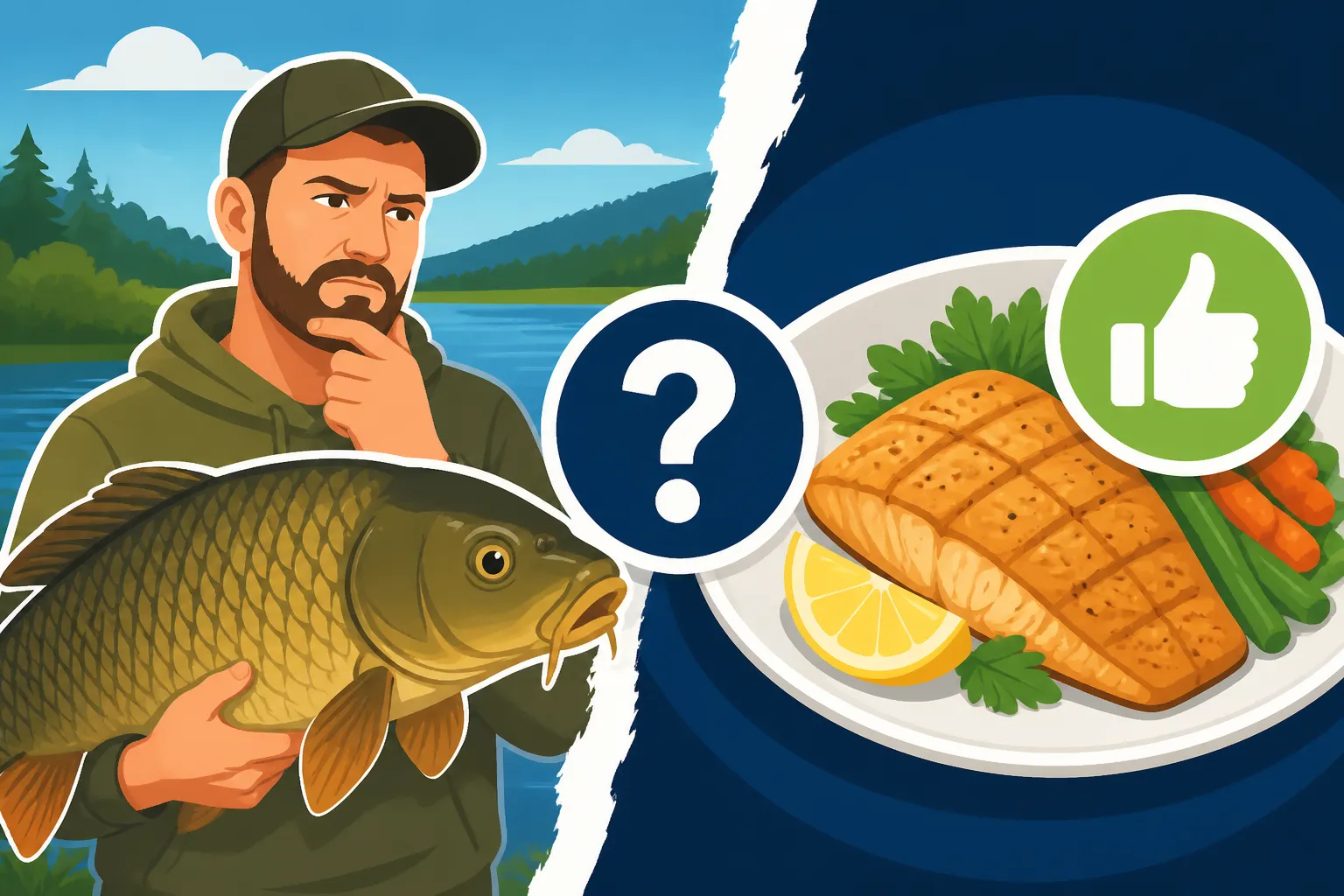
Oh boy, the question of whether carp from Connecticut waters are good to eat is one that stirs up a lot of debate among anglers. For years, these powerful freshwater giants have been unfairly stigmatized, often dismissed as "trash fish" or only fit for bait. But I'm here to tell you that this perception often comes from a place of misunderstanding about their habits, preparation, and the rich culinary traditions that actually celebrate them. This guide will dive deep into everything you need to know to decide if Connecticut carp deserve a spot on your dinner plate, from understanding their environment to the best ways to prepare them for a delicious meal.
The Carp Conundrum: Understanding Their Reputation
It’s completely understandable why many Connecticut anglers shy away from eating carp. There’s a widespread belief that they’re bottom-feeders that taste muddy, are full of bones, and generally undesirable. This reputation, however, doesn't always tell the whole story, and it’s a narrative often passed down through generations without much hands-on experience in modern preparation.
Why Carp Get a Bad Rap (And Why It's Often Unfair)
Let's be real: when you hear "carp," your mind probably goes to murky pond water, right? You picture them stirring up the bottom, feeding on detritus, and generally not looking like the cleanest catch. This image is powerful, and it definitely contributes to the idea that they must taste bad. Historically, carp were also often found in waters that weren't the cleanest, especially in urban areas, further cementing their undesirable status. But many of our Connecticut waters, even those with carp, are quite clean.
The truth is, carp are omnivores and scavengers, but they're also opportunistic feeders. They'll eat insects, crustaceans, plant matter, and yes, sometimes mud. However, their diet is incredibly diverse, and in clean, flowing rivers or large, well-oxygenated lakes, their diet can be remarkably clean. Think of it this way: a carp living in a pristine section of the Connecticut River is going to have a very different diet and flesh quality than one caught in a stagnant, polluted urban pond. The "muddy taste" is often more a reflection of their environment and what they've been eating recently, rather than an inherent quality of the fish itself.
Different Types of Carp in Connecticut (and Why It Matters)
When we talk about "carp" in Connecticut, we're usually referring to Common Carp (Cyprinus carpio). These are the most prevalent species, recognized by their large scales and distinctive barbels around the mouth. However, it's worth noting that there are other species like the Grass Carp, though they are less common and typically managed for aquatic vegetation control. Common Carp are the ones you'll most often encounter while fishing.
The specific type of carp you catch isn't just a biological detail; it can impact your culinary experience. While Common Carp are the main subject here, it's good to be aware. No matter the type, understanding where the fish came from is paramount. The biggest impact on taste isn't the species as much as the habitat. A Common Carp from a clear, cold lake will likely taste far better than one from a warm, muddy, stagnant pond. Pay attention to your fishing spot – Common carp size and habits in Connecticut lakes are often much more dynamic than you might think, and their environment plays a huge role.
The Impact of Environment on Taste
This is perhaps the most crucial factor in whether a carp will be "good to eat." A carp's diet and environment directly influence the flavor and quality of its flesh. Fish from cold, clear, flowing waters, like many sections of the Connecticut River or larger, deep lakes, tend to have firmer, cleaner-ttasting meat. They're often feeding on insects, small crustaceans, and other natural forage, which leads to a less "muddy" flavor profile.
Conversely, carp caught from warm, shallow, stagnant ponds with silty bottoms might indeed have that strong, earthy, or muddy taste that gives them their bad reputation. These fish might be feeding more heavily on detritus and algae, which can impart off-flavors to their flesh. If you're serious about trying carp, targeting them in quality environments is your first step to a better meal. Consider Common carp size and habits in Connecticut lakes and focus on areas known for good water quality and current.
Preparing Carp for the Table: From Water to Plate
So, you've caught a beautiful carp from a clean Connecticut waterway and you're ready to give it a fair shot. Great! But the journey from the water to a delicious meal involves a few key steps that can make all the difference. This isn't like cleaning a trout or a fluke; carp require a bit of special attention.
Essential Cleaning Techniques for Carp
The first step after catching your carp is to dispatch it humanely and then get it on ice quickly. This is critical for any fish you plan to eat, but especially for carp, as it helps preserve the flesh quality. When it comes to cleaning, carp present a few challenges: their tough scales and their unique bone structure.
Many experienced carp eaters advocate for skinning the fish rather than scaling it. The scales are large, tough, and can be a real pain to remove thoroughly. To skin a carp, make an incision behind the gills, cut along the dorsal fin, and then use pliers to peel the skin off. It's a bit more work, but it saves you the hassle of scales everywhere. Once skinned, you can fillet the fish as you would a large bass. Be warned: carp have a lot of intramuscular bones (sometimes called "Y-bones") in their fillets. These are the main reason some people dislike eating carp. However, with a little practice, these can be managed. Some anglers choose to cut the fillets into smaller pieces, allowing them to easily pick out the bones as they eat, or they grind the meat for patties, effectively eliminating the bone issue entirely.
Dealing with the "Mud Vein" and Fishy Flavors
One of the most common complaints about carp is the "muddy" or overly "fishy" taste. A significant contributor to this is often a dark, reddish streak of meat that runs along the lateral line of the fillet, sometimes called the "mud vein." This is actually a fatty tissue that tends to hold onto any undesirable flavors from the fish's diet and environment.
To significantly improve the taste of your carp, it is highly recommended to trim out this dark red "mud vein" completely. Just take a sharp fillet knife and carefully cut it away from the lighter, cleaner flesh. This step alone can transform the flavor. Additionally, after cleaning and filleting, many chefs and anglers recommend soaking the fillets in a brine solution (saltwater), milk, or even a mixture of water and vinegar for an hour or two in the refrigerator. This further draws out any remaining off-flavors and helps to firm up the meat. You can find excellent food-grade salt for brining on platforms like Amazon if you're looking for a bulk supply.
Culinary Approaches to Carp (Beyond Just Frying)
Once your carp fillets are cleaned, de-veined, and perhaps brined, you're ready to cook! While deep-frying is a popular and delicious method for many freshwater fish, carp is incredibly versatile and can stand up to a variety of cooking styles. The key is often to use methods that highlight its firm, white, somewhat flaky meat.
- Frying: Of course, crispy fried carp is a classic for a reason. Cut the fillets into manageable pieces, season well (lemon, garlic, paprika, and cayenne are great), coat in a cornmeal or flour mixture, and fry until golden brown. This works wonderfully with the lighter meat.
- Grinding: For those who absolutely dread dealing with bones, grinding the carp meat is an excellent solution. You can then form it into fish cakes, meatballs, or even use it in tacos or chili. The texture is fantastic for this, and it totally bypasses the Y-bone problem.
- Smoking: Carp takes incredibly well to smoking. The rich, fatty flesh absorbs smoke flavor beautifully. Brine the fillets overnight, then smoke them low and slow until tender and flavorful. Smoked carp makes fantastic dips or can be eaten on crackers.
- Baking/Roasting: Don't underestimate a simple baked or roasted carp fillet. Season with herbs, lemon, and olive oil, then bake until flaky. You can even try a foil packet bake with vegetables.
- Stew/Chowder: The firm flesh of carp holds up well in soups and stews. Think about a hearty fish stew with root vegetables, or even a robust chowder.
Don't be afraid to experiment with bold flavors, as carp can handle them. A quick search on Amazon for "fish seasoning" will show you countless blends that would work wonderfully with carp, from Creole to Mediterranean.
Safety First: Consumption Advisories and Water Quality
Before you start planning your carp feast, it's absolutely vital to consider the safety aspects of eating wild fish, especially from specific locations. While carp can be delicious, understanding local advisories and choosing your fishing spot wisely are paramount for your health.
Understanding Connecticut's Fish Consumption Advisories
The Connecticut Department of Public Health (DPH) issues fish consumption advisories for various bodies of water throughout the state. These advisories are put in place to protect the public from potential contaminants like mercury, PCBs, and other chemicals that can accumulate in fish flesh over time. Larger, older fish, and bottom-feeding species like carp, can sometimes accumulate higher levels of these contaminants.
It is crucial to check the most current DPH advisories for the specific body of water where you plan to fish. These advisories will often provide specific recommendations on how much of a particular species, if any, is safe to consume, especially for vulnerable populations like pregnant women, nursing mothers, and young children. Ignoring these advisories is a serious health risk. You can usually find these on the official Connecticut state website. Remember, these advisories exist for your safety, so always prioritize them.
Choosing Your Fishing Spot Wisely for Best Results
As we touched on earlier, the environment of the fish makes a huge difference in taste. But beyond taste, it also impacts safety. When considering Are Carp Good to Eat from Connecticut Waters?, you need to think about water quality. Generally speaking, carp caught from large, flowing rivers or deep, clean lakes tend to be a better bet, both for flavor and often for lower contaminant levels, simply due to the constant flushing and larger water volume.
Avoid fishing for carp in small, stagnant ponds, especially those near industrial areas or heavy agricultural runoff. These waters are more likely to harbor higher concentrations of contaminants and also produce fish with that notorious muddy taste. If you're not sure about the water quality, err on the side of caution. Focus on well-known, actively managed waterways. Places like the larger stretches of the Connecticut River or our bigger, cleaner lakes might be good starting points. Connecticut River Shad Fishing also shows the vitality of the river, which is a good indicator of overall health.
General Health Considerations When Eating Wild Fish
Beyond specific advisories, there are general considerations for consuming wild-caught fish. Variety in your diet is always a good idea, so even if you love carp, don't make it your only source of fish. Cooking methods can also play a role. Trimming fat, which is where many contaminants accumulate, is a good practice, and that's another reason to remove that "mud vein" from carp fillets.
Always cook fish thoroughly to an internal temperature of 145°F (63°C) to kill any potential parasites or bacteria. This is standard food safety for all fish, wild or farmed. By being informed, careful about your fishing location, and diligent in preparation, you can safely enjoy a variety of fish from Connecticut waters, including carp.
Personal Experience and Community Insights
I've been fishing in Connecticut for a long time, and I've seen the pendulum swing on carp. What was once seen as a nuisance is slowly gaining a more respectful following, especially among those who understand their fighting prowess and, yes, their potential as table fare. There's a whole world of anglers who genuinely enjoy targeting and eating carp!
Local Anglers' Tips and Tricks for Delicious Carp
Talk to serious carp anglers in Connecticut, and you'll find a wealth of knowledge. Many will tell you that the smaller carp, say under 5-10 pounds, tend to have better-tasting, less bony meat. The really giant, old ones are incredible fighters but often have tougher, fattier, and more potentially contaminated flesh. So, if you're looking for dinner, focus on the medium-sized fish.
Another tip often shared is to keep the fish alive in a cooler with fresh, clean water for a day or two after catching them. This "purging" process allows the fish to clear its digestive system, further reducing any muddy flavors. Think of it like conditioning the fish for the table. While it takes extra effort, many swear by it for a superior taste. And again, don't forget to remove that lateral line "mud vein" – it's probably the most critical step for improving flavor. One angler I know even swears by poaching smaller carp in a flavorful broth before flaking the meat off the bones for fish salad.
Dispelling Myths and Embracing a Sustainable Resource
It's time we start looking at carp not just as a "trash fish" but as a powerful, abundant, and underutilized food source right here in Connecticut. They are prolific breeders, grow to impressive sizes, and are incredibly hardy. Unlike some other species that might be facing population pressures, carp are thriving in many of our waters, providing a sustainable option for anglers looking for something different.
By educating ourselves on proper cleaning, preparation, and respecting consumption advisories, we can broaden our culinary horizons and make good use of a resource that often goes to waste. Plus, catching a big carp can be an exhilarating experience! They're powerful fighters on a rod and reel. Maybe it's time to put aside old prejudices, grab your gear, and give Connecticut carp a chance on your next fishing adventure. You might just surprise yourself and discover a new favorite meal. And hey, if you're bringing a carp home, remember to check Connecticut Fishing Regulations Explained for any specific rules on harvest.
Here's a quick comparison of common methods for preparing carp:
| Preparation Method | Pros | Cons | Best For | Flavor Profile (with proper prep) |
|---|---|---|---|---|
| Frying | Crispy texture, quick cooking, familiar flavor. | Can be greasy if not done right. | Smaller fillets, quick meals. | Mild, savory, can be spiced to taste. |
| Grinding | Eliminates bone issues, versatile for patties/tacos. | Requires a meat grinder, texture change from whole fillet. | Any size carp, fish cakes, chili, tacos. | Blends well with other ingredients, bones are no longer a concern. |
| Smoking | Deep, rich flavor; excellent for preserving. | Requires a smoker, longer cooking time. | Fattier fillets from larger fish, appetizers. | Smoky, savory, moist, can be made into dips. |
| Baking/Roasting | Healthy option, easy cleanup, less active cooking. | Can dry out if overcooked, may still have bone presence. | Medium-sized fillets, lighter meals. | Mild, tender, absorbs marinades well. |
| Stewing/Soup | Holds shape well, good for hearty meals. | Bones need to be managed during eating or broth preparation. | Any size carp, comforting cold-weather dishes. | Rich, hearty, fish flavor blends with vegetables and broth. |
For more details on specific species, you might be interested in reading about Common Carp in Connecticut Waters or perhaps looking into Connecticut Fishing Seasons by Month to know when carp fishing is best. If you're considering expanding your catch, understanding Panfish Fishing in Connecticut or even Largemouth Bass Fishing in Connecticut could be useful, as these species often share habitat with carp. Don't forget, a good knife is key for proper filleting; a sturdy, sharp one can be found easily on Amazon.
Disclaimer
This article is for general informational purposes only and does not constitute professional advice. Laws, prices and regulations vary by location and change over time. Consult a qualified professional for guidance on your specific situation.