What scup look like and where they live
Have you ever been out fishing in Long Island Sound, reeling in what you thought might be a small fluke or even a baby blackfish, only to pull up something with big eyes and a distinctly coppery sheen? It’s a common experience, and often that mystery fish is a scup, affectionately known as porgy by many seasoned anglers. These prolific bottom dwellers are often overlooked, but they’re a fantastic sport fish, delicious on the dinner plate, and a vital part of Connecticut’s marine ecosystem. This guide is going to clear up all the mystery, showing you exactly what scup look like so you can identify them with confidence, and more importantly, where you can find these abundant fish right here in Connecticut waters.
Unmistakable Features: What Scup Look Like
Scup, Stenotomus chrysops, are one of the most common saltwater fish you’ll encounter along the Connecticut coastline. While they might get mistaken for other bottom fish, especially when they're on the smaller side, they have several distinct characteristics that make them easy to identify once you know what to look for.
Distinctive Body Shape and Coloration
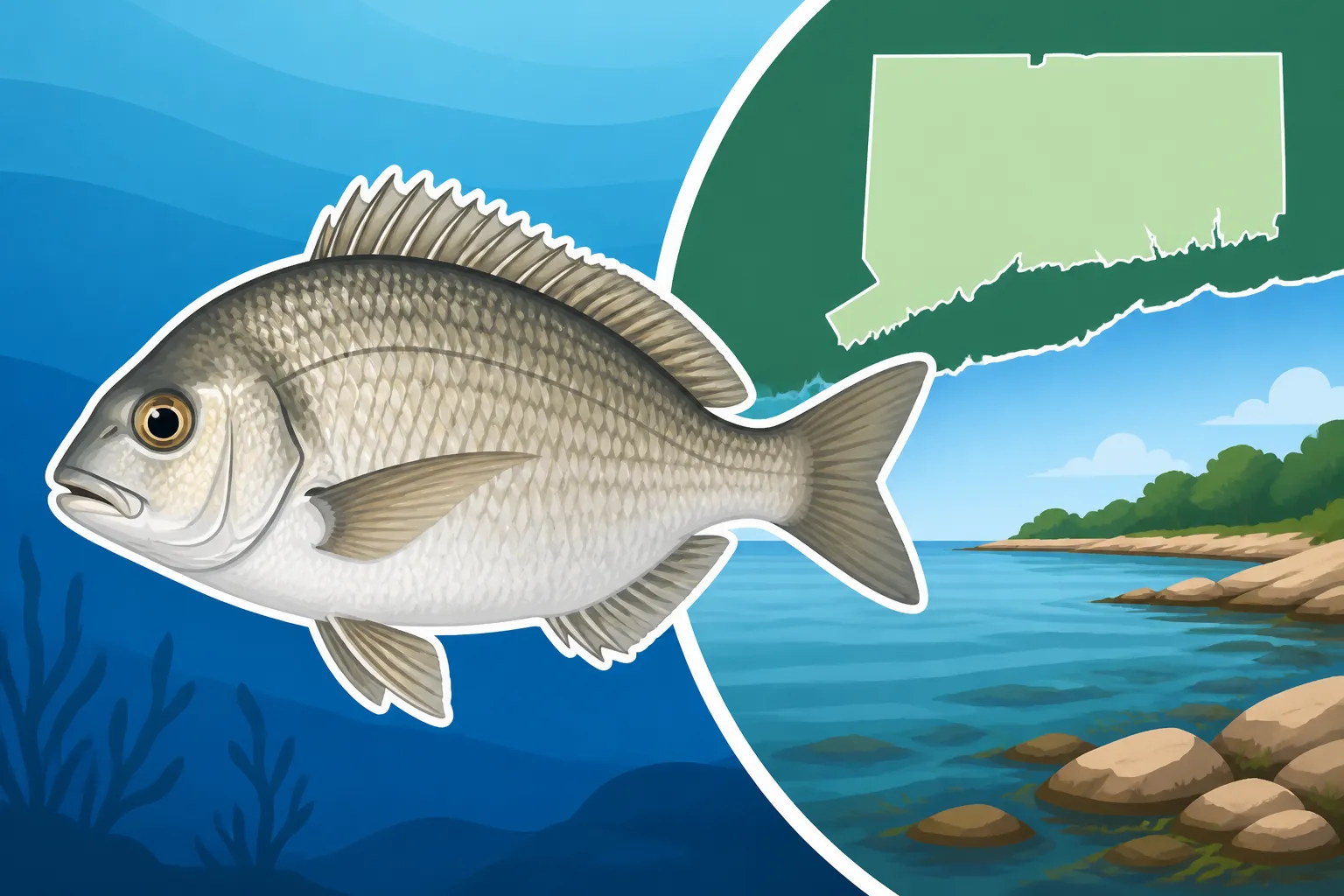
When you first pull a scup out of the water, its body shape immediately stands out. They possess a deep, compressed body, meaning they are tall from back to belly but relatively thin from side to side. Imagine a dinner plate, but slightly more oval and thicker. This deep body gives them surprising power for their size, especially when battling a strong current.
Their coloration is perhaps their most striking feature. Scup typically display a beautiful silvery-bronze or silvery-pink hue, often with iridescent blue or violet reflections along their sides, especially when fresh out of the water. This shimmering quality can be quite stunning. Their backs tend to be darker, often a dusky brown or greenish-brown, fading to a lighter, silvery belly. Some specimens might show faint, irregular dark bars or blotches on their sides, though these are not always pronounced. If you're looking for a good field guide to help you identify species like scup, you can often find comprehensive marine fish guides on Amazon.
Key Identifying Markings and Fins
Beyond their overall shape and color, specific features help nail down their identity. Their eyes are notably large and set high on their head, giving them excellent vision for foraging on the seafloor. Their mouth is relatively small, but it’s packed with strong, grinding teeth adapted for crushing the shells of crustaceans and mollusks, their primary food source. When you’re trying to identify your catch, pay close attention to the dorsal fin, which runs along most of their back. It’s a single, long fin, starting with 10 to 13 strong, sharp spines that transition into softer rays towards the tail. Be careful when handling them, as those dorsal spines, along with spines on their anal fin, can deliver a sharp prick!
The caudal fin, or tail fin, is moderately forked, providing good propulsion. Their pectoral fins (on the sides, behind the gills) are also fairly large and fan-like. When comparing them to, say, a black sea bass, you’ll notice that scup tend to have a more uniform, less spiny texture to their overall appearance, despite the dorsal spines. Black sea bass, for instance, often have more pronounced spiny fins and a mottled, darker coloration. For more details on other species, check out our guide on What Blackfish Tautog Look Like.
Size and Age Considerations
Scup typically range in size from about 8 to 14 inches in length in Connecticut waters, with larger "hubcap" sized fish sometimes reaching up to 18-20 inches. While they don’t get as big as some of the monsters of the deep, a 2-3 pound scup is a formidable fight on light tackle, and they can certainly put a bend in your rod. These larger individuals are often older fish, sometimes reaching up to 20 years of age. Their growth rate can vary based on food availability and water temperature, but generally, they grow steadily, making them a sustainable target species when managed properly. It’s always good to be familiar with the Connecticut Saltwater Fishing Regulations by Species to ensure you're keeping within legal limits.
Here’s a quick comparison of Scup to a couple of other common bottom fish you might encounter in Connecticut:
| Feature | Scup (Porgy) | Black Sea Bass | Fluke (Summer Flounder) |
|---|---|---|---|
| Body Shape | Deep, compressed (plate-like), oval | Robust, more elongated, often blocky head | Flat, wide, diamond-shaped, eyes on one side |
| Coloration | Silvery-bronze/pink, iridescent, faint bars | Dark brown/black, mottled, sometimes blue/green | Brown/olive, scattered spots/ocelli, can change color |
| Eyes | Large, set high on head | Moderately sized, distinct | Both eyes on the left side of the head |
| Mouth | Small, with strong grinding teeth | Larger, with canine-like teeth | Large, with sharp teeth |
| Dorsal Fin | Single, long, 10-13 sharp spines then soft rays | Long, continuous, distinct spines, fleshy tips | Long, continuous, soft rays, runs entire length |
| Tail Fin | Moderately forked | Rounded to slightly concave, sometimes elongated top ray | Rounded or slightly pointed |
| Habitat Focus | Rocky reefs, wrecks, mussel beds, hard bottom | Rocky reefs, wrecks, structure, offshore in winter | Sandy bottoms, channels, estuaries, mud flats |
Where Scup Call Home in Connecticut Waters
Now that you know what to look for, the next question is, where do you actually find these delightful fish? Scup are predominantly a saltwater species, thriving in the marine and estuarine environments along the eastern seaboard, and Connecticut's section of Long Island Sound is prime scup territory.
Preferred Habitats and Bottom Structure
Scup are creatures of structure. They absolutely love rocky bottoms, mussel beds, oyster reefs, wrecks, and any kind of underwater debris that offers both shelter and a smorgasbord of food. These structures create complex environments where they can hide from predators and ambush their prey. You won’t typically find large numbers of scup over vast, featureless sand flats, though they might traverse such areas when moving between feeding grounds.
Think of it like this: if you’re fishing an area that holds blackfish (tautog) or black sea bass, there’s an excellent chance scup are nearby, as they share similar preferences for rugged, broken bottom. Long Island Sound Fishing Guide covers many of these types of areas. Anglers fishing from shore often find success around rock jetties, breakwalls, and bridge pilings that extend into the Sound. For those with boats, looking for sudden depth changes, rock piles marked on navigation charts, or known wrecks can be highly productive. Many of these prime locations are explored in guides like Best Shore Fishing Spots in Connecticut and Best Kayak Fishing Spots in Connecticut.
Seasonal Movements in Long Island Sound
Scup in Connecticut waters exhibit distinct seasonal migratory patterns, moving between deeper offshore waters in winter and shallower inshore areas as the temperatures warm up.
- Spring: As spring progresses and water temperatures in Long Island Sound begin to climb into the upper 40s and 50s Fahrenheit, scup start their migration back into shallower coastal waters from their offshore wintering grounds. This typically happens from late April through May. They're hungry after the lean winter, making spring a fantastic time to target them as they move into accessible areas like bays, estuaries, and nearshore reefs. You'll find them concentrating in depths from 20 to 50 feet initially.
- Summer: Throughout the summer months, June, July, and August, scup are abundant in Long Island Sound. They are widespread in depths ranging from 15 to 60 feet, often found aggressively feeding on their preferred diet. This is prime time for shore anglers, kayak anglers, and boaters alike, as the fish are very active. They’ll be concentrated around all the structural elements mentioned earlier – rock piles, mussel beds, and artificial reefs. Look for them around areas like the mouth of the Connecticut River, the reefs off Niantic, and various spots along the Stonington and Greenwich coastlines.
- Fall: As autumn approaches and water temperatures begin to drop, scup start to reverse their migration, moving out of the shallowest areas and heading towards deeper, more stable offshore waters where they will spend the winter. This "fall run" can offer some excellent fishing, with large schools feeding heavily in preparation for the cold months. October and early November are often productive, as the fish are still accessible and actively biting before they move completely offshore. Understanding Connecticut Fishing Season Dates and Closures can help you plan your trips around these migrations.
Specific Connecticut Locations and Fishing Access
Connecticut offers numerous spots to target scup, whether you prefer fishing from a boat or from solid ground.
- Long Island Sound: The entire stretch of Long Island Sound is technically scup territory, but certain areas are more productive due to bottom structure. Reefs and rock piles off the coast of towns like Milford, Stratford, Fairfield, and Westport in western Connecticut are excellent. Moving eastward, areas around the Thimble Islands, the deeper channels and reefs near New Haven, and the expansive rocky bottoms off Niantic and Old Saybrook are consistent producers. Further east, the waters off Stonington and Mystic, particularly around the many small islands and ledges, are fantastic.
- Estuaries and Coastal Rivers: While primarily an open Sound fish, scup will venture into the lower reaches of some coastal rivers and larger estuaries, especially during the warmer months, if there’s sufficient salinity and food. The lower Connecticut River, the Thames River, and the Housatonic River estuaries can hold scup, particularly near the mouths where they meet the Sound. You might find them mixed in with other species like fluke or even small striped bass in these areas.
- Piers and Jetties: For shore-bound anglers, public piers and rock jetties are key access points. Areas like the jetties in West Haven, the fishing pier in Stratford, and numerous spots in coastal state parks often provide excellent scup fishing. Make sure you have a sturdy rod and reel setup, as well as a good tackle bag you can easily carry— Amazon has a wide variety of fishing tackle bags perfect for shore fishing. Always check local regulations for any specific access rules or restrictions in these areas.
Understanding Scup Behavior and What It Means for Anglers
To consistently catch scup, it's not enough to just know where they are; you also need to understand how they behave. Their feeding habits, schooling tendencies, and even their spawning rituals all play a role in their availability and your success as an angler.
Diet and Feeding Habits
Scup are primarily bottom feeders, and they aren't particularly picky. Their diet consists mainly of small crustaceans like crabs, shrimp, and amphipods, as well as marine worms, small clams, and mussels. Their strong, crushing teeth are perfectly adapted for cracking shells. They will also opportunistically eat small baitfish. Because of this diverse diet, they respond well to a variety of baits.
- Clams: Particularly clam worms or pieces of fresh surf clam, are absolute magnets for scup. The scent trail they leave in the water is irresistible.
- Squid: Small pieces of squid, either fresh or frozen, are another fantastic bait. They are durable and universally appealing to many bottom fish.
- Worms: Bloodworms, sandworms, and even garden worms (though less common for saltwater) can be effective, especially for smaller scup.
- Crabs: Small pieces of green crab or hermit crab can also entice larger scup.
When fishing for scup, presenting your bait on or very close to the bottom is crucial. A simple high-low rig or a standard bottom-fishing rig with a sinker heavy enough to hold bottom is usually all you need. Keep your bait fresh, and don't be afraid to experiment with different offerings if one isn't working. For more on general bottom fishing tactics, you might find our guide on Jigging for Fluke in Long Island Sound useful, as some principles apply.
Schooling Behavior
One of the most exciting aspects of scup fishing is their tendency to school. When you find one scup, you’ve likely found a whole pile of them! They are gregarious fish, congregating in large groups, often by size. This schooling behavior offers incredible action once you locate them. It also means that fishing pressure can sometimes quickly deplete a localized spot, so it's good practice to move around and not overfish a single area.
These schools will move along the bottom, following contour lines or migrating from one patch of structure to another. Often, if the bite suddenly stops, it means the school has moved on, and you might need to adjust your boat's position or cast to a different spot if fishing from shore. This schooling behavior makes them a popular target for party boat anglers, where multiple people can enjoy consistent action.
Spawning and Reproduction
Scup typically spawn in late spring to early summer, usually from May through July, with peaks often occurring in June. They release pelagic (free-floating) eggs into the water column, which then drift with the currents. Spawning usually takes place in inshore waters, including shallow bays and estuaries, particularly in the western and central parts of Long Island Sound. The young scup then spend their first year in these nursery habitats before moving out to deeper waters.
Understanding their spawning season isn't just academic; it highlights the importance of protecting these critical inshore habitats. These areas serve as vital breeding grounds and nurseries for scup and many other important marine species. Regulations are often put in place to ensure sustainable populations, so always refer to current guidelines.
Scup in Connecticut: An Overlooked Gem
Scup are more than just another fish; they're an integral part of Connecticut's marine ecosystem and a fantastic resource for recreational anglers and foodies alike. They represent an accessible and exciting fishing opportunity, often requiring less specialized gear than some other species.
Ecological Role and Importance
In the intricate web of Long Island Sound, scup play a crucial role as both predator and prey. They are efficient consumers of smaller invertebrates, helping to keep populations of crabs, worms, and mollusks in check. In turn, scup themselves are a significant food source for larger predatory fish, including striped bass, bluefish, and even some species of sharks, as well as marine mammals and birds. A healthy scup population is often an indicator of a healthy overall marine environment. Preserving Long Island Sound Striped Bass Spots indirectly helps scup as well, by maintaining a balanced ecosystem.
Recreational and Culinary Value
For many anglers, scup fishing is a cherished tradition. They are typically very eager biters, providing steady action that can be perfect for beginners, children, or anyone just looking for a fun day on the water. Their fight, while not as dramatic as a striped bass, is feisty and persistent, especially on light tackle. Many families introduce their kids to saltwater fishing by targeting scup from a local pier or a calm bay. A basic spinning combo, perhaps something you picked up on Amazon for an affordable price, is all you need to get started.
And let's not forget their culinary value! Scup are widely regarded as an excellent eating fish. Their white, flaky meat has a mild, sweet flavor that lends itself well to various cooking methods. Whether baked, broiled, pan-fried, or even grilled whole, scup are a delicious addition to any seafood meal. Freshness is key, so getting them from the water to the dinner table quickly will ensure the best flavor.
Conservation and Management
Like all managed fish species, scup populations are monitored and regulated to ensure their long-term sustainability. Connecticut, along with other states in the region, works within federal guidelines to manage scup through measures like size limits, possession limits, and season restrictions. These regulations are designed to prevent overfishing and allow the population to remain healthy. It’s always the angler's responsibility to know and follow these rules. Information on these can be found on the Connecticut DEEP website or in the annual Reading the Connecticut Fishing Guide. By being responsible anglers and respecting catch limits, we can all help ensure that scup remain a vibrant part of Connecticut's fishing scene for generations to come.
Disclaimer
This article is for general informational purposes only and does not constitute professional advice. Laws, prices and regulations vary by location and change over time. Consult a qualified professional for guidance on your specific situation.