Winter Flounder in Connecticut Waters
There's a unique satisfaction that comes with targeting winter flounder in Connecticut's chilly waters, yet it's often tinged with a healthy dose of frustration. Many anglers remember a time when these delicious flatfish were seemingly everywhere, a reliable target for early spring outings. Today, however, finding a good bite can feel like chasing a ghost, with fluctuating populations and ever-changing conditions adding layers of challenge. This comprehensive guide aims to cut through that uncertainty, helping you understand the winter flounder, where to find them, and how to increase your chances of success in Connecticut.
The Allure of Winter Flounder in Connecticut
For many seasoned saltwater anglers in Connecticut, the winter flounder holds a special place in their hearts, almost like a harbinger of spring. It's not just about the fight, which can be surprisingly tenacious for its size, but also the anticipation of that first fresh fillet of the season. Yet, this deep affection is often met with a growing sense of frustration as these once-abundant fish become harder and harder to locate.
Why Anglers Love Winter Flounder and Their Frustrations
What draws so many to bundle up and brave the often-brisk Connecticut spring weather for these flatfish? For starters, winter flounder are simply fantastic table fare. Their white, flaky meat is mild and delicious, making them a prize worth pursuing. There's also the element of tradition; many anglers grew up fishing for flounder with their parents or grandparents, and the pursuit connects them to those cherished memories. The bite itself can be subtle, a gentle tug that requires patience and a keen sense of feel, adding to the satisfaction when you successfully set the hook.
However, the reality for today's angler is often far different from those nostalgic memories. The populations of winter flounder have seen significant declines over the years, making consistent catches a real challenge. You might spend hours patiently working a prime spot, only to pull up empty. This can be incredibly disheartening, especially for those who remember when limits were easier to come by. It creates a push-pull dynamic: the desire to connect with this iconic species, coupled with the increasing difficulty in doing so, testing the resolve of even the most dedicated fishermen.
A Brief Look at Winter Flounder Biology and Habitat
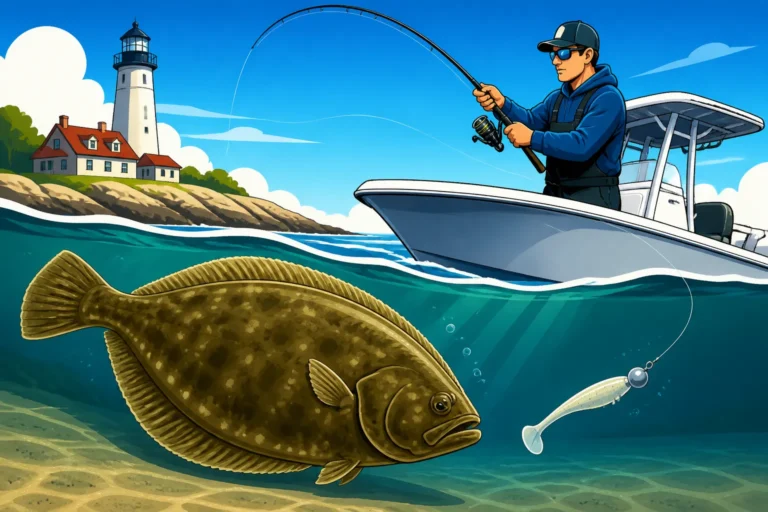
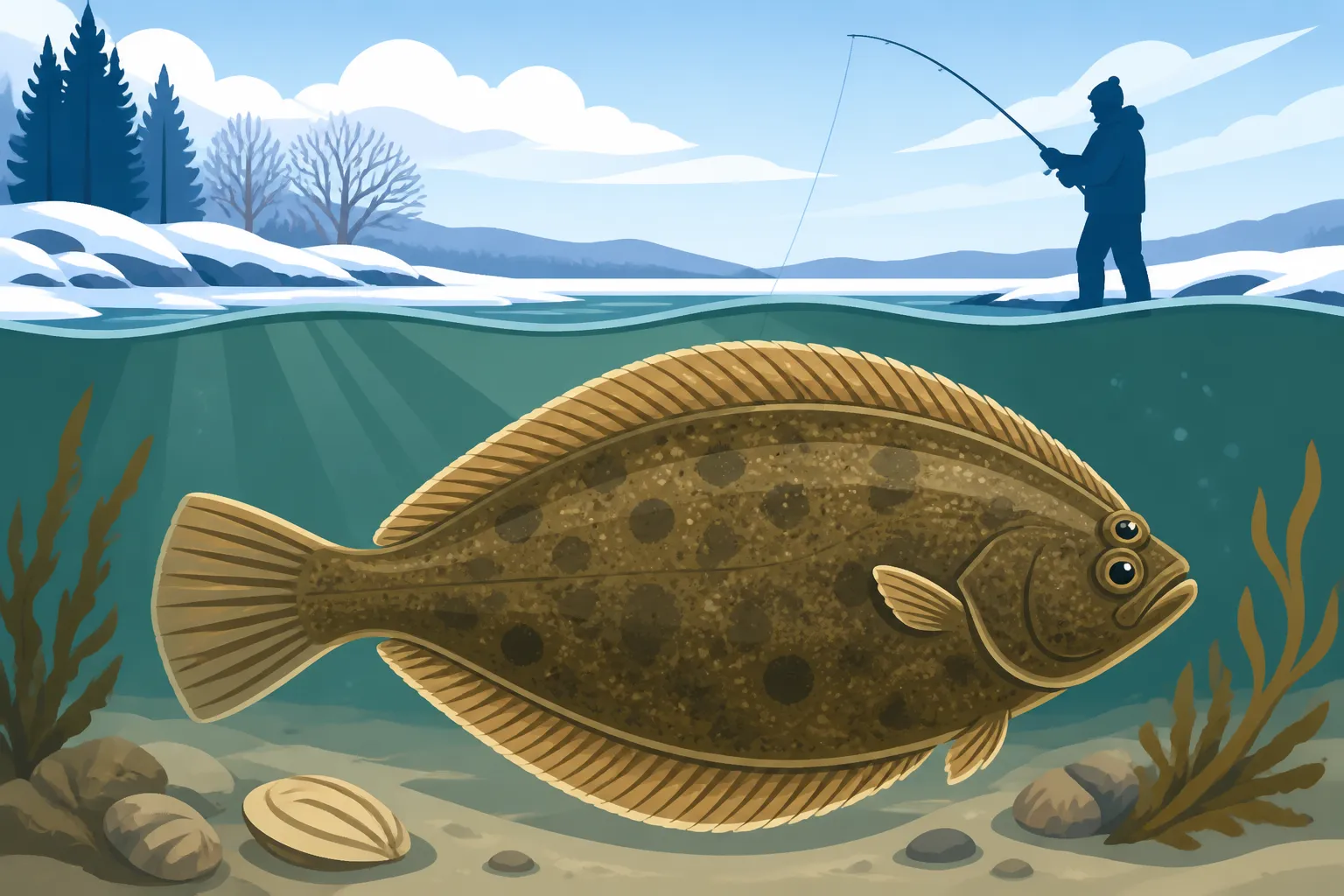
Winter flounder, scientifically known as Pseudopleuronectes americanus, are fascinating creatures perfectly adapted to life on the seafloor. They are right-eyed flatfish, meaning that as they mature, their left eye migrates over to the right side of their head, allowing both eyes to face upwards when they lie on the bottom. Their coloration is typically a mottled blend of olive green, brown, and grey on their eyed side, enabling them to camouflage seamlessly with the sandy or muddy bottom, making them incredibly difficult for predators (and anglers!) to spot.
These fish are primarily bottom feeders, using their small mouths to slurp up a variety of invertebrates like marine worms, small crustaceans, and even tiny clams and mussels that they find in the sediment. Their lifecycle is quite interesting; they migrate from deeper offshore waters into shallower estuaries, bays, and harbors in late winter and early spring to spawn. After spawning, they remain in these productive inshore areas for a period, feeding heavily before eventually returning to deeper, cooler waters as the summer progresses. This migratory pattern is key to understanding when and where to target them in Connecticut.
Identifying Winter Flounder vs. Look-Alikes
One of the first hurdles for new saltwater anglers in Connecticut is correctly identifying the fish they've caught, especially when dealing with flatfish. While often mistakenly called "flounder," species like summer flounder (fluke) and even some lesser-known flatfish can be confused with the beloved winter flounder. Knowing the subtle but crucial differences is essential for adherence to regulations and ensuring a sustainable fishery.
Key Characteristics of Winter Flounder
When you pull a winter flounder onto the boat or beach, you'll notice a few defining characteristics right away. The most definitive is their eye placement: as right-eyed flatfish, both eyes will be on the right side of their head when looking at them from the back of the fish towards its head. This is perhaps the easiest and most reliable way to identify them. Their body shape is generally oval, somewhat thick-bodied for a flatfish, and relatively symmetrical.
Their coloration is another good indicator, though it can vary slightly depending on the bottom they've been inhabiting. Typically, their eyed side will be a dark, mottled blend of greens, browns, and greys, often with faint spots or blotches that allow them to blend into sandy or muddy substrates. The underside (blind side) is usually a pure white. They also have a relatively small mouth, compared to other flatfish, which is indicative of their diet of small, bottom-dwelling invertebrates. Pay close attention to these details to confidently identify your catch.
Distinguishing from Other Flatfish
The most common mix-up in Connecticut waters is between winter flounder and summer flounder, affectionately known as "fluke." The key difference lies in the eyes: summer flounder are left-eyed flatfish. If you hold the fish with its dark side up and its head pointing away from you, a summer flounder's eyes will be on the left side of its body, while a winter flounder's will be on the right. Another major distinction is their mouth. Summer flounder have a much larger mouth, filled with sharp teeth, reflecting their predatory nature, as they often ambush baitfish. Winter flounder, with their small mouths, are clearly designed for bottom foraging.
Less common, but still possible, is confusion with species like windowpane flounder or even hogchokers. Windowpane flounder are much thinner and more translucent, almost appearing to glow. Hogchokers are tiny, typically only a few inches long, with a distinct dark band pattern, and are rarely targeted by anglers. By focusing on the eye placement, mouth size, and general body thickness, you can usually make a quick and accurate identification. Remember, if you're ever in doubt, it's always best to carefully release the fish. For more detailed information on specific species, check out Fluke Fishing in Long Island Sound and Blackfish (Tautog) Fishing in Connecticut to compare with other popular bottom dwellers.
Prime Connecticut Habitats for Winter Flounder
Winter flounder aren't just swimming around aimlessly; they have preferred hangouts where they feel safe, can find food, and can successfully reproduce. Understanding these preferred habitats is arguably the most crucial piece of the puzzle for any angler hoping to find success in Connecticut. It's about thinking like a flounder and knowing what they look for under the surface.
Estuaries, Harbors, and Muddy Bottoms
When winter flounder migrate inshore in the late winter and early spring, they are actively seeking out specific environments for spawning and feeding. Estuaries, the brackish areas where rivers meet the sea, are absolute prime real estate for these fish. The rich, silty, and muddy bottoms found in these areas are teeming with marine worms, small clams, and other invertebrates that make up the bulk of their diet. Think about the quieter sections of the Connecticut River estuary, or the protected waters of Norwalk Harbor or New Haven Harbor – these are classic winter flounder haunts.
Harbors and bays, with their typically softer bottoms and calmer waters, also offer ideal conditions. These areas tend to warm up a bit faster than the open Sound, which is attractive for spawning. Look for areas with a good amount of tidal flow, but not overly strong currents, which can make it hard for flounder to settle and feed. Muddy pockets within these larger bodies of water are especially productive. Anglers often find success drifting through these soft-bottomed areas, letting their bait present naturally to fish camouflaged against the dark mud. Many of Connecticut's major harbors, from Greenwich all the way to Stonington, can hold populations of winter flounder at the right time of year.
Tidal Creek and Salt Pond Hotspots
Beyond the larger estuaries and harbors, don't overlook the potential of smaller tidal creeks and salt ponds. These more confined environments can be real hotspots, particularly in the earlier parts of the spring season when larger bodies of water are still quite cold. The shallow, darker bottoms of these creeks and ponds tend to absorb solar heat more efficiently, warming the water a bit quicker. This makes them attractive to flounder looking for comfortable temperatures to spawn and feed.
When fishing these areas, look for deeper channels, depressions, or holes within the creek or pond. Even a difference of a few feet in depth can concentrate fish. The edges of these channels, where the bottom drops off into deeper water, are also key areas. Flounder will often stage along these edges, waiting for the tide to bring food. Mud flats exposed at low tide often reveal the tell-tale siphon holes of clams, indicating a rich food source that will be accessible to flounder as the tide rises. Consider targeting areas within Long Island Sound Fishing Guide that feature these smaller, productive side waters.
The Importance of Bottom Structure and Depth
While winter flounder prefer soft bottoms, not all soft bottoms are created equal. The presence of subtle bottom structure can be a game-changer. This isn't about jagged rock piles or artificial reefs, but rather nuanced changes in the seabed. Think about depressions, old clam beds, slight humps, or the subtle edges of a channel. These features can create small current breaks or concentrate food, making them attractive to flounder. When fishing from a boat, a good depth sounder can help you identify these subtle changes in depth and bottom contour.
Depth also plays a significant role. In early spring, flounder will often be found in shallower waters, sometimes as little as 10-20 feet, especially in protected bays and estuaries that warm quickly. As the season progresses, or on colder days, they might drop into slightly deeper channels, perhaps 25-40 feet, to find more stable temperatures. The key is to be observant and pay attention to what depth you're getting bites. The best strategy is often to start shallow and work your way deeper until you find where the fish are holding. Remember that Connecticut Fishing Regulations Explained will offer details about what might be found in these waters.
Understanding Winter Flounder Seasons and Best Times
Fishing for winter flounder isn't a year-round affair; it's a highly seasonal pursuit dictated by their biology and migratory patterns. Knowing when to fish is just as important as knowing where to fish. Get the timing wrong, and you might spend hours freezing your fingers for naught.
The Traditional Winter Flounder Season in Connecticut
The traditional winter flounder season in Connecticut really kicks into gear in the late winter and early spring. We're generally talking about late February, March, and April, with April often being considered the peak month by many seasoned anglers. This is when the fish have migrated from their deeper, offshore wintering grounds into the shallower, warmer inshore estuaries, harbors, and protected bays for spawning. They spend this time feeding voraciously, which makes them prime targets for anglers.
However, as the water temperatures continue to rise into May and June, winter flounder typically begin their migration back to cooler, deeper waters. While you might still catch a few stragglers later in the spring, the bulk of the population will have moved on. So, for the best chances of success, you'll want to focus your efforts during those early spring months. It's a relatively short window of opportunity, which adds to the excitement and urgency for many who eagerly await the "flounder run" each year. Always consult Connecticut Fishing Season Dates and Closures for the most current information regarding specific season openings and closures.
Tides, Temperature, and Other Environmental Factors
Beyond the calendar, several environmental factors significantly influence when and where winter flounder will bite. Tide is perhaps the most critical. Flounder are bottom feeders, and they often use tidal currents to their advantage, waiting for the moving water to bring food to them. A slow, steady incoming or outgoing tide is often preferred over slack tide (when the water isn't moving) or extremely fast currents. Many anglers swear by the last half of the incoming tide and the first half of the outgoing tide as prime feeding windows.
Water temperature is another huge factor. Winter flounder prefer cooler water, generally in the range of 40-55 degrees Fahrenheit. Too cold, and they'll be lethargic; too warm, and they'll start heading offshore. Early spring often presents the perfect temperature window in the inshore areas. Look for periods of stable weather, and even a few sunny days in a row can warm up shallow flats just enough to spark a bite. Heavy rain can sometimes muddy the waters and temporarily slow the bite, while bright, sunny days tend to warm the shallow spots where flounder congregate. These subtleties are what make winter flounder fishing so engaging.
Early Spring vs. Late Season Fishing
There's a noticeable difference in how you might approach early spring flounder fishing compared to the later part of their season in Connecticut. In early spring, say March, the water is still quite cold, and the flounder are primarily focused on spawning and then recuperating. They'll often be found in the shallower, more protected areas of estuaries and harbors, where water temperatures are more stable and rise quicker. Tactics tend to focus on slow, deliberate presentations of bait right on the bottom. The bite might be subtle, and the fish might not be as aggressive.
As you move into late spring, perhaps April and early May, the water warms up considerably. The flounder may start to spread out more, venturing into slightly deeper channels or onto more open flats as they feed heavily before their offshore migration. While still found inshore, they might not be as concentrated in the very shallowest spots. Their bite can also become a bit more aggressive as they feed. It's important to adapt your strategy – perhaps covering more ground with drifts in deeper areas, or experimenting with slightly more active jigging. Being flexible and paying attention to conditions on a given day will greatly improve your chances, whether it's early or late in the season. You can also explore Best Time of Year to Fish in Connecticut for broader seasonal insights.
Effective Techniques and Baits for Winter Flounder
Catching winter flounder often comes down to a classic approach: bait on the bottom. But there's an art and science to it, from choosing the right rig to presenting your bait in the most appealing way. It’s not just about dropping a line and hoping for the best; subtle details can make all the difference between a frustrating day and a successful outing.
Classic Bottom Fishing Rigs
The bread and butter of winter flounder fishing is the simple but effective bottom fishing rig. You want something that presents your bait right on the bottom, where these flatfish feed, and allows for a sensitive feel of their often subtle bite. A common and highly effective setup is a "flounder rig" consisting of a sinker at the very bottom, followed by one or two snelled hooks on short leaders (6-12 inches) tied off dropper loops or small three-way swivels above the sinker.
The sinker weight is crucial; it needs to be heavy enough to hold bottom in the current, but not so heavy that you can't feel a bite. Typically, 1 to 4 ounces is sufficient, depending on the tide and depth. As for hooks, a small, sharp hook is key. Sizes ranging from #4 to 1/0 are generally appropriate. Many anglers prefer small Chestertown hooks or Kahle hooks, which are designed to sit nicely in a flounder's small mouth. The shorter leader for the hook keeps your bait close to the bottom and reduces tangles. You can buy pre-tied flounder rigs, or easily tie your own components, many of which are readily available on platforms like Amazon.
Best Baits and How to Present Them
Winter flounder are not picky eaters when it comes to their natural diet of bottom-dwelling invertebrates, but fresh bait is absolutely paramount. The undisputed king of winter flounder baits is sandworms. Their scent trail and wiggling action are irresistible to flounder. When using sandworms, try to thread them onto the hook so that a bit of the worm dangles freely, enticing the fish. Many anglers will also break a larger sandworm into smaller pieces, as flounder have small mouths.
Clams are another fantastic option, especially fresh shucked surf clams or sea clams. The milky juice they release creates a strong scent slick in the water. Cut clam bellies into small, bite-sized pieces and carefully thread them onto your hook, ensuring the hook point is exposed. Mussels can also work, though they are often tougher to find and prepare. Some anglers even have success with small pieces of squid, though worms and clams are usually preferred. The key is to keep your bait fresh and present it right on the bottom. Don't be afraid to try a combination on your hooks, perhaps a piece of clam with a small piece of worm, to maximize scent and appeal.
Boat vs. Shore Fishing Strategies
Whether you're fishing from a boat or the shore, the core principles of bottom fishing for winter flounder remain the same, but the execution differs.
When boat fishing, you have the advantage of mobility and covering more ground. Drift fishing is a highly effective strategy. You'll want to position your boat so that the current carries you slowly over productive bottom, allowing your rig to bounce along the seabed. This covers a wider area and allows you to locate schools of fish. Once you find a productive drift, you can repeat it. Anchoring can also be effective if you pinpoint a specific hotspot, such as a depression or the edge of a channel. Just make sure your anchor holds firmly on muddy bottoms. Having a quality fish finder can certainly help identify those subtle bottom features.
For shore anglers, access to prime flounder habitat is often the biggest challenge. Look for piers, docks, or jetties that extend into harbors or estuaries with known muddy or sandy bottoms. Casting distance is important, as you'll want to reach those deeper channels or flats away from the immediate shore. A longer surf rod with enough backbone to cast heavier sinkers can be advantageous. Patience is key when shore fishing, as you're limited to a smaller area. Focus on working your bait slowly along the bottom, reeling in just enough to feel your sinker occasionally tap the seabed. Remember to check local regulations for specific shore fishing access points; many of the best spots can be found listed in Best Shore Fishing Spots in Connecticut or Best Kayak Fishing Spots in Connecticut if you're looking for a more mobile approach from the bank.
Conservation and Regulations for Sustainable Flounder Fishing
The decline in winter flounder populations in recent decades is a stark reminder of the importance of conservation and responsible angling. As passionate Connecticut anglers, it’s our collective responsibility to understand and abide by the regulations, and to practice ethical fishing habits that support the long-term health of this iconic species. It's not just about what we catch, but how we fish.
Current Connecticut Winter Flounder Regulations
Like all managed species, winter flounder in Connecticut are subject to specific regulations designed to protect their populations. These typically include minimum size limits, daily creel (bag) limits, and season dates. For instance, there will be a minimum length a fish must be to be legally kept, usually measured from the tip of the nose to the tip of the tail. There will also be a limit on how many fish an individual angler can keep in a single day. The season itself might be open for only a specific window during the spring, reflecting their migratory and spawning patterns.
These regulations are not arbitrary; they are based on scientific assessments of the fish stock and are put in place to ensure enough fish survive to reproduce and maintain a healthy population. It is absolutely critical that every angler checks the current Connecticut Department of Energy and Environmental Protection (DEEP) fishing guide or website before heading out. Regulations can and do change from year to year, and sometimes even mid-season, based on stock assessments and management goals. Ignorance of the law is never an excuse, and penalties for violations can be significant. You can find more comprehensive details by searching for Connecticut Saltwater Fishing Regulations by Species.
Best Practices for Catch and Release
Even when keeping legal-sized fish, many anglers practice catch and release for smaller fish or simply to reduce their impact. If you intend to release a winter flounder, doing so properly can significantly increase its chances of survival. Flatfish are generally quite hardy, but rough handling can still cause harm.
Here are some best practices:
- Minimize handling time: Get the fish unhooked and back into the water as quickly as possible.
- Handle with wet hands: If you must touch the fish, wet your hands first. Dry hands can remove the fish's protective slime coat, making it susceptible to disease.
- Support the fish horizontally: Avoid holding the fish vertically by its mouth or tail, as this can damage its internal organs or spine. Support its body horizontally.
- Use appropriate de-hooking tools: Have a pair of long-nosed pliers or a de-hooker ready to quickly remove the hook. If the fish is deeply hooked and removing the hook would cause significant trauma, it's often better to cut the line as close to the hook as possible.
- Revive if necessary: If the fish seems sluggish, gently hold it in the water, facing into the current, until it regains its strength and swims off on its own.
By following these simple steps, you're doing your part to ensure that released fish survive to be caught another day or to contribute to the spawning population.
The Future of Winter Flounder in Connecticut
The future of winter flounder in Connecticut waters, and indeed throughout much of their range, is a topic of ongoing concern and effort. While there have been periods of decline, there are also dedicated scientists, conservationists, and anglers working to understand the factors affecting their populations and implement effective management strategies. Habitat protection, water quality improvements, and careful regulation are all crucial components of this effort.
As anglers, our role extends beyond just following the rules. It involves advocating for healthy marine environments, participating in citizen science initiatives if they arise, and educating others about responsible fishing. The fluctuating nature of the winter flounder population underscores the delicate balance of our marine ecosystems. By being informed, responsible, and adaptable, we can continue to enjoy the pursuit of this beloved flatfish and hope for a more robust future for them in Connecticut's waters. It's a long game, but one worth playing for the sake of our shared natural resources.
Disclaimer
This article is for general informational purposes only and does not constitute professional advice. Laws, prices and regulations vary by location and change over time. Consult a qualified professional for guidance on your specific situation.