The biggest fish species in Connecticut waters
There's a special thrill that comes with chasing big fish, isn't there? That moment when your rod bends double, your drag starts screaming, and you realize you've hooked into something truly substantial – it's what keeps us coming back. In Connecticut, we're fortunate to have a diverse range of waters, both fresh and salt, that hold some absolute monsters. But knowing what those biggest fish species are, and more importantly, where to find them, can feel like trying to solve a puzzle. This guide is all about pulling back the curtain on the biggest fish swimming in our local waters, giving you the inside scoop on these impressive creatures and how to approach catching them.
The Freshwater Titans: Pursuing Connecticut's Inland Giants
When we talk about big fish in Connecticut's lakes and rivers, a few species immediately spring to mind. These aren't your average panfish; these are the apex predators and bottom-dwelling behemoths that can truly test your tackle and your patience. Targeting them often means shifting your strategy and being prepared for a serious fight.
Northern Pike: The Freshwater Shark of Connecticut
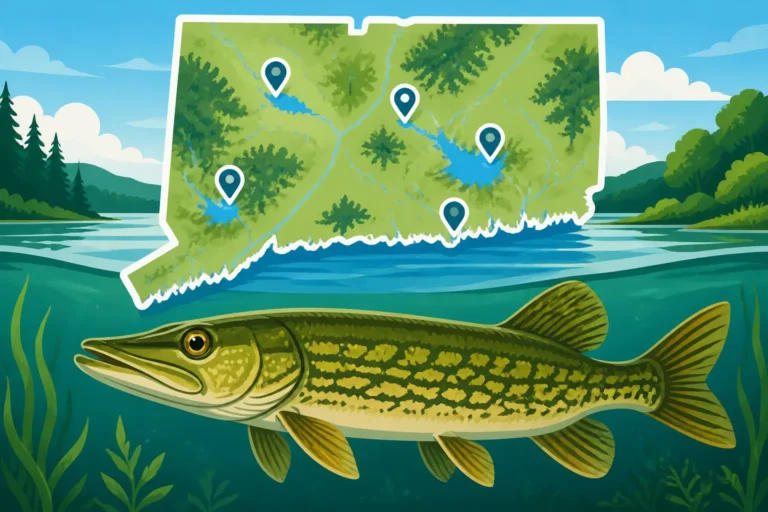
If there's one fish that truly embodies the term "freshwater titan" in Connecticut, it's the Northern Pike. These elongated, toothy predators are a thrill to catch, known for their aggressive strikes and powerful runs. While most pike you encounter might be in the 2- to 5-pound range, Connecticut waters are home to fish that regularly push into the double digits, with some exceeding 20 pounds. Imagine the sheer power of a fish that long, launching itself at your lure!
Pike prefer cooler, weedy waters, often lurking in ambush near submerged vegetation, fallen trees, or sharp drop-offs. Lakes like Bantam Lake and Mansfield Hollow Reservoir are well-known for their pike populations, offering excellent opportunities for anglers looking to tangle with these impressive fish. The key to success often lies in presenting large baits or lures that mimic their natural prey, such as shiners, yellow perch, or smaller trout. Heavy-duty tackle is a must, as their razor-sharp teeth can quickly shred lighter lines and leaders. Always carry long-nose pliers or a jaw spreader for safe hook removal, protecting both yourself and the fish. For more on where to find these impressive fish, check out Northern Pike Waters in Connecticut.
Largemouth Bass: Chunky Challengers in Our Lakes and Ponds
While not reaching the sheer length of a Northern Pike, largemouth bass are undeniably one of Connecticut's biggest freshwater contenders in terms of girth and fighting power. A 5-pound largemouth is considered a trophy, and fish pushing 7, 8, or even 10 pounds are caught in our state every year. These chunky fighters are masters of ambush, hiding in thick cover like lily pads, submerged timber, and brush piles, waiting to explode on unsuspecting prey.
Connecticut boasts numerous lakes and ponds renowned for their trophy largemouth populations. Candlewood Lake, Lake Lillinonah, and many smaller, lesser-known ponds across the state can hold true giants. Targeting these larger bass often involves using bigger baits – think substantial swimbaits, heavy jigs, or large plastic worms that appeal to a fish looking for a substantial meal. The fight is typically characterized by powerful dives into cover, strong head shakes, and sometimes even impressive jumps. A medium-heavy to heavy action rod with a strong reel and robust line is essential to wrestle these fish out of their dense habitats. Many anglers find great success exploring Best Bass Fishing Lakes in Connecticut for these trophy opportunities.
Common Carp: The Unsung Strongmen of Our Rivers
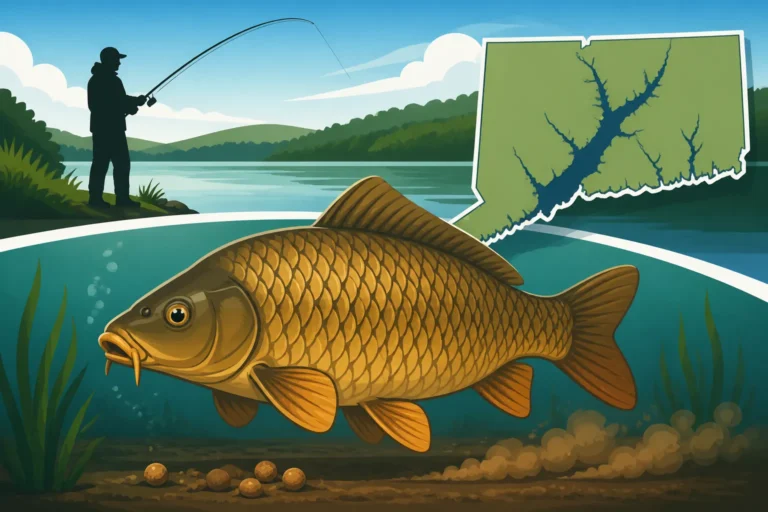
Often overlooked by many anglers, common carp are absolute powerhouses and can grow to truly enormous sizes in Connecticut's freshwater systems. It's not uncommon to hear tales of carp weighing 20, 30, or even 40 pounds being pulled from our rivers and larger lakes. While they might not have the predatory allure of a pike or bass, their sheer strength and stamina on the line are unmatched. Hook into a big carp, and you're in for a long, grueling fight that will test your tackle to its limits.
Carp are primarily bottom feeders, often found in slow-moving sections of rivers, large ponds, and the shallow, warmer coves of big lakes. They're particularly prevalent in the Connecticut River and its tributaries, as well as many municipal ponds. Anglers targeting carp often use specialized gear and baits, with corn, dough balls, and boilies being popular choices. A sturdy rod with a good baitrunner reel is highly recommended to handle their powerful runs. Many dedicated carp anglers enjoy the challenge of fishing for these overlooked giants, which offer a different kind of thrill compared to predatory species. Finding robust tackle on platforms like Amazon can make all the difference when you hook into one of these freshwater strongmen.
Salty Monsters: Unraveling the Marine Giants of Long Island Sound
Long Island Sound and our coastal rivers are teeming with life, and for those who prefer the salty spray, there are plenty of massive fish species waiting to put a bend in your rod. These marine giants offer a different kind of challenge, often requiring specialized techniques and knowledge of the tides and structure.
Striped Bass: The Apex Predator of Long Island Sound
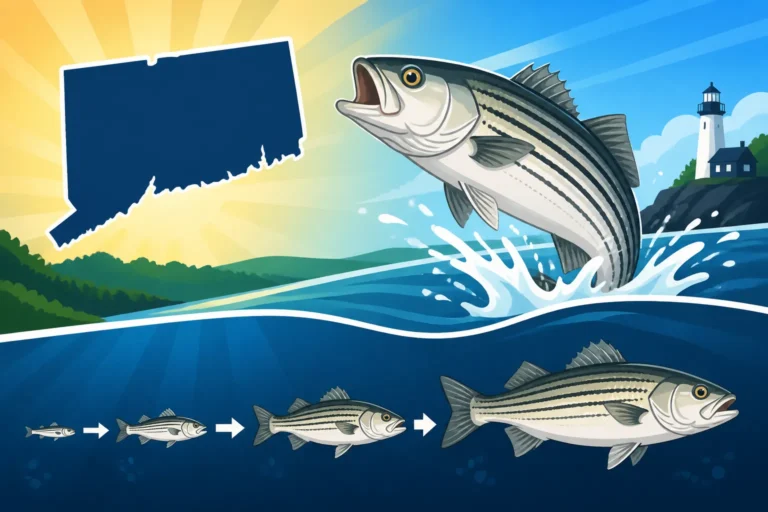
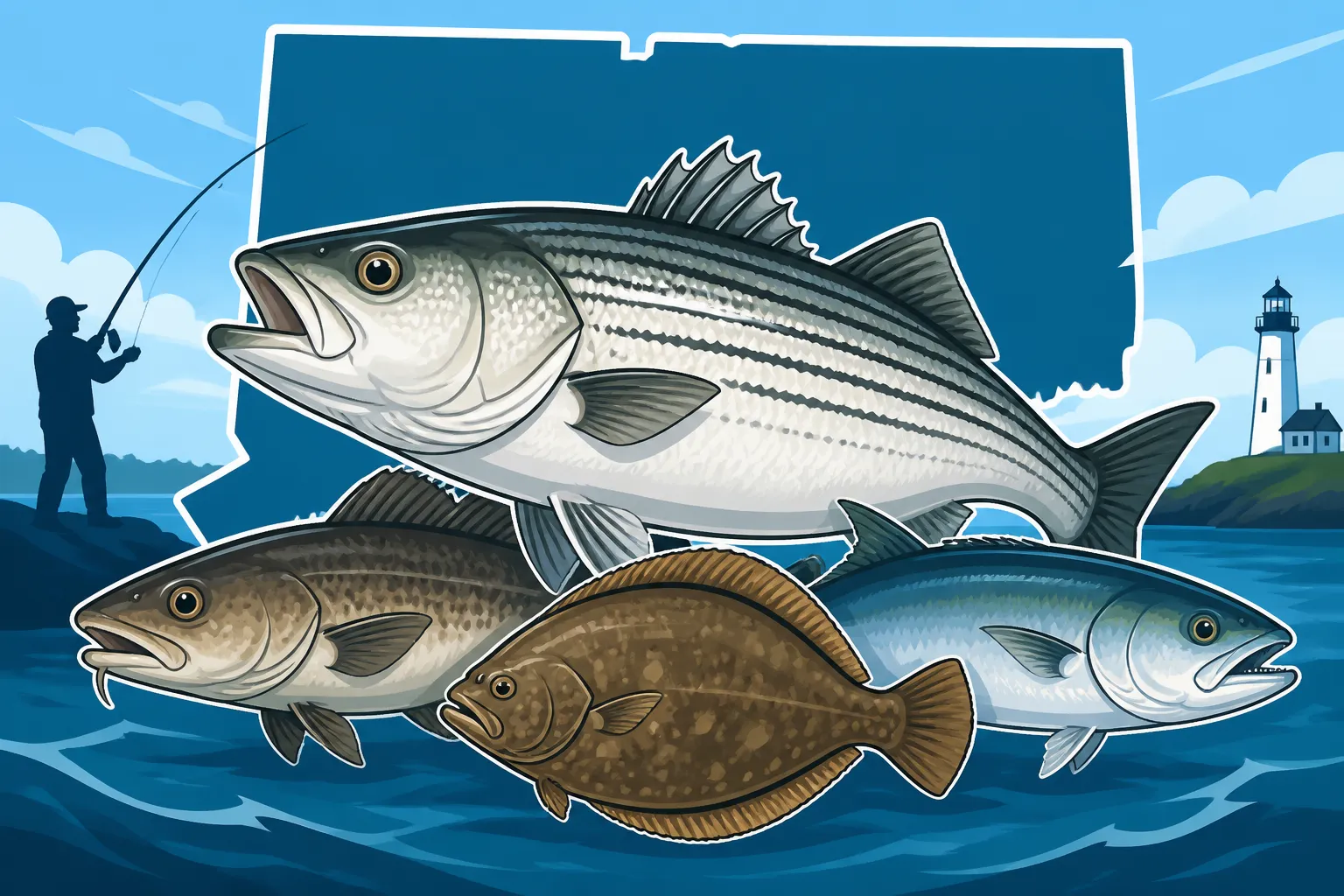
Without a doubt, the striped bass is the reigning king of big game fishing in Connecticut's saltwater. These magnificent fish migrate into and out of Long Island Sound, growing to impressive sizes. While "schoolie" stripers (smaller fish) are plentiful, trophy-sized stripers weighing 30, 40, or even 50 pounds are a real possibility, especially during the spring and fall migrations. The fight of a large striped bass is legendary – powerful runs, deep dives, and an unwavering will to get back to the open water.
Stripers are found throughout Long Island Sound, from the rocky shorelines and jetties to the deep rips and reefs. They'll readily hit a variety of baits and lures, including live bunker, eels, large swimbaits, and topwater plugs. Timing your fishing around the tides, especially moving water around structure, is often key to intercepting these migrating giants. Night fishing can also be incredibly productive for larger stripers, as they often feed more aggressively under the cover of darkness. Investing in reliable fishing equipment from Amazon, including strong rods and reels, is crucial for tackling these powerful fish. For detailed strategies, consider reading How to Catch Striped Bass in Long Island Sound.
Blackfish (Tautog): The Reef Brawlers
While not reaching the sheer length of a striped bass, blackfish, also known as tautog, are stout, powerful fish that belong in any discussion of Connecticut's biggest marine species. A 10-pound tautog is a monster, and fish exceeding 15 pounds are certainly caught each season. These fish are absolute brawlers, using their incredible strength and knowledge of rocky environments to their advantage. Hooking a big tautog means a battle of wits and strength, trying to keep them from "rocking" you up and breaking your line on underwater structure.
Tautog are inextricably linked to structure – wrecks, reefs, rock piles, bridge pilings, and mussel beds are their preferred habitats. They feed primarily on crabs, mussels, and other crustaceans. Green crabs and Asian crabs are popular baits, fished on stout jigs or traditional Tog rigs. Their bite is subtle, but once hooked, the fight is anything but. You need heavy-duty fluorocarbon leaders and strong hooks to stand a chance against a big tautog, especially when fishing in their preferred rocky lairs. Local knowledge about specific structures can be invaluable, so connecting with seasoned anglers or charter captains can boost your chances. Blackfish (Tautog) Fishing in Connecticut offers more insights into this challenging species.
Bluefish: Aggressive Saltwater Chargers
Bluefish might not always reach the same colossal weights as the largest striped bass, but they certainly belong on a list of "biggest" fish due to their aggressive nature, powerful runs, and often significant size. A "gator" bluefish, often exceeding 15 pounds, is a force to be reckoned with, capable of shredding tackle and leaving anglers with exhilarating stories. Their mouths are full of razor-sharp teeth, making heavy leaders absolutely essential.
Bluefish are migratory predators that move into Long Island Sound, especially during the warmer months. They hunt in schools, often creating frantic feeding frenzies on baitfish like bunker and mullet. You can find them anywhere bait is present – from inshore tidal rips to offshore reefs. Poppers, metal jigs, and live bait are all highly effective. When the blues are on, the action can be non-stop, offering incredible opportunities for multiple hook-ups. Be sure to carry extra leaders and lures, as bluefish are notorious for their ability to destroy tackle. Many anglers specifically target these aggressive chargers for the sheer thrill of the fight.
The Quest for a Record: How Anglers Chase Connecticut's Biggest Fish
Chasing the biggest fish isn't just about bending a rod; it's often about meticulous planning, specialized techniques, and a deep understanding of the species you're pursuing. Whether you're aiming for a personal best or hoping to etch your name in the record books, the pursuit of truly massive fish in Connecticut requires dedication.
Understanding Habitat and Behavior
To catch a big fish, you first need to find it. This means understanding the specific habitats and behaviors of your target species. For freshwater giants like Northern Pike and Largemouth Bass, this often involves dissecting lake maps for weed lines, submerged timber, and deep points. For marine species like Striped Bass and Blackfish, it's about studying nautical charts for reefs, wrecks, and current-swept structures. Observing water temperatures, tidal flows, and baitfish activity are all critical pieces of the puzzle. The biggest fish often aren't in the most obvious places; they're in the spots that offer the best ambush points or the most consistent food sources without heavy pressure.
Anglers frequently spend hours scouting new locations, using sonar to identify submerged structure, and paying close attention to environmental cues. For instance, a keen understanding of Striped Bass Migration Along the Connecticut Coast can help predict when and where the biggest fish will be accessible. Similarly, knowing Blackfish Habits Around Structure is vital for successful tautog fishing. Many experienced anglers keep detailed logs of their trips, noting conditions, locations, and success rates, which helps build a comprehensive understanding over time.
Specialized Tackle and Techniques
Catching truly large fish often demands more than just standard fishing gear. Your tackle needs to be robust enough to handle the immense strain a powerful fish can exert, and your techniques must be refined to entice these often wary giants. For instance, targeting a trophy Largemouth Bass might mean throwing oversized swimbaits or slow-rolling a jig through dense cover with a heavy flipping stick. For record-sized Striped Bass, live-lining a large bunker or drifting eels in strong currents with a powerful conventional setup could be the ticket.
| Species | Typical Size (CT) | Trophy Size (CT) | Preferred Habitat | Common Baits/Lures | Key Tackle Considerations |
|---|---|---|---|---|---|
| Northern Pike | 2-5 lbs | 10-20+ lbs | Weedy lakes, slow rivers | Large shiners, spoons, swimbaits | Heavy rod, wire leader, long pliers |
| Largemouth Bass | 1-3 lbs | 5-10+ lbs | Weed beds, timber, docks | Jigs, large plastics, crankbaits | Medium-heavy to heavy rod, stout line |
| Common Carp | 5-15 lbs | 20-40+ lbs | River bottoms, lake coves | Corn, dough balls, boilies | Heavy surf rod, baitrunner reel, strong monofilament |
| Striped Bass | 5-20 lbs | 30-50+ lbs | Reefs, rips, jetties, rivers | Live bunker/eels, large plugs, jigs | Heavy rod, robust reel, strong braided line, fluorocarbon leader |
| Blackfish (Tog) | 3-8 lbs | 10-15+ lbs | Rocky bottom, wrecks, reefs | Crabs (green, Asian) | Heavy rod, conventional reel, heavy fluorocarbon leader, stout hooks |
| Bluefish | 5-12 lbs | 15-20+ lbs | Open water, rips, bait schools | Poppers, metal jigs, live bait | Medium-heavy rod, wire/heavy mono leader, sharp hooks |
Investing in quality gear, often found on platforms like Amazon, that matches the challenge is paramount. This includes not just rods and reels, but also strong lines, appropriate leaders, and specialized tools for safe handling and release, such as Boga Grips or large landing nets. Furthermore, practicing your casting, knot tying, and fish-fighting techniques will significantly increase your chances of landing that fish of a lifetime.
Essential Gear and Mindset for Big Fish Success
Catching truly large fish in Connecticut is an endeavor that requires not just the right location and technique, but also the proper equipment and, perhaps most importantly, the right mindset. Big fish are often elusive, and landing them requires a blend of preparation, persistence, and responsible angling practices.
Equipping Yourself for the Battle
When you're targeting a potential state record, you can't cut corners on your gear. Think of it as preparing for a significant battle; you need reliable tools. For freshwater giants like pike and carp, a robust rod with a strong backbone is essential for handling their power. Pair that with a reel capable of holding plenty of heavy line and delivering smooth drag. For saltwater species like striped bass and tautog, the saltwater environment adds another layer of challenge. Corrosion-resistant reels, heavy-duty braided lines, and abrasion-resistant fluorocarbon leaders are non-negotiable.
Don't forget the smaller, but equally crucial, accessories. Heavy-duty pliers for hook removal, a large landing net or a reliable lip gripper (especially for toothy species like pike or bluefish), and a scale to weigh your potential trophy are all must-haves. Many anglers find great deals and a wide selection of these specialized items on Amazon, ensuring they're well-equipped for whatever lurks beneath the surface. For example, a reliable pair of fish-handling gloves can save your hands from the rough scales or teeth of a big fish.
Patience, Persistence, and Respect for the Catch
More than any specific lure or spot, a successful big-fish angler possesses an abundance of patience and persistence. Trophy fish don't come easy; they often require hours, days, or even seasons of effort. There will be frustrating days with no bites, lost fish, and moments of doubt. But it's the willingness to keep learning, adapting, and trying new strategies that ultimately leads to success. The biggest fish are often the wisest, having evaded capture multiple times, so a nuanced approach is often required.
Equally important is a deep respect for the fish you're pursuing. Many of these larger fish are older, more mature specimens that are crucial for the health of the fishery. Practicing careful catch-and-release, especially for the largest individuals, helps ensure these impressive fish continue to populate our waters for future generations. This means minimizing their time out of the water, handling them gently, and using appropriate release tools. Understanding topics like Striped bass catch and release survival tips can make a real difference. If you're hoping to submit a catch for a state record, make sure you understand the proper procedures for weighing and verifying your catch, as outlined in guides like Connecticut State Fish Records by Species. The ultimate reward isn't just the photo, but the satisfaction of a challenging pursuit and the knowledge that you've contributed to the long-term health of Connecticut's incredible fisheries.
Disclaimer
This article is for general informational purposes only and does not constitute professional advice. Laws, prices and regulations vary by location and change over time. Consult a qualified professional for guidance on your specific situation.