Best waters for trophy brown trout in Connecticut
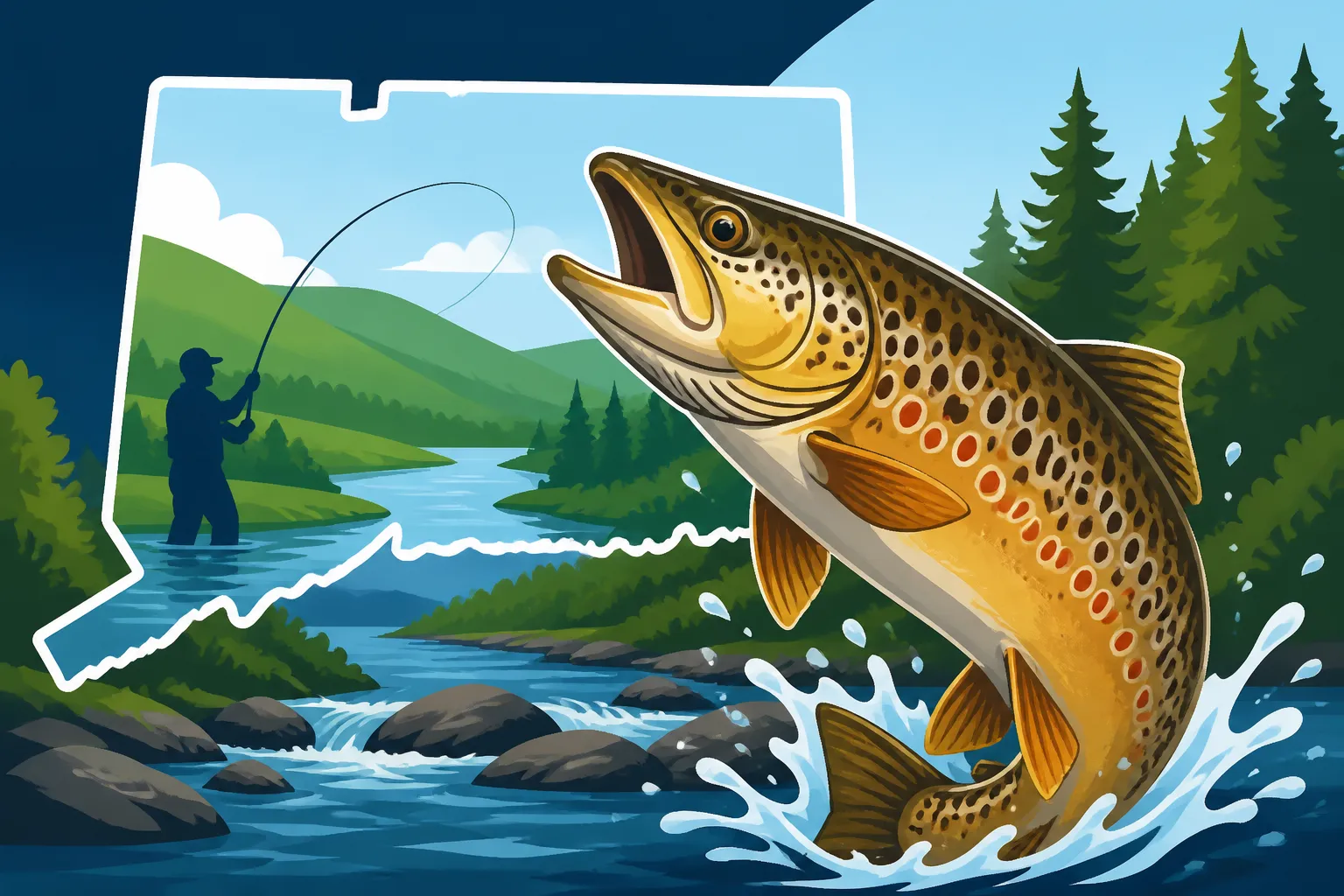
It's a dream shared by many anglers to hook into a true trophy brown trout, a fish of impressive size and cunning that demands skill, patience, and a deep understanding of its watery domain. But for those of us fishing in Connecticut, figuring out where these elusive giants lurk can feel like searching for a needle in a haystack. This guide is dedicated to revealing the best waters in our state for pursuing those legendary brown trout, diving into what makes these spots special and how you can increase your chances of landing one.
The Elusive Quest for Connecticut's Trophy Brown Trout
Let's be real, landing a trophy brown trout in Connecticut isn't an everyday occurrence. These fish are smart, often wary, and they don't get big by being easy to catch. When we talk about "trophy" brown trout in Connecticut, we're generally thinking of fish pushing or exceeding 20 inches, with some truly exceptional specimens reaching even larger sizes. These aren't your average stocked rainbows; these are fish that have survived multiple seasons, grown fat on abundant forage, and learned every trick in the book to avoid anglers.
The quest itself is part of the allure. It's not just about the size of the fish, but the challenge, the tactical thinking, and the serene beauty of the places these fish call home. Many anglers spend years honing their craft, exploring countless streams and rivers, all for that one memorable encounter. It requires a different mindset than simply catching limits of freshly stocked fish; it's about understanding the nuances of the water, the habits of the fish, and having the right approach.
What Defines a Trophy Brown Trout in Connecticut?
For many, a "trophy" starts at a certain length, often 18-20 inches, but it’s also about the condition and fight of the fish. A wild or holdover brown trout that's survived and thrived in our rivers and lakes will have a sleek, muscular build and vibrant coloration that speaks to its resilience. These aren't just big fish; they're intelligent predators that have become masters of their environment. They often hold in specific ambush points, waiting for an unsuspecting meal to drift by. Their diet might consist of smaller baitfish, crayfish, large insects, or even smaller trout, which contributes to their impressive growth.
The sheer difficulty of consistently catching these larger browns is what truly elevates them to "trophy" status. You might catch dozens of smaller trout in a day, but a single 20-inch brown can make an entire season. It's a testament to the health of the ecosystem and the quality of the water they inhabit. These fish are typically found in areas with stable cold water temperatures, rich invertebrate life, and, importantly, good cover and structure where they can hide and ambush prey.
Why Are Trophy Browns So Hard to Catch?
Their wariness is legendary. Brown trout, especially larger ones, are incredibly sensitive to vibrations, shadows, and unnatural presentations. They have excellent eyesight and can detect even the slightest movement on the bank or an unnatural drag on your line. As they age, they become more nocturnal, feeding heavily during low light conditions or under the cover of darkness, which adds another layer of challenge for daytime anglers. This isn't just a matter of luck; it's about skill, precision, and stealth.
Moreover, trophy brown trout often prefer to hold in difficult-to-reach locations – under deep cutbanks, in complex logjams, or in swift, powerful currents that demand a perfect cast and presentation. They're not going to be stacked up in plain sight in easy-to-access pools. You'll often find yourself bushwhacking, wading carefully, and making challenging casts to reach their lairs. It's this combination of intelligence, nocturnal habits, and habitat preference that makes them such a formidable and rewarding target.
Prime Waters for Pursuing Giant Browns
Connecticut, while a small state, offers some truly fantastic opportunities for anglers seeking trophy brown trout. These waters are typically characterized by consistent cold temperatures, abundant forage, and often, specific regulations designed to protect larger fish. It's in these special places that brown trout can truly grow to their full potential, becoming those magnificent, spotted giants we dream about.
The Farmington River: A Trout Angler's Mecca
Without a doubt, the Farmington River stands as one of Connecticut's premier trout destinations, and it's particularly renowned for its brown trout. The West Branch, specifically, is often cited as one of the best trout rivers in the entire Northeast. This section is a true tailwater fishery, meaning its water comes from the bottom of a dam (Colebrook Reservoir), providing consistently cold temperatures year-round, which is crucial for brown trout survival and growth. This cool, oxygen-rich water creates an ideal environment for trout, fostering a robust population of both stocked and wild fish, including some absolute monsters. You can learn more about specific rules in Connecticut Farmington River Trophy Trout Stream Rules.
The Farmington boasts several designated Trophy Trout Stream (TTS) sections and Trout Management Areas (TMAs) that have special regulations, often including catch-and-release only or reduced creel limits, which allow fish to grow older and larger. Anglers routinely report catching brown trout well over 20 inches in these stretches. The river's varied structure—deep pools, riffles, runs, and undercut banks—provides ample cover and feeding lies for big browns. It's a dynamic fishery, offering opportunities for fly fishing, spin fishing, and even bait fishing in certain sections, though fly fishing is particularly popular and effective here. Understanding Connecticut Trout Management Area Regulations is key before you head out.
The Housatonic River: Wild Browns with Attitude
The Housatonic River, particularly its upper stretches above Falls Village, is another incredible destination for trophy brown trout. This section is less of a classic tailwater than the Farmington but still benefits from cold tributary inputs and a robust ecosystem that supports significant numbers of larger browns. The "Housy," as locals call it, is a larger, more powerful river than the Farmington in many spots, offering different challenges and rewards. It's known for its strong currents, deep pools, and diverse insect life, which fuels impressive trout growth. Explore Housatonic River Trout Management Area Fishing for specific access points.
Like the Farmington, the Housatonic has a substantial Trout Management Area (TMA) that promotes the growth of larger fish through special regulations. Many of the brown trout in this river are wild or long-term holdovers, known for their aggressive strikes and powerful fights. These fish are incredibly hardy and have adapted to the river's flows. While it can be more challenging to wade and navigate than parts of the Farmington, the rewards of hooking into a wild, beefy Housatonic brown are absolutely worth the effort. Anglers often find themselves wading carefully or using drift boats to access the best water. Just be sure to check Connecticut Housatonic River Seasonal Closure Explained if planning a summer trip.
Other Notable Trophy Brown Trout Waters
While the Farmington and Housatonic are the superstars, other waters in Connecticut also hold the potential for trophy brown trout. Many of our larger lakes and reservoirs, especially those with good cold-water habitat and healthy forage bases, can surprise anglers. Lakes like Highland Lake in Winchester or Saugatuck Reservoir in Weston, though not purely trout fisheries, are known to hold some impressive holdover browns that grow large by preying on baitfish. These lake-dwelling browns can be even more elusive, often staying in deeper, cooler water for much of the year, but when they feed, they can offer a truly spectacular fight.
Smaller, less-pressured streams that have year-round cold water and adequate food sources can also harbor pockets of large wild browns. These "diamond in the rough" streams require more exploration and bushwhacking but can offer incredibly rewarding experiences if you're willing to put in the legwork. They often don't see the same fishing pressure as the more famous rivers, allowing fish to grow undisturbed. Remember, even in these smaller waters, understanding Brown Trout Habits in Connecticut Streams will give you an edge.
Here's a quick comparison of some prime trophy brown trout waters in Connecticut:
| Waterway | Primary Location | Key Characteristics | Primary Forage | Common Regulations |
|---|---|---|---|---|
| Farmington River | New Hartford to Unionville | Cold tailwater, varied structure, heavy insect hatches | Caddis, stoneflies, midges, sculpins | TMA, Trophy Trout Stream, Catch & Release sections |
| Housatonic River | Cornwall to Falls Village | Large, powerful river, wild fish, strong currents | Caddis, stoneflies, baitfish, crayfish | TMA, Catch & Release sections |
| Highland Lake | Winchester | Deep, cold lake with diverse fish populations | Smelt, shiners, perch fry | General lake regulations, some specific trout rules |
| Saugatuck Reservoir | Weston | Large, deep reservoir with limited access | Alewives, shiners, perch | Restricted access, specific seasonal openings |
Decoding Trophy Brown Trout Behavior
Understanding how trophy brown trout behave is crucial to consistently finding and catching them. These aren't just bigger versions of their smaller counterparts; their survival instincts are sharper, their feeding patterns more refined, and their habitat preferences more specific. They've learned to be opportunistic yet incredibly cautious, making every encounter a true test of an angler's skill.
Habitat Preferences: Where Big Browns Hide
Trophy brown trout are masters of their environment, meticulously choosing lies that offer a trifecta of benefits: shelter, current break, and access to food. They love structure – think large boulders, submerged logs, deep undercut banks, and complex root systems along the shore. These features provide not only protection from predators (like ospreys or even larger fish) but also a place to ambush unsuspecting prey. The deeper water offers a sense of security and often cooler temperatures during warmer months.
In rivers, they'll often hold in the slower water adjacent to fast currents, such as the seams where a strong current meets an eddy, allowing them to conserve energy while waiting for food to be delivered. The current brings them a conveyor belt of insects, baitfish, and other edibles, without them having to expend too much energy fighting the main flow. During periods of high light or pressure, they'll retreat further into cover, making themselves almost invisible. When the river rises, they might move into flooded areas or the very edges of the river, looking for terrestrial insects or displaced baitfish.
Feeding Patterns and Forage for Growth
What makes a brown trout a "trophy" isn't just time; it's a rich diet. While smaller browns might primarily feed on aquatic insects, larger browns become piscivorous, meaning they eat other fish. This shift to a protein-rich diet of baitfish allows them to grow much faster and larger. In many Connecticut waters, common forage includes sculpins, dace, shiners, juvenile trout, and in larger lakes and reservoirs, species like alewives or smelt. Crayfish are also a significant food source and a favorite meal for hefty browns.
Trophy browns are often most active during low-light conditions, particularly at dawn, dusk, and throughout the night. This is when they feel most secure leaving their deep cover to hunt. During the day, they might make sporadic forays from their hiding spots to grab an easy meal, especially on overcast days or during a strong insect hatch. However, a consistent pattern of success often involves targeting them during these prime low-light windows. This means waking up early, staying out late, or even trying some dedicated night fishing, which can be incredibly productive for truly giant browns.
Tactics and Gear for Targeting Big Browns
So, you know where they might be, and you have an idea of what they're eating. Now, how do you actually convince one of these magnificent fish to bite? Landing a trophy brown trout in Connecticut demands a combination of precise techniques and the right equipment. It's not about brute force, but finesse, stealth, and knowing when to capitalize on an opportunity.
Essential Gear for the Trophy Hunter
First off, you'll need gear that can handle a powerful fish. For spinning anglers, a medium-light to medium power rod (7-8 feet) paired with a 2000-2500 series reel spooled with 6-10 lb test fluorocarbon or braid with a fluorocarbon leader is ideal. The longer rod helps with casting distance and shock absorption. Fluorocarbon is less visible in water and offers excellent abrasion resistance against rocks and logs. You can find a great selection of durable lines and rods on Amazon. For fly anglers, a 5-7 weight rod is generally sufficient, but if you're throwing large streamers or fishing in heavy current, a 6 or 7 weight will give you more backbone. A good quality reel with a smooth drag is crucial, especially when a big brown decides to make a run.
Beyond the rod and reel, think about your terminal tackle. Strong, sharp hooks are non-negotiable. Carry a variety of lures and flies that imitate the local forage. This includes realistic baitfish imitations, crayfish patterns, and larger nymph and streamer patterns. A landing net with a rubberized mesh is also essential to protect the fish if you plan on releasing it, which is highly encouraged for trophy-sized browns. A good pair of polarized sunglasses will help you spot fish or structure in the water, and a comfortable vest or pack to carry your essentials is a must for long days on the water.
Live Bait, Lures, and Flies: Choosing Your Weapon
Each method has its place when chasing trophy browns:
- Live Bait: For many, live bait is the most effective way to entice a large, wary brown trout, especially during colder months or at night. Small baitfish like shiners, dace, or even larger minnows are incredibly effective. Present them naturally, either under a float or on a light Carolina rig to allow them to swim freely near known holding areas. Crayfish, if legal and available, are also dynamite. The key is presenting the bait as naturally as possible, mimicking an easy meal. Always check Connecticut Fishing Regulations Explained for bait restrictions in specific waters.
- Artificial Lures: Spin anglers have a vast arsenal. Inline spinners (like Mepps or Panther Martins in larger sizes), small suspending jerkbaits that imitate wounded baitfish, and soft plastic swimbaits rigged on jig heads are all highly effective. Fishing these around structure, deep pools, and current seams can trigger aggressive strikes. Vary your retrieve speed and add pauses to mimic erratic baitfish behavior. Again, Amazon has a fantastic array of options, often at competitive prices, making it easy to experiment with different brands and styles.
- Fly Fishing: For many purists, fly fishing is the ultimate challenge for trophy browns. When insect hatches are on, large dry flies, emergers, or heavy nymph rigs can be effective. However, for true trophy hunters, streamers are often the go-to. Large, articulated streamers that imitate baitfish, sculpins, or even small trout can provoke aggressive strikes from territorial browns. Fly Fishing for Trout in Connecticut can offer more insights into patterns and techniques. Swinging streamers through deep pools and across current seams, especially during low light, can be incredibly productive. Best Fly Fishing Rivers in Connecticut details the best spots for this tactic.
Stealth and Patience: The Angler's Virtues
More than any specific lure or bait, stealth and patience are your most valuable tools when targeting trophy brown trout. These fish are incredibly sensitive to their surroundings. Approach your fishing spots carefully, keeping a low profile, and avoid making unnecessary noise or casting shadows over the water. Long casts are often necessary to avoid spooking fish in clear, shallow areas.
Patience is equally critical. You might spend hours casting to a promising piece of cover without a single bite, only for a monster brown to suddenly materialize and crush your offering. These fish don't feed constantly; they have windows of activity. Don't be afraid to slow down, thoroughly work a section of water, and move only when you're confident you've covered every potential lie. Remember, landing a trophy is often about making that one perfect cast at the opportune moment, and that requires being ready and persistent.
The Rewarding Challenge: Conservation and the Future
Catching a trophy brown trout in Connecticut is more than just a personal triumph; it’s a testament to the health and vitality of our state's waterways. These magnificent fish are often holdovers or wild specimens that have thrived due to clean water, abundant food, and, in many cases, special regulations designed to protect them. This makes the effort even more meaningful, knowing you've connected with a truly wild and resilient creature.
The Importance of Catch and Release
For these truly exceptional fish, catch and release is not just a recommendation; it’s a deeply held ethic among trophy hunters. Releasing a large brown trout back into its habitat ensures that it can continue to spawn, contribute its strong genetics to future generations, and provide another angler with the thrill of a lifetime down the road. It's about preserving the resource for everyone. Learn more about Connecticut Trout Limit and Possession Rules before you go.
If you do land a trophy, handle it with extreme care. Keep the fish in the water as much as possible, use a rubberized net, and avoid touching its gills or eyes. Wet your hands before handling the fish to protect its delicate slime coat. Take a quick photo if you like, and then gently release it, allowing it to swim away on its own power. This commitment to conservation is what ensures that future generations of anglers will also have the chance to pursue these incredible fish.
Looking Ahead: Protecting Our Trophy Waters
The pursuit of trophy brown trout also highlights the ongoing need to protect and enhance Connecticut's aquatic environments. Maintaining cold, clean water, preserving riparian buffers, and managing responsible angling pressure are all critical components of ensuring these fisheries remain vibrant. Organizations and local groups often work tirelessly to advocate for these important resources, and supporting them, or simply practicing good stewardship on your own, makes a huge difference.
So, while the quest for Connecticut's trophy brown trout can be challenging, it's an incredibly rewarding journey. It connects us more deeply to our natural world, hones our angling skills, and offers the potential for memories that will last a lifetime. Tight lines, and may your next cast connect you with the brown trout of your dreams!
Disclaimer
This article is for general informational purposes only and does not constitute professional advice. Laws, prices and regulations vary by location and change over time. Consult a qualified professional for guidance on your specific situation.