Life span of a striped bass in the wild
It's incredibly frustrating when you hear snippets about how long fish live, but never get the full picture, especially when you're out on the water wondering how old that magnificent striped bass you just caught might be. Knowing the typical lifespan of a striped bass, and what influences it, can truly deepen your appreciation for these incredible fish and even inform your approach to conservation and responsible angling. This guide will dive deep into the fascinating life cycle of wild striped bass, revealing how long they typically live, the factors that shape their longevity, and why understanding their age is so important for the future of the fishery in places like Long Island Sound.
Understanding the Typical Lifespan of a Striped Bass
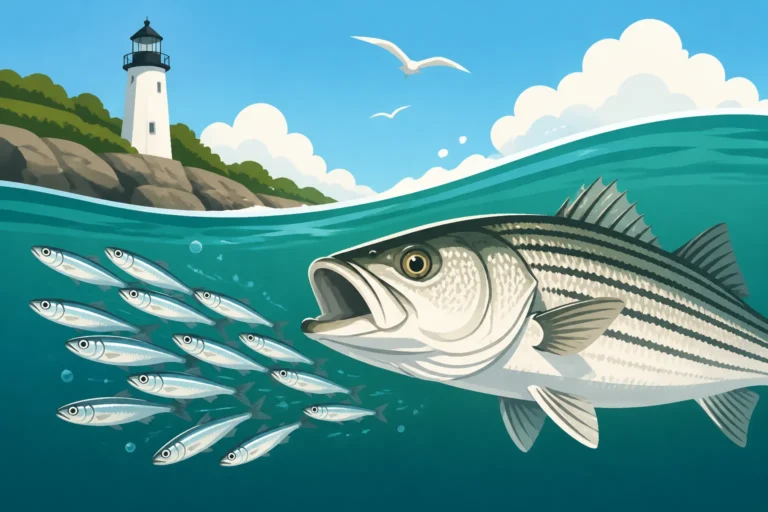
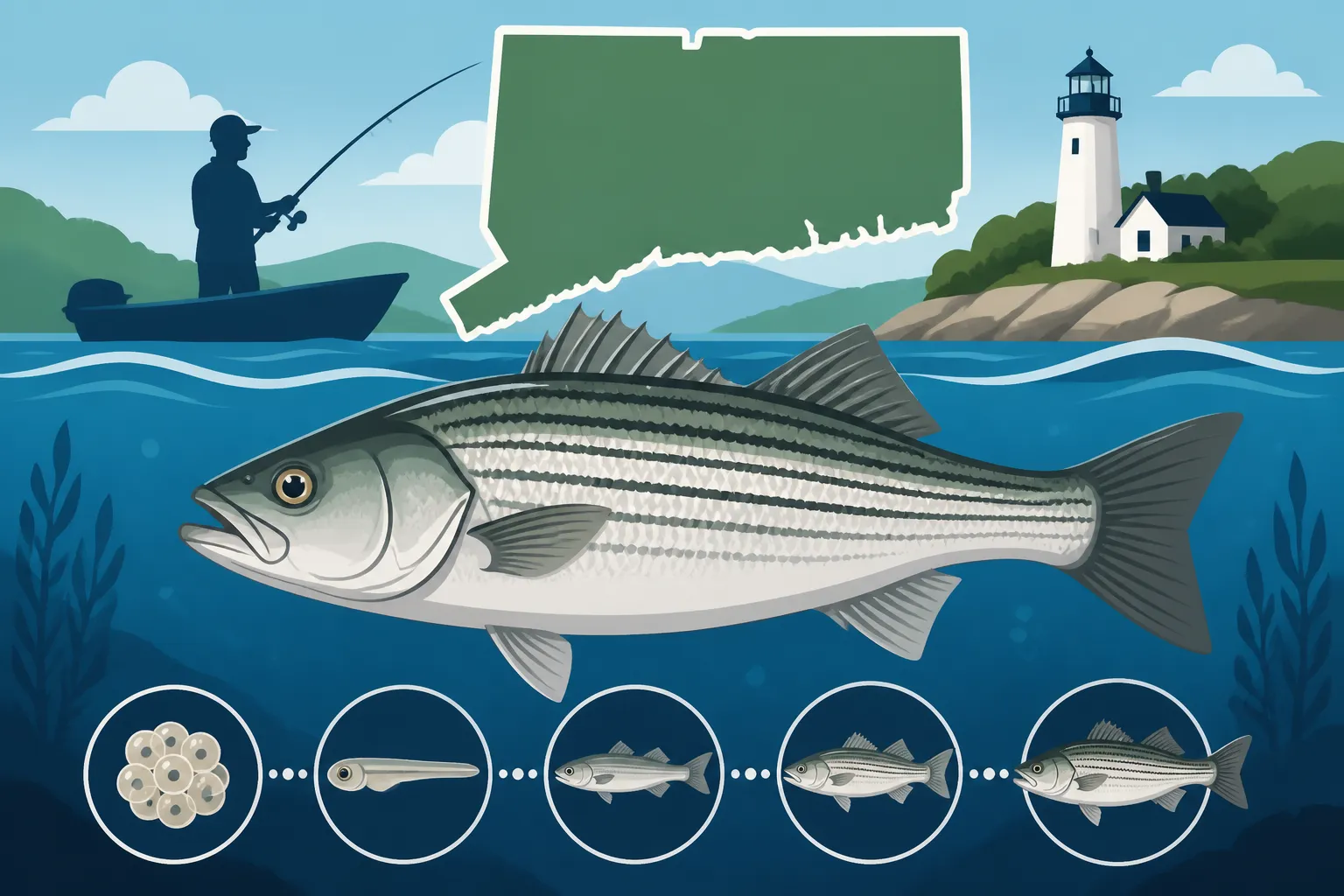
Striped bass, often affectionately called "stripers," are truly resilient and long-lived fish, a testament to their strength and adaptability. While the exact number can vary quite a bit, it's not uncommon for these powerful predators to live for a decade or two, and some truly ancient specimens have been recorded living much, much longer. It's a journey through fresh and saltwater, facing countless challenges from the moment they hatch.
Average Age of Wild Stripers
When we talk about the average age of a striped bass in the wild, we're typically looking at something in the range of 10 to 20 years. Think about that for a moment – a fish you catch could have been swimming our waters since you were a kid, or even longer! This average isn't just a random guess; it's based on extensive research and data collected over many years from fisheries up and down the coast, including those that spend time in and around Connecticut. Most of the fish you're likely to encounter in places like the Connecticut River Striped Bass Fishing grounds will fall within this age bracket, though the younger, "schoolie" stripers tend to dominate in certain areas and at certain times of the year.
The average is influenced by many factors, including where the fish lives, what it eats, and how much fishing pressure it experiences. A striper spending its entire life in pristine, unpressured waters with an abundant food source might easily push the upper end of that average, whereas one in a more challenging environment might not make it past the lower end. It's a constant battle for survival, and only the fittest, or luckiest, endure to become truly large, mature fish.
Maximum Recorded Lifespans
Now, here's where it gets really interesting: some striped bass have been known to live for astonishing lengths of time. We're talking about individuals that have surpassed the 30-year mark, and there are even reports of stripers pushing into their late 30s or early 40s! Imagine reeling in a fish that's older than you are! These are the true giants of the species, often referred to as "trophy" fish, and they represent a tiny fraction of the overall population.
These exceptionally old fish are a testament to the species' potential for longevity under ideal circumstances. They've managed to avoid predators, diseases, and fishing hooks for decades, growing to immense sizes in the process. Such long lifespans are a strong indicator of a healthy population, as it means fish are surviving long enough to reach full maturity and contribute multiple times to the spawning population. Finding one of these venerable old warriors is a truly special event for any angler, a living piece of history from the deep.
Factors Influencing a Striper's Longevity
A striped bass's journey from a tiny egg to a potential 30-year-old behemoth is fraught with peril. Their longevity is a complex interplay of environmental conditions, biological processes, and, let's be honest, a good bit of luck. Understanding these factors helps us appreciate just how remarkable it is when a striper reaches an impressive age.
Environmental Conditions and Habitat Quality
The quality of a striper's habitat plays a monumental role in how long it will survive and thrive. Clean water, abundant forage, and access to suitable spawning and nursery grounds are non-negotiable for a healthy, long-lived population.
- Water Quality: Striped bass are anadromous, meaning they spend parts of their lives in both fresh and saltwater. This makes them particularly vulnerable to pollution in rivers, estuaries, and coastal waters. Poor water quality, from industrial runoff to agricultural chemicals, can stress fish, make them more susceptible to disease, and directly impact their ability to grow and reproduce. A healthy ecosystem, like those found in the cleaner stretches of the Connecticut River, provides a much better chance for extended life.
- Food Availability: Just like us, stripers need a consistent and nutritious food supply to grow strong and live long. Their diet includes a variety of baitfish such as Atlantic menhaden, herring, and even smaller crustaceans. If these forage species decline due to overfishing or habitat degradation, stripers will struggle to find enough food, impacting their growth rates, overall health, and ultimately, their lifespan. You might find a good guide to understanding these food sources in books available on Amazon.
- Climate Change & Temperature: Striped bass are cold-blooded, and their metabolism is directly tied to water temperature. While they are resilient, extreme temperature fluctuations or prolonged periods outside their optimal range can be incredibly stressful. Warmer waters can also lead to lower oxygen levels and increase the prevalence of certain diseases, further reducing their chances of a long life.
Predation, Disease, and Natural Mortality
Even without human intervention, the wild is a tough place. Stripers face numerous natural threats throughout their lives.
- Natural Predators: When they are young, stripers are vulnerable to a wide array of predators, including larger fish, birds of prey, and even other striped bass! As they grow, the list of predators shrinks, but seals and larger marine mammals can still pose a threat. The sheer numbers of young fish produced help ensure that enough survive to reach maturity.
- Diseases and Parasites: Like all wild animals, striped bass are susceptible to various diseases and parasites. Stress from poor water quality, overcrowding, or lack of food can weaken their immune systems, making them more vulnerable. Viral diseases or bacterial infections can sometimes lead to significant die-offs in certain areas, particularly among younger fish. Monitoring fish health is a key component of assessing the overall health of the Striped Bass Fishing in Long Island Sound population.
- Spawning Stress: The act of spawning itself is incredibly taxing on striped bass, particularly for the large, mature females. They expend enormous amounts of energy traveling to spawning grounds, producing eggs, and navigating back to feeding areas. Some fish, especially older ones, may not fully recover from the physical demands of spawning, contributing to natural mortality.
Fishing Pressure and Management Practices
Human activity, particularly fishing, has a significant impact on the lifespan of striped bass. This is where responsible angling and effective fisheries management come into play.
- Harvest Rates: The number of fish removed from the population by recreational and commercial fishing directly affects how many individuals survive to old age. High harvest rates, especially of larger, older fish (which are often the most prolific spawners), can skew the population towards younger, smaller fish and reduce the overall average lifespan.
- Catch-and-Release Mortality: While catch-and-release is a vital conservation tool, it's not without its risks. Even when released carefully, some fish may suffer injuries or stress that lead to delayed mortality. Factors like water temperature, fight duration, and proper handling techniques can all influence a fish's survival post-release. Anglers can find plenty of tools and resources for proper catch-and-release techniques on platforms like Amazon.
- Regulations: Fisheries managers use regulations like minimum and maximum size limits, bag limits, and seasonal closures to control fishing pressure and protect fish, especially those in critical spawning stages. For example, the Connecticut Striped Bass Slot Limit and Season is designed to allow some fish to be harvested while protecting the most important spawning-age fish, thereby aiming to increase the chances of stripers living longer and reproducing more.
How Age is Determined in Striped Bass
Ever wondered how scientists figure out how old a fish is? It's not as simple as asking them! Determining the age of a striped bass, or any fish, is a crucial part of fisheries management. It helps scientists understand growth rates, monitor population health, and make informed decisions about regulations.
Otoliths: The Inner Ear Bones
The most common and accurate method for aging a striped bass involves examining its otoliths. What are otoliths? They're small, calcified structures located in the inner ear of bony fish. They play a role in balance and hearing, but for scientists, they're like a fish's personal diary.
- Growth Rings: Just like trees have rings that tell us their age and growth history, otoliths also form annual growth rings. As a fish grows, calcium carbonate is deposited on the otoliths, creating a series of concentric rings—alternating opaque and translucent bands. Each pair of these bands typically represents one year of growth.
- Extraction and Analysis: To age a fish, scientists carefully extract these tiny structures. It's a delicate process. Once removed, they might be sectioned, polished, and then examined under a microscope. Counting these rings allows biologists to determine the fish's age with remarkable accuracy. This method provides incredibly valuable data for understanding Striped Bass Growth Rate to Trophy Size and the overall health of the stock.
Scales and Fin Rays
While otoliths are the gold standard, scales and fin rays can also be used for aging, though they are generally less reliable for older fish.
- Scales: Similar to otoliths, fish scales also exhibit growth rings. As the fish grows, new material is added to the edges of the scales, forming circuli. During slower growth periods (like winter), these rings are closer together, forming "annuli" that can be counted to estimate age. The advantage here is that scales can be taken without sacrificing the fish. However, scales can be reabsorbed and regrown, leading to inaccurate counts, especially in older, larger fish.
- Fin Rays: In some fish species, cross-sections of fin rays (the bony supports within the fins) can also show growth rings. This method is also less invasive than otolith removal and can provide a reasonable age estimate, particularly for younger to middle-aged fish. However, like scales, they can be subject to erosion or damage that makes precise aging difficult.
Why Age Data Matters for Anglers
Why should you, as an angler, care about how scientists age fish? Because this data is directly used to set the regulations that govern our fishing. When biologists know the age structure of a striped bass population, they can determine if enough young fish are surviving to replenish the stock, and if enough older, larger fish are living long enough to spawn multiple times. This informs decisions about slot limits, bag limits, and seasons, all aimed at ensuring sustainable fishing for generations to come. It’s all part of the big picture of keeping our fisheries healthy, from the smallest baitfish to the largest Connecticut state record striped bass weight.
The Role of Conservation in Striper Lifespans
The impressive potential lifespan of a striped bass underscores the importance of robust conservation efforts. For these fish to reach their full potential, both individually and as a species, we need to ensure they have healthy environments and smart management.
Protecting Spawning and Nursery Grounds
One of the most critical aspects of conservation is safeguarding the places where stripers reproduce and where their young grow up. For striped bass, this primarily means the major river systems that serve as their freshwater spawning grounds, such as parts of the Chesapeake Bay watershed, the Hudson River, and to a lesser extent, the Connecticut River.
- Habitat Preservation: Protecting these areas from pollution, habitat destruction, and excessive development is paramount. Healthy river flows, clean water, and intact marshlands are vital for successful spawning and for the survival of juvenile stripers. Without these safe havens, even fish that survive to an old age won't have the opportunity to pass on their genes effectively.
- Reduced Stress: Limiting disturbance in these sensitive areas during critical periods, such as the striped bass spawn season, helps reduce stress on spawning adults and increases the survival rates of eggs and fry. This ensures the next generation has a fighting chance from day one.
Sustainable Fishing Practices
Every angler has a role to play in supporting the longevity of striped bass through sustainable fishing practices. This isn't just about following the rules; it's about adopting an ethical approach to the resource.
- Adhering to Regulations: Following size and bag limits, and understanding the Connecticut Fishing Regulations Explained for striped bass, is the bare minimum. These rules are in place for a reason – to ensure fish can mature and reproduce, and to prevent overfishing that could decimate the population and reduce average lifespans.
- Responsible Catch and Release: For fish that you intend to release, mastering proper catch and release techniques is essential. This means using appropriate tackle, minimizing fight time, handling fish gently with wet hands, avoiding dragging them over rough surfaces, and quickly releasing them. Circle hooks, which are a Connecticut Circle Hook Requirement for Striped Bass for certain fishing methods, are also key to reducing gut-hooking and improving survival rates.
- Educating Others: Share your knowledge and passion for conservation with fellow anglers. The more people who understand the biology of striped bass and the importance of responsible angling, the better the chances for the species to thrive for many more decades. Resources and educational materials on best practices are readily available, often found through quick searches or even on Amazon.
The Bigger Picture: Ecosystem Health
Ultimately, the lifespan of a striped bass is a barometer for the health of the entire marine and estuarine ecosystem. They are apex predators in many of these environments, and their well-being is intrinsically linked to the health of the food web and the cleanliness of the waters they inhabit.
Efforts to reduce coastal pollution, restore critical habitats like salt marshes, and manage forage fish populations all contribute to creating an environment where striped bass can live longer, healthier lives. It’s a holistic approach that benefits not only the stripers but countless other species and the overall biodiversity of our beautiful Connecticut waters and beyond.
Here's a quick look at the factors that weigh heavily on a striper's journey through life:
| Factor | Impact on Lifespan | Angler's Role (if applicable) |
|---|---|---|
| Water Quality | Direct impact on health; pollution reduces survival, increases disease susceptibility. | Advocate for clean water, report pollution. |
| Food Availability | Essential for growth and energy; scarcity leads to poor health and shorter lives. | Support sustainable forage fish management. |
| Habitat Quality | Access to clean spawning grounds, nurseries, and feeding areas is critical. | Support habitat restoration and protection. |
| Temperature | Extreme fluctuations or prolonged unsuitable temperatures cause stress and mortality. | Be mindful of water temps for catch and release. |
| Predation | Natural mortality, especially for juveniles; thins the population, ensuring only fittest survive. | N/A (natural process). |
| Disease/Parasites | Weakened fish are susceptible; can cause localized die-offs. | N/A (natural process, but poor water quality can exacerbate). |
| Spawning Stress | Physically demanding; some older fish may not recover from repeated spawning. | Protect spawning grounds, minimize disturbance during spawning season. |
| Fishing Pressure | Direct removal of fish from population; can reduce average lifespan if not managed. | Adhere to regulations, practice responsible catch and release. |
| Catch & Release Mortality | Though intended for conservation, some released fish may not survive due to stress/injury. | Master proper handling, use appropriate gear (e.g., circle hooks). |
| Regulations | Designed to control harvest, protect key age classes, and ensure population sustainability. | Understand and follow all Connecticut Fishing Regulations Explained. |
Seeing a healthy, vibrant striped bass swim away after a catch is a special feeling. Knowing the journey that fish has been on, and the many years it may have lived, only adds to that appreciation. By understanding these life-history details and championing conservation, we can help ensure that the magnificent striped bass continues to be a staple of Connecticut's fishing scene for generations to come.
Disclaimer
This article is for general informational purposes only and does not constitute professional advice. Laws, prices and regulations vary by location and change over time. Consult a qualified professional for guidance on your specific situation.