What winter flounder are and where they live
Oh, the winter flounder! These fascinating flatfish are often a mystery to folks who don't spend a lot of time specifically targeting them, or who might even confuse them with their summer cousins, the fluke. It can be really frustrating when you're out on the water, pulling up a flatfish, and you're just not sure what you've got on the end of your line. But understanding the humble winter flounder—what they are and exactly where they call home here in Connecticut—is key to appreciating this unique species and even improving your chances of catching them. This guide is going to clear up all that confusion and give you the lowdown on these amazing bottom dwellers.
Understanding the Winter Flounder: More Than Just a Flatfish
When you think of a flounder, you probably picture a flat fish lying on the seabed, eyes pointed upwards. And you'd be right! But the winter flounder, often affectionately called "blackback" or "lemon sole" by some, has its own distinctive traits that set it apart from other flatfish in our Connecticut waters. It's not just another brown fish on the bottom; it's a creature perfectly adapted to its environment.
What Makes a Winter Flounder Unique?
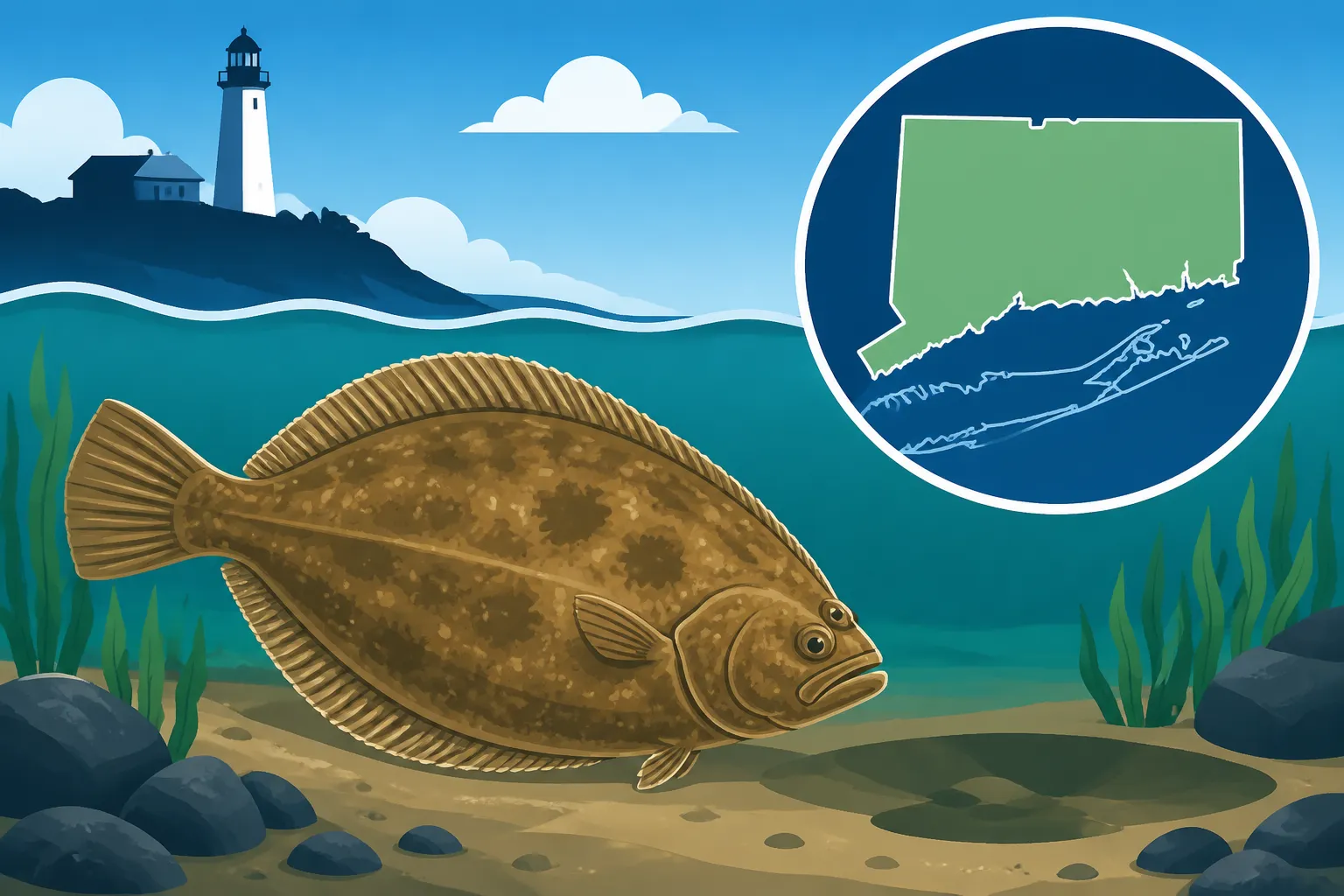
First off, let's talk about appearances. A winter flounder is typically an olive-green to reddish-brown color on its "up" side, often mottled with darker spots and blotches that provide incredible camouflage against sandy or muddy bottoms. Their underside, the part that faces down, is usually a clean white. One of the most defining characteristics, and often the easiest way to identify them, is that their eyes are on the right side of their head when viewed with their dark side up and head pointing away from you. This is a crucial distinction we'll get into more detail about shortly.
Their body shape is oval, thickest through the middle, and tapers towards the tail. They have a relatively small mouth, unlike the wide, toothy grin of a summer flounder. This small mouth is perfectly suited for their diet of small invertebrates. They're not chasing down big baitfish; instead, they're slurping up worms, small crustaceans, and tiny mollusks right off the seabed. They're ambush predators in their own quiet way, blending in perfectly and waiting for their next meal to pass by. It's quite remarkable how they can vanish against the seabed, almost a magic trick!
Winter Flounder vs. Other Connecticut Flatfish
Here in Connecticut, the most common confusion for anglers is distinguishing a winter flounder from a summer flounder, also known as fluke. While both are flatfish, they have some very clear differences once you know what to look for. And trust me, knowing the difference isn't just for bragging rights; it's absolutely essential for compliance with Connecticut Saltwater Fishing Regulations by Species, as regulations can vary wildly between species.
The most reliable way to tell them apart, as I mentioned, is by looking at which side their eyes are on. Winter flounder are "right-eyed," meaning their eyes are on the right side of their body when you hold them belly down and face their head away from you. Summer flounder (fluke), on the other hand, are "left-eyed." Beyond eye placement, fluke tend to have a larger mouth with more prominent teeth, built for catching small fish like spearing and silversides. Their body is also usually thinner and more elongated than the robust winter flounder.
There are also other flatfish species, like hogchokers, occasionally caught, but they are much smaller and have a distinctive, almost teardrop shape. Knowing these key visual cues can save you a lot of guesswork at the boat ramp or on the beach. If you're looking for gear to help you identify species or just want a good fishing guide, you can often find excellent resources and measuring devices on Amazon that fit easily into your tackle box.
Let's break down the key differences in a quick table:
| Feature | Winter Flounder (Pleuronectes americanus) | Summer Flounder (Paralichthys dentatus) |
|---|---|---|
| Eye Placement | Right-eyed (eyes on right side) | Left-eyed (eyes on left side) |
| Mouth Size | Small, suited for invertebrates | Large, with sharp teeth for baitfish |
| Body Shape | Oval, relatively thick and robust | More elongated and thinner |
| Coloration | Dark olive-brown to reddish-brown, mottled | Mottled brown, often with distinct spots |
| Common Name | Blackback, Lemon Sole | Fluke |
| Primary Diet | Worms, small crustaceans, mollusks | Small fish, squid, crustaceans |
Where Winter Flounder Call Home in Connecticut
Now that we know what these interesting flatfish look like, let's talk about their preferred real estate. Winter flounder are particularly well-suited to the diverse marine environments of Connecticut, especially throughout Long Island Sound Fishing Guide and its various estuaries.
Preferred Habitats and Bottom Structure
Winter flounder are true bottom dwellers, preferring soft, sandy, or muddy substrates. They love to lie partially buried, camouflaged against the seabed, waiting for food to drift or crawl by. You'll typically find them in shallow coastal waters, particularly in protected bays, harbors, tidal creeks, and the deeper channels of our estuaries. Think about those calmer, muddier areas where the current isn't too strong – that's often prime winter flounder territory.
As their name suggests, winter flounder are a cold-water species. They thrive when water temperatures are cool, typically below 50-55°F (10-13°C). In late winter and early spring, they move into shallow, inshore areas to spawn, often in waters as shallow as a few feet. As the water warms up in late spring and summer, they will generally move offshore into deeper, cooler waters of Long Island Sound or even migrate further east or south to escape the heat. Then, as fall arrives and the water cools again, they'll often return to those inshore areas to feed heavily before the true winter sets in, making fall and spring excellent times to target them. This seasonal movement pattern is something to keep in mind when checking Connecticut Fishing Seasons by Month.
The Influence of Water Temperature and Salinity
Water temperature is the absolute biggest factor influencing winter flounder distribution and activity. Unlike summer flounder, which prefer warmer waters, winter flounder get sluggish and uncomfortable when the mercury rises. That's why you hear about them being a "spring" or "fall" fishery for many shore-bound anglers. They become more active, feeding, and spawning when the water is cold. If you're looking to gear up for those colder water conditions, especially if you plan to hit the early spring or late fall bite, practical items like warm gloves, waterproof jackets, and insulated boots can be easily found on Amazon, ensuring you stay comfortable while searching for these elusive flatfish.
In terms of salinity, winter flounder are quite adaptable. While they are a marine species, they are often found in brackish waters where freshwater rivers meet the saltwater of Long Island Sound. These areas are typically rich in the invertebrate food sources they favor, making tidal rivers like the lower Connecticut River and other smaller estuaries prime locations. They can tolerate a range of salinities, which allows them to utilize a wider array of habitats than some purely marine species.
The Life Cycle and Conservation of Winter Flounder
The life of a winter flounder is a fascinating journey from a tiny egg to a camouflaged master of the seabed. Understanding their life cycle also helps us appreciate the importance of conservation efforts.
Spawning Habits and Early Life
One of the most remarkable aspects of the winter flounder is their spawning behavior. In late winter and early spring, often in February, March, and April, adult winter flounder migrate from deeper offshore areas into shallow, protected inshore waters—think bays, harbors, and estuaries. They gather in these specific areas, often in dense aggregations, to lay their eggs. The female releases sticky eggs that adhere to the bottom, often to vegetation or other debris, where they are then fertilized by the male.
After hatching, the larval winter flounder look like typical fish, swimming upright with an eye on each side of their head. But as they grow, a truly amazing transformation occurs: one eye actually migrates over the top of the head to join the other eye on the "right" side. Simultaneously, their body flattens, and they adopt their bottom-dwelling lifestyle, perfectly suited for life on the seabed. This metamorphosis is one of nature's coolest tricks and is essential for their survival as ambush predators. These juvenile flounder spend their early lives in the protected nursery habitats of estuaries, growing and developing before eventually moving into deeper waters.
Current Status and Fishing Considerations
Like many commercially and recreationally important species, winter flounder populations have faced challenges over the years. Habitat loss, declining water quality in some estuaries, and historical overfishing have all contributed to fluctuations in their numbers. Because of these factors, responsible fishing practices are more important than ever. The Connecticut DEEP (Department of Energy and Environmental Protection) monitors winter flounder stocks and implements regulations designed to ensure the species' sustainability. You can learn a lot about these efforts and current rules by consulting the Connecticut Fishing Regulations Explained.
Anglers play a critical role in conservation by adhering to size limits, daily creel limits, and season dates. Catch and release, especially for larger breeding females, is also a valuable practice. We all want to see healthy populations of winter flounder for future generations, and that starts with understanding and respecting their unique biology and vulnerabilities.
Tips for Finding and Catching Winter Flounder (Responsibly)
So, you're ready to put your knowledge to the test and try to catch some winter flounder? Awesome! It's a rewarding experience, and they make for excellent table fare too. Knowing where and when to go, and what gear to use, will significantly increase your success.
Best Times and Locations
As we've discussed, the prime time for winter flounder fishing in Connecticut is during the cooler months: late winter, early spring, and again in the fall.
- Spring: From late February through April, as the water temperatures begin to rise slightly, winter flounder move into shallow inshore areas for their spawning run. This is often the most accessible time for shore anglers. Look for protected bays, muddy flats, and river mouths like the lower Connecticut River, the Thames River, or the inlets around Niantic and Stonington. Many Best Shore Fishing Spots in Connecticut will become active during this period.
- Fall: From late September through November, as water temperatures drop, flounder move back inshore from deeper waters to feed heavily before winter. This can also be a fantastic time to catch them, often with less fishing pressure than the spring season.
When scouting for locations, pay attention to the bottom. Areas with soft sand, mud, or a mix of both, especially near channels, drop-offs, or mussel beds, are usually productive. Look for signs of invertebrate life. Tides also play a role; often the last half of the incoming tide and the first hour or two of the outgoing tide can be very good, as the moving water stirs up food.
Essential Gear and Bait
You don't need fancy, heavy tackle to catch winter flounder. In fact, a lighter setup will allow you to feel their subtle bites much better.
- Rods and Reels: A light to medium-light spinning rod (6-7 feet) paired with a small to medium spinning reel spooled with 8-15 pound monofilament or braided line is ideal. You want something sensitive enough to detect those gentle nibbles.
- Rigs: The classic high-low rig is a go-to for winter flounder. This rig typically has two hooks spaced above a sinker, allowing you to present bait at different depths just off the bottom. Small, sharp bait hooks (size 4 to 1/0) are perfect for their small mouths. A few beads or a small spinner blade above the hook can add attraction, mimicking a small critter on the bottom. Sinkers will vary depending on current, but 1-3 ounces is usually sufficient.
- Bait: This is perhaps the most crucial element. Winter flounder absolutely love marine worms.
- Sandworms: These are hands-down the best bait. Their natural scent and wiggle are irresistible to flounder. You can buy them at most local bait and tackle shops.
- Bloodworms: Another excellent choice, often pricier than sandworms but very effective.
- Clams: Pieces of fresh clam, particularly the tough foot, can also work well.
- Mussels: Small bits of mussel meat can sometimes entice a bite.
Present your bait naturally. Cast your rig out, let it settle on the bottom, and then slowly retrieve it with small hops or simply let the current do the work. The goal is to keep your bait right in their feeding zone. If you need new hooks, leaders, or even a specialized fishing net, browsing Amazon can be a convenient way to get your gear delivered right to your door. Remember to always have your Connecticut Fishing License Guide for 2026 in order before you head out!
Taking a charter can also be a fantastic way to learn the ropes and find the best spots. Many experienced captains offer trips tailored for these delicious bottom fish. If you're considering this, check out Best Fishing Charters in Connecticut and What Gear a Connecticut Charter Provides to prepare for a successful trip. Good luck out there, and tight lines!
Disclaimer
This article is for general informational purposes only and does not constitute professional advice. Laws, prices and regulations vary by location and change over time. Consult a qualified professional for guidance on your specific situation.