What a hybrid striped bass is a cross between
It's completely understandable to feel a little lost when you hear terms like "hybrid striped bass" floating around in fishing circles, especially here in Connecticut. You're out on the water, you catch a fish that looks kind of like a striper, but something's just a little off, and suddenly you're wondering if you've stumbled upon something completely different. This guide is here to unravel that mystery for you, explaining exactly what a hybrid striped bass is, what two species it's a cross between, and why they're such an interesting part of the angling world.
Unpacking the Hybrid Striper: The Atlantic and White Bass Connection
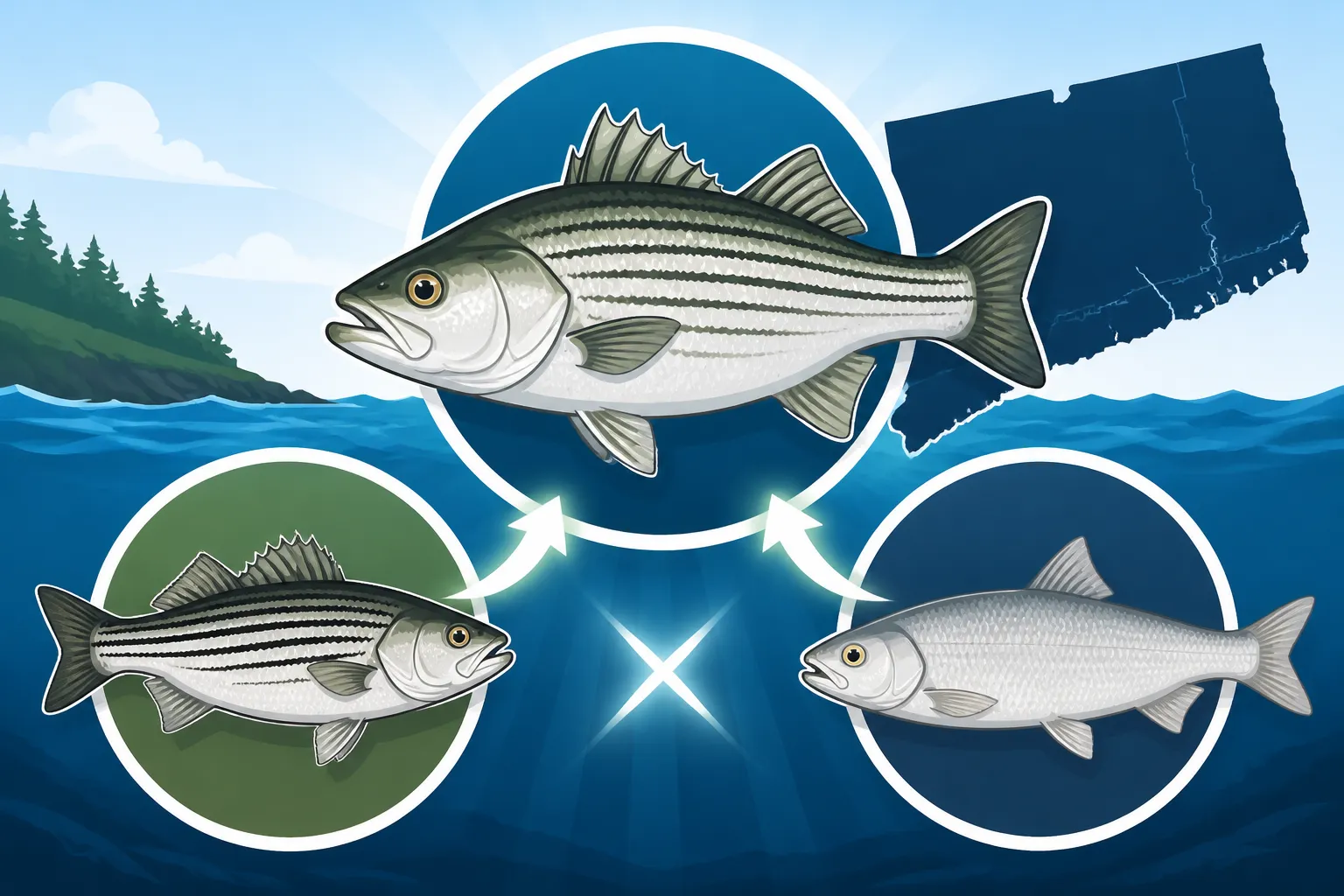
At its heart, a hybrid striped bass is a fascinating blend of two distinct species that have been cross-bred to create a new, often hardier, and faster-growing fish. This isn't a naturally occurring phenomenon you'd find regularly in the wild; rather, it's the result of human intervention, typically in aquaculture settings, to produce a fish with desirable traits for both commercial and recreational purposes. The two parent species that make up this hybrid are the mighty Atlantic Striped Bass and the feisty White Bass.
The Parent Species: Atlantic Striped Bass
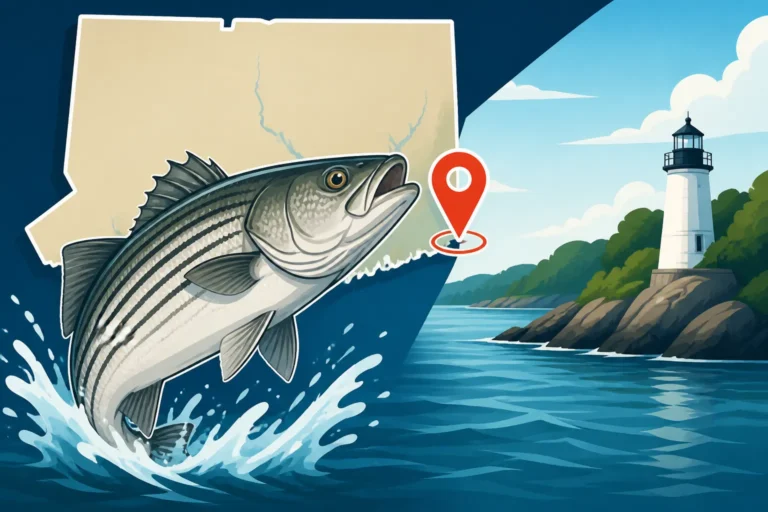
Let's start with the one most of us are familiar with, especially if you've ever fished our beautiful Long Island Sound Fishing Guide. The Atlantic Striped Bass, scientifically known as Morone saxatilis, is a truly iconic fish. These magnificent creatures are anadromous, meaning they spend most of their lives in saltwater but migrate into freshwater rivers to spawn. Think of them running up the Connecticut River each spring! They're known for their powerful runs, broad shoulders, and often boast solid, unbroken horizontal lines running the length of their silvery bodies.
Pure stripers can grow to impressive sizes, with some individuals reaching well over 50 pounds, offering a legendary fight that challenges even the most seasoned angler. Their natural range extends along the Atlantic coast, from Canada down to Florida, and they are a highly prized sport fish. For many, catching a big striper is a pinnacle achievement, especially when targeting them with specific techniques like those outlined in How to Catch Striped Bass in Long Island Sound. These fish require specific water temperatures and conditions for spawning and survival, and their migratory patterns are a huge part of their life cycle.
The Parent Species: White Bass
On the other side of the genetic equation, we have the White Bass, Morone chrysops. This fish is a much smaller, strictly freshwater species, native primarily to the large lakes and rivers of the central and southern United parts of North America. Unlike its migratory cousin, the White Bass spends its entire life in freshwater environments. They rarely exceed a few pounds in weight, but what they lack in size, they make up for in sheer aggression and schooling behavior.
White Bass are often characterized by their silvery-white bodies and, crucially, a series of faint, often broken, horizontal lines along their sides. They are incredibly popular among freshwater anglers for their willingness to strike a variety of lures and their strong fight for their size. They tend to school in large numbers, making for exciting fishing opportunities when you find a active school. While they share the "bass" name, they are quite distinct from the largemouth or smallmouth bass you might target in our local lakes and rivers, like those discussed in Largemouth Bass vs Smallmouth Bass Identification. They are a different genus, more closely related to stripers than to the black bass family.
The Science Behind the Hybrid: Why They Were Created
The idea of combining these two distinct species didn't just happen by accident. It was a deliberate, scientific endeavor born out of a desire to create a fish that could thrive in a wider range of conditions and offer specific benefits that neither parent species could provide alone. This genetic engineering, if you will, has yielded a truly unique and valuable fish for various purposes.
Why Hybrids? Aquaculture and Angling Benefits
So, why go through the trouble of creating a hybrid? The reasons are quite compelling, spanning both the commercial aquaculture industry and the recreational angling world. One of the primary drivers was the need for a fish that grows quickly, is resilient, and can adapt to varied water conditions, particularly in landlocked freshwater systems where pure Atlantic Striped Bass wouldn't naturally thrive due to their migratory instincts.
From an aquaculture perspective, hybrid striped bass are fantastic. They grow at a faster rate than either parent species, making them economically viable for farming. They are also incredibly hardy and tolerant of a wide range of water temperatures and oxygen levels, making them easier to raise in controlled environments. This efficiency leads to a consistent supply of fish for food markets.
For sport fishing, the benefits are equally significant. Hybrid stripers are known for their aggressive nature and powerful fighting ability, often described as having the strength of a striped bass in a freshwater package. They can be stocked in lakes and reservoirs that wouldn't support native striped bass populations, providing a thrilling angling experience in new locations. They fill a niche, offering a large, hard-fighting sport fish that doesn't need access to the ocean to complete its life cycle. This means anglers in inland states or regions can enjoy a "striper-like" experience without needing to head to the coast. You can find many popular lures for these feisty fish on platforms like Amazon, from topwater plugs to deep-diving crankbaits.
Identifying a Hybrid Striper vs. Purebreds
One of the biggest challenges for anglers, especially those new to fishing or visiting from other regions, is telling the difference between a pure Atlantic Striped Bass, a White Bass, and their hybrid offspring. It's not always straightforward, but there are some key visual cues that, once you know them, become much easier to spot. Knowing what you've caught is crucial, especially if there are different regulations for each species, which is something you'd always check in the Connecticut Fishing Regulations Explained guide.
The most reliable differentiator lies in the lateral lines on their bodies:
- Atlantic Striped Bass (Purebred): These fish typically have seven or eight prominent horizontal lines running from behind their gills to their tail. Crucially, these lines are almost always solid and unbroken. They tend to have a more elongated, torpedo-like body shape.
- White Bass (Purebred): White bass also have horizontal lines, but they are generally fainter and, more often than not, are broken or interrupted, particularly below the lateral line. They are also much smaller and have a deeper, more compressed body shape, appearing almost "panfish-like" compared to a striper.
- Hybrid Striped Bass (Wiper/Sunshine Bass): The hybrid is where things get interesting. They generally have a more robust, "football-shaped" body, often thicker and deeper than a pure striper but larger than a white bass. Their defining characteristic is that their horizontal lines are typically broken or interrupted, especially the lines below the main lateral line. Sometimes, these broken lines will resemble dashes or smudges rather than continuous streaks. They usually have one or two solid lines above the lateral line, but below it, expect chaos!
Here's a quick comparison to help you distinguish them on the water:
| Feature | Atlantic Striped Bass (Purebred) | White Bass (Purebred) | Hybrid Striped Bass (Wiper/Sunshine) |
|---|---|---|---|
| Lateral Lines | Mostly solid, unbroken | Faint, often broken/interrupted | Distinctly broken/interrupted |
| Body Shape | Elongated, torpedo-like | Deep, compressed, smaller | Football-shaped, robust |
| Max Size | Large (50+ lbs) | Small (1-3 lbs common) | Medium (up to 20 lbs) |
| Habitat | Saltwater/Anadromous (rivers) | Freshwater (lakes, rivers) | Primarily Freshwater (lakes, reservoirs) |
| Aggression/Fight | Powerful, sustained | Energetic for its size | Very aggressive, strong fighter |
Remember, sometimes a clear picture can help with identification. If you're ever in doubt, consult your local fishing regulations or a knowledgeable angler. There are also many excellent fish identification guides available on Amazon that can be a valuable resource to carry with you.
Hybrid Stripers in Connecticut and Beyond
While the focus for stocking here in Connecticut tends to be on species like trout in our streams, as highlighted in the Connecticut Interactive Trout Stocking Map, Explained, and native fish rehabilitation, hybrid striped bass do have a place in other parts of the country. Understanding their role, even if they aren't extensively stocked here, helps us appreciate the diversity of angling opportunities out there.
Stocking Programs and Habitats
Hybrid striped bass are primarily stocked in large freshwater impoundments, lakes, and reservoirs across many states, particularly in the South and Midwest, where they can thrive in warmer waters that might be less hospitable to pure Atlantic Striped Bass. Because they don't have the same migratory needs as their saltwater parent, they are an excellent choice for creating put-grow-and-take fisheries in landlocked bodies of water. These stocking programs often aim to provide a robust sport fish that can also help manage forage fish populations within the ecosystem. They're often found in waters that have ample baitfish, like gizzard shad or alewives, which they actively pursue.
Here in Connecticut, our primary focus is on preserving and managing our native fish populations, along with stocking popular sport fish like various trout species, which you can learn more about in Trout Fishing in Connecticut. While you might occasionally encounter a stray hybrid, or a fish that resembles one, they aren't a regularly stocked species by the Connecticut Department of Energy and Environmental Protection (DEEP) in the same way they are in states further south or west. Our waters are largely managed for our incredible native and naturally reproducing populations, along with targeted stocking for popular fisheries. However, the characteristics that make hybrid stripers popular elsewhere – their hardiness and fighting spirit – are certainly something to admire. If they were to be stocked in a place like Best Fishing Lakes in Connecticut, they would certainly draw a crowd.
Fishing for Hybrid Stripers: Techniques and Gear
If you ever find yourself in a region where hybrid striped bass are actively stocked, you're in for a treat. These fish are renowned for their aggressive takes and strong, relentless fights, often making powerful runs similar to their striped bass parent. They're typically targeted using a variety of methods, often mimicking the techniques used for both stripers and large freshwater bass.
Lure Fishing: Hybrids are suckers for a well-presented lure. Think about what works for Best Lures for Striped Bass in Long Island Sound and adapt it to freshwater. Spoons, especially jigging spoons, can be incredibly effective when hybrids are schooling and feeding on baitfish. Crankbaits, both shallow and deep-diving, can also entice strikes, as can lipless crankbaits retrieved quickly. Topwater plugs are a blast when they're actively chasing bait on the surface, creating explosive strikes that get the adrenaline pumping. You can build up an impressive tackle box for these fish, finding great deals on a wide array of lures on Amazon.
Live Bait Fishing: For many anglers, nothing beats live bait. Small shad, shiners, or even large minnows presented under a bobber or on a bottom rig can be irresistible to hungry hybrids. They are opportunistic feeders and will readily engulf a struggling baitfish. Whether you're fishing from shore or a boat, a sturdy medium-heavy spinning rod or baitcasting setup with 10-20 lb test line is generally appropriate. Brands like Penn and Shimano offer excellent options for both spinning and baitcasting setups that would handle these powerful fish.
Trolling: In larger lakes and reservoirs, trolling can be an effective way to cover water and locate schooling hybrids. Using umbrella rigs, deep-diving crankbaits, or even live bait behind planer boards can yield excellent results, especially when the fish are suspended in the water column.
Regardless of the technique, the key to success with hybrid striped bass is often locating the schools. They are highly predatory and will actively chase baitfish, often revealing their location through surface boils or bird activity. A good quality fish finder can be an invaluable tool for pinpointing their whereabouts in larger bodies of water. Make sure your drag is set right, because once they hit, they pull hard!
Disclaimer
This article is for general informational purposes only and does not constitute professional advice. Laws, prices and regulations vary by location and change over time. Consult a qualified professional for guidance on your specific situation.