How walleye were introduced to Lake Zoar
Many anglers across Connecticut, especially those casting lines in the tranquil waters of Lake Zoar, often wonder about the elusive walleye that occasionally grace their catches. It's not a native species to our state, which sparks a natural curiosity: how did these toothy predators end up thriving in a place like Lake Zoar? This guide will dive deep into the fascinating history of walleye introduction to Lake Zoar, exploring the dedicated efforts behind their presence and what it means for the local fishing scene.
The Story of Walleye in Connecticut Waters
Connecticut's waters are rich with diverse fish species, from the leaping trout in our cold streams to the robust striped bass in Long Island Sound. But walleye, with their distinct glassy eyes and delicious fillets, are a bit of an anomaly in the Nutmeg State. Their presence is entirely thanks to human intervention and a long-term vision for enhancing recreational fishing opportunities.
Early Walleye Introductions in the Northeast
The idea of introducing walleye to waters where they aren't native isn't unique to Connecticut. Throughout the Northeast and beyond, state fisheries agencies have recognized the walleye's appeal as a sport fish and a valuable food source. In many regions, particularly in states like New York, Pennsylvania, and Ohio, walleye have a strong native presence, but their popularity led to efforts to expand their range. These early introductions, often dating back to the mid-20th century or even earlier, aimed to diversify fishing prospects in large lakes and reservoirs that could support a top predator. These were carefully planned operations, often involving trapping walleye from healthy populations in other states and transporting them, or raising them in hatcheries from eggs.
Connecticut watched these efforts with keen interest. Our state has numerous large, fertile lakes that seemed to possess the right characteristics for walleye, but lacked a prominent cool-water predator to fill a specific ecological niche and provide a different angling experience. The goal was never to replace native species, but to complement the existing fisheries and offer something new for our dedicated anglers. The success stories of neighboring states provided a blueprint for what might be possible here.
Why Lake Zoar Was Chosen for Walleye Stocking
When the Connecticut Department of Energy and Environmental Protection (DEEP) began looking at potential walleye stocking locations, Lake Zoar quickly rose to the top of the list. Situated on the Housatonic River between the Stevenson Dam and the Shepaug Dam, Lake Zoar is a unique environment. It’s a hydroelectric impoundment, meaning it's a man-made lake with fluctuating water levels and a consistent flow, which creates diverse habitats.
Several factors made Lake Zoar an ideal candidate. First, its size and depth offered ample space for walleye to establish territories and grow. Second, and crucially, the lake boasts a healthy population of baitfish, particularly alewives and shiners, which would provide a robust food source for a growing walleye population. Without an abundant food supply, any stocking effort would be doomed to failure. Third, Lake Zoar's cool, oxygenated waters, especially in its deeper sections, align well with the preferred habitat of walleye. Unlike warmer-water species like largemouth bass, walleye prefer cooler temperatures, particularly during the summer months. Finally, Lake Zoar is a popular and accessible fishing destination, meaning a successful walleye fishery would benefit a significant number of recreational anglers. The DEEP envisioned a trophy fishery, a place where anglers could specifically target a hard-fighting, great-tasting fish not typically found in our other lakes. You can find more details about fishing this body of water in our Lake Zoar Fishing Guide.
The Role of Connecticut DEEP in Fisheries Management
The Connecticut DEEP plays an absolutely critical role in all aspects of fisheries management across the state, and the walleye program in Lake Zoar is a perfect example of their dedication. Their mission encompasses not just stocking fish, but also conducting extensive research, monitoring fish populations, regulating angling seasons and limits, and protecting aquatic habitats. When considering an introduction like walleye, the DEEP undertakes a rigorous scientific process. This involves ecological impact assessments to ensure the new species won't negatively impact native fish or the overall ecosystem. They analyze water quality, forage availability, potential competition with existing predators, and disease risks.
Their team of fisheries biologists is constantly in the field, collecting data through electroshocking, netting, and angler surveys. This data informs their stocking strategies, helping them decide how many fish to release, what size, and where. The DEEP also manages the state's hatcheries, where many of the fish stocked in Connecticut waters, including the walleye that eventually found their way to Lake Zoar, are raised from tiny fry. It's a complex, ongoing effort that balances conservation with providing quality recreational opportunities for all of us who love to fish. You can learn more about general regulations in our Connecticut Fishing Regulations Explained article.
The Walleye Introduction Program in Lake Zoar
Introducing a non-native species, even one as desirable as the walleye, is not a simple matter of dumping a bucket of fish into a lake. It's a multi-year, strategic program that requires careful planning, significant resources, and continuous monitoring to ensure success and mitigate any unintended consequences. The walleye program in Lake Zoar is a testament to this painstaking process.
Initial Stocking Efforts and Source of Fish
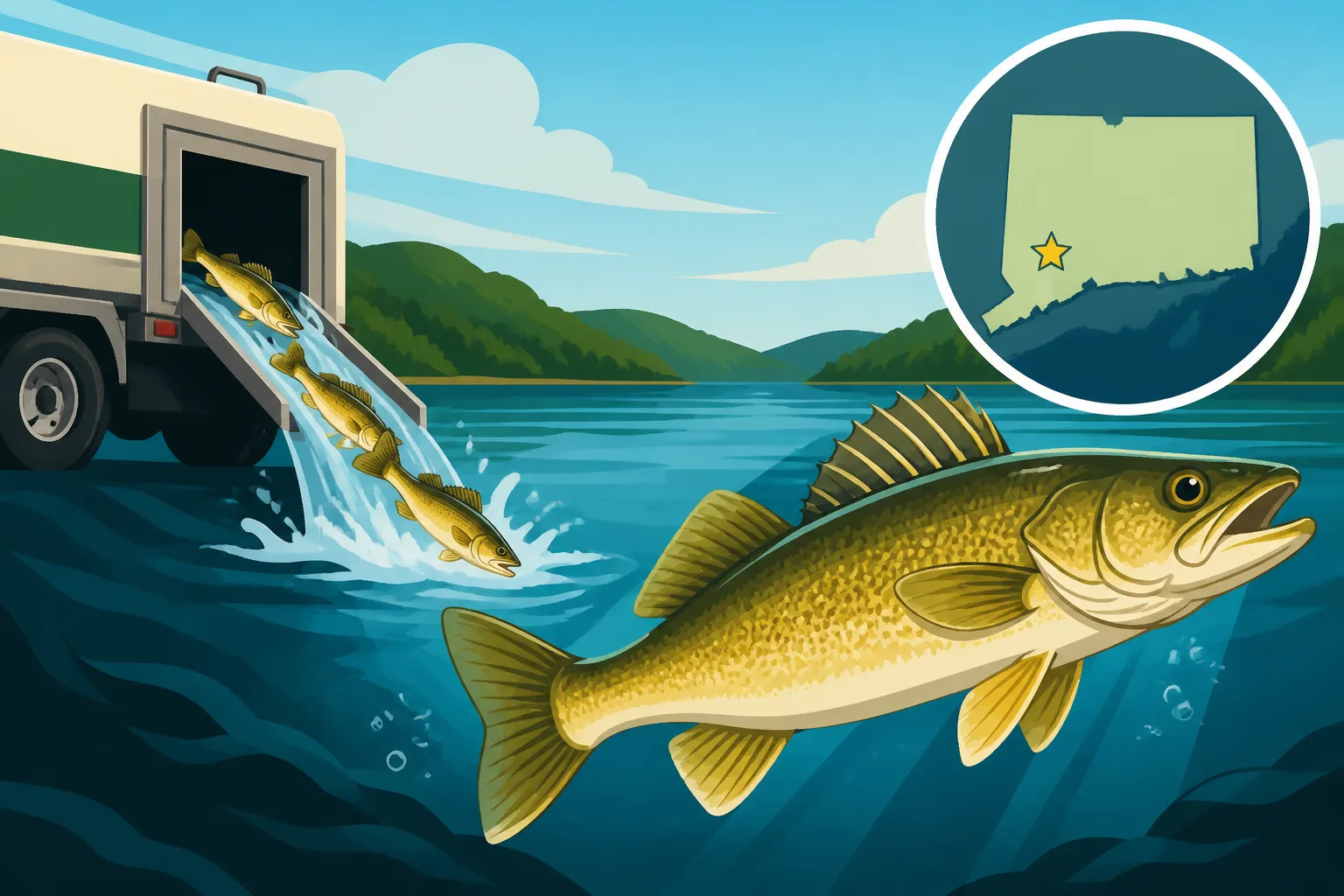
The initial stocking efforts for walleye in Lake Zoar didn't happen overnight. They were the culmination of years of research and planning by the Connecticut DEEP. The decision was made to stock young walleye, typically fingerlings (fish a few inches long), rather than adult fish. Fingerlings tend to adapt better to new environments and have a higher survival rate in the long term compared to larger, hatchery-reared fish introduced directly into a wild system. The source of these walleye was primarily state hatcheries, often through cooperation with other states that had established walleye broodstock. For instance, some of the initial walleye eggs or fry may have come from states like New York or Pennsylvania, which have robust walleye populations and successful hatchery programs.
These young walleye were transported carefully and released into various strategic locations around Lake Zoar to maximize their dispersal and minimize immediate predation. The first stockings were often experimental, with fisheries biologists closely tracking survival rates and growth. The DEEP didn't just dump them in; they studied current patterns, forage locations, and habitat structures within the lake to choose the best release points to give these young fish the best chance at survival and growth. Without these initial, painstaking efforts, the walleye population wouldn't have stood a chance.
Monitoring and Evaluation of Walleye Populations
Once walleye were introduced, the DEEP's work shifted to intense monitoring and evaluation. This isn't a "set it and forget it" kind of operation. Biologists regularly conduct surveys using a variety of techniques to assess the health and growth of the walleye population. Electrofishing, which temporarily stuns fish for easy capture and release, is a common method for sampling fish in shallower areas. Gill nets are also deployed in deeper waters to capture walleye of various sizes, providing data on age distribution, growth rates, and overall population density.
Every walleye captured is measured, weighed, and often checked for fin clips or tags if they were marked prior to stocking. This data helps the DEEP understand how well the stocked fish are surviving, if they are reproducing naturally (a key indicator of a truly self-sustaining fishery, though not always the primary goal with non-native species), and how they are impacting other fish populations. Angler surveys and creel censuses (where biologists interview fishermen at boat ramps) also provide invaluable information on catch rates and angler satisfaction. This continuous feedback loop allows the DEEP to adjust stocking levels, refine management strategies, and ensure the program is meeting its objectives. For those interested in general fishing access and stocking, the Connecticut Interactive Trout Stocking Map, Explained offers a similar look into how the DEEP manages other species.
Challenges and Successes of the Program
Introducing a new species always comes with its share of challenges. One significant hurdle can be initial survival rates, as young fish face immediate predation from existing species like bass, pickerel, and even larger panfish. Establishing a self-sustaining population that reproduces naturally can also be difficult for non-native species, often requiring ongoing supplemental stocking. Water quality fluctuations, environmental changes, and even illegal poaching can also impact the success of a program.
Despite these challenges, the walleye introduction in Lake Zoar has largely been considered a success story. Anglers consistently report catching walleye, sometimes even trophy-sized fish, indicating good growth rates and a healthy population. The program has successfully diversified the fishing opportunities in Lake Zoar, attracting anglers specifically targeting walleye. While natural reproduction of walleye in Lake Zoar might be limited, the consistent stocking by the DEEP has ensured a viable and exciting fishery. This success demonstrates the careful planning and ongoing commitment from the state's fisheries managers. If you're planning a trip, remember to check the Connecticut Fishing License Guide for 2026 beforehand!
Impact on Lake Zoar's Ecosystem and Anglers
The introduction of any non-native species into an ecosystem naturally raises questions about its broader impact. For Lake Zoar, the walleye program has brought both ecological considerations and undeniable benefits for the angling community, transforming the lake into a unique fishing destination in Connecticut.
Ecological Considerations and Native Species
When walleye were introduced, the DEEP undertook careful ecological assessments to predict and mitigate any potential negative impacts on Lake Zoar's native species and overall ecosystem. Walleye are apex predators, meaning they sit at the top of the food chain for fish in the lake. Their primary diet consists of smaller baitfish like alewives, shiners, and yellow perch. While this can put pressure on these forage species, Lake Zoar's abundant baitfish populations were deemed robust enough to support an additional predator without collapsing. The goal was to establish a balanced system, where the walleye would help keep baitfish populations in check, potentially even benefiting the overall health of the ecosystem by culling weaker individuals.
It's crucial to distinguish between a stocked species and an invasive species. Walleye are managed and stocked, with their populations carefully controlled by the DEEP. Invasive species, on the other hand, are introduced unintentionally or illegally, spread aggressively, and often outcompete or displace native species, causing significant ecological harm. Walleye in Lake Zoar are not considered invasive because their introduction was deliberate, researched, and is actively managed. This contrasts sharply with truly problematic species sometimes found in Invasive Fish Species in Connecticut Waters.
Fishing Opportunities and Techniques for Walleye
For anglers, the introduction of walleye to Lake Zoar has been a game-changer. It offers a distinct challenge and reward compared to targeting the lake's abundant bass or panfish. Walleye are known for their preference for low light conditions, making dawn, dusk, and even night fishing particularly productive. They are also structure-oriented, often found relating to submerged ledges, humps, drop-offs, and river channels within the lake.
Common techniques for walleye in Lake Zoar include:
- Jigging: Tipping jigs with live bait like shiners or worms, or using soft plastic baits, can be highly effective when fishing deeper structure.
- Trolling: Pulling crankbaits or spinner rigs slowly along contours or across open water where baitfish congregate is a popular method, especially for covering a lot of water.
- Live Bait Rigging: Using bottom bouncer rigs with worms, shiners, or leeches is often deadly for walleye, presenting a natural offering right in their strike zone.
- Casting: During low light, casting crankbaits or jerkbaits along shorelines or over shallow flats can entice aggressive walleye to strike.
Anglers often find the chase for walleye requires patience and an understanding of their nocturnal habits. Many rely on sonar to locate schools of baitfish and the tell-tale marks of walleye lurking nearby. If you're used to Panfish Fishing in Connecticut, the approach for walleye is definitely different, requiring heavier tackle and more specialized lures.
| Walleye Fishing Technique | Best Time of Day | Typical Baits/Lures | Preferred Depth | Key Features |
|---|---|---|---|---|
| Jigging | Dawn/Dusk, Night | Live shiners, worms, soft plastic paddletails | Deep structures | Precise presentation, vertical fishing |
| Trolling | Anytime, especially day | Crankbaits, spinner rigs, stickbaits | Mid-depth to deep | Covers large areas, finds active fish |
| Live Bait Rigging | Dawn/Dusk, Night | Shiners, worms, leeches (if legal) | Bottom/Structure | Natural presentation, slow retrieve |
| Casting | Dawn/Dusk, Night | Crankbaits, jerkbaits, swimbaits | Shallow flats, shorelines | Active presentation, mimics fleeing baitfish |
Remember, always consult the current Connecticut Fishing Regulations Explained for species-specific rules and daily limits.
Conservation Efforts and Future Management
Maintaining a healthy walleye fishery in Lake Zoar requires ongoing conservation efforts and proactive management. The DEEP continues to monitor the population through regular surveys and stocking programs. It's a balance of ensuring enough walleye are present to provide good fishing, without over-stocking or causing undue stress on the lake's ecosystem. Anglers also play a vital role in conservation. Practicing catch-and-release, especially for larger breeding-size fish, helps maintain genetic diversity and supports natural population dynamics. Adhering strictly to size and creel limits is non-negotiable, safeguarding the future of the fishery.
The DEEP also focuses on habitat preservation within Lake Zoar and its tributaries. Healthy shorelines, clean water, and diverse underwater structures are crucial for all fish, including walleye. Erosion control, pollution prevention, and sustainable land use practices in the surrounding watershed all contribute to the long-term viability of the walleye program. By understanding their role and cooperating with DEEP guidelines, anglers ensure that the walleye legacy in Lake Zoar continues for generations.
Looking Ahead: The Future of Walleye in Connecticut
The success of the walleye program in Lake Zoar serves as a fantastic example of what dedicated fisheries management and angler support can achieve. The future of walleye in Connecticut, particularly in this impressive impoundment, depends on continued commitment to these practices.
Ongoing Management and Research
The Connecticut DEEP is not one to rest on its laurels. The walleye population in Lake Zoar, though established, remains a subject of ongoing research and adaptive management. This means biologists are constantly analyzing new data, reviewing historical trends, and adjusting stocking schedules or regulations as needed. For example, if monitoring shows a decline in a particular age class of walleye, the DEEP might increase stocking rates for fingerlings or explore different stocking locations within the lake. Conversely, if there are signs of overpopulation affecting forage species, they might reduce stocking or even liberalize limits for a period.
Research also delves into aspects like walleye diet, movement patterns within Lake Zoar, and their interaction with other sport fish like smallmouth and largemouth bass. Understanding these complex ecological relationships is key to maintaining a balanced and thriving fishery. The DEEP also collaborates with academic institutions and neighboring state agencies to share knowledge and best practices, ensuring a holistic approach to fisheries management. This continuous learning cycle is crucial for the long-term health of our aquatic resources and fishing opportunities. Knowing when and where to fish effectively often comes down to this kind of nuanced understanding, which is explored further in topics like Connecticut Fishing Seasons by Month.
How Anglers Can Support Walleye Conservation
As anglers, we are direct stakeholders in the health of our fisheries, and our actions can have a significant impact on the success of programs like the walleye introduction in Lake Zoar. Supporting walleye conservation goes beyond just following the rules; it involves active participation and responsible angling practices.
One of the most important things anglers can do is to report their catches, especially those of unusual size or in unexpected locations. This information, often gathered through angler survey cards or online reporting tools provided by the DEEP, helps biologists understand population trends and distribution. Voluntary catch-and-release, particularly for larger female walleye that are critical for spawning potential (even if natural reproduction is limited, preserving these fish is good practice), is another excellent way to contribute.
Furthermore, being mindful of bait choices and preventing the spread of aquatic invasive species is paramount. Never transfer fish or bait from one body of water to another. Always clean, drain, and dry your boats and gear before moving them between lakes and rivers. This vigilance helps protect our native species and the stocked walleye alike. Attending public meetings about fisheries management or joining local conservation groups that focus on Lake Zoar can also amplify your voice and contribute to stewardship efforts. For those looking to purchase fishing gear, reputable retailers like Amazon offer a wide array of specialized walleye lures, rods, and reels, making it easy to equip yourself for responsible angling. Remember that investing in quality gear, which you can often find on Amazon, enhances your fishing experience and ensures you have the right tools for ethical fishing practices. Your commitment, coupled with the DEEP's scientific approach, ensures that walleye remain a prized catch in Lake Zoar for years to come.
Disclaimer
This article is for general informational purposes only and does not constitute professional advice. Laws, prices and regulations vary by location and change over time. Consult a qualified professional for guidance on your specific situation.