Best Fluke Charters on Long Island Sound
There's nothing quite like the excitement of a bent rod and the drag screaming as you battle a feisty fluke in the rich waters of Long Island Sound. But let's be honest, finding the right charter for fluke can feel like searching for a needle in a haystack, especially with so many options out there promising the best bite. This comprehensive guide is here to cut through the noise, helping you understand what makes a fluke charter truly exceptional in Connecticut, where to find them, and how to prepare for an unforgettable day on the water chasing these delicious flatfish.
The Allure of Fluke Fishing in Long Island Sound
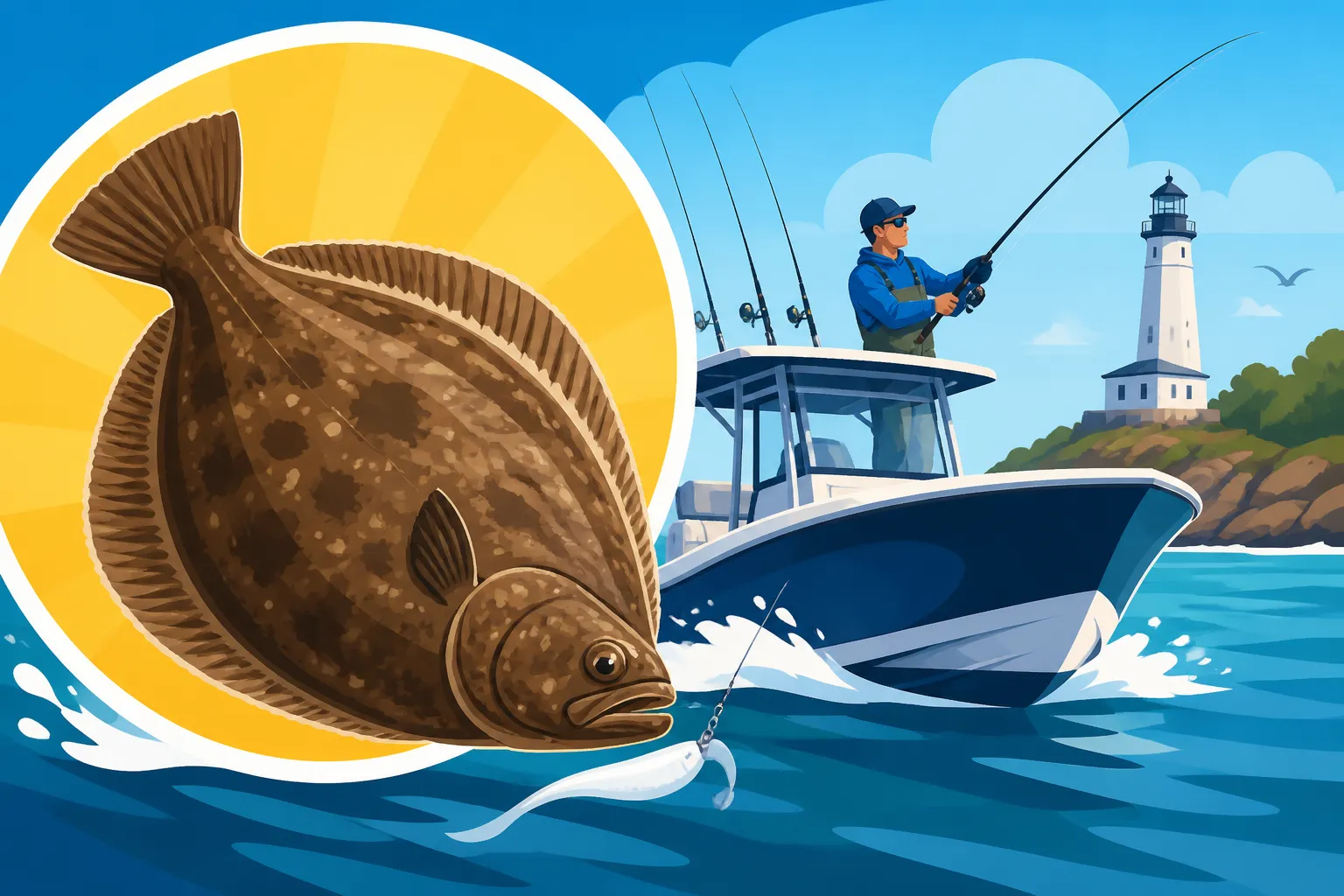
Fluke, also known as summer flounder, are a beloved target for anglers across Connecticut, and for good reason. They're abundant, put up a respectable fight, and are absolutely delicious on the dinner plate. Long Island Sound, with its diverse bottom structure of sandy flats, rocky reefs, and deeper channels, provides an ideal habitat for these ambush predators, making it a prime destination for fluke enthusiasts.
Why Fluke Fishing Captivates Anglers
The thrill of fluke fishing lies in its blend of strategy and sudden action. You might spend some time drifting patiently, feeling for that subtle thump or tick as a fluke inhales your bait, only for your rod to double over in an instant. It’s a game of finesse and quick reflexes, requiring a keen understanding of current, tide, and bottom contour. For many, it's not just about catching fish; it's about the entire experience of being out on the water, the anticipation building with every drift, and the camaraderie shared with fellow anglers.
Moreover, fluke are visually striking fish, boasting an impressive camouflage that allows them to blend seamlessly with the seafloor. Landing a "doormat" – a truly large fluke – is a badge of honor among anglers, making every trip a potential opportunity for a trophy catch. It’s this combination of challenge, reward, and the sheer beauty of the sport that keeps anglers coming back year after year.
The Unique Environment of Long Island Sound for Fluke
Long Island Sound isn't just any body of water; it's a dynamic estuary where freshwater meets saltwater, creating a incredibly fertile ecosystem. This unique environment directly benefits fluke populations. The Sound's varied depths, ranging from shallow coastal flats to deeper central basins, offer fluke a wide range of habitats throughout their lifecycle and during different seasons. They tend to move to deeper, cooler waters during the warmest parts of summer and migrate back to shallower, warmer areas in the spring and fall.
The extensive oyster beds, mussel beds, and rocky structures scattered across the Sound also provide perfect ambush points for fluke. They'll bury themselves in the sand or mud, eyes subtly protruding, waiting for unsuspecting baitfish, squid, or crabs to swim by. Understanding these bottom features and how fluke relate to them is paramount for a successful trip, and a good charter captain will have an encyclopedic knowledge of these prime locations. You can learn more about their movements and preferences in Fluke Habits in Long Island Sound.
Key Qualities of the Best Fluke Charters
When you're shelling out your hard-earned money for a fishing trip, you want to be sure you're getting the best experience possible. The best fluke charters aren't just about having a boat; they're about the entire package: the captain, the crew, the vessel, and the overall dedication to putting you on fish and ensuring a safe, enjoyable day.
Experienced Captains and Knowledgeable Crew
A great fluke charter starts with an exceptional captain. This isn't just someone who can drive a boat; it's someone with decades of experience navigating the ever-changing tides and currents of Long Island Sound. They possess an intimate understanding of fluke behavior, migration patterns, and the prime fishing grounds. The best captains aren't afraid to move the boat when the bite slows, constantly searching for new concentrations of fish. They interpret sonar readings with ease, identifying subtle changes in bottom structure that might hold a doormat.
Equally important is a knowledgeable and attentive crew. They're there to help you rig up, offer tips on technique, untangle lines, and, crucially, assist with landing and unhooking fish safely. A good mate makes all the difference, especially for beginners or when the fishing gets hot. They're patient teachers and enthusiastic cheerleaders, enhancing the entire experience. They're often the ones sharing valuable insights into How to Catch Fluke in Long Island Sound.
Well-Maintained Boats and Top-Notch Gear
You can tell a lot about a charter by the state of its vessel. The best fluke charters operate clean, well-maintained boats that are safe, comfortable, and equipped for the specific demands of fluke fishing. This means boats with ample deck space for multiple anglers to fish without crowding, a stable platform to handle the Sound's chop, and reliable engines that can get you to the fishing grounds and back efficiently. Safety equipment, from life jackets to first-aid kits, should always be up-to-date and easily accessible.
Beyond the boat itself, the gear provided is crucial. Top charters invest in quality rods and reels that are specifically suited for fluke fishing – sensitive enough to detect subtle bites but robust enough to handle a big fish. They provide fresh, effective bait, whether it's spearing, squid, or bucktails, and have a wide array of terminal tackle on hand. You shouldn't have to worry about broken reels or frayed lines on a reputable charter. These vessels are also usually equipped with advanced fish-finding electronics, which are invaluable for locating prime fluke habitat and concentrations.
Reputation and Customer Experience
In today's interconnected world, reputation is everything. The best fluke charters consistently receive rave reviews from satisfied customers. Look for captains who are praised not only for their fishing prowess but also for their professionalism, friendly demeanor, and dedication to ensuring every guest has a memorable trip. Word-of-mouth is powerful, and a charter that consistently gets people on fish and provides a great experience will have a strong following.
Checking online reviews on platforms like Google, social media, or dedicated fishing forums can give you a real sense of what to expect. Pay attention to how the captains respond to questions or issues, and look for mentions of personalized service, family-friendliness, or specific expertise. A charter that prioritizes customer satisfaction, even on slower fishing days, stands out from the rest.
Prime Connecticut Ports for Fluke Charter Departures
Connecticut's coastline is dotted with charming towns and bustling harbors, many of which serve as excellent launching points for fluke charters into Long Island Sound. Each port offers slightly different access to various fishing grounds, but all are steeped in maritime tradition and provide convenient options for anglers.
Eastern Connecticut: Niantic, Old Saybrook, Stonington
The eastern end of Long Island Sound is particularly renowned for its diverse fluke fishing opportunities. Towns like Niantic, Old Saybrook, and Stonington are classic departure points for good reason. From these ports, charters can quickly access a variety of productive areas. Niantic is centrally located, offering relatively quick runs to areas around Black Point and into deeper channels where fluke stage. You'll find many excellent operations here. Best Charters Out of Niantic Connecticut are always popular choices.
Old Saybrook, situated at the mouth of the mighty Connecticut River, provides access to the rich waters where the river meets the Sound. This confluence of freshwater and saltwater creates incredibly fertile grounds, attracting baitfish and, consequently, hungry fluke. Charters from Old Saybrook might target channels, ledges, and rocky areas that line the river's estuary and extend into the Sound. Stonington, further east, offers proximity to the open waters closer to Block Island Sound, where some truly impressive "doormat" fluke can be found, especially later in the season. These captains often run trips specifically targeting these larger, more aggressive fish.
Central and Western Connecticut: Milford, Norwalk, Greenwich
As you move west along the Connecticut coastline, ports like Milford, Norwalk, and Greenwich also host reputable fluke charters, each with their own unique advantages for accessing specific parts of Long Island Sound. Milford, with its large harbor and easy access to both shallower bays and deeper channels, is a popular choice for many. Charters here often target structures within the central Sound, where depths and currents can vary significantly.
Norwalk and Greenwich, located in the western Sound, are closer to some of the deeper, rockier structures that attract fluke throughout the season. These western waters can be incredibly productive, especially around specific reefs and humps that concentrate bait. Charters from these ports often have a keen understanding of these intricate bottom features. While the fishing can be excellent, boat traffic can be a bit heavier in the western Sound, so experienced captains are crucial for navigating safely and effectively. Many anglers seeking charters from this area often look for Best Charters Out of Greenwich Connecticut.
| Departure Port | General Fluke Fishing Focus | Typical Travel Time to Grounds | Key Advantages |
|---|---|---|---|
| Niantic | Black Point, local channels | 15-30 minutes | Central location, varied grounds |
| Old Saybrook | Connecticut River mouth, nearshore structure | 15-45 minutes | Fertile estuary, good currents |
| Stonington | Eastern Sound, deeper reefs | 30-60 minutes | Access to larger, offshore fluke |
| Milford | Central Sound structures, bays | 20-40 minutes | Diverse habitat, good for beginners |
| Norwalk | Western Sound reefs, deeper channels | 20-50 minutes | Productive structures, larger fish potential |
| Greenwich | Far Western Sound, rocky areas | 30-60 minutes | Strong currents, deeper water fluke |
Types of Fluke Charters: Choosing Your Ideal Trip
Deciding on the "best" fluke charter also depends heavily on your preferences, budget, and the company you're keeping. Charters come in various forms, from quick half-day trips perfect for families to full-day excursions designed for serious anglers. Knowing the differences will help you pick the perfect adventure.
Half-Day vs. Full-Day Trips
The most common distinction you'll encounter is between half-day and full-day charters. Half-day trips, typically 4-5 hours, are a fantastic option for families with younger children, beginners, or those simply looking for a taste of fluke fishing without committing to a full day on the water. They're often more affordable and allow for other activities later in the day. The downside is that fishing time is shorter, and captains might not be able to travel as far to reach distant hotspots if the local bite is slow. Still, Best Half-Day Fishing Charters in Connecticut often offer excellent value and a great introduction to the sport.
Full-day trips, usually 7-9 hours, are for the more dedicated angler. These longer excursions allow the captain to explore a wider range of fishing grounds, often venturing to deeper, more productive areas that are inaccessible on shorter trips. With more time, you can thoroughly work different drifts, experiment with various techniques, and maximize your chances of finding a truly large fluke. While more expensive, a full-day trip offers a more comprehensive fishing experience and a greater opportunity to fill the cooler.
Private vs. Shared/Open Boat Charters
Another crucial choice is whether to book a private charter or join a shared/open boat trip. Private charters mean you book the entire boat for your group, whether it's just you and a friend or a larger party of up to six (the typical maximum for a "six-pack" charter). This offers immense flexibility in terms of departure times, fishing locations, and the ability to customize your trip. The captain and crew are solely focused on your group's experience, making it ideal for corporate outings, family gatherings, or serious anglers who want dedicated attention. The cost, however, is significantly higher as you're covering the entire boat's fee.
Shared or "open boat" charters are a more budget-friendly option. You pay per person and join other individual anglers or smaller groups on a larger party boat. While you lose some of the customization and personal attention of a private trip, you gain the opportunity to fish at a lower cost and meet other anglers. These trips often follow a more fixed schedule and fishing plan, but they can still be incredibly productive and fun. They're a great way to experience charter fishing without breaking the bank. Best Private Fishing Charters in Connecticut offer a truly bespoke experience, while shared trips provide accessibility.
Essential Preparation for Your Fluke Charter Trip
A successful and enjoyable fluke charter isn't just about showing up; a little preparation can go a long way in enhancing your experience. Knowing what to bring, what to wear, and how to manage the elements can make all the difference, particularly for first-timers.
What to Bring and What to Wear
Even on the sunniest days, conditions on Long Island Sound can change rapidly. Layers are your best friend. Start with a moisture-wicking base layer, add a fleece or sweatshirt, and always have a waterproof and windproof outer shell, even in summer. The temperature offshore can be significantly cooler than on land, especially with the wind chill created by a moving boat. Sunglasses (polarized are highly recommended to cut glare and spot structure) and a hat are essential for sun protection. Don't forget sunscreen – even on cloudy days, UV rays can be intense over water.
Comfortable, non-skid footwear is an absolute must. Flip-flops or open-toed sandals are generally a bad idea on a boat deck. Beyond clothing, consider bringing a small bag with any personal medications, snacks, and plenty of water or other hydrating beverages. While some charters might offer drinks, it’s always best to be self-sufficient. Don't forget your camera to capture those memorable catches! If you're prone to seasickness, take preventative medication well before you board. The crew can't administer medication, so plan ahead. For a more exhaustive list, check out What to Bring on a Connecticut Fishing Charter.
Understanding Charter Inclusions and Exclusions
Most reputable fluke charters will provide all the necessary fishing gear, including rods, reels, bait, and terminal tackle. This is often included in the charter fee, so you generally don't need to bring your own equipment unless you have a specific setup you prefer and have cleared it with the captain. Many charters also provide coolers for your catch, but bringing a small one with ice for your personal drinks and snacks is a good idea.
What's typically not included? Your fishing license (unless it's an open boat with a blanket permit, but always verify!), food and drinks beyond what's specified, and gratuities for the mate. Tipping the mate (typically 15-20% of the charter fee) is customary and highly encouraged, as they work incredibly hard to make your trip a success. Some charters might offer fish cleaning services for an additional fee, or you may be expected to clean your own catch at the dock. Always clarify these details when booking to avoid any surprises.
Reviewing Local Regulations and Safety Briefings
Before setting out, the captain or crew will typically conduct a safety briefing, explaining the location of safety equipment, emergency procedures, and basic boat rules. Pay close attention to this information – it's there for your safety! It’s also crucial to understand the current Connecticut fishing regulations for fluke, including size limits, daily possession limits, and any special seasonal closures. While your captain will be up-to-date, knowing the rules yourself is part of responsible angling. You can find detailed information in Connecticut Fluke and Summer Flounder Regulations.
Respecting the boat, the crew, and your fellow anglers is paramount. Listen to instructions, cast safely, and be mindful of other lines in the water. Remember, everyone is there to have a good time, and a cooperative atmosphere makes for a much better trip for all. If you're looking to research and book your trip, reputable platforms like FishingBooker can provide details on specific charter inclusions and regulations.
Mastering Fluke Techniques on a Charter
Fluke fishing involves a variety of techniques, and a good charter captain will employ the most effective ones for the conditions of the day. Understanding these methods will not only prepare you but also help you appreciate the skill involved in putting fish in the boat.
The Art of Drifting and Jigging
The most common and effective technique for fluke is drifting. The boat moves with the current or wind, slowly dragging your bait or lure along the bottom, covering a wide area. As your rig bounces along, it mimics a baitfish or a crustacean, making it irresistible to hungry fluke camouflaged on the seafloor. The key here is to maintain bottom contact without snagging excessively. This often involves adjusting the weight of your sinker or jig to match the depth and current speed.
Jigging for fluke is a more active approach, particularly effective when using bucktails or soft plastics. Anglers will repeatedly lift and drop their rod tip, causing the jig to "dance" on the bottom, simulating a fleeing baitfish. This can often entice more aggressive strikes, especially from larger fluke. Many captains will combine drifting with jigging, allowing anglers to experiment with both methods to see what the fish prefer. Mastering the "feel" of the bottom and distinguishing a bite from a snag is a skill that comes with practice, and your charter mate will be invaluable in teaching you. For more specific tactics, explore Jigging for Fluke in Long Island Sound.
Bait, Lures, and Presentation
While artificial lures like bucktails (often tipped with a piece of bait) and Gulp! Swimming Mullets are incredibly popular and effective, fresh natural bait is often king for fluke. Strips of squid, spearing, or silversides are classic choices. The presentation of your bait or lure is critical. Fluke are ambush predators, so your offering needs to appear natural and appetizing as it drifts past their lair. A typical fluke rig might consist of a lead sinker on the bottom, with one or two baited hooks on dropper loops above it, or a bucktail jig with a teaser hook above it.
Color can also play a role, with chartreuse, white, and pink often being productive in various water conditions. Your captain and mate will advise on the best bait and lure combinations for the day's conditions, and they'll likely have a well-stocked baitwell. Don't be afraid to ask questions about why they're choosing a particular setup – it's a great learning opportunity.
Maximizing Your Chances: Bites and Hooksets
Fluke bites can range from a subtle tap to a sharp thump that nearly rips the rod out of your hands. Often, it's a very light "tick" as the fluke sucks in the bait, and setting the hook too early can result in missed fish. The common advice is to "feel the weight" – when you feel that solid resistance, or the rod tip slowly bends over, that's often the time to make a firm, sweeping hookset. Don't pull too hard initially; just a steady lift to ensure the hook is properly set.
Once you have a fish on, the fight can be surprisingly strong, especially with larger fluke. They'll often make powerful runs, staying close to the bottom. Keep steady pressure on the fish and pump the rod, reeling down to gain line. A good mate will be ready with a net to scoop up your prize once you've brought it alongside the boat. Sometimes, a slow bite means you need to vary your retrieve, jigging cadence, or even try a different bait. Patience and persistence are key!
Understanding Fluke Charter Costs and Value
The cost of a fluke charter in Connecticut can vary significantly based on several factors, and it's important to understand what you're paying for to ensure you get good value for your investment. While specific prices fluctuate, we can talk about the shape of the cost.
Factors Influencing Charter Prices
The primary factors influencing charter prices include the duration of the trip (half-day versus full-day), whether it's a private or shared trip, the size and amenities of the boat, and the captain's experience and reputation. Private charters, where you book the entire boat, will always be more expensive than shared trips on a party boat, as you're covering the fixed costs for the whole vessel. Generally, the more established and successful the captain, the more their services might cost, which is often a reflection of their proven track record.
Additional costs can sometimes include bait (though often included in good charters), fish cleaning services, and fuel surcharges, especially for longer runs offshore. Some charters might also offer specialized trips, like those targeting trophy fluke or specific techniques, which could carry a premium. Always ask for a clear breakdown of what's included and what's extra when you book. While no one wants to overpay, remember that a cheaper charter isn't always the best value if it means a less experienced crew, poor equipment, or fewer fish. You'll find more details on general charter costs in Connecticut Fishing Charter Cost Guide.
What to Expect for Your Investment
When you book a reputable fluke charter, you're paying for more than just a boat ride. You're investing in:
- Expertise: A professional captain and crew with intimate knowledge of Long Island Sound, current fishing patterns, and effective techniques.
- Equipment: A safe, well-maintained vessel equipped with modern electronics, and quality fishing rods, reels, and tackle.
- Bait & Tackle: Fresh, effective bait and a variety of lures and terminal tackle suitable for fluke.
- Safety: All necessary safety gear, licensed and insured operations, and a crew trained in first aid.
- Guidance: Hands-on instruction and assistance, ensuring even beginners have a chance to catch fish and enjoy the experience.
Think of it as hiring a guide who has done all the legwork for you – scouting, maintaining gear, and knowing the best spots. This significantly increases your chances of a successful and enjoyable day, making the investment worthwhile for many anglers. Platforms like FishingBooker often allow you to compare charter offerings and their respective prices, giving you a clear picture of what different operators provide.
Maximizing Value and Avoiding Hidden Fees
To get the most value from your fluke charter, start by doing your homework. Read reviews, compare services, and ask plenty of questions before booking. Don't be shy about inquiring about what's included and any potential additional costs. Clear communication upfront prevents surprises later. If booking through an online platform like FishingBooker, review all details carefully before confirming.
Consider fishing during the week if your schedule allows, as weekend rates can sometimes be slightly higher or availability more limited. Also, factor in the cost of gratuities for the mate – this is a significant part of their income and a reflection of their hard work. While cost is always a consideration, remember that the true value of a charter lies in the quality of the experience and the memories you create, not just the price tag.
Navigating Common Challenges on a Fluke Trip
Even the best-planned fluke charter can encounter challenges. Being aware of potential issues and how to mitigate them can help you stay positive and make the most of your day, regardless of what Mother Nature or the fish throw at you.
Dealing with Seasickness and Unfavorable Weather
Seasickness is a real buzzkill and can ruin an otherwise fantastic day on the water. If you're prone to it, or even if you're unsure, take preventative medication before you board the boat, preferably the night before or at least an hour beforehand. Over-the-counter options like Dramamine or Bonine work well for many. Staying hydrated, avoiding greasy foods before the trip, and focusing on the horizon can also help. Most reputable charters operate on clear days but wind and waves can still cause discomfort.
Weather can also be a factor. While captains prioritize safety and will cancel or reschedule trips in genuinely bad or dangerous weather, a little rain or chop is often part of the deal. Dressing appropriately in layers and waterproof gear is crucial. On a hot, sunny day, dehydration and sunburn are concerns. A good captain will always put your safety first, and you should trust their judgment when it comes to weather decisions. Don't be afraid to voice concerns if you feel unwell; the crew wants you to have a good experience.
The Elusive Bite and Adjusting Strategies
Sometimes, despite the captain's best efforts, the fish just aren't biting aggressively. This is part of fishing, not just catching. A slow bite can be frustrating, but a good charter captain won't give up. They'll constantly be assessing the situation, making adjustments to drifts, trying different locations, varying baits or lures, and even changing tactics. They might suggest trying new jigging cadences or types of retrieves.
As an angler, patience is key. Listen to the captain and mate's advice, and be willing to try different techniques. Sometimes, a subtle change in your presentation or where your bait is in the water column can trigger a strike. It's also an opportunity to learn. Ask the mate why they're making certain changes; understanding the reasoning behind strategy shifts will make you a better angler in the long run. Remember, even on slow days, the experience of being on the water and learning is invaluable.
Managing Expectations and Enjoying the Experience
It's easy to go into a charter with high expectations of catching a cooler full of "doormats." While that's always the goal, it's important to remember that fishing is unpredictable. The "best fluke charters" will put you in the best position to succeed, but they can't guarantee a specific catch. Focus on enjoying the entire experience: the beautiful scenery of Long Island Sound, the fresh air, the thrill of the chase, and the company of friends or family.
Celebrate every catch, no matter the size, and appreciate the opportunity to learn from experienced professionals. A positive attitude, even when the fish are finicky, makes for a much more pleasant trip for everyone onboard. The memories you make on the water, whether it's a trophy catch or simply a shared laugh, are often the most cherished takeaways from any fishing adventure.
Tips for Booking Your Premier Fluke Charter
Booking the right fluke charter requires a bit of savvy, but with a few key strategies, you can confidently secure a trip that promises a fantastic day on Long Island Sound.
Researching and Comparing Options
Start your search by thoroughly researching available charters. Online platforms like FishingBooker are excellent resources, as they aggregate numerous charters, provide detailed descriptions, photos, and, most importantly, customer reviews. Pay close attention to reviews specifically mentioning fluke fishing success, the captain's knowledge, and the condition of the boat and gear. Look for consistent positive feedback.
Beyond online platforms, ask for recommendations from local tackle shops, marinas, or fellow anglers. Sometimes, the best charters operate largely on word-of-mouth. Compare what different charters offer in terms of trip length, inclusions (bait, tackle, fish cleaning), and their general approach to fluke fishing. Some captains might specialize in light tackle, while others might focus on larger "doormats" in deeper water. How to Choose a Connecticut Fishing Charter delves deeper into making an informed decision.
Key Questions to Ask Before Booking
Once you've narrowed down your choices, don't hesitate to call the captain or booking agent directly and ask specific questions. This is crucial for clarifying expectations and ensuring a good fit. Some key questions include:
- What is your primary fishing style for fluke (e.g., drifting bucktails, bait fishing)?
- What does the charter fee include (e.g., bait, tackle, licenses, fish cleaning)?
- What is your policy on cancellations due to weather or other unforeseen circumstances?
- How many anglers will be on board for a shared trip?
- Do you have any age restrictions for children, or recommendations for beginners?
- What is the best time of year to book for fluke? (For more on this, check Best Season to Book a Fluke Charter).
A professional captain will be happy to answer all your questions thoroughly and transparently. Their willingness to communicate openly is a good indicator of their professionalism.
Confirming Details and Preparing for Departure
Once you've made your decision, confirm all booking details in writing, including the date, time, price, deposit paid, and any specific arrangements. Most charters require a deposit to secure your date. A few days before your trip, it's a good practice to reconfirm with the captain, especially if the weather forecast looks questionable. This gives them a chance to inform you of any changes and you a chance to prepare.
Finally, ensure you have your Connecticut fishing license in order, pack your essentials as discussed earlier, and plan to arrive at the departure point a little early. Being punctual shows respect for the captain's schedule and ensures a smooth start to your exciting fluke fishing adventure on Long Island Sound. You've done your homework, you're prepared, and now it's time to enjoy the thrill of the chase!
Disclaimer
This article is for general informational purposes only and does not constitute professional advice. Laws, prices and regulations vary by location and change over time. Consult a qualified professional for guidance on your specific situation.