What license a Connecticut charter captain needs
Trying to understand all the rules and regulations around Connecticut fishing can feel like navigating a maze, and when you're looking to book a charter or even considering becoming a captain yourself, the question of proper licensing is a huge one. It's not just about knowing how to drive a boat; it's about legal operation, passenger safety, and professional standards. This guide will walk you through the essential licenses and certifications a Connecticut fishing charter captain needs to operate legally and ensure a safe, enjoyable experience for everyone on board.
The Foundation: US Coast Guard (USCG) Mariner's Credentials
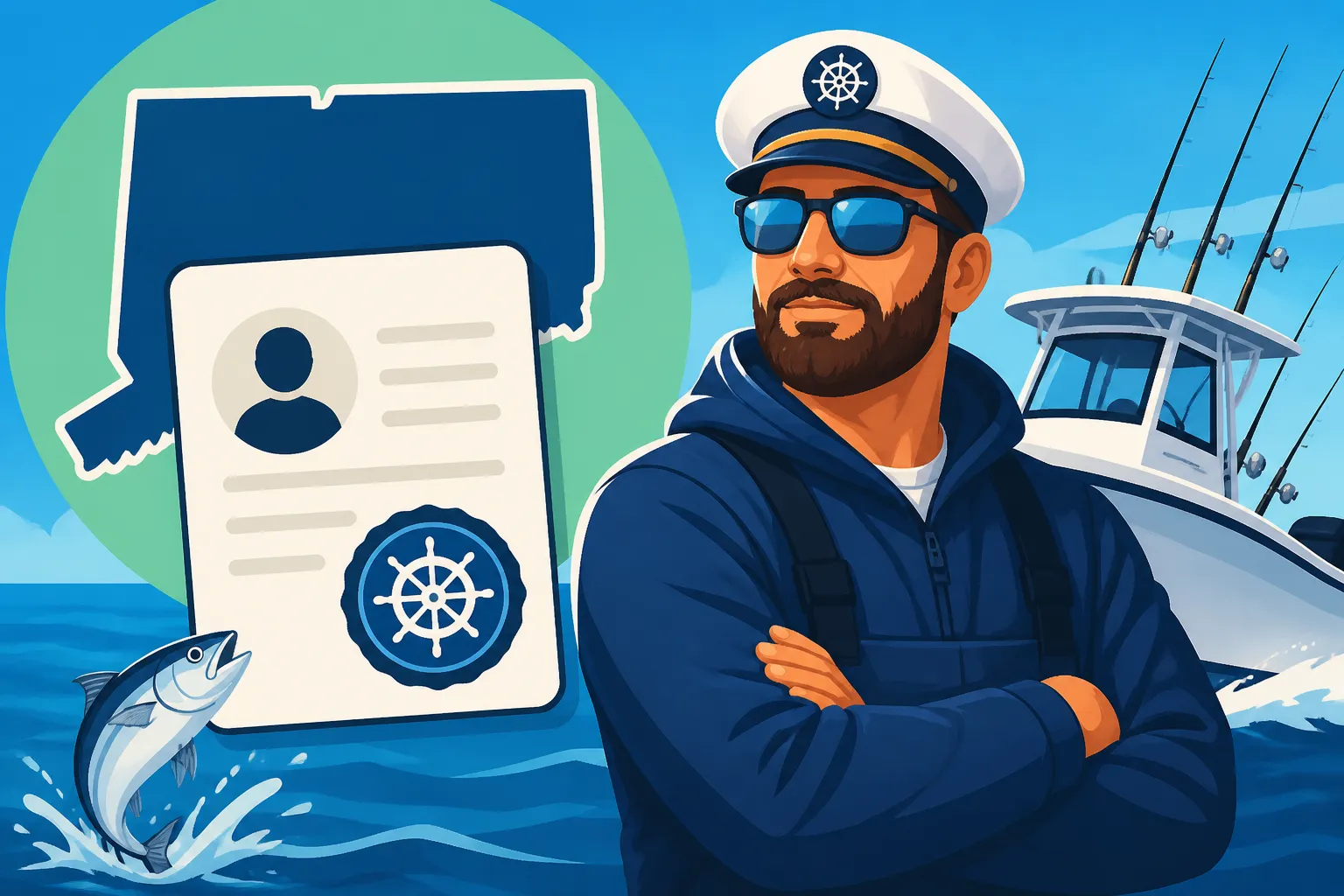
The most crucial set of licenses for any commercial vessel operator, including a fishing charter captain in Connecticut, comes directly from the United States Coast Guard (USCG). These federal credentials are what legally allow an individual to carry passengers for hire on navigable waters, which includes all of Connecticut's coastal waters, major rivers like the Connecticut River, and even larger inland lakes that connect to navigable waterways. Without a valid USCG license, a captain cannot legally operate a for-hire fishing charter. It’s a foundational requirement that underscores safety and competence.
Navigating the USCG Application Process
Becoming a USCG licensed captain is no small feat; it requires significant sea time, rigorous training, and passing comprehensive exams. It's a commitment that aspiring captains undertake to ensure they are fully prepared for the responsibilities of commanding a vessel and ensuring passenger safety.
The general steps involved in obtaining a USCG license typically include:
- Documenting Sea Time: This is the big one. Aspiring captains must prove a certain amount of experience operating vessels. This isn't just "being on a boat" but actual documented time serving on a vessel, often in a position of responsibility. The amount of sea time required varies based on the specific license sought. For example, a common credential, the Operator of Uninspected Passenger Vessels (OUPV) often referred to as a "6-pack" license, requires a specific amount of sea time, a portion of which must be in the last three years. This isn't just a suggestion; it's a strict requirement to demonstrate practical, hands-on experience on the water.
- Physical Examination: A comprehensive physical is necessary to ensure the applicant is medically fit to perform the duties of a captain, including good vision, hearing, and overall health.
- Drug Test: A USCG-approved drug test is mandatory, emphasizing the commitment to safety and responsible operation.
- First Aid and CPR Certification: All captains must hold current certifications in First Aid and CPR. This ensures they can respond effectively to medical emergencies while out on the water, a critical skill when you're miles from shore.
- Passing Examinations: This is where the knowledge is tested. Applicants must pass a series of written exams covering navigation, seamanship, rules of the road (COLREGs), and federal regulations. These aren't easy tests, covering everything from interpreting nautical charts to understanding emergency procedures. Many aspiring captains attend specialized maritime schools to prepare for these challenging exams.
- Transportation Worker Identification Credential (TWIC): This is a federal identification card required by the Transportation Security Administration (TSA) for all personnel requiring unescorted access to secured areas of ports and vessels. It involves a background check.
These steps ensure that anyone holding a USCG captain's license has not only theoretical knowledge but also practical experience and the physical and mental aptitude to command a vessel safely. When you're looking for a charter on platforms like FishingBooker, you'll often see captains proudly displaying their USCG credentials in their profiles, and for good reason!
Decoding the Different USCG Captain's Licenses for Fishing Charters
Not all captain's licenses are created equal, and the type of USCG credential a captain holds will dictate certain aspects of their operation, primarily how many passengers they can carry and the types of waters they can operate on. For fishing charters, two main types of licenses are most common: the OUPV (6-Pack) and the Master license.
Operator of Uninspected Passenger Vessels (OUPV) – The "6-Pack"
This is perhaps the most common entry-level captain's license for small fishing charter operations. It's often referred to as a "6-Pack" license because it authorizes the holder to carry up to six paying passengers on uninspected vessels. "Uninspected" means the vessel is not subject to the rigorous structural and safety inspections required for larger passenger-carrying vessels.
- Passenger Limit: Maximum of six passengers. This is a hard limit and cannot be exceeded. If a charter boat owner is looking to take out more than six anglers, they need a different type of license and vessel certification.
- Vessel Size: Typically for vessels less than 100 gross tons.
- Operating Waters: Can be endorsed for Near Coastal (up to 100 miles offshore), Great Lakes, or Inland waters. Most Connecticut saltwater charters will have a Near Coastal endorsement. For those operating solely on inland lakes and rivers, an Inland endorsement would suffice.
- Why it's Popular: The OUPV is popular because it meets the needs of many small, independent fishing guides and charter captains without requiring the higher vessel inspection standards of larger operations. It's a great option for a more intimate fishing experience.
Master Mariner License
A Master license is a step up from the OUPV and allows a captain to operate a wider range of vessels and carry more passengers, depending on the vessel's inspection status and tonnage. This is a more extensive credential, suitable for larger charter boats that might carry more than six passengers or operate in more demanding conditions.
- Passenger Limit: Can carry more than six passengers on inspected vessels. The actual passenger limit is determined by the vessel's Certificate of Inspection (COI), which is issued by the USCG after a thorough safety inspection. This is crucial for larger head boats or party boats you might see in ports like Niantic or Old Saybrook.
- Vessel Size: Master licenses are issued in various tonnage ratings (e.g., 25-ton, 50-ton, 100-ton, and higher). The tonnage reflects the size of the vessel the captain is qualified to command.
- Operating Waters: Like the OUPV, Master licenses can be endorsed for Near Coastal, Great Lakes, or Inland waters.
- Additional Endorsements: Master licenses can also have additional endorsements, such as Towing or Sailing, depending on the captain's experience and the types of vessels they wish to operate.
- Why it's More Extensive: Obtaining a Master license typically requires significantly more documented sea time and a broader understanding of vessel operations, navigation, and maritime law compared to an OUPV. It signifies a higher level of expertise and experience.
Here's a quick comparison of the two primary licenses relevant to Connecticut fishing charter captains:
| Feature | OUPV (6-Pack) Captain | Master Mariner Captain |
|---|---|---|
| Passenger Limit | Up to 6 paying passengers | More than 6 paying passengers (on inspected vessels) |
| Vessel Type | Uninspected Vessels | Inspected Vessels (with Certificate of Inspection) |
| Vessel Tonnage | Typically <100 Gross Tons | 25, 50, 100 Gross Tons, or higher |
| Sea Time Requirement | Less extensive (e.g., 360 days total, specific recent) | More extensive (e.g., 720+ days total, specific recent) |
| Exam Difficulty | Comprehensive | More comprehensive, additional modules |
| Operating Endorsements | Near Coastal, Inland, Great Lakes | Near Coastal, Inland, Great Lakes |
| Common Use Case | Small, private fishing charters, guide services | Larger party boats, head boats, bigger private charters |
When you're searching for your ideal trip, perhaps checking options on FishingBooker, pay attention to the type of vessel and the number of passengers. This will often hint at the captain's licensing level and the size of operation.
Connecticut State-Specific Requirements Beyond the USCG
While the USCG handles the core captain's license for operating a commercial vessel, the State of Connecticut also has its own regulations that charter captains, like any other small business owner, must adhere to. These typically relate more to business operation and specific fishing activities rather than the captain's personal boating credentials.
Business Registration and Permits
Operating a fishing charter is, at its heart, a business. Therefore, Connecticut charter captains must ensure their business is properly registered with the state. This might involve:
- Business Registration: Registering the business entity (e.g., LLC, Sole Proprietorship) with the Connecticut Secretary of the State. This ensures the business is recognized and operating legally within the state.
- Tax Compliance: Adhering to state and federal tax laws, including sales tax where applicable for services rendered.
- Commercial Fishing Licenses/Permits for the Vessel: This is a crucial distinction. While the captain needs a USCG license to operate the vessel, the vessel itself or the business may need specific commercial fishing permits issued by the Connecticut Department of Energy and Environmental Protection (DEEP). These permits are required if the charter intends to harvest certain species of fish for sale or if the vessel's activities fall under commercial fishing definitions, even if the fish aren't directly sold by the charter but kept by passengers under specific commercial rules (less common for recreational charters, but important to note). Most recreational fishing charters fall under recreational limits, but the captain needs to be acutely aware of Connecticut Saltwater Fishing Regulations by Species and Connecticut Fishing Season Dates and Closures.
- Local Ordinances: Depending on where the charter operates from, there might be local permits or fees required by the municipality or harbor authority for docking, using public ramps, or operating within specific harbor limits.
It's important to remember that even though passengers on a licensed charter generally do not need their own individual saltwater fishing license in Connecticut if the charter vessel itself holds a valid marine recreational fishing license, it's always wise to double-check this with your captain. For inland freshwater charters, individual licenses are typically required for each angler. You can find more details in the Connecticut Fishing License Guide for 2026.
Safe Boating Certification and Other Boating Laws
While a USCG captain's license far exceeds the requirements for a standard recreational boater, it's worth noting the broader context of Connecticut's boating laws. For example, the Connecticut Safe Boating Certificate Requirement applies to operators of recreational vessels, but a USCG licensed captain already possesses credentials that demonstrate a superior level of boating knowledge and safety. However, they must still abide by all Connecticut Boating Laws for Anglers related to navigation, speed limits, life jacket requirements, and environmental protection. For instance, knowing the Connecticut Cold Water Life Jacket Rule (October to May) is crucial for responsible operations.
Why Do These Licenses and Certifications Matter to Anglers?
Understanding the licensing requirements for a Connecticut fishing charter captain isn't just about legal technicalities; it's about your safety, your experience, and your peace of mind. When you book a trip with a properly licensed and credentialed captain, you're not just paying for a boat ride; you're investing in a professional service.
Ensuring Safety and Expertise
A USCG licensed captain has undergone rigorous training and demonstrated a high level of competence in navigation, seamanship, and emergency procedures. This means:
- Knowledge of the Waters: They understand local currents, tides, weather patterns, and navigational hazards specific to Connecticut's varied waters, from the Long Island Sound to the Housatonic River.
- Emergency Preparedness: They are trained in first aid, CPR, and what to do in situations like man overboard, fire, or a sinking vessel. They carry required safety equipment and know how to use it.
- Rules of the Road: They are intimately familiar with maritime laws and regulations, ensuring safe passage and preventing collisions with other vessels.
Choosing a legitimate charter ensures you're putting yourself and your family in capable hands. You can ask your captain about their licenses and experience; a good captain will be proud to share their credentials. When comparing options, perhaps on a booking site like FishingBooker, you can usually see details about the captain's experience and licensing.
Legal Operation and Insurance Coverage
Operating without the proper licenses is illegal and can have serious consequences. For anglers, this means:
- Insurance: Legitimate charter operations carry commercial insurance, which provides coverage for passengers in case of an accident. An unlicensed operator is unlikely to have this crucial protection.
- Accountability: Licensed captains are accountable to the USCG and the State of Connecticut, ensuring a level of professional conduct and adherence to regulations. If there's an issue, there's a clear channel for recourse.
- Compliance with Fishing Regulations: A licensed captain will also be well-versed in Connecticut Fishing Regulations Explained, including size limits, bag limits, and seasonal closures for species like striped bass or blackfish. They will ensure your trip complies with these rules, avoiding potential fines for you and themselves.
Professionalism and a Better Experience
Beyond the legal and safety aspects, choosing a licensed captain usually means a more professional and enjoyable fishing trip.
- Experienced Guides: Captains who have invested the time and effort into obtaining their licenses are typically passionate about fishing and dedicated to providing a quality experience. They often have years of experience targeting specific species in local waters. This is especially true when you're looking for specialized trips, like Best Striped Bass Charters on Long Island Sound or Best Fly Fishing Guides in Connecticut.
- Well-Maintained Vessels: Professional charters generally operate well-maintained boats that meet safety standards, making your trip more comfortable and reliable.
- Local Knowledge: A good captain can share insights into the best fishing spots, what baits are working, and even local history or wildlife. They know how to optimize your chances of success, whether you're targeting Smallmouth Bass Fishing in Connecticut or Fluke Fishing in Long Island Sound.
Before you book your next fishing adventure in Connecticut, take a moment to understand what goes into making a captain legitimate. Asking "What license a Connecticut charter captain needs" is an excellent question and shows you're a responsible angler looking for the best possible experience on the water.
Disclaimer
This article is for general informational purposes only and does not constitute professional advice. Laws, prices and regulations vary by location and change over time. Consult a qualified professional for guidance on your specific situation.