Tipping guidelines for a Connecticut charter mate
There's a question that often lingers in the back of an angler's mind when they book a fishing charter in Connecticut: "How much should I tip the mate?" It's a common point of confusion, and believe me, you're not alone in wondering about the etiquette here. This guide is going to clear up all that uncertainty, offering you practical, realistic advice so you can confidently show your appreciation for the hard work that goes into making your fishing trip a success.
Understanding the Role of a Charter Mate in Connecticut
Before we even talk about percentages, it's crucial to understand just how vital a good mate is to your fishing experience. They're not just there to look pretty; they are the backbone of a successful charter, often working tirelessly behind the scenes to ensure everything runs smoothly.
Beyond Just Deckhand Duties: The Mate's True Value
Many people might think a mate just casts a line now and then, or maybe helps untangle a knot. Oh, if only it were that simple! A mate on a Connecticut fishing charter is a whirlwind of activity from before you even step on the boat until long after you've left. They're often the first ones to arrive, meticulously rigging up rods, prepping bait, and getting the boat ready. When you're out on the water, they're constantly on the move, baiting hooks, untangling frustrating backlashes, and patiently teaching novices how to cast or reel in a fish.
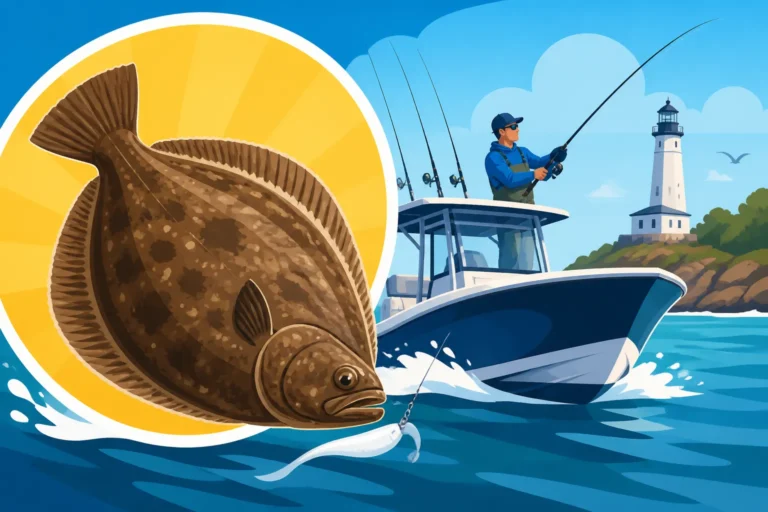
Picture this: you've hooked into a monster striped bass out on Long Island Sound. Who's there with the gaff, expertly bringing that fish aboard? Your mate. Who's then swiftly unhooking it, often risking a hand to do so, and getting it into the cooler or helping with a safe release? Again, the mate. They're also skilled fish cleaners, turning your catch into ready-to-cook fillets with incredible speed and precision at the end of the day. They're your personal fishing coach, safety officer, knot-tying expert, and often, your sounding board for fishing stories. Their dedication ensures a safe, enjoyable, and productive day on the water, whether you're chasing Striped Bass Fishing in Long Island Sound or Fluke Fishing in Long Island Sound.
Why Their Compensation Relies on Gratuities
Here's a little secret that isn't so secret in the charter world: most mates work for a very modest base wage, if they even get one. Their primary income, the way they make a living and support themselves, comes directly from the gratuities they receive from appreciative customers like you. This isn't unique to Connecticut; it's a standard practice across the charter industry. When you're out there for a half-day or full-day trip, your mate is putting in a full day's work, often far more physically demanding than many other jobs, all with the expectation that their hard work will be recognized through tips.
Understanding this financial structure changes your perspective, doesn't it? It transforms tipping from an optional gesture to a crucial part of their compensation for all their expertise, effort, and service. It's how we, as anglers, show respect for their profession and acknowledge the invaluable role they play in our adventures. So, when you're considering What to Expect on a Connecticut Fishing Charter, remember the mate's tireless efforts are a huge part of that expectation.
Standard Tipping Guidelines for Connecticut Fishing Charters
Now that we appreciate what mates do, let's talk numbers. This is where most people get hung up, but it's actually quite straightforward once you know the industry standards.
The 15-20% Rule: A Solid Starting Point
The universally accepted standard for tipping a fishing charter mate in Connecticut, and really, across most of the United States, is 15-20% of the total cost of your trip. This percentage applies to the overall charter fee, not just a portion of it. So, if you're on a charter that costs a certain amount, a 15% tip is considered fair for good service, and a 20% tip is for excellent, above-and-beyond service. This isn't just a random number; it reflects the industry norm for gratuities, similar to what you might tip in a restaurant for quality service.
Think about it this way: your charter captain sets the price for the boat and their expertise, but the mate is providing direct, hands-on service for every minute you're fishing. They're the ones ensuring your lines are in the water, your bait is fresh, and your fish are handled properly. This standard range acknowledges that critical contribution. Many charter operators, when listing their trips on platforms like FishingBooker, will often subtly mention or imply these tipping standards, as it's a vital part of their crew's livelihood.
When to Consider Tipping More (or Less)
While 15-20% is the baseline, there are definitely times when you might want to adjust that.
When to Tip More (20% or even 25%+):
This is where you reward truly exceptional service. Did the mate go out of their way to teach your child how to cast, making their day unforgettable? Did they spend extra time meticulously cleaning your fish, or offer invaluable tips on how to cook your Black Sea Bass Fishing in Connecticut catch? Perhaps they constantly ran around, fixing snags, re-rigging lines, and showing incredible patience, all while maintaining a positive attitude even when the fishing was tough. Maybe they helped you land that personal best Connecticut state record striped bass weight or were particularly attentive to your group's needs, anticipating what you needed before you even asked. These are all reasons to bump that tip up to 20%, 25%, or even higher if you feel they truly earned it. Generosity in these situations is always appreciated and remembered.
When to Consider Tipping Less (a word of caution):
It's very rare that a mate's service would warrant a tip below 15%. Remember, poor fishing is almost never the mate's fault; they can't control what the fish decide to do! A mate works incredibly hard regardless of the catch. However, in the extremely rare instance of genuinely negligent, unprofessional, or disrespectful service from a mate, you might consider tipping less. But before you do, I strongly recommend having a discreet conversation with the captain first. Often, there might be misunderstandings, or the captain might not be aware of issues. Giving less than 15% should be reserved for truly egregious situations, as it directly impacts their income and livelihood. Most mates are passionate about their work and strive to provide the best possible experience.
Practical Tips for Tipping Your Connecticut Charter Mate
Knowing the percentage is one thing, but how do you actually go about giving the tip? There's a bit of unspoken etiquette here too.
Cash is King (and How to Present It)
When it comes to tips, cash is almost always preferred by the crew. Why? It's immediate, there are no processing fees involved, and it's straightforward. They don't have to wait for checks to clear or deal with digital transfer hassles. It's the most direct way to ensure your gratitude goes straight into their pocket.
The best way to present it is discreetly at the end of the trip, usually when you're gathering your belongings and saying your goodbyes. A simple handshake with the folded cash or placing it into a small envelope works well. You can hand it directly to the mate you wish to tip, or if there are multiple mates, hand it to the head mate and trust them to split it appropriately. If there's only a captain and no dedicated mate, you can offer the tip to the captain, making sure to specify it's for their hard work. A good time is usually after the fish have been cleaned and bagged, and you're preparing to disembark.
Tipping the Captain vs. the Mate
This is another common point of confusion. Generally, the mate is the primary recipient of your tip. As we discussed, their compensation often relies heavily on gratuities. The captain, on the other hand, typically owns the boat or is paid a higher salary and sets the charter rates, which covers their expertise, fuel, boat maintenance, and business costs.
However, if the captain was particularly exceptional—going above and beyond, providing outstanding guidance, making extraordinary efforts to find fish, or offering a truly memorable experience—a smaller token of appreciation for them is certainly welcome. This might be a separate, smaller tip, or you might include it with the mate's tip and explicitly ask the mate to share a portion with the captain. But always prioritize the mate, as their livelihood is often more directly tied to your gratuity. When you book through services like FishingBooker, you're paying for the charter itself, and the tip is a separate consideration for the crew's service. For more details on what your overall costs might look like, check out Connecticut Fishing Charter Cost Guide.
Group Trips and Splitting the Tip
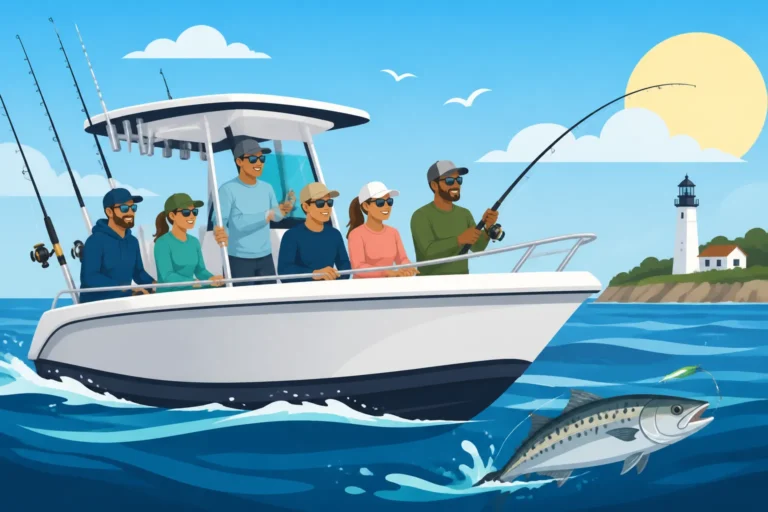
If you're on a shared charter, or an "open boat" trip where you're fishing with other anglers you might not know, coordinating the tip can get a little tricky. It's best to discuss it with your group before the trip concludes. Appoint one person to collect the contributions for the mate's tip. This prevents any awkwardness at the end of the day and ensures the mate receives a fair gratuity from the entire group for their collective service.
A common pitfall is for individual anglers on a shared trip to only tip for their portion of the fish or their personal interactions, overlooking the mate's overall effort for the entire boat. Remember, the mate is working for everyone on board. Calculate 15-20% of the total boat cost (if it was a private charter split amongst you) or the per-person fee if it's an open boat trip, and make sure everyone contributes fairly. This ensures the mate is compensated appropriately for their hard work, no matter if you're fishing for Blackfish (Tautog) Fishing in Connecticut or targeting a different species.
Beyond the Cash: Other Ways to Show Appreciation
While a monetary tip is the most direct and impactful way to show your gratitude, there are other meaningful gestures that can benefit your mate and the charter operation.
Leaving a Positive Review
In today's digital age, online reviews are gold. Taking a few minutes to leave a glowing review on platforms like FishingBooker, Google, or the charter's social media pages can be incredibly valuable. When you write your review, specifically mention the mate by name and highlight the outstanding aspects of their service. Did they patiently help your child? Were they lightning-fast with bait changes? Did they make a difficult gaff shot look easy? Specific praise helps future clients choose that charter and directly benefits the mate's reputation and continued employment.
A great review not only gives the mate a pat on the back, but it also helps the captain attract more business, which in turn means more trips and more income for the crew. It's a fantastic way to pay it forward and acknowledge the professionalism and effort you received. This can be especially helpful if you're looking for Best Fishing Charters in Connecticut or Best Striped Bass Charters on Long Island Sound and rely on reviews yourself.
Repeat Business and Referrals
One of the highest compliments you can pay a charter crew is to book with them again or recommend them to your friends and family. A mate who provides excellent service wants to see those familiar faces return, as it means stable work and a positive relationship. If you had a fantastic experience, don't hesitate to tell everyone about it. Word-of-mouth is still incredibly powerful in the charter world.
When you refer a friend, you're not just helping the captain; you're directly supporting the mate's livelihood. Consistent bookings mean consistent income for the crew who work tirelessly to make those trips special. Think of it as investing in the future of great fishing experiences for yourself and others in Connecticut. Sometimes, the best way to say "thank you" is to ensure they have plenty of work doing what they love. This can be particularly true if you found a gem of a guide through services like FishingBooker and want to share that positive experience. Remember, securing your spot ahead of time for popular seasons can be competitive, so consider Booking a Last-Minute Fishing Charter in Connecticut or planning well in advance.
Quick Reference for Tipping Your Connecticut Charter Mate
Here's a handy table to help you quickly gauge your tip based on the level of service you receive.
| Service Level | Recommended Tip Percentage | Notes |
|---|---|---|
| Standard/Good Service | 15% | The mate performed their duties diligently, kept things running smoothly, was polite, and contributed positively to your trip. This is a solid, respectful tip for professional service. |
| Excellent Service | 18% | The mate went above and beyond, showed extra effort, offered helpful advice, was exceptionally attentive to your needs, kept the boat spotless, and showed great enthusiasm. They actively enhanced your overall experience. |
| Exceptional Service | 20% or More | Truly outstanding performance. The mate made your trip unforgettable – perhaps they were incredible with children, taught you specific techniques, helped land a trophy fish, offered impeccable fish cleaning, had an infectious positive attitude despite tough conditions, or anticipated every need. This tip acknowledges truly extraordinary effort and service. |
| Subpar Service | Less than 15% | (Rarely recommended and only for genuinely negligent or disrespectful behavior.) If you experienced significant issues due to the mate's actions, consider discussing with the captain first. Remember, poor fishing is not the mate's fault, and they work hard regardless of the catch. This should be an absolute last resort. |
Remember, this is a guideline to help you navigate the common practices of tipping. Ultimately, the amount you tip is a reflection of your personal appreciation for the service you received.
Disclaimer
This article is for general informational purposes only and does not constitute professional advice. Laws, prices and regulations vary by location and change over time. Consult a qualified professional for guidance on your specific situation.