What happens if weather cancels a Connecticut charter
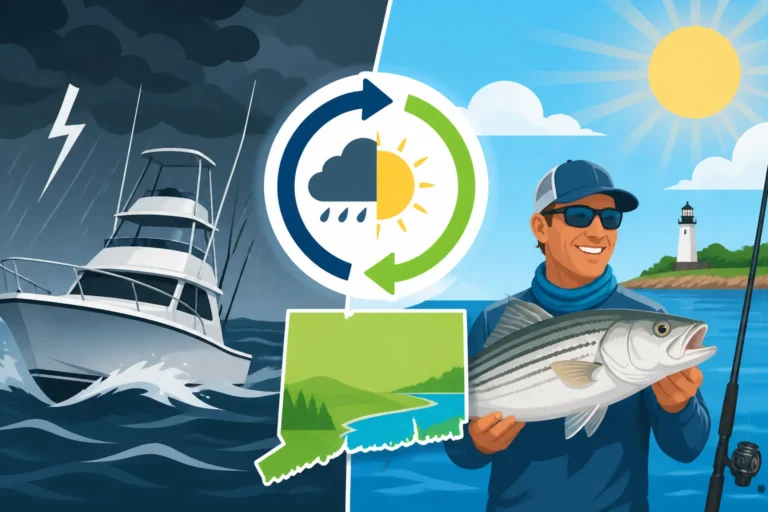
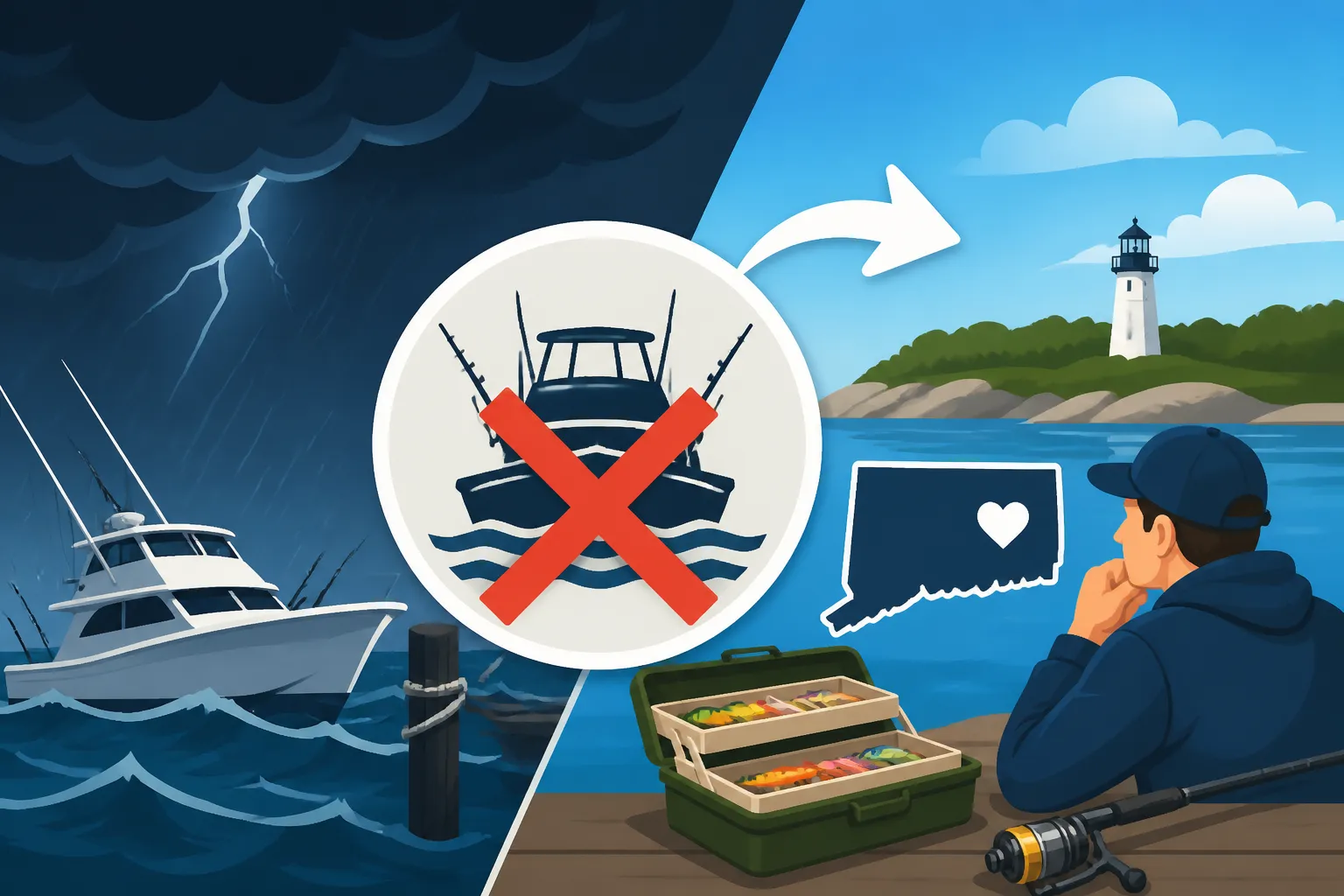
Picture this: you’ve spent weeks, maybe even months, anticipating that perfect fishing trip out on Long Island Sound or one of Connecticut's beautiful inland lakes. You’ve booked your charter, gathered your gear, and checked the forecast a hundred times. Then, the inevitable happens: Mother Nature decides to throw a curveball, and you get the call that your Connecticut fishing charter is canceled due to weather. It’s a gut punch, no doubt about it. The disappointment is real, and often, the first thought is, "What happens now? Do I lose my money? Can I rebook?" This guide is here to walk you through the typical procedures, your options, and how to best navigate the often frustrating world of weather-related charter cancellations in Connecticut.
When the Captain Calls It: Safety First on Connecticut Waters
One of the most important things to understand from the outset is that a charter captain’s decision to cancel a trip due to weather is almost always rooted in safety. They are responsible for everyone on board, and they know the local waters, the currents, and how quickly conditions can change far better than anyone else. While it might look calm from shore, conditions offshore or on a large lake can be entirely different and potentially dangerous.
Defining "Unsafe Weather"
What exactly constitutes "unsafe weather" can vary from one captain to another, and even depends on the type of boat and the specific body of water. It's not always about hurricanes or blizzards. Often, it's more subtle conditions that make a trip unsafe or simply unproductive and miserable for the clients. For instance, strong winds, even on a sunny day, can whip up significant chop on Long Island Sound, making for a very bumpy and potentially seasick-inducing ride. High winds can also make it incredibly difficult to fish effectively, as your lines will be blowing around, and boat control becomes a major challenge.
Then there are conditions like dense fog, which severely limits visibility and makes navigation hazardous, especially in busy waterways with other boat traffic. Heavy thunderstorms with lightning are an obvious danger, as are sudden squalls that can develop quickly. Even prolonged heavy rain, while not inherently dangerous, can make for a thoroughly unpleasant experience, impacting both visibility and the ability to comfortably fish. Remember, most charter captains want you to have a great time and catch fish, so if the weather makes that impossible, they’re looking out for your overall experience, not just your safety. Life Jacket Requirements for Connecticut Boaters are strict for a reason, but prevention is always better than relying on safety gear alone.
The Captain's Authority and Experience
When you book a fishing charter, you’re entrusting your safety and fishing experience to the captain. They hold a Coast Guard captain's license, which comes with significant responsibility. This isn't just a job; it's often their livelihood and their passion. A good captain will never compromise safety for the sake of a trip. They’ve spent countless hours on Connecticut's waters, experiencing every kind of condition imaginable. They know what their vessel can handle and, more importantly, what it shouldn’t handle.
Captains use a variety of resources to make their weather decisions, including marine forecasts, radar, satellite imagery, and their own real-time observations. They’re often monitoring conditions for days leading up to a trip. This experience gives them the best judgment call. While it's easy to be disappointed, remember that their decision is for your benefit. Trying to convince a captain to go out in marginal weather is generally futile and, frankly, ill-advised. Respect their decision; it comes from a place of expertise and concern. This trust is part of How to Choose a Connecticut Fishing Charter.
Navigating Cancellation Policies: What to Expect
Every charter business has its own cancellation policy, and understanding yours before you book is absolutely crucial. This is where a little bit of homework can save you a lot of headache and heartache if a cancellation occurs. Don't assume anything; always ask or read the fine print.
Standard Policy Components
Most Connecticut fishing charters will have a clear weather cancellation policy. These policies typically state that the captain is the sole arbiter of whether a trip is canceled due to unsafe weather. This means that if you decide the weather looks a bit gloomy and want to cancel on your own accord, you might still be liable for the full fare, or at least lose your deposit, unless the captain also deems it unsafe. It's a key distinction.
The policy will also outline what happens to your payment. The most common outcomes are either a full refund or the option to reschedule your trip. Some charters might offer a credit for a future trip, especially if they are a smaller operation or if you're a repeat customer. It's rare for a reputable charter to keep your money if they cancel due to weather, as that would be terrible for their business and reputation. Platforms like FishingBooker often standardize these policies, making it easier to compare across different captains and understand what to expect before you even put down a deposit.
Here’s a general overview of common scenarios:
| Scenario | Captain Cancels Due to Unsafe Weather | Angler Cancels Due to Mild Weather Concerns | Angler Cancels for Personal Reasons |
|---|---|---|---|
| Deposit | Full refund or reschedule | Often forfeited | Forfeited, or full amount due |
| Full Payment | Full refund or reschedule | Full amount often still due | Full amount often still due |
| Rescheduling Option | Always offered | At captain's discretion (rare) | At captain's discretion (rare) |
| Credit for Future Trip | Often offered as an alternative | Rarely | Rarely |
Reading the Fine Print: Deposit vs. Full Payment
The terms around deposits and full payments are where specifics really matter. Many charters require a deposit upfront to secure your date, with the balance due on the day of the trip. If the captain cancels due to weather, your deposit should be fully refundable, or transferable to a new date. However, if you've paid the full amount in advance – which some charters might require for certain peak dates or longer trips – then the refund process should also apply to the entire sum.
Be wary of any charter whose policy suggests they might retain a portion of your payment for a weather cancellation. Reputable businesses understand that weather is beyond anyone's control. Always look for clarity on whether the refund is immediate cash back, or if it's strictly a credit or a reschedule option. For example, if you're traveling from out of state for a specific time window, a "reschedule only" policy might not work for you, as your vacation time may be inflexible. It's perfectly acceptable to ask these questions directly before you book, even if the policy is posted on their website or on a booking platform. This diligence is part of navigating Connecticut Fishing Charter Cost Guide.
Your Options After a Weather Cancellation: Rescheduling and Refunds
So, the call came, the trip's off. What are your next steps? Generally, you’ll have two primary options: rescheduling or getting a refund. The best choice for you depends entirely on your flexibility and future plans.
Rescheduling Your Trip
For many anglers, rescheduling is the preferred option. It means you still get to go fishing, just at a different time. When rescheduling, try to be as flexible as possible with the charter captain. Their prime dates, especially on weekends during peak season for Best Season to Book a Striped Bass Charter or Best Season to Book a Fluke Charter, often book up far in advance. Having a few alternative dates in mind, or even a wider window, can make the process much smoother. Be prepared for the possibility that your desired captain might not have immediate availability, especially if it's a busy time of year.
If you're part of a larger group, coordinating everyone's schedules can be a challenge. It's a good idea to discuss backup dates with your group before contacting the captain. Some captains might offer priority rescheduling to those whose trips were canceled due to weather, but this isn't universal. If your schedule is tight, and you simply cannot find another suitable date with the same captain, that's when the refund option becomes more critical. Remember to ask about the expiration of any credits if you choose to reschedule; you don't want a credit to expire before you can use it.
Securing a Refund
If rescheduling isn't feasible, a full refund is your next course of action. Most reputable Connecticut charters will process a full refund promptly after a weather cancellation. The timeframe for receiving your money back can vary depending on how you paid (credit card, online booking platform, etc.) and the charter's internal processing. Typically, you can expect to see the refund within a few business days to a week. If you don't, don't hesitate to follow up politely.
If you booked through an online platform like FishingBooker, they often handle the refund processing, which can sometimes add a layer of assistance and accountability. They act as a third party to ensure fair practices. If you booked directly, it’s a direct conversation with the captain or their booking manager. Keep records of your booking, cancellation notice, and any communication regarding the refund. While it’s always disappointing to miss a fishing trip, getting your money back ensures you haven't lost out financially and can plan another adventure for Best Time of Year to Fish in Connecticut.
Proactive Steps: How to Minimize Disappointment
While you can't control the weather, you can take steps to minimize the impact and disappointment of a potential cancellation. A little foresight can go a long way in ensuring a smoother experience.
Booking with Flexibility in Mind
When planning your Connecticut fishing trip, consider building in some flexibility. If possible, avoid booking your only fishing day on the very last day of your vacation. Having a buffer day or two can be a lifesaver if your initial trip gets scrubbed. This allows you to potentially reschedule with the same captain without disrupting other travel plans. For instance, if you're hoping to fish for Striped Bass Fishing in Long Island Sound during peak season, booking early in your trip gives you a better chance to move it if needed.
If your schedule is incredibly rigid, perhaps consider a charter that has multiple boats or captains available, increasing the chances they can accommodate a reschedule. Alternatively, if you’re booking a trip that involves significant travel or accommodation costs, inquire about refundable options for those too. It’s all about creating a little wiggle room in your plans so a weather cancellation isn’t a total washout for your entire getaway.
Communicating with Your Charter
Open and clear communication with your charter captain or booking agent is paramount. Don't be shy about asking specific questions about their weather cancellation policy before you book. Confirm whether refunds are cash or credit, and what the typical rescheduling availability looks like. Ask about their communication protocol for cancellations – will they call, text, or email? And how far in advance do they typically make the call? Some captains make the decision 24-48 hours out if the forecast is clear, while others wait until the morning of, hoping for a change. Knowing their typical approach can ease anxiety.
It's also helpful to provide your charter with the best contact number where you can be reached easily. If you booked through a platform like FishingBooker, make sure your contact information is up to date there as well. If you have any specific concerns about the forecast leading up to your trip, a polite call to the captain a day or two before to express concern and ask for an update is usually well-received. They appreciate informed clients who understand the challenges of fishing dependent on nature. Knowing What to Expect on a Connecticut Fishing Charter also involves understanding how they handle these situations.
Considering Trip Insurance
For larger, more expensive trips, or those that involve significant travel and non-refundable expenses, you might want to consider purchasing travel or trip insurance. While general travel insurance might cover the non-refundable costs of flights and hotels if your entire trip is canceled due to extreme weather, it's less common for it to specifically cover a fishing charter. However, some specialized sports or adventure travel insurance policies might offer options for charter cancellations.
Carefully read the policy details to understand what is covered. It’s important to know if weather-related cancellations, specifically those initiated by the charter captain, are a covered event. This is generally a more involved solution for truly high-stakes trips, but it's an option for those who want maximum peace of mind. For most local Connecticut outings, simply understanding the charter's direct policy and communicating effectively is usually sufficient. Remember, fishing is all about adapting, and sometimes that means adapting to the weather!
Disclaimer
This article is for general informational purposes only and does not constitute professional advice. Laws, prices and regulations vary by location and change over time. Consult a qualified professional for guidance on your specific situation.