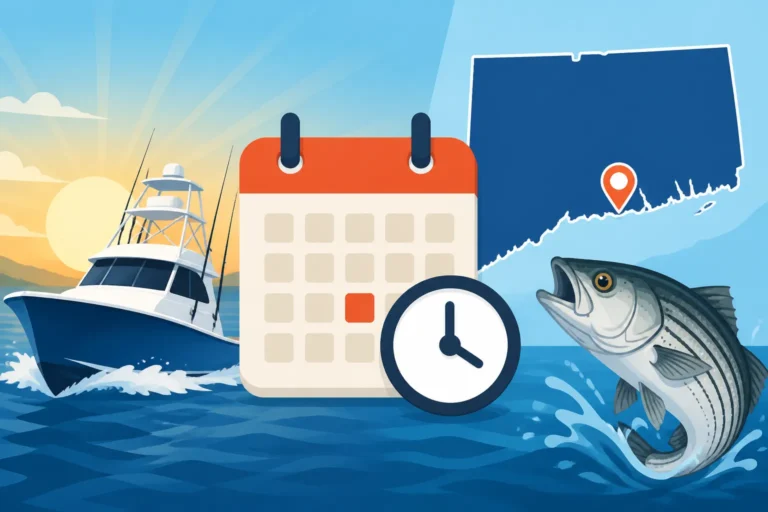
What time Connecticut charters usually depart
One of the trickiest parts of planning a fishing trip in Connecticut, especially if you're traveling from out of town or just trying to coordinate with a group, is figuring out when the charter boats actually leave. You don't want to show up late, or worse, book a trip that clashes with your other plans. This guide is here to demystify the typical departure schedules for Connecticut fishing charters, helping you understand the factors that dictate these times and what to expect so you can plan your angling adventure with confidence.
Understanding the Factors Influencing Charter Departure Times
It’s easy to assume that all fishing charters just leave at 8 AM, but that couldn’t be further from the truth. Charter captains are constantly balancing a complex set of variables to maximize your chances of success, and departure time is one of the most critical. It’s not just about when the sun comes up; it's about giving you the best possible shot at a memorable catch.
The Species You're Targeting
Different fish have different habits, and these habits dictate when they are most likely to be actively feeding. A good captain knows these patterns intimately and will schedule departures accordingly.
For instance, if you're specifically hoping to tangle with big striped bass in Long Island Sound, you're often looking at a "dawn patrol" scenario, leaving well before sunrise. These elusive fish frequently feed most aggressively during low-light conditions, right at first light, or again at dusk. Trophy striped bass, in particular, can be quite nocturnal, meaning some charters specialize in late afternoon or evening departures that extend into the dark. These trips are typically planned to coincide with optimal tidal movements, which for stripers can be just as important as the time of day. Knowing Where to Find Striped Bass in Long Island Sound is key, and captains will time their runs to arrive there when conditions are prime.
On the other hand, if your goal is to jig for fluke, black sea bass, or blackfish (tautog), the departure times might be a bit more flexible. While early mornings are often preferred, these species are generally more active throughout the day, often triggered by specific tidal flows or current speeds over structure. Blackfish, especially, are often caught around rocky bottoms, and the captain will know the best tide to hit those spots. For an informative overview, check out Blackfish (Tautog) Fishing in Connecticut.
Even for guided freshwater trips, say for trout on the Farmington or Housatonic Rivers, the earliest hours of the morning are often considered prime. Trout can be sensitive to light and water temperature, feeding voraciously as insects hatch in the cool, crisp air of dawn.
The Season and Time of Year
The time of year dramatically impacts daylight hours, water temperatures, and fish migration patterns, all of which play a huge role in setting charter departure times. Connecticut experiences four distinct seasons, and each brings its own set of angling opportunities and scheduling quirks.
In the height of spring and fall, when fishing for species like striped bass or bluefish is often at its peak, charters frequently leave very early. The days are shorter than in summer, but the fish are active, moving, and feeding aggressively during those precious low-light windows. An early start ensures you're on the water when the bite is hot and allows for a full fishing day before the sun gets too high or too low. To get a better grasp of the yearly cycle, you might want to read up on Connecticut Fishing Season Dates and Closures.
Summer brings the longest days, but also the warmest water and most intense sun. For many inshore species, this means very early departures are crucial to beat the heat, avoid boat traffic, and target fish before they retreat to deeper, cooler waters or become less active. Conversely, summer evenings offer prime opportunities for sunset and night fishing trips, especially for species like striped bass, which become more active as water temperatures drop and the light fades. This is when a Best Night Fishing Charters for Striped Bass might be your best bet.
Winter fishing charters are far less common in Connecticut due to colder weather and fewer target species, but if available (perhaps for cod offshore, though less common directly from CT), they might opt for mid-morning departures to allow for a slight warm-up and safer travel conditions.
Tidal Influence for Saltwater Trips
For any saltwater angler in Connecticut, especially those targeting species in Long Island Sound, the tides are king. They dictate current, bait movement, and ultimately, fish feeding behavior. A skilled captain will scrutinize the tide charts for your chosen fishing day, planning their departure around the most advantageous tidal conditions for your target species.
For many species like striped bass, bluefish, and even some bottom fish, the movement of water during an incoming or outgoing tide creates current, which can dislodge baitfish and other forage, making fish more active. Captains often want to be at a specific fishing ground when the tide is just right, which means departure times might shift significantly from day to day, even for the same captain or boat.
Slack tide, the period of minimal current between the incoming and outgoing tides, can also be productive for certain techniques or species. For example, some bottom fishing can be easier during slack water. When you’re researching charters on platforms like FishingBooker, you might see captains mentioning "tide-dependent" departures, which means they'll be in touch closer to your trip date to confirm the exact time based on the local tide charts. This is a critical piece of the puzzle for Striped Bass Fishing in Long Island Sound and other marine adventures.
Common Departure Windows for Connecticut Fishing Charters
While the exact time can vary due to the factors above, there are definitely some general patterns you can expect when booking a fishing charter in Connecticut. Understanding these common windows can help you narrow down your choices and set realistic expectations for your trip.
Early Morning Departures (The Dawn Patrol)
This is perhaps the most iconic and frequently offered departure time for Connecticut fishing charters, especially for those seeking aggressive game fish.
The "dawn patrol" typically means leaving the dock anywhere from well before sunrise to just as the sun is breaking the horizon, often between 5:00 AM and 6:30 AM. This early start capitalizes on several biological advantages: fish are often at their most active and aggressive during low-light conditions, cooler morning temperatures can stimulate feeding, and there’s generally less boat traffic on the water, leading to a calmer and more productive fishing experience. For many captains and anglers, this is the magic hour. If you're looking for Best Striped Bass Charters on Long Island Sound, a pre-dawn departure is almost a given. These trips allow you to be on the fishing grounds as the sun rises, providing an exhilarating start to your day and often the best chance at a trophy catch before the day gets too bright or warm.
Mid-Morning Departures (The Leisurely Start)
While not as common for highly predatory species like striped bass, mid-morning departures definitely have their place, particularly for certain types of trips or target species.
These trips typically kick off between 7:00 AM and 9:00 AM. They might be offered for half-day trips focusing on species that feed throughout the day, like fluke, sea bass, or scup (porgies). Sometimes, a mid-morning departure is dictated by the tide – perhaps the optimal tide for a specific fishing spot or technique doesn't align with an early dawn bite. This timing can be more convenient for families with young children or those who simply prefer a less rushed start to their day. While you might miss the absolute first light bite, you can still have an incredibly productive trip, especially if the captain is targeting bottom fish or if you’re fishing later in the season when the water warms up slower. When browsing charter options on a site like FishingBooker, you'll often see these more relaxed departure times clearly listed for certain trip types. If you're specifically interested in Best Fluke Charters on Long Island Sound, you might find more flexibility in mid-morning departures, as fluke often respond well to drifting baits and jigs throughout the day.
Afternoon and Evening Departures (The Sunset & Night Bite)
As the sun climbs higher and the day wears on, some charters pivot to afternoon, sunset, and even full-on night fishing trips, offering unique and often highly productive angling experiences.
Afternoon charters might depart anywhere from 1:00 PM to 3:00 PM, typically running until just before sunset or a bit after. These trips can be great for targeting species that become more active as the sun starts to drop, or for those who simply enjoy the beauty of fishing during the late hours of the day. They're also a popular choice for half-day excursions, providing an alternative to the early morning rush.
For many, however, the real excitement begins with evening or night departures. These often leave between 6:00 PM and 8:00 PM, sometimes even later, and can last well into the night. These trips are especially popular in the summer months when the surface water temperatures are high, and nocturnal feeders like large striped bass become much more active under the cover of darkness. The experience of fishing under the stars, with the quiet hum of the boat and the splash of a big fish, is truly unforgettable. If you're eyeing a chance at a trophy striper, asking about night trips is a must. Many excellent captains specializing in Best Night Fishing Charters for Striped Bass will exclusively offer these later departure times during peak season.
Booking Considerations and What to Ask Your Captain
Booking a fishing charter should be an exciting experience, not a stressful one. Knowing what questions to ask and what to consider will ensure you're on the right boat at the right time.
Half-Day vs. Full-Day Charters
The duration of your trip is one of the biggest factors influencing departure and return times. It’s a pretty straightforward relationship, but it's crucial for managing your expectations and schedule.
Half-day charters, usually lasting around 4-5 hours, will typically have more fixed departure and return windows. If a captain offers morning half-days, they might leave at 6:00 AM and return at 10:30 AM, or an afternoon slot might run from 1:00 PM to 5:30 PM. These are great for those with limited time, families, or beginners who aren't ready for a full day on the water. However, the shorter duration means less flexibility in chasing tides or moving between multiple fishing spots. You can learn more about this on our Half-Day vs. Full-Day Fishing Charters in Connecticut guide.
Full-day charters, which can run anywhere from 7-9 hours, offer significantly more flexibility. A full-day trip will usually start early in the morning, around the "dawn patrol" times, allowing the captain to maximize time on the water, hit multiple spots, and adjust to changing conditions like tides or fish movements. This extended time often leads to a more comprehensive fishing experience and a greater chance of success. When comparing options on platforms like FishingBooker, pay close attention to the listed duration and how it aligns with the proposed departure time.
Communicating Your Preferences
While captains are the experts on fish behavior and local conditions, it’s absolutely okay, and even encouraged, to communicate any preferences or constraints you might have regarding departure times.
If you have a hard stop time due to other plans, or if you prefer an earlier or later start for personal reasons (like avoiding extreme heat or wanting to try for a night bite), don't hesitate to mention it when you first inquire about booking. However, always be prepared for the captain to advise against a specific time if they believe it will significantly compromise your fishing success. They've spent years learning the waters and the fish, and their recommendations are almost always in your best interest. Trust their expertise, especially when they explain why a certain tide or time window is superior for your target species. Ultimately, they want you to have a great trip too! For more tips on selecting a boat, check out How to Choose a Connecticut Fishing Charter.
Arrival Time and Prep
Once your departure time is set, it's paramount that you plan to arrive early. This isn't just a courtesy; it's a practical necessity that ensures a smooth and timely start to your fishing adventure.
Most captains will ask you to arrive at the dock 15-30 minutes before the scheduled departure time. This crucial window allows for several important steps:
- Paperwork: You might need to sign waivers or complete other necessary forms.
- Loading Gear: If you're bringing your own cooler or tackle, this is the time to get it onto the boat efficiently.
- Safety Briefing: The captain or mate will likely go over important safety information, life jacket locations, and boat rules.
- Final Preps: It gives the crew time to confirm bait, tackle, and any last-minute adjustments before leaving the dock.
Arriving on time, or even a little early, demonstrates respect for the captain, crew, and any other anglers on board. More importantly, it ensures that your trip can leave promptly, getting you to the best fishing grounds when the bite is hot and maximizing your time on the water. There's nothing worse than delaying a trip for everyone because one party is running late. Consider reviewing What to Expect on a Connecticut Fishing Charter to be fully prepared for your trip.
Here's a quick overview of typical departure windows based on common trip types and target species:
| Trip Type/Target Species | Typical Departure Window | Key Influencers | Best Season |
|---|---|---|---|
| Morning Half-Day | 5:30 AM – 7:30 AM | Low light, cooler temps, fish activity | Spring, Summer, Fall |
| Afternoon Half-Day | 1:00 PM – 3:00 PM | Convenience, specific tides | Spring, Summer, Fall |
| Full-Day (General) | 5:00 AM – 7:00 AM | Maximize time, multiple spots, tides | Spring, Summer, Fall |
| Striped Bass (Dawn) | 4:00 AM – 6:00 AM (Pre-sunrise) | Low light, prime feeding, tide | Spring, Summer, Fall |
| Striped Bass (Night) | 6:00 PM – 8:00 PM (Sunset/Dark) | Nocturnal feeding, cooler temps | Summer, Early Fall |
| Fluke/Sea Bass | 6:00 AM – 9:00 AM (Tide Dependant) | Tidal current for drifts | Summer, Early Fall |
| Trout (Guided) | 6:00 AM – 8:00 AM | Insect hatches, cool water | Spring, Fall |
Remember, these are general guidelines, and the best way to get the exact departure time is always to communicate directly with the charter captain when you book. They’ll be able to give you the most accurate and up-to-date information for your specific trip. Finding the Best Fishing Charters in Connecticut and communicating effectively will lead to a fantastic experience!
Disclaimer
This article is for general informational purposes only and does not constitute professional advice. Laws, prices and regulations vary by location and change over time. Consult a qualified professional for guidance on your specific situation.