Best guided trips combining hiking and fishing
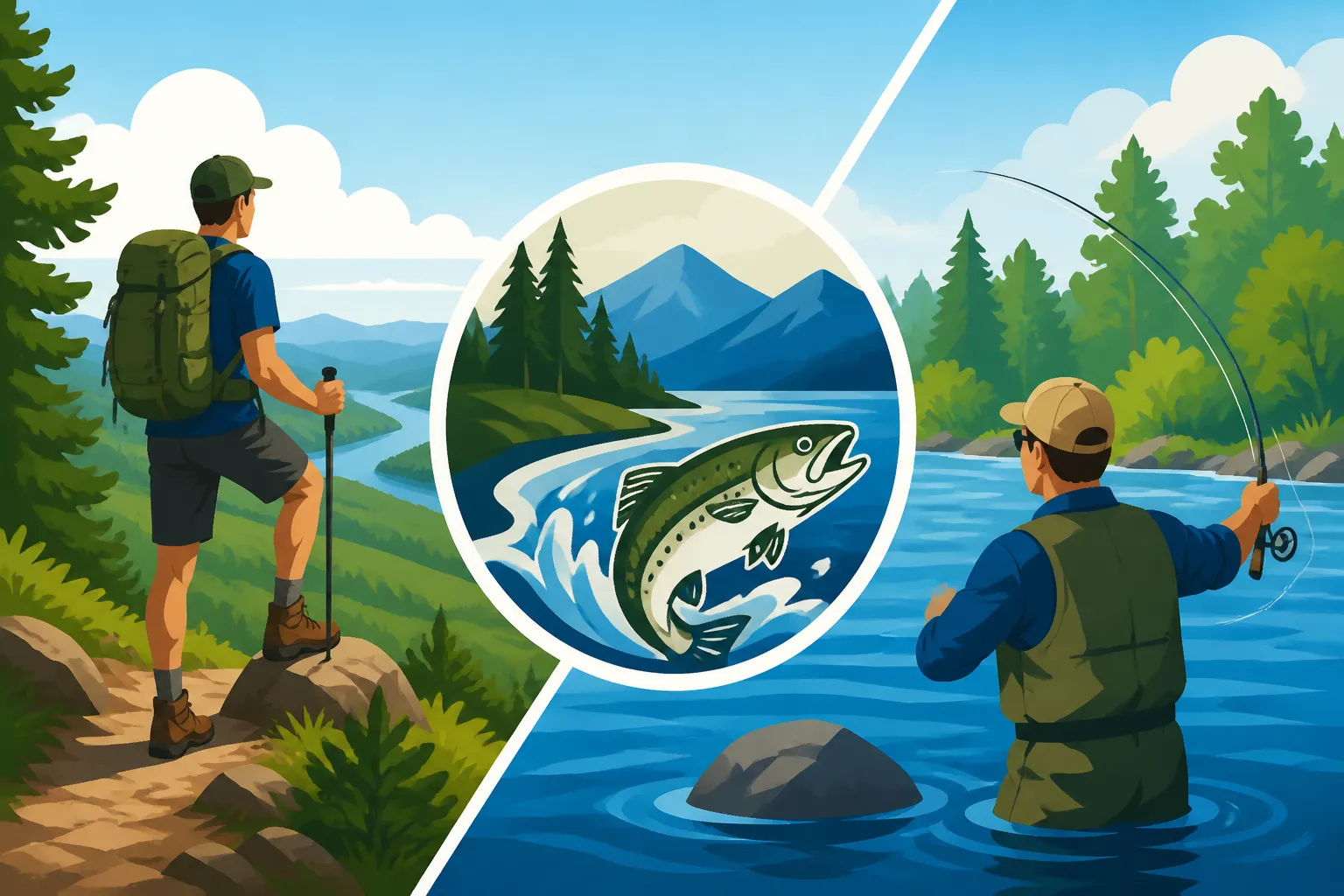
It can be incredibly frustrating when you're itching to experience the pristine, untouched beauty of Connecticut's backcountry, combining the thrill of a good hike with the peace of casting a line, but you just don't know where to start or how to navigate those hidden gems. This guide is here to help you unlock the magic of guided trips that seamlessly blend hiking and fishing, revealing how a local expert can transform your outdoor adventure from a guess-and-check mission into an unforgettable experience.
Why Combine Hiking and Fishing in Connecticut?
There's something uniquely satisfying about earning your fishing spot. Instead of pulling up to a crowded boat launch or a well-worn bank, imagine trekking through a hushed forest, listening to the crunch of leaves underfoot, and then emerging onto the banks of a secluded river or a serene pond where the only sounds are the rustle of the wind and the gentle flow of water. Connecticut offers a surprising array of opportunities for just this kind of adventure, and combining hiking with fishing isn't just a trend; it's a way to deepen your connection with nature and discover waters most anglers never see.
The Unique Appeal of Connecticut's Landscape
Connecticut might be a smaller state, but it packs an incredible punch when it comes to diverse landscapes. From the rolling Litchfield Hills to the rugged trails of Eastern Connecticut, there are countless hidden streams, tucked-away ponds, and less-pressured sections of larger rivers just waiting to be explored. A hike-and-fish trip leverages this natural beauty, allowing you to immerse yourself fully in the environment. You're not just fishing; you're experiencing the journey, observing wildlife, and breathing in the fresh air away from the hustle and bustle. It's about the entire outdoor experience, not just the catch itself, though landing a beautiful fish after a scenic trek certainly sweetens the deal! It's a fantastic way to escape the everyday and truly unplug.
Many of these untouched areas are harder to access by vehicle, which means fewer people and often healthier fish populations that are less pressured. Think about those moments when you've driven past a small bridge and seen a tantalizing stretch of water, only to realize there's no easy parking or access point. A guided trip can unlock those very spots. You get to witness the state's natural beauty in a way that just driving to a popular spot doesn't allow, offering quiet solitude and a sense of discovery that's increasingly rare in our busy world.
Beyond the Bank: Accessing Remote Waters
Let's be honest, everyone knows about the popular access points on the Farmington or Housatonic Rivers. But what about the countless miles of feeder streams, the secluded stretches far from any road, or those small, un-named ponds nestled deep within state forests? These are the places where fish can grow larger and are often more eager to bite, precisely because they see less human activity. A guided hike-and-fish trip is specifically designed to get you into these remote waters. Your guide isn't just an expert angler; they're also an experienced hiker with intimate knowledge of local trails, land access rules, and the best routes to reach those hidden gems.
This can mean anything from a short, vigorous trek up a hillside to a longer, more leisurely stroll along a meandering riverbank, all leading to prime fishing territory. For instance, imagine a morning hike through Macedonia Brook State Park, eventually bringing you to a pristine section of a brook known for wild brook trout. These are experiences you simply can't replicate by sticking to paved roads and designated parking areas. It's about venturing off the beaten path, sometimes literally, to find that ultimate fishing challenge or that moment of perfect tranquility. Guides also know how to navigate tricky terrain safely, ensuring you get to and from these spots without incident, which is a huge peace of mind when you're exploring unfamiliar wilderness.
What to Expect from a Guided Hike-and-Fish Trip
Booking a guided trip that combines hiking and fishing isn't like signing up for a standard charter or a simple fly-fishing lesson. It's a bespoke outdoor experience designed to immerse you in nature and enhance your angling skills in challenging, beautiful environments. The beauty of these trips is their flexibility and the wealth of knowledge your guide brings to the table, making the adventure accessible and rewarding for almost anyone.
Tailored Adventures for All Skill Levels
One of the best things about a guided hike-and-fish trip is that it can be customized to your abilities and preferences, both for hiking and fishing. Are you a seasoned angler who loves a challenging multi-mile trek into the wilderness for trophy brook trout? There’s a guide for that. Are you a beginner fisher who prefers a gentle stroll to a scenic, stocked pond where you can learn the basics? Absolutely, that's an option too. Guides work with you beforehand to understand your fitness level, fishing experience, and what you hope to get out of the day.
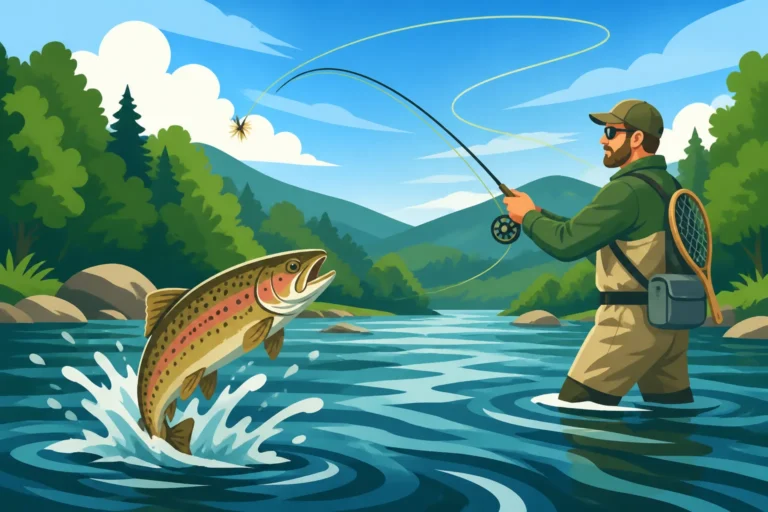
For families, this customization is a huge advantage. A guide can pick a trail that's appropriate for kids and then lead them to a pond teeming with panfish, ensuring a fun and rewarding experience for everyone. For more experienced anglers, the guide can lead you to Best Remote Backcountry Trout Streams in Connecticut or areas known for challenging wild trout populations, focusing on specific techniques like Euro Nymphing Connecticut Trout Streams or Dry Fly Fishing Connecticut Mountain Streams. This personalized approach means you’re not just following a rigid itinerary; you’re embarking on an adventure crafted just for you, which is a significant departure from more generic fishing excursions.
Gear, Safety, and Local Knowledge
When you head out on a hike-and-fish trip with a professional guide, you're not just getting their company; you're tapping into their extensive knowledge and resources. Most guides will provide much of the necessary fishing gear, including rods, reels, tackle, and sometimes even waders and boots. This is fantastic if you're traveling light or simply don't have specialized equipment for backcountry fishing. You don't have to worry about bringing a full arsenal of gear; the guide will have what's appropriate for the specific waters you'll be targeting. Of course, you should always confirm what's included when you book.
Safety is paramount, especially when venturing into remote areas. A good guide will be CPR and First Aid certified, carry a comprehensive first-aid kit, and know how to handle various situations that might arise in the backcountry. They are also intimately familiar with the terrain, potential hazards, and emergency protocols. Beyond safety, their local knowledge is invaluable. They know which trails are best for the conditions, where the fish are holding, what flies or lures are working, and the specific Connecticut Fishing Regulations Explained for each body of water you'll visit. This deep well of local expertise turns a potentially daunting self-guided expedition into a safe, productive, and truly enjoyable experience. They can even teach you Wading Techniques for Connecticut Trout Streams safely.
Finding Your Perfect Connecticut Hike-and-Fish Guide
Choosing the right guide for your hike-and-fish adventure is crucial to ensuring you have a memorable and successful trip. It's not just about finding someone who can lead you to fish, but someone who understands the nuanced experience of combining hiking with angling. There are several ways to go about this, from online platforms to direct connections with local experts.
Key Considerations When Choosing a Guide
Before you even start looking, think about what you want from your trip. Do you want to focus primarily on the fishing aspect, with the hike being a means to an end? Or is the journey through nature as important as the catch? Consider the following:
- Experience and Specialization: Does the guide specialize in hike-and-fish trips? Do they have a strong background in both hiking and guiding anglers in remote locations? Look for guides who are passionate about the entire outdoor experience, not just fishing. Some guides might specialize in Fly Fishing for Trout in Connecticut in backcountry streams, while others might focus on remote ponds for bass or panfish.
- Safety Record and Certifications: Ensure your guide is licensed and insured, and has appropriate safety certifications for backcountry excursions. Don't be shy about asking for references or checking reviews.
- Trip Customization: Can the guide tailor the trip to your physical fitness level and fishing preferences? A good guide will discuss your expectations in detail before booking.
- Inclusions: What gear is provided? What about snacks, water, or photography? Understand what’s included in the price so there are no surprises.
- Location Expertise: If you have a specific area in mind, like the Farmington River watershed or the wilds of Pachaug State Forest, find a guide with intimate knowledge of that particular region. They'll know the best access points, current conditions, and fish patterns.
Don't hesitate to interview a few guides. A quick phone call can tell you a lot about their personality and whether they're a good fit for your group or individual adventure. Remember, you'll be spending a significant amount of time with this person in the outdoors, so rapport is important.
Booking Your Adventure: Platforms and Direct Contact
When it comes to actually finding and booking a guide, you have a few avenues.
1. Online Booking Platforms: Websites like FishingBooker are excellent resources for finding fishing guides and charters in Connecticut. You can filter by location, trip type (many will specify "hiking access" or "remote waters"), target species, and even read reviews from other anglers. Using a platform like FishingBooker allows you to compare different guides, check their availability, and often book directly online. Just be sure to read the trip descriptions carefully to confirm the hiking component aligns with your expectations. These platforms also offer a layer of consumer protection and transparency.
2. Local Fly Shops and Outdoor Retailers: Many local fly shops, especially those near popular trout streams like the Farmington or Housatonic, also double as guide services or can recommend independent guides. These shops are often hubs of local fishing knowledge and can connect you with guides who specialize in specific techniques or remote access trips. For example, a shop near the West Branch of the Farmington might connect you with a guide focused on Best Guided Fly Fishing Trips on the Farmington River that involves wading into remote sections.
3. Direct Referrals and Word-of-Mouth: Sometimes the best guides are found through personal recommendations. Ask fellow anglers, outdoor enthusiasts, or even local park rangers if they know of guides who offer hike-and-fish trips. A guide with a stellar reputation often doesn't need extensive online advertising. Social media groups dedicated to Connecticut fishing or hiking can also be a source of valuable recommendations.
No matter how you find your guide, always confirm their availability, discuss pricing, and get all the details in writing. A small deposit is often required to secure your date. Keep in mind that some of the best guides book up well in advance, especially during peak seasons like spring trout opener or the fall foliage season, so planning ahead is key.
Popular Regions and Target Species for Hike-and-Fish Adventures
Connecticut’s diverse geography means there are fantastic hike-and-fish opportunities across the entire state. Depending on where you venture, you can target different species and experience varied landscapes, making each trip potentially unique.
Western Connecticut: Trout and Scenic Trails
When most anglers think of hike-and-fish in Connecticut, their minds often drift to the pristine trout streams and scenic hills of Western Connecticut, particularly areas within Litchfield County. This region boasts some of the state's most revered trout waters, many of which require a bit of a walk to access the best spots.
- Housatonic River and its Tributaries: The "Hoosie" is a legendary river for good reason, but its true magic often lies in the less accessible sections. A guided hike can take you away from the more pressured bridge crossings and popular parking lots, leading you to quiet pools and riffles that hold larger, wilder trout. You might hike along the Appalachian Trail sections that parallel the river or follow game trails to secluded bends. Its tributaries, often smaller and wilder, are prime candidates for intimate brook trout fishing after a healthy trek. Guides here might focus on teaching you techniques like How to Fish a River for Smallmouth Bass or targeting big browns in deeper runs.
- Farmington River: While much of the Farmington is accessible, particularly its famous West Branch, there are still many miles that benefit from a good hike. Imagine walking through the dense forests that line the river, venturing into areas like the Connecticut Farmington River Trophy Trout Stream Rules zones that are more challenging to reach, increasing your chances of finding less-pressured fish. Some guides specialize in leading trips to the upper reaches or specific wilderness sections that hold impressive brown and rainbow trout, far from any road noise.
- Smaller Hill Country Brooks: Throughout the Litchfield Hills, numerous smaller brooks and streams cascade down hillsides, often flowing through state forests and protected lands. These are perfect for adventurous anglers seeking native brook trout. The hiking here can be moderate to challenging, following faint trails or simply bushwhacking along the stream banks. A guide will know the best paths and, importantly, which of these delicate ecosystems are open to public fishing and are healthy enough to support a catch. You might find yourself in the beautiful Macedonia Brook State Park or other similar remote areas.
A typical hike-and-fish trip in Western Connecticut might involve a 1-3 mile hike (round trip, though some can be longer) to reach a stretch of river or stream, where you'll spend several hours wading and casting. The scenery alone is worth the effort, especially during the vibrant fall foliage season.
Eastern Connecticut: Hidden Gems and Panfish
Eastern Connecticut, with its extensive state forests and numerous smaller lakes and ponds, offers a different flavor of hike-and-fish adventure. While trout are present in many areas, this region truly shines for those looking to combine a peaceful walk with fishing for a variety of warmwater species, and occasionally, hidden trout ponds.
- Pachaug State Forest and its Ponds: As the largest state forest in Connecticut, Pachaug offers countless miles of trails and numerous secluded ponds. Many of these ponds are only accessible by foot or small, non-motorized craft carried in. After a hike through the pine and oak forests, you could find yourself casting for largemouth bass, pickerel, and a variety of panfish in waters that rarely see heavy pressure. A guide familiar with the forest can lead you to Best Bass Fishing Lakes in Connecticut that are off the beaten path, or Best Pond Fishing near Willimantic Connecticut in remote locations.
- Natchaug State Forest and the Natchaug River: Similar to Pachaug, Natchaug State Forest provides ample opportunities for hiking to less-frequented stretches of the Natchaug River, which is stocked with trout, or to its small, unnamed ponds. The hiking here can be diverse, from easy paths to more rugged terrain. It's a great area for those who enjoy solitude and the chance to spot local wildlife while pursuing their catch.
- Quinebaug and Shetucket Rivers: While sections of these rivers are more accessible, a guided trip could involve hiking along stretches within designated greenways or state parks to reach specific fishing holes that are too far for casual bank anglers. These rivers can hold smallmouth bass, northern pike, and a variety of panfish. A knowledgeable guide can also help you explore some of the lesser-known tributaries that feed these larger systems.
- "Trout Ponds Accessible by Short Hike": The state manages several small ponds that are stocked with trout and are often only accessible via a short hike. These are perfect for beginners or those seeking a less strenuous day out while still enjoying the benefit of a walk in nature. Your guide will know the locations and the best times to visit these often productive waters, combining a pleasant walk with excellent fishing.
An Eastern Connecticut hike-and-fish trip might involve shorter, but equally rewarding, treks to peaceful pond shores or riverbanks, focusing on quantity or specific species in quiet settings. The feeling of discovery, finding a pond rarely fished, is a huge draw here.
When you're considering a hike-and-fish adventure, think about the balance you want between the two activities and the type of environment you wish to explore. Both Western and Eastern Connecticut offer unique and fulfilling experiences, especially with the guidance of an experienced local expert.
Here's a quick comparison of what you might expect from a guided hike-and-fish trip in different regions:
| Feature | Western Connecticut (e.g., Litchfield Hills) | Eastern Connecticut (e.g., Pachaug State Forest) |
|---|---|---|
| Primary Fish Species | Wild & Stocked Trout (Brown, Rainbow, Brook), Smallmouth Bass | Largemouth Bass, Chain Pickerel, Panfish, some Stocked Trout |
| Typical Hiking Terrain | Hilly, rocky, riverside trails, some steep climbs, forest paths | Forest trails, relatively flatter, around ponds, some wetlands |
| Scenery | Mountainous views, clear cold rivers, dense deciduous forests | Expansive state forests, calm ponds, pine groves, rolling hills |
| Focus of Trip | Technical trout fishing, fly fishing, accessing wilder river sections | Versatile pond & lake fishing, exploring remote forest waters |
| Common Gear | Fly rods, waders, wading boots, lightweight spinning gear | Spinning rods, baitcasting gear, wading boots (optional), small craft for access |
| Solitude Level | High, especially away from popular sections | Very high, many truly remote spots |
| Best For | Avid fly anglers, those seeking classic trout streams, scenic views | Families, multi-species anglers, those seeking quiet pond fishing |
Ultimately, whether you choose the trout-rich rivers of the west or the hidden ponds of the east, a guided hike-and-fish trip in Connecticut promises an enriching outdoor experience that goes far beyond just catching fish. It's about exploring the state's natural beauty on foot, discovering secluded fishing havens, and making memories that will last a lifetime.
Disclaimer
This article is for general informational purposes only and does not constitute professional advice. Laws, prices and regulations vary by location and change over time. Consult a qualified professional for guidance on your specific situation.