Euro Nymphing Connecticut Trout Streams
Many Connecticut trout anglers struggle with getting a natural drift and detecting subtle strikes in our state's varied, often fast-flowing rivers and streams using traditional nymphing methods. If you've ever felt frustrated by missed fish or flies not getting deep enough, then European Nymphing, or Euro Nymphing, might just be the game-changer you need. This comprehensive guide will break down everything you need to know to master this incredibly effective technique on Connecticut's waters.
What is Euro Nymphing and Why It's Perfect for Connecticut Streams
Understanding the Philosophy
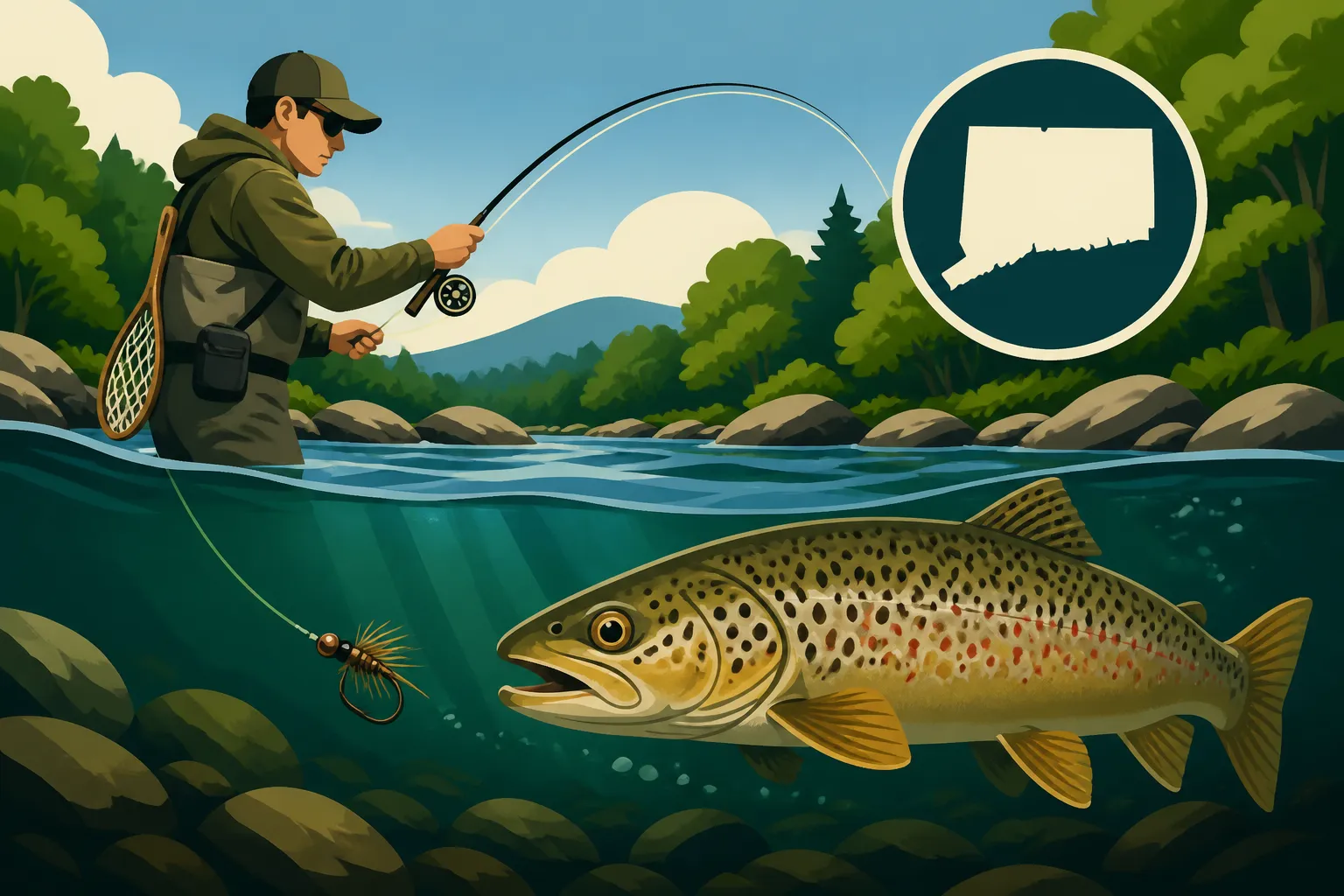
Euro Nymphing isn't just a technique; it's a completely different approach to presenting flies subsurface. At its core, it's about maintaining a direct, tight line connection to your nymph rigs, eliminating slack, and achieving an incredibly natural, drag-free drift. Instead of relying on an indicator floating on the surface to tell you when a fish bites, Euro Nymphing uses a highly visible leader section, called a sighter, and your direct feel for the line. You're essentially feeling the bottom, feeling the current, and feeling the fish all at once. This method evolved from competitive fly fishing in Europe, where anglers needed maximum efficiency and stealth to catch pressured trout in challenging conditions – sounds a lot like some of our Connecticut streams, doesn't it? It prioritizes close-range presentations and keeping your flies in the strike zone for as long as possible.
The philosophy extends to how you approach the water. Instead of casting long distances, you're often working shorter lines, carefully wading upstream, and dissecting runs and pockets with precision. This allows for unmatched control over your flies. You're not waiting for an indicator to dip; you're watching for any pause, twitch, or subtle movement in your sighter, or feeling the tell-tale tap of a trout. It's a highly engaging and active way to fish, demanding constant attention but rewarding it with more hook-ups, especially when the trout are holding deep or are particularly finicky. Many anglers find it incredibly effective for targeting trout in deeper runs or those hugging the bottom in faster currents, situations where a traditional indicator rig often struggles to maintain depth and a natural drift.
Advantages Over Traditional Nymphing Methods
When you compare Euro Nymphing to traditional indicator nymphing, several key advantages jump out, particularly for the types of waters we have here in Connecticut. Firstly, the lack of a bulky strike indicator drastically reduces drag on your line. Traditional indicators, while helpful, act like miniature parachutes, catching current and pulling your flies unnaturally. With Euro Nymphing, your flies sink faster and drift more naturally, mimicking real insects washing downstream. This subtle presentation is critical for wary trout, especially in heavily fished areas like sections of the Farmington River.
Secondly, strike detection is significantly enhanced. Because you maintain a direct connection to your flies, even the slightest take is transmitted through the line, either visually through the sighter or directly to your fingertips. This sensitivity means you'll detect those incredibly subtle "eats" that a fish makes when simply inhaling a nymph, rather than aggressively striking it. Think about a cold winter day on the Housatonic River where trout are sluggish; those light takes are often missed with a traditional setup. This direct feedback loop increases your hook-up ratio dramatically. Lastly, Euro Nymphing excels in diverse water types. Whether you're working fast riffles, deep pools, or tight pocket water, the ability to control your depth and drift precisely allows you to adapt to almost any scenario. You can adjust your fly weight and leader length on the fly, so to speak, to match the specific demands of each section of the stream. It’s incredibly versatile, making it an ideal method for exploring all the varied Best Fly Fishing Rivers in Connecticut.
Essential Gear for Euro Nymphing in Connecticut
The Rod, Reel, and Line
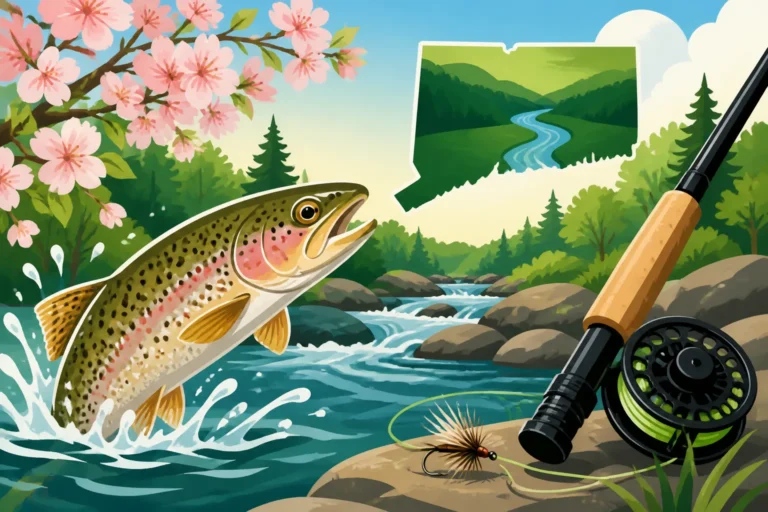
Choosing the right rod is paramount for successful Euro Nymphing. You’re looking for a longer, lighter rod with a sensitive tip but enough backbone to fight fish. Rods specifically designed for Euro Nymphing typically range from 10 to 11.5 feet in length, rated for 2, 3, or 4-weight lines. The extra length is crucial for reach, allowing you to cover more water and keep your line off the water for longer, minimizing drag. The soft tip, often called a "noodle" or "sighter" tip, is engineered to be incredibly sensitive for strike detection, flexing with the lightest take, while the stiffer butt section provides the power to cast weighted nymphs and handle larger trout. For many Connecticut anglers, a 10-foot 3-weight is a fantastic all-around choice, providing a good balance of sensitivity and power for our diverse trout population. You can find excellent options from brands like Redington, Fenwick, and Orvis at your local fly shop or even on Amazon.
The reel, surprisingly, is less critical in Euro Nymphing. Since you’re typically casting shorter distances and often not using much actual fly line, its primary role is simply to hold your backing and specialized Euro Nymphing line. A lightweight reel that balances well with your long rod is ideal. You don't need a high-end, super smooth drag system, though a reliable one is always a plus for when you hook into a really strong fish like a big holdover brown. As for the line itself, traditional fly line is largely bypassed. Instead, Euro Nymphing utilizes extremely thin, level monofilament lines, often as light as 0.022 inches in diameter. These lines are designed to have minimal mass, reducing sag and maximizing sensitivity. They don't cast like traditional fly lines; instead, you're using the weight of your nymphs to propel your cast. This specialized line is then typically connected to your sighter and leader.
Leader Setup
The leader is arguably the most critical component in a Euro Nymphing setup, as it's what transmits the subtle takes and connects you directly to your flies. A typical Euro Nymphing leader is much longer than a conventional leader, often 15-25 feet in total length. It starts with a thick butt section, usually 15-20 lb monofilament, tapering down to a sighter, which is a key element. The sighter is a section of highly visible, bi-color or tri-color monofilament or braided line, usually 2-3 feet long, integrated into the middle of the leader. Its purpose is purely visual strike detection. You'll often see them in fluorescent pink and chartreuse segments. Below the sighter, the leader continues to taper down to a tippet ring (a small metal ring that allows you to easily change tippet sections without cutting into your main leader), and then your desired length of tippet and flies.
The tippet section is where you attach your nymphs. It's common to run a "point fly" (the heaviest nymph at the bottom) and one or two "dropper flies" above it. The tippet material should be strong but thin, often 4x-6x fluorocarbon, which sinks well and is less visible to trout. For specific regulations on leader and fly setups, especially in special regulation waters like the Connecticut Trout Management Area Regulations, always double-check the latest guidelines published by the Connecticut DEEP. The beauty of this system is its modularity; you can easily adjust tippet length and add or remove dropper flies to match the conditions. You can even buy pre-tied Euro Nymphing leaders, or build your own with materials readily available online or at shops like Cabela's or your local independent fly shop.
Fly Selection
When it comes to Euro Nymphing flies for Connecticut trout, the name of the game is weight and profile. These aren't your delicate dry flies; we're talking about heavy, streamlined patterns designed to sink quickly and efficiently. Tungsten bead heads are almost universally preferred over brass because they're much denser, allowing a smaller bead to achieve more weight. Common patterns include variations of French Nymphs, Perdigons, Jig Nymphs, and Squirmy Wormies. The colors and sizes will vary based on water conditions and prevalent insect life, but generally, natural tones like olive, brown, and black, along with brighter attractor colors like hot pink or orange, are good to have. Sizes typically range from #12 down to #20.
It’s crucial to have a selection of flies with different weights. You might start with a heavy point fly (e.g., a tungsten bead head jig nymph in size #12 or #14) to get your rig down quickly, and then run a lighter dropper fly (e.g., a smaller Perdigon or a Pheasant Tail in size #16 or #18) above it. This allows the heavier fly to pull the lighter one down effectively through the water column. Don't forget to consider local hatches and forage. For instance, when fishing the Farmington River, having some caddis pupa or stonefly imitations can be very effective, while on smaller streams, tiny midge patterns might be key. If you're looking for inspiration or need to stock up, searching for "Euro nymphing flies" on Amazon will bring up a huge variety of options, from individual patterns to curated fly boxes designed for this technique. Remember, the goal is to imitate common aquatic insects or even small baitfish effectively. For more specific patterns, check out our guide on Fly Patterns for Connecticut Trout Streams.
Key Techniques for Success on Connecticut's Rivers
The Sighter and Its Role
The sighter is the nerve center of your Euro Nymphing setup. Its primary role is visual strike detection, acting as your "indicator" without creating drag on the water. You'll constantly watch this brightly colored section of your leader for any abnormal movement: a twitch, a sudden stop, a slight straightening, or a subtle dip. These are all indicators that a fish has picked up your fly. It takes practice to distinguish a fish take from your flies bumping the bottom or snagging a weed, but with time, your eye will become trained. It's often said that if you think you saw a take, set the hook! You'll be surprised how many fish you catch that way.
Beyond strike detection, the sighter also helps you maintain proper drift and depth. By keeping a slight bow or "slack" in the sighter (not in the line to the flies, but the overall leader above the sighter), you can tell if your flies are drifting naturally or if they're dragging. If the sighter is perfectly straight or pulling unnaturally, it means your flies are moving faster or slower than the current, indicating drag. Your goal is to keep that sighter consistently shaped for a perfectly drag-free drift. This visual feedback loop is incredibly important for active line management and adapting to varying current speeds, ensuring your flies are always presenting as naturally as possible. This constant engagement is what makes Euro Nymphing such an effective, yet demanding, technique.
The European Reach Cast and Tuck Cast
Unlike traditional fly casting where you use the weight of the fly line to load the rod, Euro Nymphing casts utilize the weight of your nymphs. The "European Reach Cast" is fundamental. It's less about distance and more about precision and immediate control. You'll typically cast upstream or slightly quartering upstream, aiming to deliver your nymphs with minimal splash. As the flies land, immediately raise your rod tip high, extending your arm downstream (the "reach"), which allows you to keep the sighter and the line above it completely off the water. This high rod angle helps eliminate drag, as only your tippet and flies are in the water. As your flies drift downstream, you'll "lead" them with your rod tip, following their path and constantly adjusting your reach to match the speed of the current.
The "Tuck Cast" is another invaluable tool, especially when you need your flies to sink quickly into deeper water or plunge pools. For this cast, you make a standard overhead or roll cast, but at the very end of the forward stroke, you make a slight "tuck" or upward flick of the wrist. This causes the leader and flies to collapse on themselves, driving the flies straight down into the water with force. This effectively "tucks" the flies under the surface, allowing them to penetrate the water column faster than a standard cast. It's particularly useful when fishing short distances into deep pockets or when you want to get your heavier point fly down quickly in strong currents without disturbing the surface too much. Master these two casts, and you’ll have a significant advantage in controlling your presentation and getting your flies into the strike zone.
Strike Detection and Hook Set
This is where the rubber meets the road with Euro Nymphing. As mentioned, strike detection is a constant, active process. You're not waiting for a bobber to disappear; you're observing your sighter for any unnatural movement. A subtle pause, a twitch to the side, a sudden straightening of the sighter, or even just a feeling of pressure or a slight tick against your line can indicate a take. Sometimes, the trout will just inhale the fly without moving much at all, and only your sensitive rod tip or the faintest movement of the sighter will give it away. This heightened sensitivity means you'll be setting the hook far more often than with traditional methods, and that's a good thing!
When you detect a strike, the hook set is typically a gentle, upward sweep of the rod tip, rather than a violent "trout set." Because you already have a tight line connection, a subtle lift is often all that's needed to bury the hook. The key is to be quick and decisive. If you hesitate, the fish may spit the fly. It's a continuous dance between watching, feeling, and reacting. After a few trips dedicated to this technique, you'll start to develop a natural rhythm and intuition for when to set. Don't be discouraged by missed strikes; every miss is a learning opportunity that fine-tunes your reflexes and interpretation of the sighter's movements. This quick, responsive fishing is incredibly effective for active trout, and especially for those more lethargic fish in colder water temperatures or after a Cold Front Fishing Tactics for Connecticut Bass has moved through.
Reading the Water: Where to Euro Nymph in Connecticut
Seams, Eddies, and Riffles
Connecticut's trout streams, from smaller freestone creeks to larger rivers like the Farmington or portions of the Housatonic River Trout Management Area Fishing, offer a wealth of prime Euro Nymphing water. You'll want to focus on areas where current speed changes, creating "seams." These are often found where fast water meets slow water, along current breaks behind large rocks, or at the edges of deeper runs. Trout will often hold in the slower water of the seam, waiting for food to be delivered by the faster current. A perfectly drifted nymph along these seams can be incredibly effective. Eddies, those swirling pockets of slower water behind obstructions or in bends, are also prime targets, as they collect food and offer trout a comfortable resting spot.
Riffles, the shallow, fast-moving sections of a stream, are fantastic for Euro Nymphing. While they might look too shallow or fast, these oxygenated areas are often teeming with insect life, and trout will actively feed in them. The quick sink rate of your weighted nymphs, combined with your ability to maintain a drag-free drift in these chaotic currents, makes Euro Nymphing shine here. You can pick apart individual lanes of current, getting your flies right down to where the fish are holding without the indicator dragging them off course. Don't shy away from these faster sections; they are often overlooked by traditional anglers but hold actively feeding fish. For those new to the state, learning to interpret these river features is a key part of success, and the Reading the Connecticut Fishing Guide can offer fantastic insights into local hydrology.
Pocket Water and Plunge Pools
Pocket water—those small, deep sections of water found between rocks, boulders, and other obstructions in a stream—is a Euro Nympher's paradise. The beauty of Euro Nymphing here is your ability to make short, precise casts directly into these pockets and immediately gain depth and control. You can drop your flies into a pocket, allow them to drift for a short distance, and then quickly pick them up and drop them into the next. This allows you to methodically work through complex terrain, hitting every potential holding lie. The tuck cast, discussed earlier, is particularly useful for quickly getting your flies down in these often turbulent, deep pockets.
Plunge pools, formed at the base of waterfalls, rapids, or strong current breaks, are also excellent targets. These areas are typically deeper and highly oxygenated, often holding some of the largest trout. The strong currents can make traditional indicator nymphing a challenge, as indicators get pulled under or create excessive drag. With Euro Nymphing, you can position yourself above or to the side of the plunge pool, cast your weighted nymphs into the aerated water, and use your long rod to high-stick and guide your flies through the deepest parts of the pool, feeling for those tell-tale taps. Remember, these deeper areas often require heavier flies to reach the bottom effectively. These spots are particularly productive on our classic trout streams like the Farmington River West Branch Trout Fishing or some of the smaller tributaries.
Identifying Prime Holding Lies
Beyond just the general water features, learning to pinpoint exactly where trout will hold is crucial for efficient Euro Nymphing. Trout are inherently lazy and opportunistic; they want to expend minimal energy while having maximum access to food and shelter. Look for any structure that breaks the current: large rocks, submerged logs, undercut banks, or even subtle changes in the riverbed contour. These spots offer a low-energy sanctuary where trout can ambush passing insects. The "cushion" of water directly upstream of a large boulder, or the slower water directly behind it, are classic examples.
Another key indicator is depth. While trout will feed in shallow riffles, they often retreat to deeper runs and pools for safety and comfort, especially during brighter days or when feeling pressured. Euro Nymphing excels at getting flies into these deeper zones. Also, pay attention to current speed. Trout will often hold where fast currents deliver food, but they won't sit directly in the fastest water, which expends too much energy. Instead, they'll position themselves just out of the main flow, in a "feeding lane" or a "seam," waiting for insects to drift by. Developing your ability to "read" the water and identify these prime holding lies is a skill that improves with experience, but it’s invaluable for maximizing your success, whether you're fishing a tiny wild trout stream or a major stocked river. This technique is particularly effective when you understand How to Fish a Run and Pool Trout Stream effectively.
Common Challenges and How to Overcome Them
Dealing with Wind and Obstructions
Wind can be a real nuisance for any fly angler, but it presents unique challenges for Euro Nymphing due to the light nature of the specialized lines and leaders. A strong headwind can make casting your lightweight nymphs difficult, causing your leader to collapse or your flies to land off target. Crosswinds can create unwanted drag or push your sighter unnaturally. To combat wind, you'll need to adjust your casting stroke. Shorten your casts, use a more aggressive, compact casting motion, and try to keep your rod tip low and parallel to the water as much as possible to minimize wind interference. Sometimes, turning your body to put the wind at your back or side can help.
Obstructions, such as overhanging branches, dense riparian vegetation, or tight casting lanes, are common on many of Connecticut's wilder trout streams. These areas can make the long rod feel cumbersome and lead to frustrating snags. The key here is stealth and strategic positioning. Often, a sidearm cast or a simple roll cast can be more effective than an overhead cast in tight quarters. You might also need to wade more cautiously and plan your casting angles carefully. Sometimes, you’ll have to sacrifice a perfect drift for a safe cast. For example, if you're fishing a stretch of the Best Trout Streams in Connecticut with heavy canopy, consider fishing shorter lines or looking for gaps in the foliage that allow for a cleaner presentation. Flexibility and adaptability are key when dealing with natural obstructions.
Managing Current and Depth
Effectively managing current speed and getting your flies to the correct depth are continuous challenges in Euro Nymphing, especially in our varied Connecticut rivers. Different sections of a stream will have wildly different current speeds, and maintaining a truly drag-free drift requires constant adjustment. If the current is faster than your drift, your flies will swing unnaturally. If it's slower, they won't get deep enough or will "tumble" rather than drift naturally. Your long rod and active line management are your best tools here. By high-sticking and constantly moving your rod tip to match the speed of your flies, you can keep the sighter and the upper leader off the water, minimizing current interference.
Achieving the correct depth is also critical. Too shallow, and you're fishing above the fish. Too deep, and you're snagging the bottom constantly. This is where having a variety of weighted flies comes into play. If you're not ticking the bottom occasionally, your flies might not be heavy enough. If you're constantly snagging, you might be using too much weight or need to shorten the length of your leader. Experiment with different combinations of point and dropper flies, and don't be afraid to adjust your leader length on the fly. Sometimes, a slight change in your wading position or casting angle can make all the difference in achieving that perfect depth and drift in challenging currents. Understanding how to vary your leader length for different depths is a crucial skill for Fly Fishing for Trout in Connecticut.
Avoiding Snags and Break-Offs
Snags are an inevitable part of subsurface fishing, but Euro Nymphing's tight-line approach can sometimes lead to more frequent hang-ups if not managed properly. Because you're constantly trying to keep your flies near the bottom where the fish are, you're also closer to submerged rocks, logs, and other debris. To minimize snags, always be mindful of your drift and the contour of the riverbed. If you feel a "tick" that isn't a fish, immediately lift your rod tip slightly to avoid getting truly hung up. Using jig-style hooks can also help, as the hook point rides upward, making them less prone to snagging the bottom.
When you do get snagged, resist the urge to violently yank your line. Often, a steady, firm pull in the opposite direction of the snag can free your flies. If that doesn't work, try letting some slack into your line and giving it a sharp, quick twitch. Sometimes, walking downstream (if safe) to change the angle of the pull can also help. If all else fails, a straight, steady pull will hopefully break off at the tippet, preserving your main leader. This is why using tippet rings and lighter tippet material for your flies is beneficial – the tippet is designed to be the weakest link, saving your more expensive leader and sighter. Having a good supply of extra tippet material and a few essential tools, which you can easily purchase on Amazon, is always a good idea. For advice on staying safe in the water, refer to our guide on Wading Techniques for Connecticut Trout Streams.
Species and Seasons: When and What to Target
Targeting Trout Brown, Rainbow, Brook
Euro Nymphing is, first and foremost, a trout-centric technique, and it's incredibly effective for all three primary trout species found in Connecticut: brown trout, rainbow trout, and our native brook trout. Brown trout, often wary and holding in deeper, more complex lies, respond exceptionally well to the stealth and precise depth control offered by Euro Nymphing. You can consistently get your flies into their preferred holding spots without spooking them with indicators or noisy casts. Many of the bigger, smarter browns in our systems are caught this way.
Rainbow trout, known for their more aggressive nature and willingness to feed in faster water, are also prime targets. Their strong takes are easily detected through the sensitive Euro Nymphing setup, leading to exciting hook-ups. Finally, our beautiful native brook trout, typically found in smaller, wilder streams with lots of pocket water and cover, are perfectly suited for Euro Nymphing. The ability to make short, accurate casts into tight spots and extract fish quickly is invaluable in these delicate environments. While their smaller size means you're often using lighter tippet and smaller flies, the technique remains just as effective. Remember to check local regulations for specific streams, especially for wild trout populations, as catch and release is often encouraged or mandated. For details on Connecticut Trout Limit and Possession Rules or where to find Brook Trout: Connecticut's Native Trout, consult the DEEP's official resources.
Best Seasons and Conditions
Euro Nymphing is a fantastic year-round technique for Connecticut, but it truly excels during certain seasons and conditions. Spring is arguably the peak season. With higher water flows from snowmelt and spring rains, often colder temperatures, and trout still holding deep after winter, Euro Nymphing allows you to get your flies into the strike zone efficiently. It's particularly deadly right after a stocking, as fresh trout are often aggressive feeders. See our guide on Spring Trout Fishing Techniques for Connecticut Streams for more details.
Summer can also be productive, especially during early mornings or late evenings when water temperatures are cooler, or when targeting trout in oxygenated riffles and deeper pools. As water levels drop and temperatures rise, trout become more sluggish, and their feeding windows shorten. This is when the subtle presentation of Euro Nymphing can really shine. Fall is another excellent time, as trout become aggressive prior to spawning (browns and brookies) or simply feeding heavily before winter. Lower, clearer water conditions make stealth even more important, and the precision of Euro Nymphing is a huge advantage. Even in Winter, when trout are lethargic and feeding sparingly, the direct connection and sensitive strike detection of Euro Nymphing can help you catch those incredibly subtle takes from cold, deep fish. It’s effective in almost any condition where trout are feeding subsurface. For a broader overview of opportunities, check out Best Time of Year to Fish in Connecticut.
Beyond Trout Other Species
While predominantly a trout technique, the principles of Euro Nymphing can be adapted to catch other species in Connecticut's freshwater and even some brackish waters. Any fish that feeds on nymphs or small baitfish near the bottom can be a potential target. For instance, smallmouth bass in rivers like the Housatonic will readily take jig-style nymphs and streamers, especially during cooler months when they're holding deep. The sensitive setup allows you to feel their subtle takes in current. Similarly, panfish like bluegill and crappie in ponds and slower sections of rivers can be caught with smaller Euro Nymphing flies, particularly when they're congregated around structure.
Even carp can be targeted with heavier, larger Euro Nymphing flies, though their strength often requires a more robust rod and tippet. The key is to adapt your fly choice and leader setup to the specific species and water conditions. For example, if targeting smallmouth, you might use slightly larger, more aggressive nymph patterns or even small jig streamers. The core principles of maintaining a tight line, minimizing drag, and detecting subtle strikes remain the same, making Euro Nymphing a surprisingly versatile technique beyond just trout. So, don't limit yourself to just trout; experiment with different species and see what surprising results you can achieve with this highly effective method.
Here's a quick comparison to highlight some key differences:
| Feature | Traditional Indicator Nymphing | Euro Nymphing |
|---|---|---|
| Strike Detection | Visual, indicator moves/dips | Visual (sighter), tactile (rod tip/line feel) |
| Drag Control | Difficult due to indicator catching current | Excellent, minimal drag due to high-sticking and no indicator |
| Fly Line Usage | Relies on fly line for casting and presentation | Minimal fly line, relies on weighted nymphs for casting |
| Casting Distance | Typically longer casts | Shorter, more precise casts |
| Leader Length | Shorter, typically 7.5-12 ft | Longer, often 15-25 ft |
| Fly Weight | Can use lighter flies, relies on split shot for depth | Heavily weighted nymphs (tungsten preferred) |
| Water Types Best For | Open water, consistent flows | Fast water, pocket water, deep runs, complex currents |
| Angler Engagement | Can be passive, waiting for indicator | Highly active, constant line management and focus |
Disclaimer
The information provided in this guide is for general informational purposes only and is not intended as legal advice regarding fishing regulations. Connecticut fishing regulations, including license requirements, season dates, creel limits, and specific water body rules, are subject to change. Always consult the most current official Connecticut Department of Energy and Environmental Protection (DEEP) fishing guide or website before heading out on the water. Following all state and local regulations is the angler's responsibility. Fishing inherently carries risks; always prioritize safety.