Connecticut blackfish minimum length limit
It's incredibly frustrating when you're out on the water, the bite is hot, and you pull up a beautiful blackfish, only to be unsure if it's a keeper. All the rules and regulations, especially around minimum length limits, can feel like a maze, making you second-guess every decision. This guide is here to clear up all that confusion specifically about the Connecticut blackfish minimum length limit, ensuring you know exactly what you need to do to stay compliant and help conserve this fantastic species.
Understanding Connecticut's Blackfish Minimum Length Limit
Let's dive right into the nitty-gritty of blackfish, also known as tautog, regulations here in Connecticut. The rules for these hard-fighting, structure-loving fish are set by the Connecticut Department of Energy and Environmental Protection (DEEP), and they are in place for a very good reason: to ensure a healthy, sustainable fishery for generations to come. It’s not just about what you can keep, but about making sure enough fish reach maturity and reproduce.
As of the current regulations, anglers targeting tautog in Connecticut waters must adhere to a strict 16-inch minimum length limit. This means any blackfish you catch that measures less than 16 inches from the tip of its snout to the end of its tail must be immediately and safely returned to the water. This single rule is perhaps the most important one to remember when you're out chasing these tasty critters. It's not just about the length either; understanding the nuances of the seasons and daily creel limits is also vital, which you can read more about in our comprehensive guide on Connecticut blackfish (Tautog) Season Dates. Remember, these regulations can sometimes change, so it's always a good idea to consult the most recent official Connecticut Fishing Regulations Explained from the DEEP, or pick up a copy of the annual Reading the Connecticut Fishing Guide.
Why Minimum Length Limits Are So Important
You might wonder, why 16 inches? Why not 14, or 18? The specific number isn't arbitrary; it's carefully determined by fisheries biologists who study the species' growth rates, reproductive cycles, and overall population health. For blackfish, reaching that 16-inch mark generally means the fish has had at least one, and often several, opportunities to spawn. Protecting these younger, smaller fish allows them to mature, contribute to the next generation, and helps maintain a robust fishery.
Imagine if everyone kept every blackfish they caught, regardless of size. The population of smaller, immature fish would quickly dwindle, leading to fewer adult fish in the future. This, in turn, would severely impact fishing success for everyone down the line. By enforcing a minimum length limit, the DEEP is essentially investing in the future of blackfish fishing in Connecticut, ensuring there are plenty of larger, healthier fish available for anglers to target. This is a common practice across many species, as you'd find when looking into Connecticut Saltwater Fishing Regulations by Species. It's all part of the larger conservation effort to balance recreational opportunities with ecological responsibility.
Seasonal Variations and How They Impact Length Limits
While the 16-inch minimum length is a consistent benchmark, it's crucial to remember that blackfish regulations in Connecticut often include distinct seasons with varying creel limits (how many fish you can keep per day). For example, there might be a more liberal season in the fall when blackfish are abundant and actively feeding, and a more restrictive season in the spring. Sometimes, the daily limit might drop to just one fish per angler during certain periods, even if the length limit remains the same.
It’s these seasonal nuances that can really trip up even experienced anglers. For instance, a period in the summer might be completely closed to tautog fishing to protect them during warmer water temperatures, which can stress the fish. During other times, like the prime fall bite, the daily limit might be more generous. Always double-check these seasonal changes, as they are just as important as the minimum length. Failing to do so could result in penalties, even if your fish is perfectly legal length-wise. Knowing when to target blackfish, and under what specific rules, is just as crucial as understanding their Blackfish Habits Around Structure if you want to be a successful and responsible angler.
Practical Tips for Accurate Measuring and Handling
Catching a blackfish is exhilarating, but the job isn't done once it's in the boat or on the shore. The next critical step is accurately measuring it. This isn't just a formality; it's a legal requirement, and mismeasuring could lead to inadvertently keeping an undersized fish, which carries consequences. Proper handling is also key, especially for those fish that need to be released.
Tools and Techniques for Measuring Blackfish
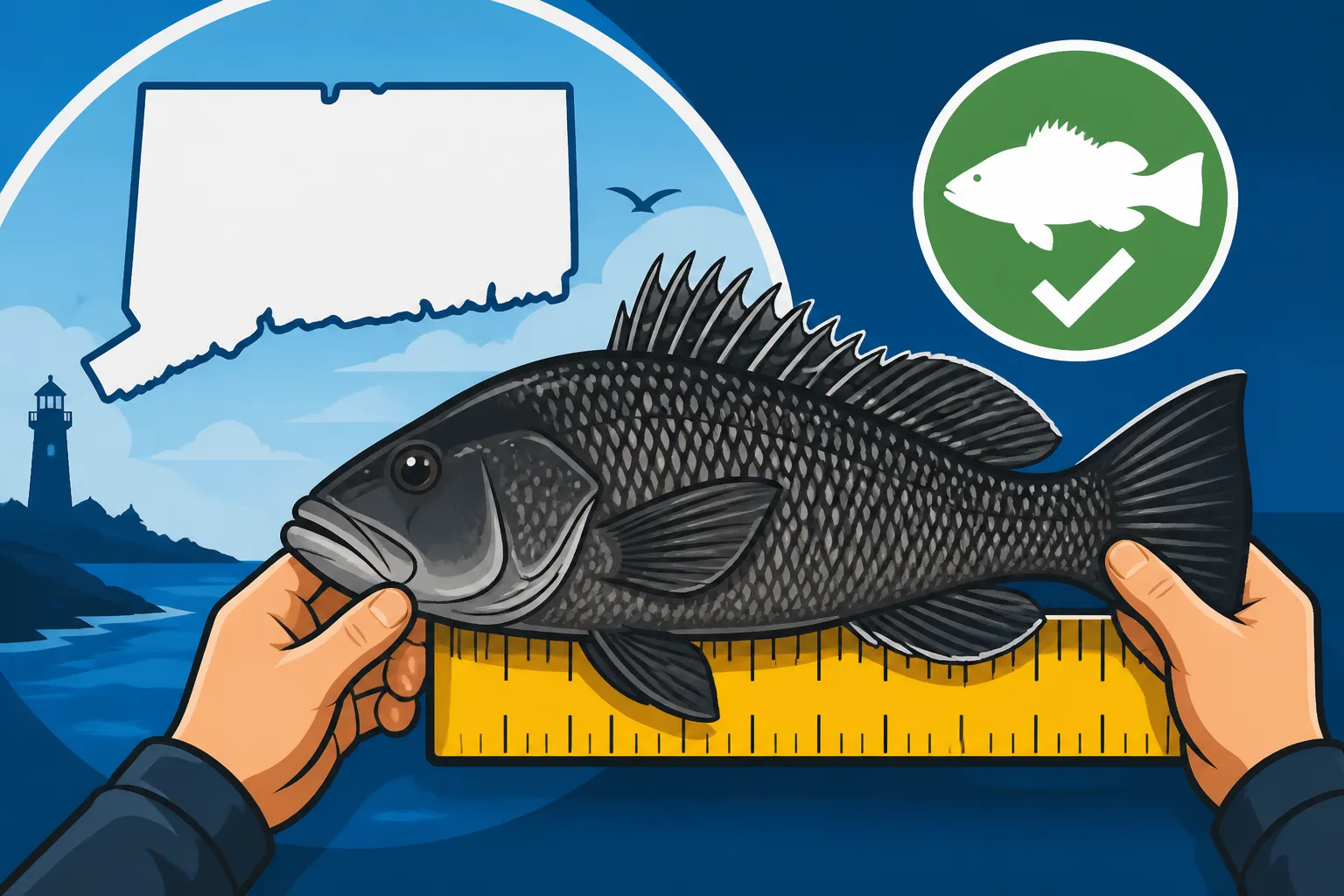
To accurately measure your blackfish, you'll need a reliable measuring device. A standard tape measure can work, but a rigid bump board or a specialized fish ruler is often better. These tools have a fixed end where the fish's snout can rest, ensuring you get an accurate measurement to the tip of its tail. Many reputable brands offer durable, saltwater-resistant bump boards that are clearly marked, making on-the-water measurements much easier. You can find excellent options on platforms like Amazon, from brands like Sea Striker or Ego S2.
Here's how to measure accurately:
- Lay the fish flat: Gently place the blackfish on its side on your measuring device.
- Snout to tail: Ensure the tip of the fish's snout is against the fixed end (the "bump") of the ruler or measuring board.
- Compress the tail: Lightly compress the tail fin so that the two lobes meet, giving you the longest possible measurement.
- Read the mark: Read the measurement at the very end of the compressed tail.
It's a good practice to measure twice if you're unsure. If there's any doubt at all, err on the side of caution and release the fish. Remember, a quick and accurate measurement is essential. You want to minimize the time the fish is out of the water, especially if it's going to be released. This quick handling is also vital when learning Best Techniques for Blackfish Around Structure, as you'll often be fishing in areas with multiple hook-ups.
Best Practices for Catch and Release
Let's face it, sometimes you'll catch a blackfish that's just a hair under the 16-inch minimum, or perhaps you've already met your daily limit. In these cases, catch and release is your best friend. But simply tossing the fish back isn't enough; proper handling dramatically increases its chances of survival.
- Minimize handling time: The less time a fish spends out of the water, the better. Have your measuring device and dehooking tools ready.
- Wet hands: If you must touch the fish, wet your hands first. Dry hands can remove the protective slime coat, making the fish susceptible to disease.
- Support the fish: Support the blackfish horizontally. Avoid holding it vertically by the jaw or tail, especially larger fish, as this can damage internal organs and its spine.
- Quick release: Once measured (and if undersized), quickly and gently return the fish to the water headfirst. If fishing in current, point its head into the current and allow it to swim off under its own power.
- Dehooking tools: Carry dehooking tools, especially if you're using circle hooks (which are highly recommended for blackfish as they often hook in the jaw, making for easier removal). A good pair of long-nosed pliers or a dedicated dehooker can make a world of difference. You can find robust, saltwater-grade dehookers on Amazon that will be an invaluable addition to your tackle box.
Practicing careful catch and release for undersized fish is a cornerstone of responsible angling and directly supports the conservation goals of length limits. It's a small effort on your part that yields big results for the fishery.
Consequences of Not Adhering to Regulations
Ignoring fishing regulations, particularly length limits, isn't just frowned upon; it carries serious legal repercussions. The Connecticut DEEP takes conservation seriously, and their enforcement division, the Environmental Conservation Police (EnCon Police), is out there protecting our natural resources. A violation isn't just a slap on the wrist; it can impact your ability to fish in the future and hit your wallet hard.
Penalties for Undersized Fish and Over-Limits
If an EnCon Police officer finds you in possession of undersized blackfish, or if you've exceeded the daily creel limit, you could be facing fines, seizure of your catch, and even confiscation of your fishing gear. The exact penalties can vary depending on the severity of the offense, your history of violations, and the discretion of the enforcing officer and the courts. However, common penalties include:
- Fines: These can range from hundreds to thousands of dollars per violation. Each undersized fish or over-limit fish could potentially be a separate violation.
- License Suspension/Revocation: Repeat offenses, or even a single serious offense, could lead to the suspension or permanent revocation of your fishing license. This means no fishing for you in Connecticut waters.
- Forfeiture: Your catch will certainly be confiscated, but in some cases, boats, rods, reels, and other fishing equipment used in the commission of the violation could also be seized.
- Criminal Charges: While less common for a first-time, minor length limit violation, severe or repeated offenses can lead to criminal charges, which carry even more significant penalties and a criminal record.
It's a stark reminder that these aren't just suggestions; they are laws. Being ignorant of the law is generally not considered a valid defense. That's why taking the time to understand things like the Connecticut Fishing License Guide for 2026 and every regulation associated with it is so crucial. Don't risk a memorable day on the water turning into a costly legal headache.
The Broader Impact on the Fishery and Angling Community
Beyond the personal penalties, not adhering to length limits has a detrimental effect on the entire blackfish fishery and the angling community. Every undersized fish kept is a potential breeder removed from the population, directly undermining the conservation efforts designed to keep the fishery healthy. This depletion can lead to:
- Fewer fish for everyone: If too many small fish are kept, there will naturally be fewer larger, older fish available in subsequent years.
- Reduced spawning success: Removing immature fish prevents them from contributing to the reproductive cycle, impacting the overall health and sustainability of the species.
- Stricter future regulations: If regulations are consistently ignored and the fish population declines, the DEEP may be forced to impose even stricter rules, such as higher minimum length limits, lower daily limits, or even season closures, which affects all law-abiding anglers.
- Negative public perception: Violations can cast a negative light on the entire angling community, potentially leading to less public support for fishing access and conservation funding.
Responsible angling is a shared responsibility. When you follow the rules, you're not just avoiding penalties; you're actively contributing to the health and future of Connecticut's blackfish population. It's about respecting the resource and ensuring that future generations can enjoy the same fantastic fishing opportunities we have today. Always stay informed and make sure you're aware of the latest rules, especially if you're curious about Fishing Without a License in Connecticut: Penalties or any other regulatory details.
Frequently Asked Questions About Blackfish Limits
Anglers always have questions, and when it comes to regulations, clarification is key. Let's tackle some common questions about blackfish length limits and related rules that often pop up.
What if my blackfish measures exactly 16 inches?
If your blackfish measures exactly 16 inches, congratulations, it's a legal keeper! The minimum length limit means 16 inches or greater. There's no "rounding up" or "almost there" when it comes to regulations. However, if you're fishing with a group and multiple fish are caught, ensure you stay within your daily creel limit as well. Always remember that fish tend to shrink slightly out of water, so if it's exactly on the line, it might be safer to release it. An accurate, rigid measuring board, like those you can find on Amazon from brands such as Berkley or Rapala, will be your best friend in these borderline situations.
Are there different limits for charter boats or party boats?
Generally, no. The state's minimum length limit of 16 inches for blackfish applies to all recreational anglers, whether you're fishing from your own boat, from shore, or on a charter or party boat. The captain and crew of a charter boat are typically very knowledgeable about current regulations and will guide you, but ultimately, it's the individual angler's responsibility to adhere to the rules.
However, there can be slight differences in how limits are applied on party boats, especially regarding the total number of fish on board. A party boat might have a "boat limit" that reflects the sum of individual angler limits. But the individual angler still needs to ensure their own catch adheres to the personal daily creel limit and all minimum length requirements. If you're considering booking a trip, it's always smart to ask the charter captain about their specific procedures and how they handle regulations, especially if you're looking into How to Choose a Connecticut Fishing Charter.
How do blackfish regulations compare to other states?
Blackfish (tautog) regulations can vary significantly from state to state, even among those along the Atlantic coast. For example, a neighboring state like Rhode Island or New York might have a different minimum length limit, different creel limits, or different seasonal closures. This is why it is absolutely critical to check the specific regulations for the state you are fishing in.
You cannot assume that Connecticut's 16-inch minimum length limit for blackfish applies everywhere else. Anglers who cross state lines, especially in waters like Long Island Sound which borders New York, must be aware of the specific rules for the waters they are in. Ignorance of another state's laws is not a defense. Always consult the official fisheries department websites for the state you plan to fish to ensure compliance. This distinction between regulations is part of the challenge and appeal of Blackfish (Tautog) Fishing in Connecticut and the surrounding region.
| Regulation Aspect | Connecticut Blackfish (Tautog) Current Rules |
|---|---|
| Minimum Length Limit | 16 inches |
| Measurement Method | Tip of snout to end of compressed tail |
| Daily Creel Limit | Varies by season (e.g., 1-5 fish) |
| Seasonal Closures | Specific periods (e.g., summer/winter) |
| Gear Restrictions | Check for specific hook types (e.g., circle hooks recommended) |
| Why the Limit? | Conservation, allowing fish to reproduce |
| Penalty for Violation | Fines, license suspension, gear forfeiture |
Disclaimer
The information provided in this guide is intended for general informational purposes only and is based on current understanding of Connecticut's blackfish regulations. Fishing regulations, including minimum length limits, daily creel limits, and seasonal dates, are subject to change by the Connecticut Department of Energy and Environmental Protection (DEEP) at any time. It is the sole responsibility of every angler to consult the most current official Connecticut DEEP fishing regulations prior to engaging in any fishing activity. Always prioritize safety and conservation on the water.