Connecticut trout possession limit
You've spent hours planning your fishing trip, maybe even landed a few beautiful Connecticut trout. But then that nagging question hits: "How many am I actually allowed to keep?" It's a common stressor for anglers, and the rules around Connecticut's trout possession limits can feel like a labyrinth if you don't know exactly where to look. This guide is here to clear up the confusion, providing a comprehensive look at what you need to know to stay compliant and enjoy your time on the water.
Understanding the Core Trout Possession Limits
When we talk about trout possession limits in Connecticut, we're essentially referring to the maximum number of trout you can have on your person, in your cooler, or in your vehicle at any given time, particularly during a single day of fishing. While the official term often used by the Connecticut Department of Energy and Environmental Protection (DEEP) is "daily creel limit," for most recreational anglers on a single outing, this daily creel limit functions as your possession limit. It's not about how many you could catch and release, but how many you can legally harvest and retain. Overlooking these details can lead to fines, so understanding the basics is paramount.
The General Statewide Regulation for Trout
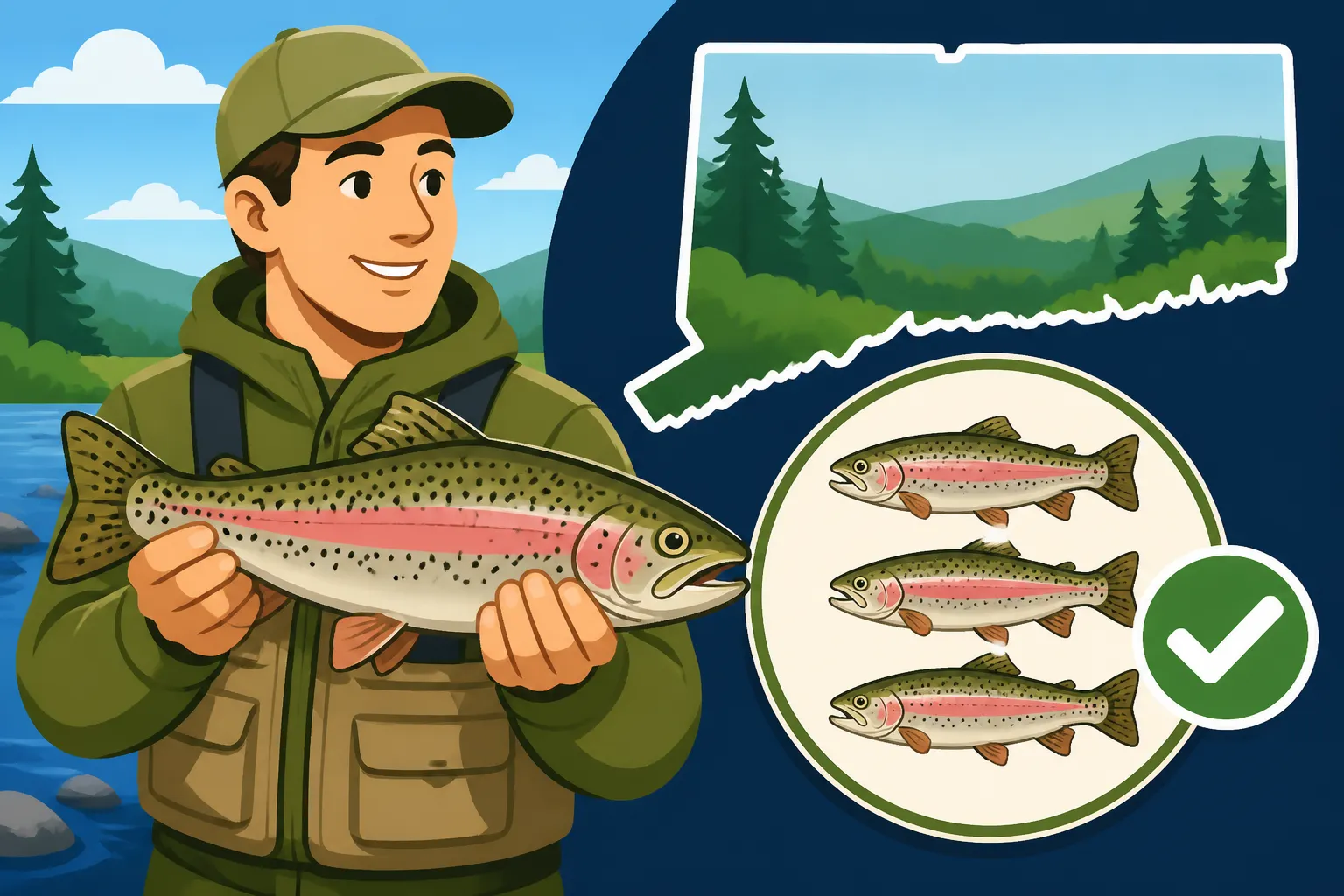
For the vast majority of Connecticut's rivers, streams, and lakes that are open to trout fishing and not designated as special regulation areas, there's a pretty straightforward statewide daily creel limit. Generally, you're allowed to keep 5 trout per day, and these trout must meet a minimum length requirement of 9 inches. This is the standard rule of thumb that most anglers learn first, and it applies to countless ponds, lakes, and stretches of rivers across the state. It's the limit you'll typically follow when visiting a standard stocked pond in a state park or a general section of a larger river like the Naugatuck or Shetucket. However, it's critically important to remember that this "general" rule is overridden by specific regulations in designated areas, which is where things can get a bit more complex.
It’s easy to get caught up in the excitement of a productive day, especially when the trout are biting. You might be focused on your casting technique or trying out new lures from Amazon, forgetting to keep a mental tally of your catch. That’s why it’s a good habit to count and measure each fish immediately upon deciding to keep it. This proactive approach helps prevent accidental over-harvesting, ensuring you adhere to the 5-trout, 9-inch minimum rule for general waters.
Why These Limits Are So Important
Trout possession limits aren't just arbitrary rules designed to make your life harder; they are fundamental to effective fisheries management and conservation efforts. These limits serve several crucial purposes, primarily to ensure the sustainability of Connecticut's trout populations, both wild and stocked. Without them, it would be all too easy for a small number of anglers to deplete a fishery, especially in smaller streams or ponds that receive heavy fishing pressure. By setting a cap on how many fish can be removed, the DEEP helps to distribute the harvest more equitably among all anglers and ensures that enough fish remain to provide continued angling opportunities throughout the season.
Furthermore, limits help protect the genetic integrity of wild trout strains and allow stocked fish to contribute to the ecosystem. They also play a role in managing the overall biomass in a given water body, preventing overpopulation in some cases or ensuring adequate spawning stock in others. When anglers respect these limits, they are actively participating in the long-term health and enjoyment of Connecticut's fishing resources. It's about preserving a cherished pastime for future generations and maintaining a healthy balance in our aquatic environments.
Navigating Special Regulation Waters and Their Rules
While the general statewide limit is a good starting point, Connecticut is home to a diverse array of water bodies, many of which have very specific and often more restrictive trout regulations. These special regulation areas are typically managed to create unique fishing experiences, protect sensitive wild populations, or enhance the trophy potential of certain stretches of water. Ignoring these localized rules is a common mistake and can lead to penalties, so knowing how to identify and understand them is crucial.
Trout Management Areas (TMAs)
Trout Management Areas, or TMAs, are some of the most popular and often most productive trout fishing spots in Connecticut. These areas are specifically designated and heavily stocked by the DEEP to provide exceptional trout fishing, often with enhanced regulations. You'll find TMAs on prominent rivers like the Farmington River West Branch Trout Fishing and portions of the Housatonic River.
The regulations within TMAs are generally stricter than the statewide limit. While they can vary, a common TMA regulation allows for a daily creel limit of 2 trout, and these fish must typically be between 12 and 16 inches in length. This "slot limit" is designed to protect larger, breeding-size fish and ensure a healthy population structure. For example, if you catch a 17-inch trout in a TMA with this rule, you must release it. Conversely, if you catch a 10-inch trout, you must also release it because it falls outside the legal slot. This means you need to be very precise with your measurements and understanding of the specific TMA rules.
It's highly advisable to consult the official Connecticut Trout Management Area Regulations or the annual Reading the Connecticut Fishing Guide before heading out to a TMA, as rules can differ slightly from one location to another or be updated seasonally. Always double-check the signs posted at access points to confirm the current regulations for that specific stretch of water.
Wild Trout Management Areas (WTMAs) and Catch-and-Release Only Waters
For anglers who prioritize the challenge of pursuing wild, naturally reproducing trout and are committed to conservation, Connecticut offers Wild Trout Management Areas (WTMAs) and designated catch-and-release only waters. These areas are typically smaller streams or sections of rivers that support robust populations of native brook trout or wild brown trout. The goal here is to protect these delicate ecosystems and ensure the continued existence of wild trout populations without the pressure of harvest.
In WTMAs and catch-and-release only sections, the rule is simple and absolute: no trout may be kept. All trout caught must be immediately and carefully released back into the water. This means you should be using appropriate catch-and-release techniques, such as barbless hooks, knotless nets, and minimizing the fish's time out of water. Examples of such areas include specific sections of the Salmon River and other smaller tributaries known for their native brook trout populations.
While the absence of a possession limit might seem easier, it places a greater responsibility on the angler to practice ethical angling and minimize stress on the fish. You can find out more about these special conservation areas by checking the Connecticut Catch and Release Fly Fishing Only Waters guidelines in the official regulations. It's a different kind of reward, focusing on the thrill of the catch and the beauty of these wild fish rather than the harvest.
Trophy Trout Streams and Other Specialized Regulations
Beyond TMAs and WTMAs, Connecticut also manages certain waters as "Trophy Trout Streams" or applies other highly specific regulations to achieve particular management goals. These areas are often designed to grow exceptionally large trout, providing opportunities for anglers to target true lunkers. One prominent example is the Connecticut Farmington River Trophy Trout Stream Rules, where the objective is to cultivate larger fish.
Regulations in these areas can be even more nuanced. For instance, a Trophy Trout Stream might have a very low daily creel limit, perhaps just 1 trout per day, with an even higher minimum size requirement, such as 18 inches. The idea is to allow many fish to grow to a substantial size before they can be harvested, providing a chance for anglers to hook into a truly memorable fish.
It's also worth noting that some waters may have unique regulations based on species, time of year, or even specific gear restrictions (e.g., fly fishing only). For example, some ponds might have a higher daily limit for trout during the initial spring stocking period, only to revert to a more restrictive limit later in the season. The annual Connecticut Fishing Regulations Explained guide is your best friend here, as it details all these specific variations. Always review the guide for the exact water body you plan to fish, as assuming the general rule could lead to unintended violations.
Connecticut Trout Possession Limits at a Glance
To help clarify the various regulations, here's a general overview. Always remember to consult the most current DEEP Angler's Guide for precise, up-to-date information, as rules can change.
| Water Body Type | Daily Creel/Possession Limit | Minimum Size (Inches) | Special Conditions |
|---|---|---|---|
| General Open Waters (Lakes, Ponds, Rivers) | 5 trout | 9 inches | Standard rule for most undesignated waters. |
| Trout Management Areas (TMAs) | 2 trout | 12-16 inch slot | Protects larger fish, popular stocked rivers. |
| Wild Trout Management Areas (WTMAs) | 0 (Catch & Release Only) | N/A | Protects native, self-sustaining populations. |
| Trophy Trout Streams | 1 trout | 18 inches | Varies; aims for large fish, example given. |
| Fly Fishing Only Waters | 0 (Catch & Release Only) | N/A | Focus on sport, specific gear rules may apply. |
| Winter Trout Season | 1 trout | 12 inches | Applies to specific designated waters (Dec 1 – Mar 31). |
This table provides a snapshot, but local signage and the official DEEP guide are the definitive sources for any specific location.
Practical Tips for Adhering to Limits and Responsible Angling
Navigating Connecticut's trout possession limits doesn't have to be a headache. With a few simple habits and tools, you can easily stay within the rules, ensuring a stress-free and enjoyable fishing experience. Being prepared and mindful on the water not only keeps you compliant but also reinforces responsible angling practices that benefit everyone.
Always Check the Current Regulations
This cannot be stressed enough: always, always check the current Connecticut Angler's Guide before you head out. Regulations are updated annually, and sometimes even within a season, so what was true last year might not be true today. You can find the guide online on the DEEP website, and it's free. It's an indispensable resource that outlines everything from Connecticut Fishing License Guide for 2026 requirements to specific species limits and designated special regulation areas. Keep a digital copy on your phone or tablet; the DEEP provides excellent, easy-to-read PDFs. For those who prefer a physical copy, many license vendors will have them available, or you can print sections that are relevant to your planned outing.
A quick review of the specific section for your chosen fishing spot can save you from an accidental violation. For instance, if you're planning a trip to a spot that might be a TMA, you'll want to specifically look up "Connecticut Trout Management Area Regulations" to ensure you're aware of any slot limits or reduced daily creels. This small investment of time upfront will prevent a lot of potential headaches later.
Measuring, Counting, and Storing Your Catch Properly
Once you've decided to harvest a trout, the next step is to accurately measure it to ensure it meets any minimum or slot size requirements. This is where a simple, waterproof measuring tape becomes your best friend. You can pick up a good quality, floating measuring tape from Amazon for just a few dollars. Lay the fish flat on the tape, ensuring the mouth is closed against the zero mark and measure to the tip of the tail. If it doesn't meet the legal length or falls outside a slot, it must be released immediately and carefully.
As for counting, it's easy to lose track, especially if you're catching and releasing many fish before deciding to keep a few. A simple trick is to immediately put any kept fish into your cooler or on a stringer. Having a visual count makes it much harder to accidentally exceed your daily limit. For those who fish multiple species or have specific weight limits, a small, portable digital scale, also readily available on Amazon, can be invaluable.
When storing your catch, ensure they are kept separate from other anglers' fish if you're in a group, especially if different people have different license types or are fishing under varying regulations (e.g., youth anglers or those with Connecticut Youth Fishing Passport, Explained). Keeping fish fresh and legally separated helps prevent any confusion with environmental conservation officers.
Understanding Your License and Stamps
While possession limits are about how many fish you can keep, your ability to legally fish for trout in the first place hinges on having the correct license and stamps. In Connecticut, if you're 16 years of age or older, you generally need a valid fishing license. For most trout fishing, particularly in inland waters, an Inland Fishing license will suffice. However, if you plan to keep trout from any of the state's trout-stocked waters or trout management areas, you'll also need to purchase an Inland Trout and Salmon Stamp. This stamp is an additional endorsement on your license and helps fund the DEEP's robust trout stocking program.
It's a common oversight to have a fishing license but forget the stamp, which can lead to similar penalties as fishing without a license. Make sure to understand the specific requirements for your situation. You can find detailed information on the costs and types of licenses, including the Connecticut Trout and Salmon Stamp, Explained, on the DEEP website or at any license vendor. Don't forget that having your license on you is also a requirement, whether it's a physical copy or a digital one accessible on your phone, as detailed in Printing or Carrying a Digital Fishing License in Connecticut.
Consequences of Exceeding Trout Possession Limits
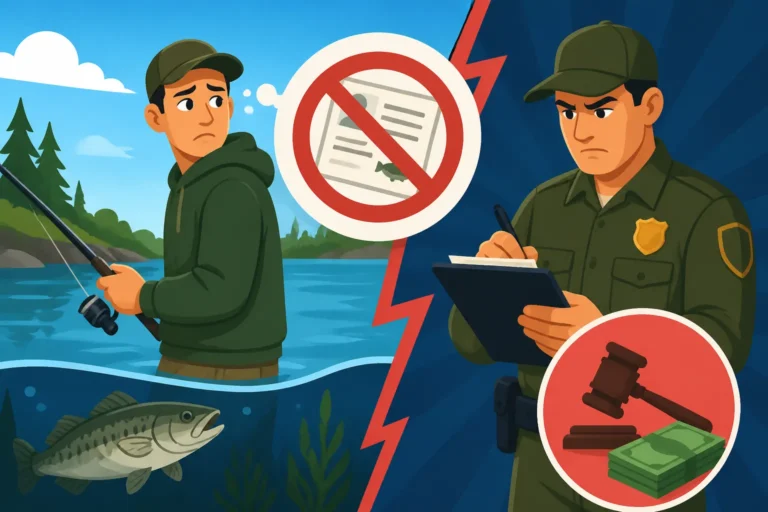
Accidentally or intentionally exceeding the legal trout possession limits in Connecticut is not just a minor infraction; it carries real consequences. Environmental Conservation Police Officers (EnCon Police) regularly patrol fishing areas, especially during peak seasons like the Connecticut Spring Fishing Day and Opening Day Rules, and they are well-versed in the regulations. Their job is to protect the resource, and they take violations seriously.
Penalties for Over-Harvesting
If you are found to be in possession of more trout than the legal limit for the water you are fishing, you could face significant penalties. These can include:
- Fines: Fines for exceeding creel limits can be substantial, often ranging from hundreds to thousands of dollars, depending on the severity of the violation (e.g., how many fish over the limit, repeat offenses). These fines are designed to be a deterrent and reflect the importance of conservation.
- Confiscation of Equipment: In some cases, EnCon Police have the authority to confiscate fishing equipment, including rods, reels, and even your cooler or boat, used in the commission of the violation.
- License Suspension or Revocation: Your Connecticut fishing license, and potentially your hunting license as well, could be suspended for a period or even permanently revoked. This means you would be legally prohibited from participating in these activities.
- Public Record: A conviction for a fishing violation becomes part of your public record.
- Community Service or Other Sanctions: Depending on the specific circumstances and the discretion of the courts, additional sanctions like community service might be imposed.
It's important to understand that ignorance of the law is generally not a valid defense. That's why taking the time to review the Connecticut Fishing Regulations Explained and carrying a copy of the regulations, or at least knowing where to access them digitally, is so vital. These penalties are not meant to be punitive for the sake of it, but rather to protect the very resource that anglers cherish. You can learn more about general penalties for fishing violations, including exceeding limits, by reading our guide on Fishing Without a License in Connecticut: Penalties.
The Role of Ethical Angling
Beyond the legal ramifications, exceeding possession limits goes against the core principles of ethical angling and responsible stewardship of natural resources. As anglers, we have a collective responsibility to protect the environments we enjoy and the fish we pursue. Over-harvesting not only depletes the immediate resource but can also damage the reputation of the angling community as a whole.
Ethical angling involves making conscious decisions to respect limits, practice proper catch-and-release techniques when not harvesting, and understand the impact of your actions on the ecosystem. It means sharing the resource fairly with other anglers and recognizing that the joy of fishing comes not just from the number of fish caught or kept, but from the entire experience of being outdoors and connecting with nature.
The DEEP's trout stocking program, which you can explore through the Connecticut Interactive Trout Stocking Map, Explained, is a massive effort to provide opportunities, but it relies on anglers doing their part to manage the harvest. By adhering to possession limits, you contribute directly to the health of Connecticut's fisheries and help ensure that vibrant trout populations continue to thrive for years to come in places like the Best Trout Streams in Connecticut.
Disclaimer
The information provided in this guide is intended for general informational purposes only and is subject to change. While we strive to provide accurate and up-to-date information, fishing regulations in Connecticut are complex and can vary significantly by location and season. It is the angler's sole responsibility to consult the most current official Connecticut Department of Energy and Environmental Protection (DEEP) Angler's Guide and any specific local postings before fishing. Failure to do so may result in penalties.