Connecticut daily trout limit
It can be incredibly frustrating to head out for a peaceful day of trout fishing in Connecticut, only to feel a knot of anxiety about whether you're following all the rules. With so many beautiful streams, rivers, and ponds, knowing the exact daily trout limit and how it might change from one spot to another is essential. This guide is here to clear up that confusion, diving deep into Connecticut's daily trout limits, possession rules, and how to confidently understand the regulations for your favorite fishing spots.
Understanding the Standard Connecticut Daily Trout Limit
When you think about fishing regulations, the "daily limit" is often the first thing that comes to mind. It's the number of fish of a particular species you're allowed to keep in a single calendar day. In Connecticut, for most of our fantastic trout waters, there's a pretty straightforward statewide rule, but it’s crucial to know when and where it applies.
The General Statewide Rule for Trout
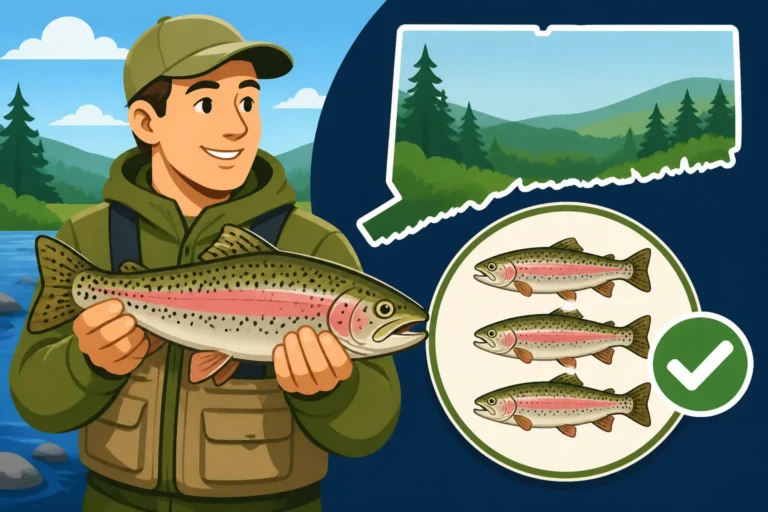
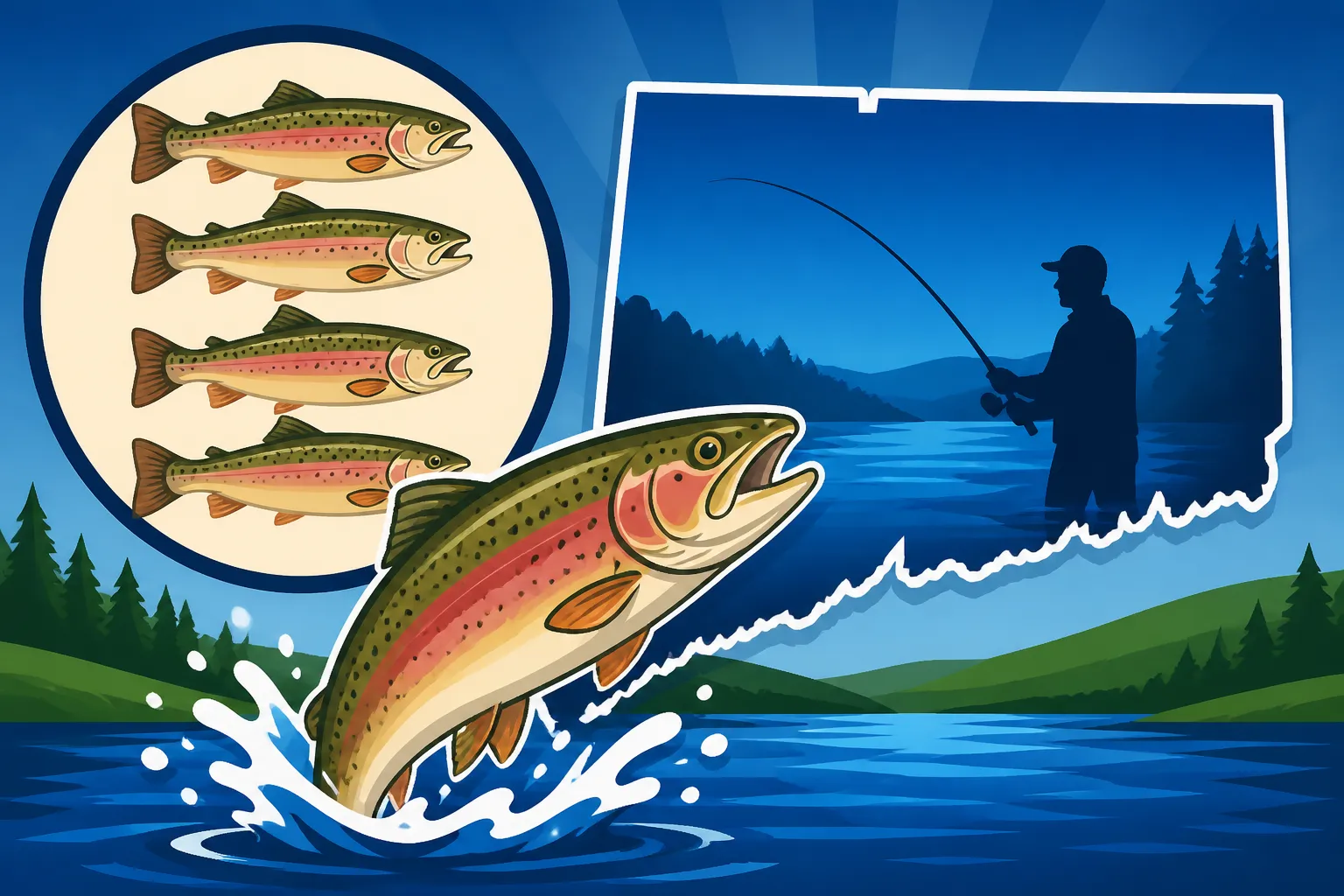
For the vast majority of Connecticut's rivers, streams, and lakes that don't have special regulations, the standard daily creel limit for trout is 5 fish. This applies to all three of our commonly found trout species: brook trout, brown trout, and rainbow trout. So, whether you're catching beautiful native brookies from a small stream, battling a feisty brown in a larger river, or reeling in a freshly stocked rainbow from a local pond, you can keep a combined total of five.
Imagine you're fishing a lovely stretch of the Salmon River that isn't under any special management. You catch two plump rainbow trout, one wild brook trout, and two robust brown trout. That's five fish, and you've met your daily limit. At that point, any further trout you catch must be immediately released, unharmed, back into the water. It’s not about how many of each species you catch, but the total number of trout you retain across all species. This general rule provides a baseline for anglers, making it easier to enjoy a day on the water without getting bogged down in overly complex species-specific counts, unless you're in a special area.
Trout Seasons and Catch-and-Keep Opening Day
The daily limit of 5 trout generally applies during the open catch-and-keep season. For many anglers, the official "Opening Day" of trout season in Connecticut is practically a holiday, signaling the start of prime catch-and-keep opportunities. Typically, this falls on the second Saturday in April. Before this date, many waters are either closed to fishing or are restricted to catch-and-release only, preparing for the influx of freshly stocked fish. You can find detailed information on these timings in our comprehensive guide on Connecticut Trout Season and Stocking Rules.
Once opening day hits, and throughout the spring, summer, and fall, the 5-fish daily limit is in effect for most general regulation areas. This means that if you're out there enjoying the crisp spring air or the warm summer sun, that limit is your guideline. It’s important to remember that this "season" usually runs through the end of February the following year, though the best trout fishing often occurs earlier in the year. Always double-check the current Angler's Guide, which you can often purchase at bait and tackle shops or find online, to confirm the precise dates for any given year, as they can sometimes shift slightly.
How Trout Limits Change with Special Regulations
While the standard 5-fish limit is a good starting point, Connecticut is home to a fantastic array of waters with highly specific regulations designed to manage fisheries for different purposes – be it trophy fish, wild trout, or simply catch-and-release opportunities. Ignoring these can land you in hot water, so it's critical to know when and where the rules differ.
Trout Management Areas and Catch-and-Release Zones
Connecticut's Trout Management Areas (TMAs) are renowned for providing exceptional trout fishing experiences, but they come with their own set of rules. These areas are specifically designated by the Connecticut DEEP to offer high-quality angling, often through intensive stocking or by protecting wild populations. Within TMAs, the daily trout limit is frequently much lower than the statewide 5-fish rule, or it might be a strict catch-and-release policy.
For example, many TMAs will have a daily limit of 1 or 2 trout, often with a minimum length requirement, such as 12 inches. Other sections, particularly those managed for wild trout or intense angling pressure, might be designated as "Catch and Release Only." In these waters, you literally cannot keep any trout, regardless of size or species. The goal is to maximize the angling experience by ensuring fish are available for everyone to catch and release multiple times. Places like sections of the West Branch of the Farmington River or the Housatonic River are famous for their TMA rules. Understanding these nuances is key, and our guide on Connecticut Trout Management Area Regulations delves deeper into these specific zones. Similarly, for those who prefer to release all their fish, learning about Connecticut Catch and Release Fly Fishing Only Waters can point you to prime spots. It's not uncommon for anglers to carry a compact copy of the regulations, or even a digital one on their phone, to reference specific sections of a river or pond. Many anglers even mark their maps or apps with these distinctions.
Trophy Trout Streams and Broodstock Salmon Waters
Beyond the typical TMAs, Connecticut also manages certain waters specifically for "trophy" sized trout or for broodstock salmon. These areas often have unique rules that focus on protecting larger, older fish or managing spawning populations. For instance, some designated trophy trout streams might have a daily limit of 1 trout, with a much higher minimum length, such as 16 or 18 inches. The idea here is to give these fish time to grow to impressive sizes, offering anglers a chance at a true lunker.
A prime example is parts of the Farmington River, particularly the West Branch. While certain sections are catch-and-release, others might allow a single large fish to be kept under very specific conditions. These specialized regulations contribute to the river's reputation as a premier trout fishery. Similarly, in waters where Atlantic salmon broodstock are stocked (often in the fall), there might be a specific daily limit and season for these large, hard-fighting fish that differs entirely from the standard trout limits. Before heading out to a well-known "trophy" spot or a salmon-stocked river, make sure to consult the specific rules for that waterbody. Our guide on Connecticut Farmington River Trophy Trout Stream Rules can give you an excellent overview of what to expect in those areas.
Unique Local Pond or Lake Regulations
It’s not just the big-name rivers that have special rules. Many smaller, local ponds, lakes, and even municipal reservoirs across Connecticut can have their own unique fishing regulations, including specific daily trout limits. These regulations are often put in place by the DEEP in cooperation with local authorities to manage angler pressure, protect specific stockings, or address unique ecological conditions.
For instance, a small, heavily stocked pond in a state park might have a lower daily limit, like 3 trout, to spread the catch among more anglers throughout the season. Or, a pond might have a "no kill" season for a period after a major stocking event to allow fish to acclimate. These hyper-local rules are typically posted on signage at the boat launch or access points, but the most reliable source is always the official Connecticut Angler's Guide. Always make it a habit to look for signs at your fishing destination, especially if it’s a body of water you don’t frequent. A quick look at the "Special Regulation Waters in Connecticut" section of the Angler's Guide is a must-do before your trip. This ensures you're not caught off guard by a rule that differs from the general statewide limit.
| Regulation Type | Daily Trout Limit (Combined Species) | Common Minimum Length | Notes |
|---|---|---|---|
| Standard Statewide Waters | 5 | None | Applies to most rivers, streams, and lakes without special rules. |
| Trout Management Areas (TMAs) | 1 or 2 (or 0) | 9" – 16" (often 12") | Highly variable; check specific TMA rules. Many are Catch & Release Only. |
| Trophy Trout Streams | 1 | 16" – 18" | Designed to grow large fish; specific to designated sections. |
| Broodstock Salmon Waters | 1 (often with specific season) | 15" | Applies to stocked Atlantic salmon, separate from trout. |
| Youth Fishing Ponds/Parks | Varies (often 2-3) | Varies | Localized rules for youth-focused fishing opportunities. |
Beyond the Daily Catch: Possession Limits and Transport
Understanding the daily limit is just one part of the equation. Many anglers overlook the distinction between a daily limit and a possession limit, which can lead to inadvertent violations. It's crucial to know what you can legally have on you, in your vehicle, or at your home.
Distinguishing Daily Limit from Possession Limit
The daily limit, as we've discussed, is the number of fish you can legally harvest in a single calendar day. It resets at midnight. The possession limit, however, refers to the total number of fish of a particular species that an individual can have in their possession at any given time, regardless of when they were caught. For trout in Connecticut, the possession limit is generally the same as the daily limit: 5 trout in general regulation waters, or the specific daily limit for special regulation areas.
Let's illustrate with an example: You go fishing on a Monday and catch your daily limit of 5 trout from a general regulation area. You bring them home and put them in your freezer. If you decide to go fishing again on Tuesday, you can catch and keep another 5 trout. However, if you still have those first 5 trout in your cooler in your car while you're out fishing on Tuesday, you are potentially exceeding your possession limit if you keep more fish. The intent is to prevent anglers from stockpiling large quantities of fish over multiple days without proper documentation or commercial licenses. Most typically, your possession limit is effectively your daily limit for the most recent trip, plus any legally taken fish already stored at your permanent residence. It’s a good habit to process your catch promptly once you return home. For more clarity on this, our guide on Connecticut Trout Limit and Possession Rules is an excellent resource.
Transporting Your Catch Legally
When you've had a successful day on the water and are ready to head home with your delicious trout, there are a few important considerations for legal transport. First and foremost, you must ensure that your catch can be counted and identified by a Conservation Officer if you are stopped. This generally means keeping the fish whole or mostly intact until you reach your permanent residence. Filleting fish on the water or at a boat launch can make it impossible for an officer to verify the species or measure the fish against potential length limits, which is a big no-no.
While you don't necessarily need to keep them alive, they should be in a state where their species is unmistakable and, if applicable, their length can be measured. Transporting more than your legal possession limit could lead to fines and other penalties. This applies whether you're driving them home, carrying them on a hiking trail, or transporting them by boat. Always think about how your catch would look to an enforcement officer – easy to count, easy to identify, and clearly within the legal limits for the waters you fished. Many anglers keep a cooler specifically for their catch to keep fish fresh and contained during transport.
Navigating the Official Sources for Trout Regulations
The world of fishing regulations can seem daunting, but thankfully, Connecticut provides clear and comprehensive resources. Relying on accurate, up-to-date information is the best way to avoid any missteps and truly enjoy your time on the water.
The Connecticut Angler's Guide: Your Best Friend
Without a doubt, the single most important resource for any angler in Connecticut is the Connecticut Angler's Guide. This publication, produced annually by the Connecticut Department of Energy and Environmental Protection (DEEP), is the definitive source for all fishing regulations, including trout limits, season dates, length requirements, and special area rules. It's truly your fishing Bible!
You can pick up a physical copy for free at most bait and tackle shops, town halls, DEEP offices, or wherever fishing licenses are sold. For those who prefer digital access, a PDF version is always available for free download on the official CT DEEP website. I always recommend having a copy, whether physical or on your phone, to quickly reference when you're planning a trip or even while you're out on the water. This guide breaks down regulations by species, waterbody, and season, making it easy to find what you need. While you might find older versions available through third-party sellers on platforms like Amazon, always ensure you're referencing the current year's guide, as regulations can change annually. Our guide on Reading the Connecticut Fishing Guide provides a detailed walkthrough of how to best utilize this essential document.
Checking Specific Waterbody Rules and Online Resources
Beyond the general Angler's Guide, the CT DEEP website is a treasure trove of information. The website offers detailed sections dedicated to specific waterbodies, often providing even more granular information than can fit into the printed guide. This is especially true for popular destinations or those with complex special regulations. For instance, if you're planning a trip to the Housatonic River or Candlewood Lake, checking the DEEP website for those specific locations can reveal critical details about the daily limits or other restrictions.
The CT DEEP also provides interactive tools, such as the Connecticut Interactive Trout Stocking Map, Explained, which not only shows where trout have been stocked but often links directly to the regulations for those specific waters. It's a fantastic tool for planning your adventures and ensuring you're aware of any localized rules that might affect your daily trout limit. Remember, regulations are dynamic; they can be updated due to environmental changes, fish population studies, or management goals. Making it a habit to check the most current online resources before each fishing season, or even before heading to a new spot, is a smart move for any responsible angler.
When in Doubt: Ask a Warden or Bait Shop Owner
Even with all the resources available, sometimes a regulation might seem unclear, or you might encounter a situation not explicitly covered. In these instances, don't hesitate to seek clarification. The best course of action is to contact the Connecticut DEEP directly. You can find their contact information, including phone numbers for the Fisheries Division or Conservation Enforcement, within the Angler's Guide or on their website. They are there to help anglers understand and comply with the rules, not just to enforce them.
Local bait and tackle shop owners are also invaluable resources. These folks are often avid anglers themselves, deeply familiar with the local waters and their specific rules. They hear questions from dozens of anglers every day and can provide practical, on-the-ground advice. Just ensure you're asking about the current year's regulations, as information can become outdated quickly. A quick chat with a knowledgeable local can save you a lot of worry and ensure your fishing trip is both enjoyable and compliant.
Disclaimer
Please remember that fishing regulations, including daily trout limits, can change annually. This guide provides general information based on typical Connecticut regulations. Always consult the most current official Connecticut Angler's Guide published by the Connecticut Department of Energy and Environmental Protection (DEEP) or their official website before you go fishing to ensure you have the most up-to-date and accurate information for your specific fishing location and time of year.