Connecticut winter flounder regulations
There's nothing quite like a peaceful day of bottom fishing, hoping for that tell-tale tug from a delicious winter flounder. But let's be honest, trying to keep up with all the ever-changing fishing regulations in Connecticut can feel like a whole separate challenge, especially when it comes to species like winter flounder that have seen their share of ups and downs. This comprehensive guide is here to untangle the complexities, offering you clear, realistic insights into Connecticut's winter flounder rules so you can enjoy your time on the water without worry.
Understanding Connecticut's Winter Flounder Regulations
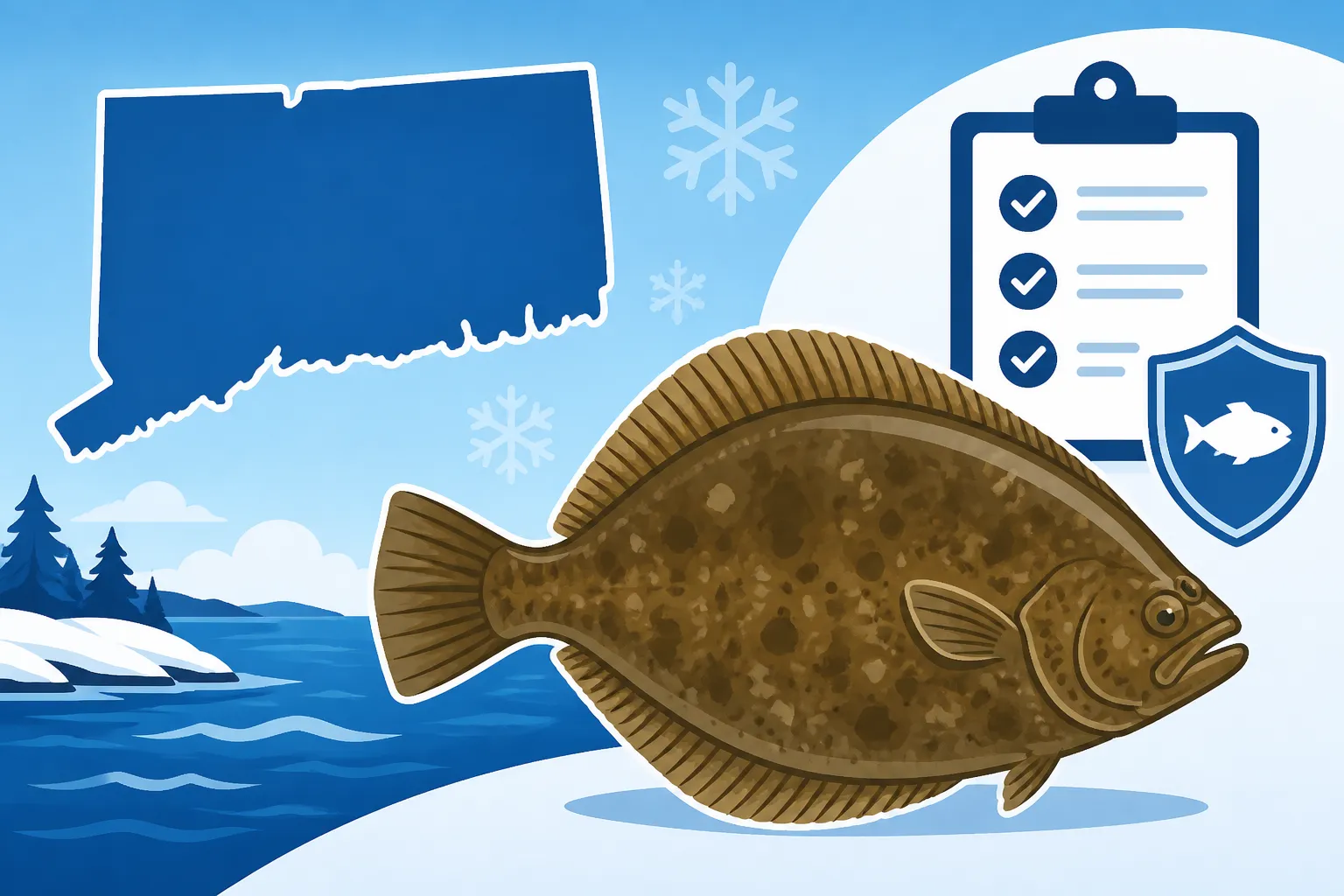
Winter flounder, often affectionately called "blackbacks" or "lemon soles," are a beloved target for many Connecticut anglers. Their delicate flavor and relatively accessible habitat make them a popular choice, especially in the colder months. However, their popularity, coupled with environmental factors, has meant that managing their populations is critical, leading to specific regulations designed to protect them.
Why Winter Flounder Regulations Exist
The story of winter flounder in Long Island Sound and other New England waters is one of significant change. For decades, these flatfish were incredibly abundant, a staple for both recreational and commercial fishermen. Unfortunately, overfishing, habitat degradation, and environmental changes like rising water temperatures have led to a substantial decline in their numbers. It's a sobering reality for those of us who remember catching them in droves. Because of this, the Connecticut Department of Energy and Environmental Protection (DEEP), along with federal agencies, has implemented strict regulations to help these populations recover. These rules aren't just arbitrary; they're based on scientific data, aiming to ensure that future generations can also enjoy the thrill of catching these unique fish. It's all about balancing recreational opportunities with vital conservation efforts.
Protecting species like winter flounder is a long-term commitment. Anglers play a huge role in this, not just by following the rules, but by understanding the why behind them. When you know that an undersized fish needs to grow and reproduce to contribute to the future health of the stock, it makes releasing it much more meaningful.
Key Regulatory Bodies
When it comes to managing winter flounder, you're looking at a partnership between state and federal oversight. In Connecticut, the primary authority you'll interact with is the Connecticut Department of Energy and Environmental Protection (DEEP). They are responsible for setting and enforcing the specific daily limits, size restrictions, and season dates for fishing within state waters. Their decisions are often influenced by recommendations from regional management bodies.
At a broader level, the Atlantic States Marine Fisheries Commission (ASMFC) and the New England Fishery Management Council (NEFMC) play crucial roles. These multi-state organizations work to develop coordinated management plans across the entire Atlantic coast for species that migrate or span state lines, which winter flounder certainly do. Connecticut’s DEEP then translates these regional guidelines into specific state regulations, often with some flexibility to address local conditions. This layered approach ensures that conservation efforts are consistent and effective across their entire range, rather than a patchwork of conflicting rules.
Common Misconceptions About Winter Flounder Fishing
It's easy to get tangled up in misinformation, especially with species that have seen regulation changes over the years. One common misconception is that winter flounder fishing is completely closed or simply "not worth it" anymore. While their numbers are indeed lower than historical highs, they are still present, and with proper technique and adherence to regulations, anglers can absolutely have successful outings. The challenge has shifted from catching a cooler full to appreciating each fish caught, understanding its value to the ecosystem.
Another common misunderstanding revolves around the term "winter" flounder. Many people assume you can only catch them in winter. While they are indeed more accessible in shallower waters during the colder months when they move inshore to spawn, they are present year-round in different habitats. They simply become a more focused target for anglers when water temperatures drop. Always consult the official Connecticut Fishing Regulations Explained for the most current season dates before you head out, as these can change annually based on stock assessments.
Specific Winter Flounder Regulations in Connecticut
Alright, let's dive into the nitty-gritty details of what you can and cannot do when targeting winter flounder in Connecticut waters. These are the rules that keep both the fish populations healthy and your fishing trip legal. Remember, being informed is your best defense against accidental violations, which can lead to hefty fines as outlined in our guide on Fishing Without a License in Connecticut: Penalties.
Minimum Size Limits and Catch Limits
The minimum size limit for winter flounder in Connecticut is currently 12 inches. This means that any winter flounder you catch must measure at least 12 inches from the tip of its snout to the end of its tail, with the tail compressed, before you can keep it. Measuring correctly is crucial; if it's even a fraction under, it must be immediately released unharmed. Using a reliable measuring device, perhaps a sturdy tape measure you can find on Amazon, is a must-have for any angler, especially when targeting species with strict size limits.
As for the catch limit, recreational anglers are permitted to keep two (2) winter flounder per person per day. This daily bag limit applies whether you're fishing from a boat, off a pier, or surfcasting. This limit is significantly reduced from past decades, reflecting the need for stricter conservation. It's a challenging adjustment for many, but it's a vital part of allowing the species to rebound. Always ensure you count accurately, especially if you're fishing with friends or family where multiple limits might be in play.
Open Seasons and Closures
The open season for recreational winter flounder fishing in Connecticut is a specific window that varies slightly by year but typically runs from March 1st through December 31st. This means there is a closure period during January and February. It's during this closure that winter flounder are particularly vulnerable as they aggregate in shallow waters for spawning. Respecting this closure is paramount to allowing them to reproduce successfully without disturbance from fishing pressure.
Always double-check the most up-to-date Connecticut Fishing Season Dates and Closures before planning your trip, as these dates are subject to review and potential modification by DEEP based on annual stock assessments. Even small changes can impact your fishing plans, so a quick check online can save you a lot of hassle.
Gear Restrictions and Best Practices
When it comes to gear, winter flounder are typically targeted with traditional bottom-fishing setups. There aren't many specific gear restrictions on the type of rod, reel, or line you use, but there are definitely best practices to follow to ensure you're fishing responsibly and ethically. Using appropriate tackle that minimizes harm to released fish is always encouraged. This means avoiding overly heavy gear that can make it difficult to feel the bite of smaller fish, leading to deep hooking.
Many anglers prefer light to medium-light spinning or baitcasting gear, spooled with 10-20 lb test line. A simple high-low rig with small, sharp hooks (size #4 to #8) baited with sandworms, clam, or small pieces of squid is classic and highly effective. Circle hooks are often recommended for many species, and while not strictly mandated for winter flounder, they can certainly aid in lip-hooking fish, making releases much smoother and reducing mortality of undersized individuals. This is especially important for species that are released frequently. You can find a good selection of specialized rigs and circle hooks on Amazon to help you adhere to best practices.
Navigating Connecticut Waters for Winter Flounder
Knowing the regulations is one thing, but actually putting that knowledge into practice on the water is where the real fun begins. Locating these flatfish and ensuring you're compliant with the rules requires a bit of local knowledge and careful attention.
Where to Find Winter Flounder
Winter flounder are primarily found in the shallow, muddy, or sandy bottoms of estuaries, bays, and harbors along the Connecticut coastline, particularly within Long Island Sound Fishing Guide. They prefer these soft bottom habitats where they can burrow themselves partially into the substrate, ambushing small crustaceans, worms, and mollusks. During the colder months, they move into even shallower areas, sometimes as little as a few feet deep, to spawn. This is often the time when they are most accessible to shore anglers and those in smaller boats.
Key areas where winter flounder can be found include the mouth of the Connecticut River, the various harbors and coves around places like Niantic, Old Saybrook, and Mystic, and the tidal rivers that feed into the Sound. For specific spots, checking out our guide on What winter flounder are and where they live can provide more detailed information. Look for areas with a soft bottom composition, often near channels, depressions, or edges where currents might concentrate their food sources. A good fish finder can help identify these bottom types, but local knowledge and word-of-mouth are often just as valuable.
How to Ensure Compliance
Staying on the right side of the law is simpler than you might think, but it requires diligence. First and foremost, you must have a valid Connecticut Fishing License Guide for 2026 for saltwater fishing. Without it, any fishing activity is illegal. Always carry your license with you, whether it's a physical copy or a digital one on your phone.
Second, always have a measuring device readily available and use it honestly. A flexible tape measure or a rigid bump board, easily attachable to your cooler or tackle box, can be a lifesaver. When you catch a fish, immediately measure it. If it’s undersized, release it gently and quickly, minimizing its time out of water. If it's a keeper, carefully place it in a cooler with ice to preserve its quality. Regularly check your count throughout the day to ensure you don't accidentally exceed the daily bag limit of two fish. It's easy to lose track when the bite is hot! Many anglers even mark a simple tally on a piece of paper or a small whiteboard on their boat to keep track.
Reporting Violations and Conservation Efforts
As responsible anglers, we all have a role to play in conservation. If you witness a fishing violation, whether it's someone keeping undersized fish, exceeding the bag limit, or fishing during a closed season, don't hesitate to report it. You can contact the Connecticut DEEP Environmental Conservation Police (EnCon Police) directly. They have a 24-hour dispatch number, typically found on the DEEP website or in the annual fishing guide. Providing specific details like the location, time, description of the individuals or vessel, and the nature of the violation can greatly assist their enforcement efforts.
Beyond reporting, consider participating in local clean-up efforts or angler surveys. Many local fishing clubs and environmental organizations regularly host events to clean up shorelines and improve habitat. Volunteering your time is a fantastic way to give back to the waters we all enjoy. Additionally, if you have old, tangled fishing line or other plastic waste, dispose of it properly at designated recycling stations, if available, or simply take it home with you. Brands like Penn and Shimano, sold widely, often support conservation initiatives, and choosing responsible products from stores like Amazon can indirectly support these efforts. Every little bit helps ensure healthy populations for species like winter flounder, as well as those we love to catch like fluke, as covered in our Fluke Fishing in Long Island Sound guide.
Frequently Asked Questions About Winter Flounder Rules
It's natural to have questions, especially when regulations can feel a bit like a moving target. Here are some common queries I hear from fellow anglers regarding winter flounder rules.
What if I accidentally catch a winter flounder out of season or undersized?
Accidental catches happen to everyone, especially when bottom fishing where various species can hit your bait. If you reel in a winter flounder outside of the open season (January 1st to February 28th/29th) or one that is under the 12-inch minimum size limit, the rule is simple and non-negotiable: it must be immediately released unharmed.
Do not bring it on board your boat if you can avoid it. If it's on deck, handle it as little as possible. Use a de-hooking tool if the hook is deep, or simply cut the line if you can't get to the hook quickly without causing more damage. Wet your hands before handling the fish to protect its slime coat, which is vital for its health and protection against disease. Release it gently, headfirst, back into the water. Your quick and careful actions increase its chances of survival, contributing to the overall health of the fishery.
Are there different rules for recreational vs. commercial fishing?
Yes, absolutely. The regulations discussed in this guide, including the 12-inch minimum size limit and the two-fish daily bag limit, apply specifically to recreational anglers. Commercial fishing for winter flounder in Connecticut operates under a completely separate, and often much more complex, set of rules.
Commercial regulations typically involve different permits, quotas (the total amount of fish that can be harvested by the commercial fleet), gear restrictions (like net mesh sizes), and reporting requirements. These are designed to manage much larger harvest volumes and are much more stringent. As a recreational angler, you don't need to worry about commercial rules, but it's good to be aware that they exist and serve a different management purpose. Always ensure you are following the rules that apply to recreational fishing. This also extends to other species, so if you're targeting other bottom dwellers, always check Connecticut Saltwater Fishing Regulations by Species for the correct guidelines.
Summary of Connecticut Winter Flounder Regulations
To make it easy to remember the essentials, here's a quick rundown of the current recreational winter flounder regulations in Connecticut:
| Regulation Type | Details |
|---|---|
| Minimum Size Limit | 12 inches (tip of snout to end of tail, compressed) |
| Daily Catch Limit | 2 fish per person per day |
| Open Season | March 1st through December 31st (closed January and February) |
| Fishing License | Required for all anglers 16 years of age and older (see Connecticut Fishing License Age Requirements) |
| Recommended Gear | Light to medium-light tackle, small hooks (#4-#8), circle hooks encouraged |
| Best Practices | Gentle handling, quick release of undersized/out-of-season fish, accurate measuring |
Remember, these regulations are subject to change. The Connecticut DEEP periodically reviews and updates these rules based on scientific assessments of the winter flounder stock. Always make it a habit to check the official DEEP website or the annual Connecticut Angler's Guide before your first trip of the season to ensure you have the most current information. Fishing ethically and legally not only prevents you from facing penalties but also plays a critical role in preserving the winter flounder fishery for years to come.
Disclaimer
Please note that fishing regulations can change. While this guide provides the most current information available at the time of writing, it is your responsibility as an angler to consult the official Connecticut Department of Energy and Environmental Protection (DEEP) website or the most recent Connecticut Angler's Guide before each fishing trip. This content is for informational purposes only and should not be considered a substitute for official legal documents or expert advice.