Connecticut fly fishing only special regulation waters
It's tough to navigate all the different fishing regulations here in Connecticut, and sometimes it feels like you need a law degree just to cast a line without breaking a rule! Among the most specific—and sometimes confusing—are the "fly fishing only" waters. These special areas come with their own set of guidelines that can leave even seasoned anglers scratching their heads. This guide is here to untangle the complexities, explaining exactly what fly fishing only entails in our beautiful state, pinpointing where these unique spots are, and helping you prepare for a successful and legal fly fishing adventure.
Understanding "Fly Fishing Only" Waters
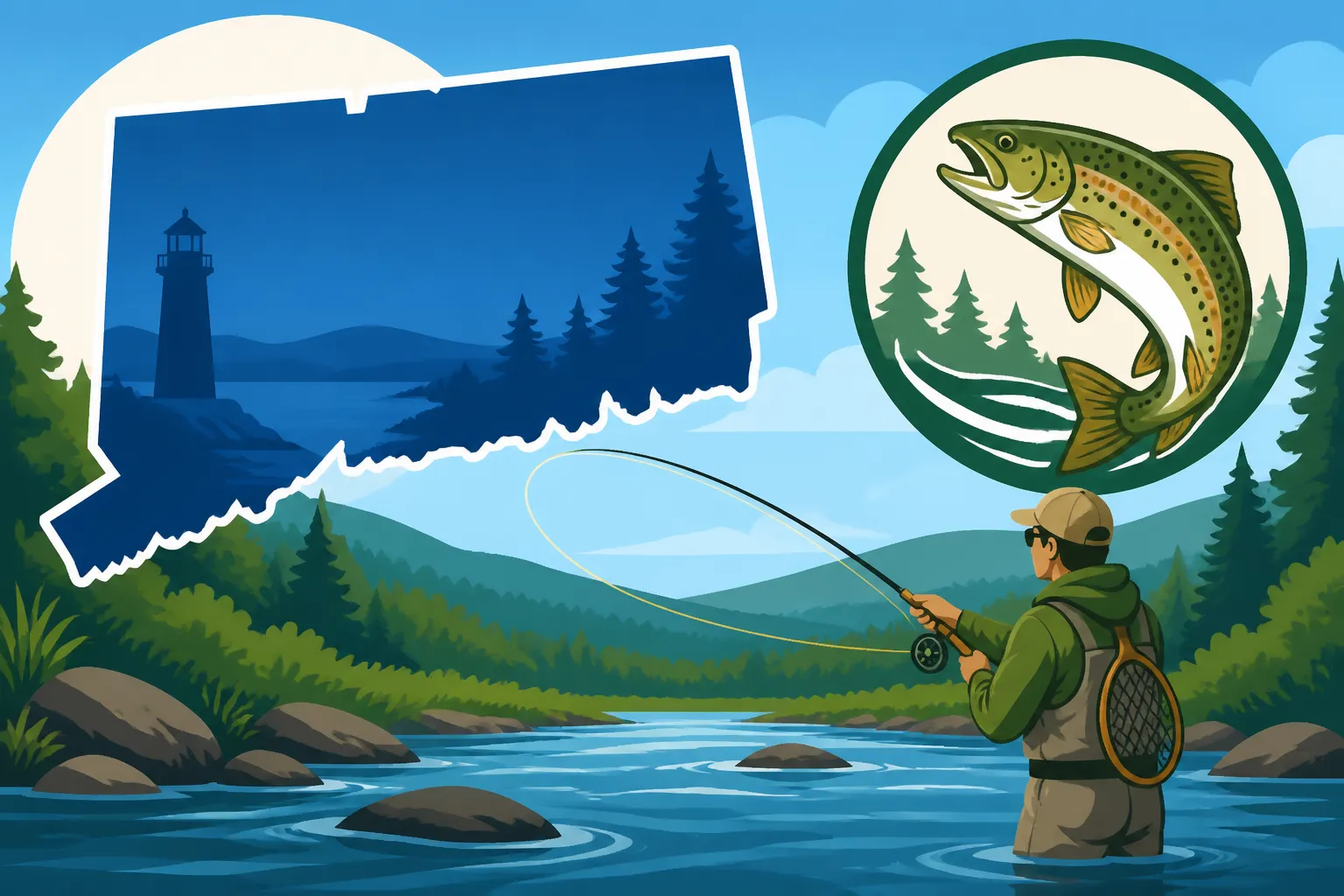
When you see signs or regulations mentioning "Fly Fishing Only" (often abbreviated as FFO) for a specific stretch of water in Connecticut, it means exactly what it sounds like: only fly fishing gear and artificial flies are permitted. But it's more than just a gear restriction; it's a philosophy aimed at enhancing the fishing experience and protecting our precious aquatic resources, particularly trout populations.
What Differentiates FFO Waters?
The core distinction of FFO waters is the exclusive use of fly tackle. This means you’re leaving your spinning rods, baitcasting setups, and conventional lures at home. Only a fly rod, fly reel, and fly line are allowed. The bait restriction is equally crucial: natural baits like worms, shiners, or even popular artificial baits such as PowerBait or corn are strictly forbidden. You must use artificial flies, which typically encompasses flies tied with natural or synthetic materials to imitate insects, small fish, or other aquatic organisms.
Catch and Release vs. Fly Fishing Only
Here's where it can get a little tricky for anglers new to these special regulations. Most, if not all, of Connecticut's "Fly Fishing Only" areas are also designated "Catch and Release" (C&R). This combination means you not only have to use fly tackle and artificial flies, but any fish you catch must be immediately released unharmed back into the water. This dual restriction is designed to protect vulnerable fish populations, especially wild or holdover trout, ensuring they can grow, reproduce, and provide sustained angling opportunities. Always check the specific signage at your chosen location or refer to the current Reading the Connecticut Fishing Guide to confirm whether a FFO section is also C&R.
Key Fly Fishing Only Destinations Across Connecticut
Connecticut is blessed with some fantastic trout waters, and many of the most celebrated sections fall under these special fly fishing only rules. These areas are carefully managed by the Connecticut Department of Energy and Environmental Protection (DEEP) to provide exceptional angling opportunities.
The Illustrious Farmington River
When most folks in Connecticut think of fly fishing, the Farmington River immediately comes to mind. It's truly a gem. A significant portion of the West Branch of the Farmington River, stretching from the upstream side of the Route 219 bridge in New Hartford all the way to the Goodwin Dam in Hartland, is designated as Catch and Release Fly Fishing Only. This section is famous for its abundant brown and rainbow trout, including many impressive holdovers and even some wild fish that provide a challenging and rewarding experience. You’ll find diverse water, from classic riffles and runs to deeper pools, all holding quality trout. It’s a popular spot, so be prepared to share the water, especially on prime weekends, but the fishing can be phenomenal. To learn more about this specific area, check out our guide on Farmington River West Branch Trout Fishing.
The Scenic Housatonic River
Another iconic river in Connecticut, the Housatonic, also boasts a special regulation area that includes fly fishing only. The section from the dam at Falls Village downstream to the Route 7 bridge in Falls Village is designated Catch and Release Fly Fishing Only. This part of the "Housy," as many call it, is renowned for its large brown trout, and can offer incredible fishing, especially during streamer season. It's a river with a lot of character, often requiring longer casts and careful wading. Anglers often spend days exploring the various seams and holding lies in this stretch. If you're looking for more information on fishing this legendary waterway, we have a detailed guide on the Housatonic River Trout Management Area Fishing.
Other Notable FFO Waters
While the Farmington and Housatonic are the superstars, several other rivers across the state offer "Catch and Release Fly Fishing Only" sections, providing diverse options for anglers seeking these specialized experiences. These often smaller, more intimate streams can be fantastic places to hone your skills away from larger crowds.
Here’s a breakdown of some of these important areas:
| Water Body | Location (Town) | Specific Section | Special Regulations |
|---|---|---|---|
| Farmington River | New Hartford/Hartland | Upstream of Rt 219 bridge to Goodwin Dam | Catch and Release, Fly Fishing Only |
| Housatonic River | Falls Village | Dam at Falls Village to Rt 7 bridge | Catch and Release, Fly Fishing Only |
| Saugatuck River | Redding | Dorr Mill Rd bridge to wire across river | Catch and Release, Fly Fishing Only |
| Mill River | Fairfield | Lake Mohegan Dam to first Merritt Parkway bridge | Catch and Release, Fly Fishing Only |
| Hammonasset River | Killingworth/Madison | Rt 80 bridge to I-95 bridge | Catch and Release, Fly Fishing Only |
| Pequonnock River | Bridgeport | Park Avenue bridge to dam just north of Merritt Parkway | Catch and Release, Fly Fishing Only |
Each of these sections, while perhaps not as widely known as the Farmington, offers unique challenges and rewards, contributing significantly to the array of Best Fly Fishing Rivers in Connecticut. Always verify the exact boundaries and current rules before you go, as regulations can sometimes be updated.
Navigating the Regulations: Gear, Bait, and More
Getting ready for a trip to a fly fishing only area involves more than just packing your favorite flies. You need to be intimately familiar with the specific rules to ensure you're fishing legally and ethically. It's easy to make an honest mistake, but ignorance of the law is never an excuse.
The Right Tackle: Only Fly Gear Allowed
This is non-negotiable. Only a fly rod, fly reel, and fly line can be used in these designated waters. This typically means a rod between 3-weight and 6-weight for trout fishing, depending on the size of the water and the fish you expect to encounter. The idea is to present your fly delicately, and conventional gear simply isn't designed for that purpose in the same way. So, leave the spinning rod meant for bass or the baitcaster you use for pike at home. You can find excellent starter fly rod and reel combos on platforms like Amazon if you're just getting into the sport, or upgrade your existing setup.
Artificial Flies Only: What Does That Mean?
The term "artificial flies" might seem straightforward, but it has specific interpretations. In Connecticut FFO waters, this means flies tied with materials like feathers, fur, thread, and synthetic fibers that imitate natural insects (mayflies, caddis, stoneflies), crustaceans (scuds, sowbugs), or small baitfish. What it explicitly excludes is any form of natural bait. This includes live worms, mealworms, minnows, corn, salmon eggs, or any scented soft plastics designed to mimic natural bait. Also, small lures that might look like a fly but are not designed for fly rod casting (e.g., tiny spinners or spoons) are generally not permitted. When in doubt, if it doesn't require a fly rod to cast effectively, it's likely not allowed.
Hook Types and Fish Handling
Since most FFO waters in Connecticut are also Catch and Release, there's often an additional rule regarding hooks: single, barbless hooks are usually required. The purpose of a barbless hook is to minimize harm to the fish, allowing for easier, quicker release and increasing the chances of survival. You can buy flies that are already tied on barbless hooks, or you can take a pair of pliers and pinch down the barb on any barbed hook you use.
When you do hook a fish, it's crucial to handle it with care. Keep the fish in the water as much as possible, use wet hands when touching it, and revive it gently before release. A good pair of hemostats or forceps, easily found on Amazon or at any fly shop, is invaluable for quickly removing hooks. Minimizing the time a fish is out of the water is paramount to its survival, especially with the delicate trout found in these managed areas.
Understanding Specific Seasonal Rules
It's also important to remember that regulations can sometimes be seasonal. While many FFO sections maintain their special rules year-round, some areas might revert to general regulations during certain months. This is less common for dedicated FFO streams, but always worth double-checking the Connecticut Fishing Regulations Explained for the current year. For instance, the general trout season has specific opening days and closure periods, but FFO/C&R sections are often open for fishing much longer, sometimes year-round, precisely because of the protective regulations.
The Philosophy Behind Fly Fishing Only Areas
These special regulation waters aren't just about making fishing more challenging or exclusive; they serve vital conservation and recreational purposes that benefit everyone who loves Connecticut's outdoors.
Conservation and Fish Health
One of the primary reasons for designating FFO and C&R waters is conservation. Fly fishing with artificial flies, especially with barbless hooks, typically results in less mortality for caught fish compared to bait fishing. When a fish swallows bait, the hook can often lodge deep in its throat or gills, leading to fatal injuries even if the fish is released. Flies, conversely, are usually hooked in the mouth, making for easier and less damaging removal. This helps protect wild trout populations that might be struggling to reproduce naturally and allows stocked trout to acclimate and grow into larger, "holdover" fish, creating a more robust fishery. This kind of careful management is essential for the long-term health of our Trout Fishing in Connecticut.
Enhancing the Angler Experience
For many, fly fishing is more than just catching fish; it's an art form, a dance with nature. FFO waters offer a unique quality of experience. They tend to attract anglers who appreciate the challenge and the quiet pursuit, often resulting in less crowded conditions and a more respectful atmosphere on the water. The emphasis on technique over bait also means that when you do catch a fish, the sense of accomplishment is profound. It's about connecting with the environment in a deeper way, learning to "read the water," and mastering the subtle presentations that fool wary trout.
Habitat Protection
The restrictions on gear and technique indirectly contribute to habitat protection. The reduced impact from careful wading and the focus on stealth help maintain the delicate ecosystems of these streams. When anglers are mindful of their surroundings and practice "leave no trace" principles, these pristine environments remain healthy for both fish and future generations of anglers. These areas are often crucial zones within larger watersheds, and protecting them helps maintain overall aquatic health, benefiting not only trout but also other species like the Brook Trout: Connecticut's Native Trout.
Essential Preparations for Your FFO Adventure
Ready to hit the water? A little preparation can go a long way in making your fly fishing trip to one of Connecticut's FFO waters a memorable and successful one.
Necessary Equipment
Beyond your fly rod and reel, there are a few other items that are absolutely essential:
- Waders and Wading Boots: Most of these river sections require wading to effectively reach fish. Good quality waders and sturdy wading boots with felt or rubber soles (often with studs for extra grip) are crucial for safety and comfort, especially in Connecticut's often rocky and slippery rivers. You can find a wide range of options on Amazon or at specialized fly shops like Orvis or Cabela's.
- Fly Vest or Pack: A specialized vest or chest pack will keep your fly boxes, tippet, leaders, and tools organized and easily accessible.
- Net: A quality landing net with a rubberized mesh is highly recommended for safely landing and releasing fish. The rubber mesh is gentler on a fish's delicate slime coat and fins.
- Forceps/Hemostats: As mentioned earlier, these are critical for quickly and safely removing hooks.
- Polarized Sunglasses: Not only do they protect your eyes from the sun and errant hooks, but they significantly improve your ability to spot fish and underwater structure.
Fly Selection and Techniques
Understanding what flies to use and how to present them is key. Fly choice often depends on the time of year, water conditions, and what natural insects are hatching.
- Nymphs: These are subsurface flies imitating aquatic insect larvae. Patterns like the Pheasant Tail, Hare's Ear, Caddis Larva, and various stonefly imitations are staples for Connecticut trout. Nymphing is often the most productive technique in rivers.
- Dry Flies: These float on the surface, imitating adult insects. Having a selection of popular patterns like Elk Hair Caddis, Adams, Parachute Adams, and various Sulphur or Hendrickson patterns will cover most hatches.
- Streamers: Larger, often weighted flies that imitate baitfish or leeches. Woolly Buggers (in olive, black, or white) are incredibly versatile and effective for targeting larger trout, especially brown trout.
Before you go, it's a great idea to call a local fly shop near your chosen river (like Housatonic River Outfitters or UpCountry Sportfishing for the Farmington) to get a current fishing report and hatch information. They can give you up-to-the-minute advice on what flies are working best. Mastering basic casting, line management, and presentation techniques like dead drifting nymphs or mending your line will greatly increase your success. If you're new to the sport, consider a guided trip; a local guide can teach you Fly Fishing for Trout in Connecticut techniques specific to our waters.
Licenses and Regulations
Don't forget the most basic requirement: a valid Connecticut fishing license! You'll need a freshwater fishing license, and if you're targeting trout or salmon, you'll also need the Connecticut Trout and Salmon Stamp, Explained. These are easy to purchase online through the CT DEEP website or from a licensed vendor. You can find comprehensive information in our Connecticut Fishing License Guide for 2026. Always carry your license with you, whether digitally on your phone or a printed copy.
Disclaimer
Please note that fishing regulations can change. While this guide provides the most up-to-date information at the time of writing, it is always your responsibility to consult the official Connecticut DEEP Angler's Guide or their website for the most current and complete regulations before heading out to fish.