Bantam Lake Bass Fishing
There's nothing quite like the thrill of a hard-fighting bass in Connecticut, and if you've been looking for that premier spot to hook into some serious largemouth and smallmouth, Bantam Lake is often whispered about among the seasoned anglers. But let's be honest, getting truly helpful, in-depth information on how to actually fish this gem can feel like trying to find a needle in a haystack. This guide is here to cut through the noise, offering you a comprehensive breakdown of Bantam Lake bass fishing, from understanding its unique ecosystem to mastering the techniques that put fish in the net.
Understanding Bantam Lake's Bass Population
Bantam Lake, nestled in Litchfield County, isn't just Connecticut's largest natural lake; it's a vibrant, thriving ecosystem that consistently ranks as a top destination for bass anglers. What makes it so special for bass is the sheer diversity of its habitat and the robust populations of both largemouth and smallmouth bass that call it home. Many anglers get frustrated trying to figure out which species is where, and how to target them effectively. It’s not just about throwing a lure; it’s about understanding the subtle nuances of where these fish live and what they prefer.
Largemouth vs. Smallmouth Bass in Bantam
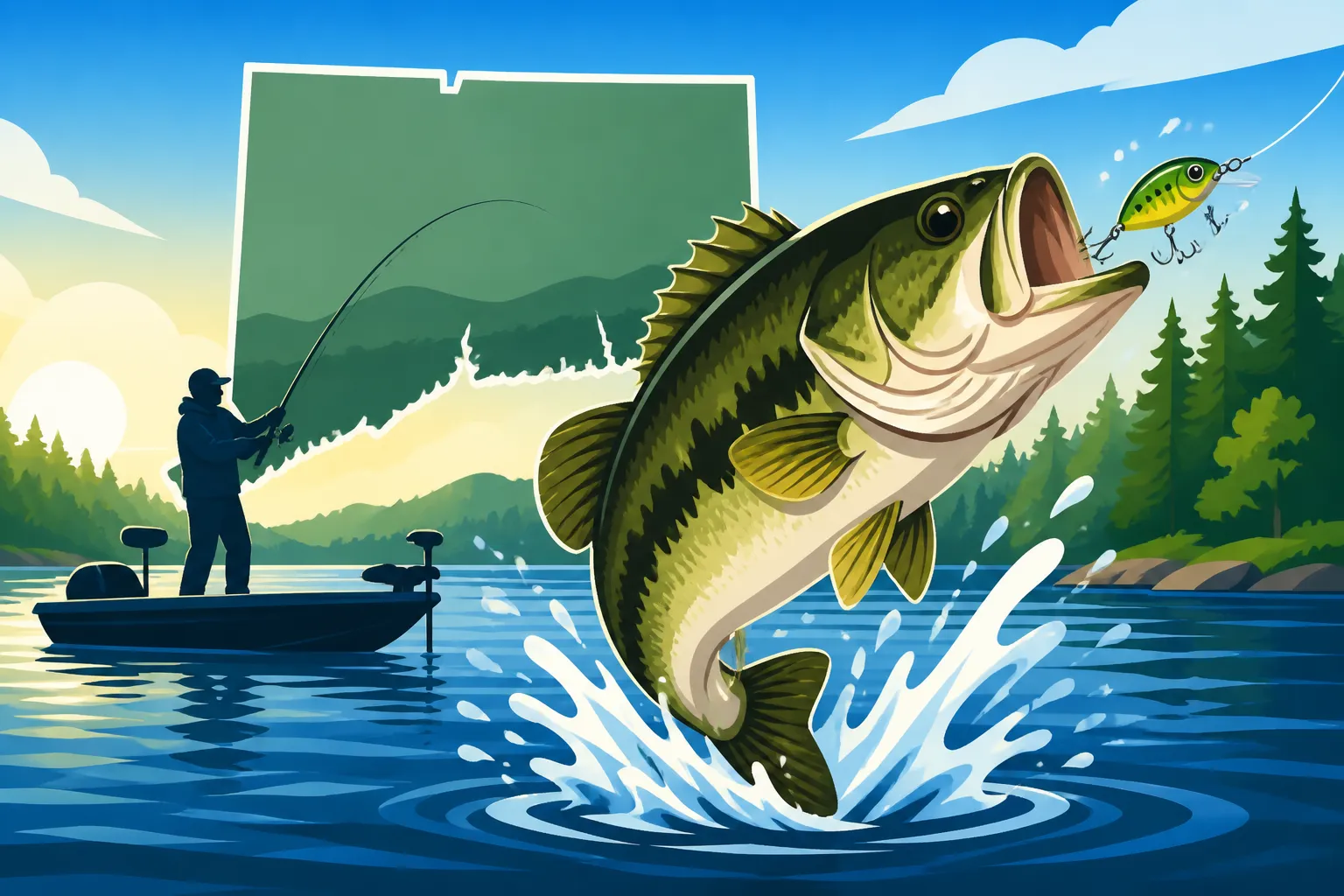
When you’re out on Bantam Lake, you’ll encounter both of Connecticut's popular bass species, each with their own distinct preferences and fighting styles. The largemouth bass is often the star, known for its green, blotchy appearance, large mouth extending beyond the eye, and its preference for dense cover. These fish are ambush predators, often found lurking in the shallower, vegetated areas of the lake, ready to strike at unsuspecting prey. They're the ones that will pull you into the weeds, making for a thrilling, challenging fight. Understanding the nuances between these two species is crucial for tailoring your approach. If you're keen on diving deeper into distinguishing these fighters, our guide on Largemouth Bass vs Smallmouth Bass Identification offers excellent insights.
On the other hand, the smallmouth bass, with its bronze coloration, vertical barring, and smaller mouth that doesn't extend past the eye, prefers the deeper, rockier, and clearer water sections of Bantam. These "bronze backs" are renowned for their acrobatic jumps and powerful runs in open water. They tend to school up more than largemouth, especially during certain times of the year, and can provide incredible action if you find a cooperative group. It's not uncommon to catch both species in a single outing on Bantam, but knowing where to focus your efforts for each will dramatically increase your success rate.
Forage and Habitat Preferences
The abundance of forage in Bantam Lake is a primary reason for its thriving bass populations. Bass here have a smorgasbord of food sources, from various baitfish like alewives, shiners, and yellow perch to crayfish, frogs, and even juvenile panfish. This diverse diet means bass are often opportunistic feeders, but they do have preferences based on the season and available prey. Understanding what the bass are eating can directly inform your lure selection. If you see schools of baitfish flickering on your sonar, mimicking those with your lures is a no-brainer.
Habitat is another critical factor. Bantam Lake offers an incredible mosaic of environments for bass. Largemouth thrive in the lake's extensive weed beds, lily pads, submerged timber, and around docks and fallen trees. These areas provide both cover from predators (like ospreys and eagles, which are common sights on Bantam) and prime ambush points for their prey. Smallmouth, however, gravitate towards the rockier bottoms, ledges, humps, and abrupt drop-offs. They use these structural elements to stage themselves, often relating to current or deeper, cooler water. The lake's clear water in many sections also means smallmouth can be found suspending over deeper basins, chasing baitfish in open water. Knowing these preferences is key to targeting these fish effectively. You wouldn't throw a frog into a 30-foot deep rock pile, just as you wouldn't typically drop a finesse worm into dense lily pads for a smallmouth.
Prime Bass Fishing Locations on Bantam Lake
Bantam Lake is a sprawling body of water, and trying to cover it all without a game plan can be overwhelming and frankly, unproductive. Many anglers get frustrated by casting aimlessly, wondering where the fish are hiding. The key to successful bass fishing on Bantam is understanding the specific types of structures and covers that consistently hold fish. Once you identify these patterns, you can apply them to various areas of the lake, significantly increasing your chances of a hookup. If you're specifically looking for those honey holes, our guide on Bantam Lake best bass fishing spots delves even further into specific areas.
Shallow Weedy Coves and Flats
These are the quintessential largemouth bass havens on Bantam Lake. Look for areas with abundant submerged vegetation, lily pads, and cattails. The numerous coves and bays around the lake, particularly on the eastern and northern shores, offer excellent cover and warmer water, especially in spring and early summer. The shallower flats, often adjacent to deeper water, become feeding grounds when bass push up to forage. Bass use these dense weeds for cover, ambushing baitfish and other unsuspecting prey.
One notable area to explore is the large, shallow flat on the northern end of the lake, often referred to as the "North Bay." This area features extensive weed beds and lily pads, especially as the season progresses. Another prime example is the eastern side, near the channel leading to the Bantam River, where shallow grass and reeds create ideal largemouth habitat. When fishing these areas, focus on pitching and flipping jigs or soft plastics into openings in the weeds, or working topwater frogs and hollow-bodied lures over the matting vegetation. Bass often hold right on the edges of these weed lines or within pockets. The water here can warm up quickly, making it a hotspot for pre-spawn and spawning largemouth.
Rocky Points and Drop-offs
While largemouth love the weeds, smallmouth bass are suckers for structure, especially rocky points and sharp drop-offs. Bantam Lake boasts several prominent points and ledges that plunge into deeper water, creating ideal habitat for these bronze bombers. These areas provide access to cooler, oxygenated water and serve as natural highways for baitfish, making them prime ambush locations.
Consider the points that jut out on the western side of the lake, particularly those with a mix of boulders and gravel. These spots often have current or wind pushing across them, concentrating baitfish and attracting smallmouth. The areas where the lake bottom transitions from shallow to deep, especially those with rocky rubble or ledges, are textbook smallmouth territory. You might find them suspended over deeper water adjacent to these points, or tucked right against the rocks waiting for a meal. Look for abrupt changes in depth on your fishfinder. Drop-shot rigs, tube jigs, and Ned rigs fished slowly along these contours can be incredibly effective. Even crankbaits that dive to the appropriate depth can trigger aggressive strikes from patrolling smallmouth here.
Docks, Piers, and Structural Cover
Beyond natural habitat, man-made structures are absolute magnets for bass on Bantam Lake. Docks, piers, boat lifts, and even submerged remnants of old structures provide crucial shade, cover, and ambush points for both largemouth and smallmouth, though largemouth tend to dominate these areas. Many frustrated anglers make the mistake of just casting near a dock; the trick is to get your lure under it or as close as possible to the pilings.
The shoreline around the southern and eastern parts of Bantam Lake is dotted with numerous private docks and boathouses. These structures offer vertical cover that bass absolutely love, especially during bright, sunny days when they seek shade. Flipped jigs, Texas-rigged worms, and even skipping wacky-rigged Senkos under docks are highly effective tactics. In deeper sections of the lake, some docks extend over significant drop-offs, which can hold smallmouth as well, particularly on the ends of the longer structures. Always approach these areas quietly and cast precisely. Don't overlook submerged timber or brush piles that might be adjacent to these man-made structures; they often work in conjunction to create even more attractive bass hideouts.
Seasonal Strategies for Bantam Lake Bass
Fishing Bantam Lake effectively means adapting your tactics throughout the year. The behavior of bass changes dramatically with water temperature, light conditions, and spawning cycles. It’s not enough to know where to fish; you also need to understand when and how to present your offerings. Ignoring these seasonal shifts is a common pitfall for many anglers, leading to disappointing results. For a broader overview of fishing throughout the year in Connecticut, our guide on Connecticut Fishing Seasons by Month can provide helpful context.
Spring Pre-Spawn and Spawn Tactics
Spring on Bantam Lake is arguably one of the most exciting times for bass fishing, as fish move from their deep wintering grounds to shallower waters for spawning. This period, typically from April into June, sees a surge in activity. Initially, in the early pre-spawn, bass are gorging themselves, trying to build energy for the arduous spawning process. Look for them staging on secondary points, submerged humps, and the edges of shallow flats, often near the entrances of large coves. The water temperature dictates their movement, with consistent temperatures in the low to mid-50s degree Fahrenheit really getting them active.
During this pre-spawn phase, aggressive lures like lipless crankbaits (think Rat-L-Traps or Bill Lewis Echo 1.75 models), jerkbaits (like Rapala X-Raps or Megabass Vision 110s), and bladed jigs (like the Z-Man ChatterBait) can trigger powerful reaction strikes. As temperatures rise into the 60s, bass move onto beds in shallower, protected coves. Look for flat, hard bottom areas with sparse vegetation. Once on beds, sight fishing can be effective, but be mindful of stressing the fish. For bedding fish, soft plastic presentations like Texas-rigged creature baits or weightless Senkos cast right into the bed are often the ticket. Remember, during the spawn, bass are guarding their nests, so they’re not necessarily feeding out of hunger but out of aggression.
Summer Deep Water and Early Morning Bites
Summer on Bantam Lake can present a challenge, especially during the heat of the day. As water temperatures climb into the 70s and beyond, bass often retreat to deeper, cooler, and more oxygenated water. Many anglers find themselves struggling, casting into empty shallows. However, the early morning and late evening hours can offer incredible topwater action in the shallower areas, particularly around weed edges and docks, before the sun gets too high.
During the daytime, focus your efforts on offshore structure: deep weed lines (especially the outside edges), main lake points that drop quickly, humps, and ledges. This is prime time for smallmouth bass. Finesse techniques shine here, such as drop-shotting small worms (e.g., Strike King Dream Shots or Yamamoto Pro Senkos), Ned rigs, or Carolina rigs fished with craws or lizards. You can also find success with deep-diving crankbaits or jigging spoons in open water. Pay close attention to your electronics to locate schools of baitfish, as bass will often be nearby. Areas with strong water flow or springs can also hold bass looking for cooler water. Utilizing a good fishfinder is almost essential for success during the summer months on Bantam, as bass can be suspended or tightly bunched in specific depth ranges.
Fall Feeding Frenzy and Winter Holdovers
As autumn rolls in and water temperatures begin to drop on Bantam Lake, the bass kick into overdrive, sensing the impending cold of winter. This period, from September through November, can offer some of the most consistent and exciting fishing of the year. Bass, both largemouth and smallmouth, will actively feed, putting on weight before the cold sets in. They’ll often follow baitfish into shallower coves and onto flats, but also remain active on main lake points and humps.
During the fall, a wide variety of lures can be effective. Crankbaits, both medium and deep diving, are excellent for covering water and finding active fish. Spinnerbaits and bladed jigs can be deadly around falling leaves and dying vegetation. Jerkbaits become increasingly effective as the water cools, mimicking injured baitfish. Soft plastics, especially jigs with bulky trailers or large creature baits, can entice big bites as bass look for substantial meals. Don't be afraid to experiment with different presentations until you find what they're keying on. Even during the winter, though challenging, dedicated ice anglers can find bass, often near deep structure or main lake basins. If you're interested in cold-weather fishing, our article on Ice Fishing in Connecticut provides great general guidance, though Bantam Lake itself has specific ice conditions to monitor.
Effective Lures and Techniques for Bantam Bass
Having the right tackle and knowing how to use it are paramount to success on Bantam Lake. It’s not about having every lure under the sun, but rather understanding what each lure is designed to do and when it’s most effective. Many anglers fall into the trap of using the same few lures regardless of conditions, leading to frustration. Let's break down the workhorses for Bantam Lake bass.
Topwater and Reaction Baits
There's nothing quite like a bass exploding on a topwater lure, and Bantam Lake offers fantastic opportunities for this exhilarating fishing. Topwater lures are generally most effective during low-light conditions – dawn, dusk, or overcast days – and in warmer water temperatures, typically from late spring through early fall. Look for areas with lily pads, sparse grass, or around docks where bass might be lurking just under the surface. Poppers, walk-the-dog baits (like Heddon Super Spooks or Zoom Horny Toads), and hollow-bodied frogs (e.g., SPRO Bronzeye Poppin' Frog) are excellent choices. Cast them accurately into cover or parallel to weed lines and work them with short twitches and pauses, letting the lure sit just long enough to tempt a strike.
Reaction baits, as the name suggests, are designed to provoke an instinctive strike rather than a feeding response. These include crankbaits, spinnerbaits, and bladed jigs. Crankbaits, both shallow and deep diving, are fantastic for covering water and imitating baitfish. Match the size and color to the prevalent forage and the depth you’re targeting. Spinnerbaits, with their flashing blades and vibrating skirts, are excellent for fishing around sparse weeds, timber, and stained water. Bladed jigs (like the Z-Man ChatterBait mentioned earlier) combine the flash of a spinnerbait with the erratic action of a crankbait, making them incredibly versatile, especially when bass are active. The key with reaction baits is often a consistent retrieve with occasional pauses or changes in speed to trigger a chase.
Finesse Presentations and Soft Plastics
When bass are pressured, the bite is tough, or they're holding deep, finesse fishing with soft plastics becomes indispensable. Bantam Lake's clear waters, especially in certain areas and times of the year, make finesse tactics particularly potent for both largemouth and smallmouth. These techniques rely on subtle movements and natural presentations to trick wary fish.
The drop-shot rig is a prime example, allowing you to present a small worm or creature bait above a weight, keeping it suspended right in the strike zone. This is deadly for smallmouth on rocky ledges and humps. Wacky rigs and Neko rigs, typically featuring a weightless or lightly weighted stick bait (like a Yamamoto Senko), provide a slow, tantalizing fall that largemouth simply can't resist, especially when fished around docks, weed edges, or even open water. Texas-rigged worms and creature baits are your go-to for punching through heavy cover like dense lily pads or brush piles without snagging. The Ned rig, a small mushroom-head jig paired with a short, buoyant plastic, is incredibly effective for smallmouth on hard bottoms, mimicking a bottom-feeding baitfish or crawfish. Remember, the presentation is key here; focus on slow retrieves, subtle twitches, and long pauses.
Live Bait and Trolling Considerations
While artificial lures are the preferred method for many dedicated bass anglers, there are situations where live bait can be incredibly effective on Bantam Lake, particularly for those looking to maximize their chances or introduce beginners to fishing. Live shiners, minnows, or even crawfish, fished under a bobber or on a bottom rig, can entice bites when artificials aren't cutting it. Just be sure to check Connecticut fishing regulations regarding the use of live bait, including species restrictions and collection methods, as outlined in our Connecticut Fishing Regulations Explained guide. Generally, live bait is most effective when fished slowly and naturally, allowing the bait to move freely.
Trolling, while more commonly associated with species like pike or trout on Bantam, can also be a viable method for covering large areas and finding active bass, especially during colder water periods or when fish are scattered. Using diving crankbaits that reach the desired depth, or even umbrella rigs, can be effective. However, trolling for bass is a less common practice on Bantam compared to casting or pitching, and it requires a good understanding of the lake’s contours and bass locations to be truly productive. Most serious bass anglers on Bantam will opt for more targeted casting and retrieving techniques.
Navigating Bantam Lake: Access and Boating Tips
Getting onto and around Bantam Lake presents its own set of considerations, from boat launches to understanding the local rules. If you’re planning a trip, knowing your access points and what to expect on the water can save you a lot of hassle and ensure a smooth day of fishing. Many folks get confused about where they can launch or what boat rules apply, especially if they're not locals.
Public Boat Launches and Shoreline Access
Bantam Lake offers good public access for anglers, which is a major plus. The primary public boat launch is located on the southeastern shore, maintained by the Connecticut Department of Energy and Environmental Protection (DEEP). This ramp provides ample parking and is suitable for launching a variety of boat sizes, from small fishing boats to larger bass boats. It's a popular spot, so during peak seasons or busy weekends, expect it to be bustling, especially in the early mornings. Our friends at FishingBooker often recommend planning your trips during off-peak hours to avoid the rush.
For anglers with kayaks, canoes, or smaller jon boats, there might be additional, less formal access points. However, always verify public access and parking availability to avoid trespassing. Shoreline access for fishing is more limited due to private property around much of the lake. The public launch area itself offers some limited shore fishing, but serious shore anglers might find better luck at specific points or bridges connecting the lake's various sections, if public easements exist. Always be respectful of private property and adhere to all posted signs.
Essential Boating Regulations and Safety
Boating on Bantam Lake, like any body of water in Connecticut, comes with specific regulations designed for safety and environmental protection. It's crucial to be aware of these before you launch. Connecticut has speed limits and no-wake zones, especially near shorelines, boat launches, and congested areas. Bantam Lake is a popular spot for recreational boating and watersports, so be mindful of other users, particularly during summer weekends.
Key regulations include:
- Registration: All motorized vessels, and sailboats 19.5 feet or longer, must be registered with the Connecticut DMV. Non-motorized vessels like kayaks and canoes generally do not require registration unless they are mechanically propelled.
- Safe Boating Certificate: If you operate a motorized vessel, you might need a Connecticut Safe Boating Certificate Requirement. This requirement applies to most operators born after a certain date or operating certain types of vessels.
- Life Jackets: Ensure you have enough US Coast Guard-approved life jackets for everyone on board, and children under 13 must wear one at all times while underway. Our article on Life Jacket Requirements for Connecticut Boaters provides more details.
- Safety Equipment: Beyond life jackets, boats are required to carry other safety equipment such as fire extinguishers, sound-producing devices, and visual distress signals, depending on the size and type of vessel.
Always check the latest Connecticut boating regulations, especially regarding any specific rules for Bantam Lake, which might include seasonal restrictions or special conservation zones. Being prepared and compliant not only ensures your safety but also helps preserve the lake's delicate ecosystem for future generations of anglers.
Conservation and Responsible Bass Fishing on Bantam Lake
As stewards of our natural resources, responsible angling practices are paramount, especially on a treasured fishery like Bantam Lake. The lake sustains an incredible bass population because of ongoing conservation efforts and the cooperation of anglers. Getting to fish such a healthy lake is a privilege, and it's our job to keep it that way.
Catch and Release Best Practices
While keeping a few bass for dinner is certainly a part of fishing, many anglers on Bantam Lake practice catch and release, particularly for larger, trophy-sized bass. These bigger fish are vital breeders for the lake's population and contribute significantly to its reputation as a premier bass fishery. If you do plan to release fish, proper handling is crucial to ensure their survival.
Here are some best practices:
- Minimize Handling Time: Get the fish unhooked and back in the water as quickly as possible.
- Wet Hands: Always wet your hands before touching a fish to avoid removing their protective slime coat, which can lead to infection.
- Support the Fish: When holding a bass for a photo, support its weight horizontally, especially for larger fish. Avoid holding them vertically by the jaw alone, as this can damage their internal organs and spine.
- De-hook Quickly: Use needle-nose pliers or a de-hooking tool to remove hooks cleanly. If a fish is deeply hooked, especially in the gills, it's often best to cut the line as close to the hook as possible.
- Revive Gently: If a fish appears sluggish, gently hold it in the water, facing into any current, and allow water to flow over its gills until it swims away under its own power.
Responsible catch and release ensures that those trophy bass you caught today are there for another angler, or for you, tomorrow.
Understanding Regulations and Limits
Connecticut fishing regulations are in place to protect fish populations and ensure sustainable angling for everyone. For bass on Bantam Lake, there will be specific length limits and daily creel limits (the number of fish you can keep per day). These regulations can change, so it's absolutely essential to consult the most current Connecticut Fishing Guide published by the DEEP before each fishing season. This guide will provide detailed information on specific rules for Bantam Lake, including any special regulations that might apply.
Ignoring or misunderstanding these rules can lead to penalties, including fines and license suspension. Always carry your valid Connecticut Fishing License Guide for 2026 (either physical or digital) and be familiar with the regulations. Pay close attention to size limits: often, there’s a minimum length, and sometimes a slot limit (where fish within a certain size range must be released). These are designed to protect both juvenile fish and critical spawning-size adults. By adhering to these regulations, you're not just avoiding trouble; you're actively participating in the conservation of Bantam Lake's excellent bass fishing, making sure it remains a destination for generations to come.
Disclaimer
Please remember that fishing conditions, regulations, and access points can change. Always consult the latest Connecticut DEEP Fishing Guide and local advisories before heading out on Bantam Lake. Safety on the water is paramount.