Quinnipiac River Fishing Spots
Feeling the urge to cast a line in Connecticut, but not sure where to start, especially if you're looking for a river that offers both freshwater and tidal action? The Quinnipiac River can feel a bit enigmatic, with its urban stretches and quiet natural areas, making it tricky to pinpoint the best spots and what to expect. This comprehensive guide will peel back the layers of this fascinating river, helping you understand its diverse fishing opportunities from its headwaters down to Long Island Sound.
Understanding the Quinnipiac River's Unique Character
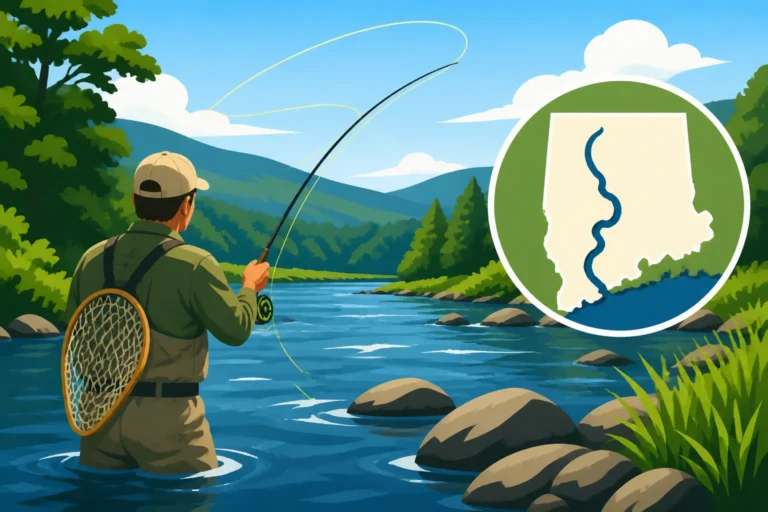
The Quinnipiac River is a true gem, flowing for nearly 40 miles through central Connecticut before it spills into the New Haven Harbor and then Long Island Sound. It’s a river of transitions, changing dramatically as it makes its way south, offering anglers a unique blend of experiences. From quiet, shaded freshwater stretches upstream to wide, bustling tidal zones near the city, it truly has a personality all its own.
The River's Journey: From Source to Sound
Originating in the low hills of Farmington and Plainville, the Quinnipiac begins as a relatively small, meandering stream. In its upper reaches, especially around Southington and Meriden, you’ll find classic freshwater environments – riffles, runs, and deeper pools, often lined with trees. As it progresses downstream, it widens and deepens, particularly after Wallingford and into North Haven, taking on more characteristics of a slow-moving, larger river. This middle section can feel quite different from the skinny headwaters, with more significant bends and larger sections of slower current.
But the real transformation occurs as the river approaches New Haven. Here, it becomes a tidal estuary, mixing freshwater with the salty embrace of Long Island Sound. The landscape shifts dramatically from woodland to urban and industrial, with docks, bridges, and channel markers replacing trees and natural banks. This lower stretch, particularly south of the Route 80 bridge, is a dynamic environment where the push and pull of the tides dictate everything, from water levels to fish behavior. Understanding this journey is key to unlocking its fishing potential, as what works up north won't necessarily work down south.
Water Quality and Environmental Factors Affecting Fishing
For many years, the Quinnipiac River faced significant environmental challenges, particularly from industrial pollution in the lower, urbanized sections. Concerns about legacy contaminants and stormwater runoff sometimes deter anglers, but it’s important to note that extensive efforts have been made by organizations like the Quinnipiac River Watershed Association and the Connecticut Department of Energy and Environmental Protection (CT DEEP) to improve water quality. These ongoing efforts have led to a noticeable improvement, making more sections of the river viable for fishing.
However, anglers should always be mindful of local conditions. After heavy rains, runoff can temporarily affect clarity and bring debris into the river. It's always a good idea to check local forecasts and water conditions. For the most up-to-date guidance on consumption advisories for certain species, especially in the lower reaches, always consult the CT DEEP website. Being realistic about past challenges and current improvements allows us to appreciate the river's resilience and its growing potential as a fishery.
Diverse Habitats: From Riffles to Mudflats
The Quinnipiac’s diverse journey creates an incredible array of habitats. In the upper freshwater sections, you'll encounter classic riverine features: swift-moving riffles where the water tumbles over rocks, giving way to deeper, calmer pools perfect for trout or smallmouth bass to hold. Between these are the "runs," stretches of moderate current where fish actively feed. These areas often have gravel bottoms and submerged rocks, providing excellent cover.
As the river widens in its middle stretches, you’ll find more extensive stretches of slower water, often with soft, muddy bottoms and submerged vegetation. These areas are prime for largemouth bass and chain pickerel, which prefer to ambush prey from thick cover. Fallen trees and undercut banks become more prevalent, creating ideal ambush points. Further downstream, in the estuarine section, the habitat completely transforms into expansive mudflats, marsh grass, and deeper channels. The bottom here is predominantly soft, with oyster beds and shell hash in certain spots. Docks, bridge pilings, and riprap shorelines provide essential structure for saltwater species. This incredible habitat diversity means that with the right approach, you can target a wide variety of fish species across different sections of the same river.
Key Freshwater Fishing Zones and Target Species
When you think of river fishing, often your mind goes to the quieter, more pristine freshwater sections. The Quinnipiac certainly delivers on that front, particularly as you move away from the urban sprawl of New Haven. Anglers here can enjoy targeting species often found in typical Connecticut streams and rivers, offering a different challenge and reward than the tidal areas.
Upper River: Trout and Panfish Opportunities
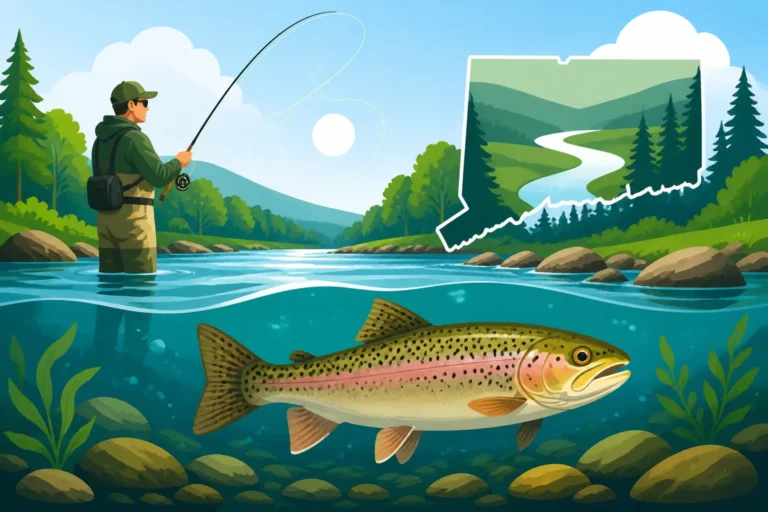
The Quinnipiac River, particularly upstream from Meriden and into Southington, offers some lovely freshwater fishing, especially if you're after stocked trout and various panfish. In these narrower, often shallower sections, the river has a more intimate feel, winding through wooded areas and open fields. The CT DEEP regularly stocks trout here, primarily rainbows and browns, turning these stretches into popular spots, especially during the spring trout season. These sections are characterized by a mix of small riffles, moderate runs, and deeper holes created by bends or submerged logs.
For trout, small inline spinners, worms, or powerbait are often effective, especially right after stocking. Fly anglers will find opportunities for nymphing in deeper runs or targeting rising fish with dry flies during insect hatches. Beyond trout, the upper river is also home to a healthy population of panfish like bluegill, pumpkinseed, and yellow perch. These eager biters can provide consistent action, particularly for younger anglers or those looking for a relaxing day. A simple setup with a bobber, a small hook, and a piece of worm will often do the trick. Remember to check the current Connecticut Fishing Regulations Explained as specific rules can apply to certain areas, and be mindful of private property when seeking access.
Middle River: Bass and Pickerel Haunts
As the Quinnipiac River flows through towns like Wallingford and North Haven, it gradually widens and slows, creating excellent habitat for warmwater species, particularly largemouth bass and chain pickerel. This middle section often features more extensive stretches of slower current, soft bottoms, and abundant submerged vegetation, fallen trees, and lily pads—all classic hideouts for predatory fish. These areas are a far cry from the rocky bottom trout streams, demanding a different approach from anglers.
Largemouth bass here will readily strike spinnerbaits, Texas-rigged worms, topwater frogs over lily pads, or crankbaits retrieved along weed lines. Look for them holding tight to cover, especially near shaded banks or submerged timber. Chain pickerel, with their voracious appetites, are also abundant. They'll attack almost any fast-moving lure, from spoons and inline spinners to jerkbaits. Just be sure to use a wire leader, as their razor-sharp teeth can easily cut through monofilament. This section of the river, with its quieter atmosphere and rich cover, is a fantastic place to spend a day paddling a kayak or canoe, exploring the numerous nooks and crannies where these feisty fish lurk.
Transition Zones: Where Fresh Meets Brackish
One of the most intriguing aspects of the Quinnipiac River is its extensive transition zone, where freshwater gradually gives way to brackish, and then full saltwater. This unique environment, roughly from North Haven down to the Route 80 bridge in New Haven, is a biological melting pot where species from both worlds can coexist and often thrive. Anglers targeting this area might encounter freshwater species like largemouth bass and white perch alongside estuarine visitors such as striped bass and bluefish, sometimes even in the same general area.
The salinity levels fluctuate with the tides and the amount of freshwater input, creating a dynamic habitat. White perch are particularly fond of these brackish waters and provide excellent light tackle action. They can be caught with small jigs, grubs, or pieces of bloodworm fished on the bottom. For bass, the changing tides can concentrate baitfish, leading to explosive feeding opportunities. Fishing structure like bridge pilings, channel edges, and docks during moving tides can be incredibly productive. It’s a challenging but rewarding fishery, as you never quite know what might be on the end of your line, adding an element of surprise to every cast.
Navigating the Estuary and Saltwater Opportunities
As the Quinnipiac River nears its mouth in New Haven, it fully embraces its tidal identity, becoming a vibrant estuary that serves as a vital nursery and feeding ground for a host of saltwater species. This is where the river truly opens up, offering different types of fishing and requiring different tactics from its freshwater counterparts. The urban backdrop provides a unique contrast to the wildness of the fishery itself.
Lower River: Striped Bass and Fluke Hotspots
The lower Quinnipiac River, particularly from the I-95 bridge south into New Haven Harbor, is a prime location for targeting saltwater species, with striped bass being the undisputed king. These powerful fish use the river's deep channels and abundant baitfish as a highway and a pantry, especially during their spring and fall migrations. Anglers can find success from shore, especially around local parks and fishing piers, or by boat accessing the main channel and adjacent flats. Large schools of Atlantic menhaden, or "bunker," often fill the lower river and harbor during warmer months, drawing in big stripers and bluefish.
When fishing for striped bass, live-lining menhaden or chunks of fresh bait can be incredibly effective. For lure fishing, soft plastic swimbaits, bucktail jigs, and topwater plugs (especially at dawn or dusk) work well, particularly when fished along channel edges, bridge abutments, and around docks. You'll also find opportunities for fluke (summer flounder) in the deeper channels and sandy flats of the lower river and harbor. Drifting with spearing or squid on a fluke rig is a popular and productive method. Many local captains specializing in Best Fishing Charters in Connecticut will specifically target these waters, knowing their potential. If you're looking for an experienced hand, check out options on FishingBooker, where you can find local guides who know these specific honey holes like the back of their hand.
Tidal Influences and Baitfish Movement
Understanding the tides is absolutely critical when fishing the Quinnipiac River estuary. Unlike freshwater sections where current is constant, the lower river experiences significant tidal flow, with water levels and current direction constantly changing. The incoming tide often brings cooler, cleaner, and saltier water, carrying baitfish from Long Island Sound further upriver. This can trigger active feeding by predatory fish like striped bass and bluefish. Conversely, the outgoing tide can pull baitfish out of the marshes and flats, concentrating them in the main channel and creating another prime feeding opportunity.
Anglers should pay close attention to tide charts. Generally, the hour leading up to and the hour following a high or low tide (the "slack tide") can be slower, as current is minimal. The strongest currents, and often the best fishing, occur during the middle hours of the incoming or outgoing tide. Look for areas where the current creates eddies, rips, or current seams, as these are natural ambush points for game fish. Baitfish like spearing, silversides, and juvenile bunker will move with these currents, and predators will be right behind them. Observing baitfish activity—whether it's nervous water, skipping bait, or birds diving—is a huge clue to where the fish are holding.
Accessing the Lower River and Long Island Sound
While shore access exists in several places along the lower Quinnipiac, particularly near the New Haven Green and various public parks along the riverbanks, many anglers prefer to fish from a boat to effectively explore the wider channels, flats, and the direct connection to Long Island Sound. There are several public and private boat launches available in the New Haven area. State Street Boat Launch and Quinnipiac River State Park offer good options for smaller boats and kayaks.
For those without their own boat, consider chartering a trip. Platforms like FishingBooker make it easy to connect with local guides who specialize in the New Haven Harbor and lower Quinnipiac River. A charter can provide not only the vessel and gear but also invaluable local knowledge about the best spots and techniques for different tides and species. When boating, always be aware of marine traffic, especially commercial vessels, and adhere to all Connecticut Boating Laws for Anglers. The lower Quinnipiac is a bustling waterway, so safety should always be your top priority, whether you’re paddling a kayak or operating a larger vessel.
Essential Access Points and Practical Tips
Knowing the unique characteristics of the Quinnipiac River is one thing, but actually getting your boots on the ground (or your boat in the water) is another. Navigating access, especially in a river that flows through both rural and urban landscapes, can sometimes be a puzzle. We'll dive into some specific spots and general advice to make your fishing trip smoother and more successful.
Public Parks and Boat Launches
The Quinnipiac River benefits from several public access points that cater to different types of fishing. In the upper and middle sections, you'll find limited but decent shore access, often near road crossings or small, informal pull-offs. The Quinnipiac River Linear Trail, for example, offers some walk-in access in sections for freshwater anglers. For small watercraft like kayaks and canoes, there are often designated carry-in launches, particularly in less developed areas, allowing you to explore the quieter, vegetated stretches perfect for bass and pickerel.
As you head into the lower, tidal sections around New Haven, access becomes more formalized. The State Street Boat Launch in New Haven is a popular spot for powerboaters and kayakers looking to access the main channel and New Haven Harbor. There are also smaller parks and docks in neighborhoods like Fair Haven where you can wet a line from shore. Always look for signage indicating public access or consult the CT DEEP website for official launch sites. When exploring the Quinnipiac, particularly the lower sections, consider hiring a local guide through platforms like FishingBooker, as they often have exclusive knowledge of the best launch points and fishing grounds, especially for bigger game fish.
Wading and Shoreline Access Considerations
Wading the Quinnipiac River is primarily an option in its upper, shallower freshwater sections. Here, the current is less powerful, and the bottom is often firm enough for safe wading. However, even in these areas, caution is advised. Always wear appropriate wading boots with good grip, use a wading staff for stability, and be aware of sudden drop-offs or slippery rocks. Accessing the river here might involve parking along a quiet road and walking down to the bank, but always be respectful of private property.
For the middle and lower sections, wading becomes much more difficult and, in many places, unsafe due to deeper water, soft mud bottoms, and strong tidal currents. Shoreline access is your best bet here. Public parks and designated fishing piers provide excellent opportunities for land-based anglers. For example, the parks around the Fair Haven section of New Haven offer direct access to the tidal river. When fishing from shore, especially in urban areas, be mindful of your surroundings, keep your area clean, and be courteous to other river users. Safety is paramount, and knowing when to wade and when to stick to the bank can make all the difference.
Safety and Regulations Specific to the Quinnipiac
Fishing on the Quinnipiac River, like any waterway, comes with its own set of safety considerations and specific regulations. Firstly, you absolutely need a valid Connecticut Fishing License Guide for 2026, whether you're targeting freshwater or saltwater species. Ensure you understand the difference between an Inland, Marine, and All-Waters license, as the Quinnipiac spans all these environments. Beyond the license, be aware of specific bag limits, size restrictions, and seasons for the species you're targeting. For instance, Connecticut Saltwater Fishing Regulations by Species for striped bass will differ significantly from freshwater trout limits.
Safety-wise, always let someone know where you're going and when you expect to return, especially if fishing alone. Wear appropriate clothing for the weather, and if boating (even kayaking), wear a PFD (personal flotation device). The tidal sections can have strong currents, and weather can change quickly, so being prepared is key. For those fishing from shore in urban areas, be aware of foot traffic and secure your gear. Also, always practice Leave No Trace principles: pack out everything you pack in, and dispose of fishing line responsibly. The health of the Quinnipiac River depends on all of us doing our part.
Seasonal Strategies for Quinnipiac River Anglers
The Quinnipiac River is a year-round fishery, but its productivity and the species you'll encounter change dramatically with the seasons. What works in the spring often won't in the summer, and a completely different approach is needed for fall. Understanding these seasonal shifts is critical to maximizing your success and truly appreciating the diverse offerings of this river.
Spring: Awakening and Anadromous Runs
Spring on the Quinnipiac River is a time of awakening and opportunity. As water temperatures rise, fish become more active, and the river experiences significant runs of anadromous species—fish that spend most of their lives in saltwater but migrate to freshwater to spawn. American shad and alewives are prominent examples, moving up from Long Island Sound into the lower and middle sections of the river. These runs provide fantastic light tackle action and also attract predatory fish like striped bass, which follow the baitfish upstream.
For shad, small darts, spoons, or brightly colored flies are highly effective, especially when fished near current breaks and deeper holes. For striped bass, the spring means targeting them as they feast on these incoming baitfish. Soft plastics, bucktail jigs, and live bait are excellent choices. In the upper freshwater sections, spring also marks the start of the trout stocking season, making it a prime time for anglers to target fresh stockers. Many anglers eagerly await Connecticut Spring Fishing Day and Opening Day Rules to kick off their season. It's a busy, exciting time on the Quinnipiac, with something for almost every angler.
Summer: Warm Water Species and Early Morning Bites
As summer settles in, the Quinnipiac River transforms again. Water temperatures peak, and fishing in the middle of the day can become challenging, especially in the shallower sections. However, summer is prime time for warmwater species in the freshwater and brackish sections. Largemouth bass, smallmouth bass, and chain pickerel will be actively feeding, though often preferring the cooler hours of dawn and dusk, or seeking refuge in shaded, oxygenated cover during the heat of the day. Target them with topwater lures in the low light or by flipping jigs and Texas-rigged plastics into heavy cover during bright sunshine.
In the lower, tidal estuary, striped bass might become more nocturnal or move into deeper, cooler water during daylight hours. Early mornings and late evenings, when the sun is low and boat traffic is minimal, can still yield excellent results, particularly with topwater plugs or live eels after dark. Fluke fishing also peaks in the summer, with anglers drifting baits along the deeper channels and flats. The warmer months also bring out a variety of panfish, offering consistent action for families. Checking Connecticut Fishing Seasons by Month will provide specific details on species availability. Remember to stay hydrated and protect yourself from the sun during summer excursions.
Fall: Feeding Frenzy and Migratory Fish
Fall is arguably one of the most exciting times to fish the Quinnipiac River. As air and water temperatures begin to drop, many fish species enter a pre-winter feeding frenzy, bulking up before the cold sets in. This is particularly true for striped bass, which undertake their southern migration. The lower Quinnipiac and New Haven Harbor become key staging areas as stripers gorge on abundant baitfish moving out of the estuaries and marshes before heading to deeper waters. Large schools of bunker and other baitfish can congregate, leading to explosive topwater action or fast-paced jigging.
Both largemouth and smallmouth bass in the freshwater sections also become incredibly active, often found in shallower water chasing baitfish. Crankbaits, spinnerbaits, and even live shiners can be highly effective. The fall also brings another round of trout stocking in the upper river, providing renewed opportunities for trout anglers. The vibrant autumn foliage along the riverbanks adds an extra layer of beauty to the fishing experience. It's a season of abundance and aggressive bites, making it a favorite for many Connecticut anglers.
| Quinnipiac River Section | Primary Target Species | Best Fishing Methods | Optimal Seasons | Notes & Access |
|---|---|---|---|---|
| Upper River (Freshwater) | Stocked Trout, Panfish | Spinners, worms, PowerBait, flies | Spring, Fall (Trout); Summer (Panfish) | Limited shore access, good for wading (check depth); quieter areas. |
| Middle River (Freshwater) | Largemouth Bass, Smallmouth Bass, Chain Pickerel | Spinnerbaits, plastics, crankbaits, spoons | Spring, Summer, Fall | Shore access, good for kayak/canoe; abundant vegetation, submerged structure. |
| Transition Zone (Brackish) | White Perch, Striped Bass, Largemouth Bass | Small jigs, grubs, bloodworms, soft plastics | Spring, Summer, Fall | Fluctuating salinity; bridge pilings, channel edges; tidal influence. |
| Lower River (Estuary) | Striped Bass, Fluke, Bluefish, White Perch | Live bait (bunker), soft plastics, jigs, topwater, fluke rigs | Spring, Summer, Fall | Strong tidal currents; boat access recommended (State St. launch); urban backdrop. |
Disclaimer
Please be aware that fishing regulations, conditions, and access points can change. Always consult the official Connecticut Department of Energy and Environmental Protection (CT DEEP) website for the most current regulations, licensing requirements, and advisories before heading out on the water. Fishing responsibly and safely is paramount.