Best trophy trout waters in Connecticut
It’s a dream many of us share: the thrill of hooking into a truly massive trout, a fish that tests your line, your skill, and your patience. But in Connecticut, finding those elusive trophy trout isn't always easy. These are smart, often wild-spawned or long-term holdover fish that require specific knowledge and refined techniques. This comprehensive guide is dedicated to uncovering Connecticut's premier trophy trout waters and arming you with the insights you need to pursue your own personal giant.
Understanding What Defines a Trophy Trout in Connecticut
Before we dive into specific locations, let's talk about what "trophy trout" really means here in Connecticut. Unlike some states with very clear-cut definitions or official length categories for every species, Connecticut's definition can be a bit more nuanced. It often blends official state recognition with personal angling goals, but there are some generally accepted benchmarks for each trout species.
Size and Species Expectations
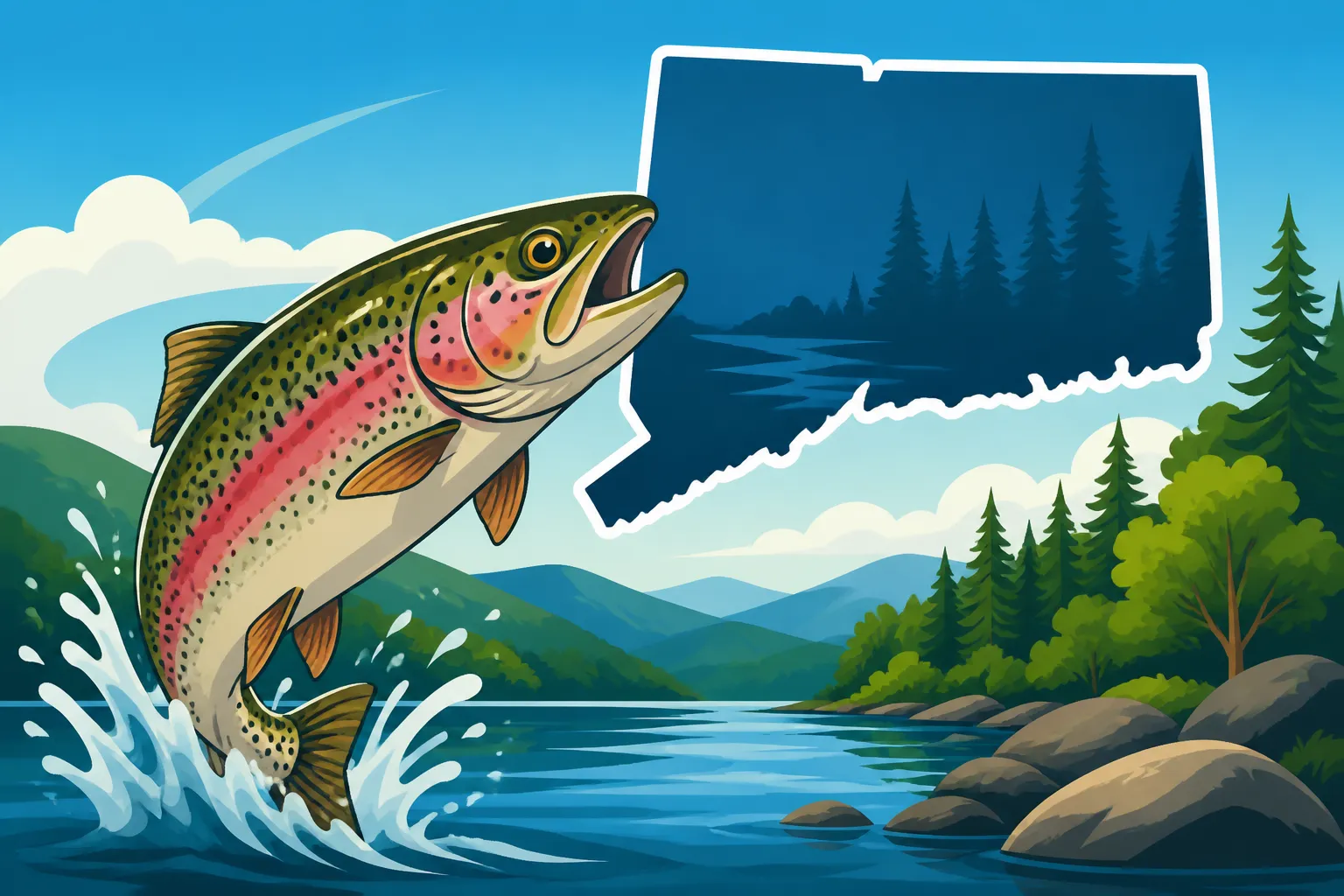
When most anglers think of trophy trout in Connecticut, they're typically envisioning a big brown trout. Browns are known for their ability to grow large and survive for many years in suitable habitats, often becoming apex predators. Generally, a brown trout is considered a trophy once it hits or exceeds 20 inches, though many anglers consider anything over 24 inches a true giant. These fish are often thick-bodied and incredibly powerful, presenting a formidable challenge. For rainbow trout, while they don't quite reach the same maximum sizes as browns in our waters, a rainbow pushing 18-20 inches is definitely a trophy-class fish, especially given their acrobatic fighting style. Our native brook trout, while beautiful, are much smaller on average. A brook trout of 12 inches is considered very respectable, and anything over 15 inches is a rare, true trophy for this species in Connecticut. Remember, a fish that is a trophy for a brook trout wouldn't be for a brown trout; it's all relative to the species.
The Elusive Nature of Large Trout
The reason these fish are "trophies" isn't just their size; it's their scarcity and the challenge involved in catching them. Large trout are not typically found in heavily stocked, easily accessible ponds. They're often in waters with abundant forage, deep holding pools, consistent cold water, and areas that provide cover from predators and angling pressure. They become incredibly wary, developing keen senses and learning to avoid common baits and presentations. Years of dodging hooks and anglers makes them incredibly cunning. Furthermore, many of Connecticut's best trout waters are subject to specific regulations, like catch-and-release only or single-hook artificial lure restrictions, which help these fish grow larger and live longer. This requires anglers to be more precise in their approach, offering an added layer of challenge and reward when you finally connect with one.
Premier Waters for Connecticut's Biggest Trout
Connecticut might be a small state, but it boasts some truly remarkable waters capable of producing big trout. While many streams get stocked, a select few stand out as consistent producers of truly trophy-sized fish, primarily big brown trout.
The Mighty Farmington River West Branch
Without a doubt, the Farmington River, particularly its West Branch, is Connecticut's undisputed king for trophy brown trout. This river's reputation stretches far beyond state lines, drawing anglers from across the Northeast. The Farmington's cold, consistent flows, fed by bottom-release dams, create an ideal environment for trout to thrive year-round, even through summer. The river supports a robust population of wild brown trout that reproduce naturally, alongside a significant number of holdover and trophy-sized stocked brown trout that grow to impressive dimensions.
The section from the Goodwin Dam in Hartland down through Riverton and New Hartford is particularly renowned. It features extensive Trout Management Areas (TMAs) with specific regulations designed to foster large fish populations, including catch-and-release sections and artificial lure-only rules. These rules, combined with rich insect life and varied river structure (deep pools, swift runs, undercut banks), create the perfect storm for browns to grow big and old. Many anglers pursue these fish with fly fishing gear, employing techniques like nymphing in deep pockets, swinging large streamers through runs, or carefully presenting dry flies during hatches. For instance, understanding the Connecticut Farmington River Trophy Trout Stream Rules is paramount to fishing this special water successfully, as regulations vary significantly along its length. You'll find brown trout in the 20-inch range regularly, with fish pushing 25 inches and beyond caught annually. It’s not an easy river to fish, but the rewards are well worth the effort.
The Storied Housatonic River
Another jewel in Connecticut's trophy trout crown is the Housatonic River. While it experiences more significant seasonal temperature swings than the Farmington, particularly in its lower reaches, the Housatonic still holds impressive numbers of large trout. The upper sections, especially within the Housatonic River Trout Management Area Fishing above Bulls Bridge in Kent, are prime territory. This area often sees impressive stockings, and many fish hold over, growing large on the river's abundant forage base.
The sheer size and varied character of the Housatonic make it a fantastic, albeit challenging, trophy trout destination. It offers everything from classic riffles and runs to deep, slow-moving pools and complex currents. While the Housatonic is known for its brown trout, it also harbors some robust rainbows. The river's vastness can be intimidating, but it means there’s always a new bend to explore. Fly anglers often target the Housatonic with large streamers imitating baitfish or with nymphs fished deep. Spin anglers can also find success with similar presentations or specialized lures. During the cooler months, from fall through spring, the Housatonic really shines for larger trout before summer temperatures can make fishing more difficult in certain sections. While the Housatonic is fantastic, checking for specific closures like the Connecticut Housatonic River Seasonal Closure Explained is always a good idea, particularly during warm weather.
Deep Water Giants: Candlewood Lake
For a completely different kind of trophy trout hunt, look no further than Candlewood Lake. This large, deep, clear-water lake in western Connecticut is not a river, but it’s famous for growing some absolute behemoth brown trout. These fish thrive on the lake's abundant alewife population, which provides a rich, fatty diet that allows them to pack on serious weight and size. Unlike river trout, which are often sleek and powerful, Candlewood Lake browns can be incredibly robust and girthy.
Targeting these lake-dwelling trophies usually involves different techniques: trolling with downriggers or lead core line, often with large spoons, stickbaits, or live bait (where permitted). The trout will often suspend in the cooler, deeper water, following baitfish schools. You'll need good electronics to locate these fish and their forage. Early spring and late fall are often the best times to target these giants when they are shallower and more active. Anglers here regularly report brown trout over 20 inches, with specimens exceeding 25 inches and even 30 inches a distinct possibility. It's a completely different challenge than river fishing, but the potential for a truly massive fish is undeniable.
Hidden Gems and Other Notable Waters
While the Farmington, Housatonic, and Candlewood are the main attractions, Connecticut does have other waters that can produce impressive trout. The Salmon River, particularly its designated Trout Management Area, is another excellent choice for both brown and rainbow trout, offering similar challenges and rewards to the Farmington on a slightly smaller scale. Some of the state's larger, deeper lakes, even those not primarily known for trout, can occasionally kick out a surprise trophy, especially after heavy stockings or in areas with cold springs. These might include places like East Twin Lake or West Hill Pond, which hold cold enough water to sustain trout through the summer, allowing them to grow. Exploring a Best Trout Streams in Connecticut guide can lead you to these lesser-known but equally rewarding spots.
Tactics for Landing a Trophy Trout
It's one thing to know where the trophy trout live, but it's another entirely to actually get one to bite. These fish are big for a reason—they're survivors. Their size often comes from a combination of age, cunning, and a healthy skepticism toward anything that looks unnatural.
Mastering Fly Fishing Techniques
For many serious trout anglers, fly fishing is the quintessential method for targeting trophy fish, especially on rivers like the Farmington and Housatonic.
- Streamer Fishing: Big trout eat big meals. Large streamers, mimicking baitfish such as sculpins, dace, or even juvenile trout, are incredibly effective. Patterns like Woolly Buggers, Sex Dungeons, and various articulated streamers can entice aggressive strikes. The key is to fish them aggressively, imparting a lifelike darting motion, or slowly stripping them through deep pools and across current seams where large trout lie in ambush. If you're looking for specialized advice on larger predatory patterns, our article on Best streamer patterns for Connecticut brown trout provides excellent starting points.
- Deep Nymphing: Even large trout still feed heavily on subsurface insects. Euro nymphing or indicator nymphing with heavy, weighted flies can reach the bottom in deep runs and pools where trophy trout hold. Stoneflies, caddis, and large mayfly nymphs are crucial patterns. The challenge lies in achieving a natural drift in complex currents and detecting the subtle takes of a large, often lazy, fish.
- Matching the Hatch: While less common for the absolute largest trout, during prolific hatches, even big fish will rise to feed on the surface. Having a selection of larger dry flies to match prominent hatches like Hendrickson, Sulphur, or even large caddis can lead to an unforgettable topwater strike from a trophy. Precise casting and delicate presentation are critical here. For those who embrace the fly rod, the Fly Fishing for Trout in Connecticut guide offers comprehensive advice.
Effective Spin Fishing Strategies
Spin fishing is an equally viable and often highly effective method for trophy trout, especially for anglers who are new to the pursuit or prefer the versatility it offers.
- Hardware and Lures: Spinners, spoons, and small crankbaits can be deadly for aggressive trout. For larger fish, don't be afraid to go with bigger lure sizes than you might typically use for stocked trout. Colors that mimic natural forage, like silver, gold, or brown trout patterns, are often effective. Casting into current breaks, along undercut banks, and retrieving at varied speeds can trigger strikes. Rapala countdowns, Panther Martin spinners, and larger Kastmasters are popular choices.
- Live Bait (Where Permitted): In waters where live bait is allowed, it can be irresistible to large trout. Shiners, worms, or even hellgrammites presented naturally, either drifted under a float or fished on the bottom with minimal weight, can be incredibly productive. Always check local regulations, as many trophy trout waters have artificial lure-only rules.
- Bottom Bouncing: For deep holes and pockets in rivers or fishing from shore in lakes, a simple bottom-bouncing rig with bait can work. Use just enough weight to hold bottom, letting the bait waft naturally in the current. This gets your offering right into the strike zone of lethargic, deep-holding fish.
The Importance of Timing and Conditions
Successfully targeting trophy trout often boils down to being in the right place at the right time, when conditions are optimal.
- Seasonal Patterns: Fall is often considered prime time for large brown trout, as they become more active and aggressive during their spawning run. Early spring, after the ice-out but before heavy angling pressure, can also be excellent. During the summer, focus on the coldest sections of rivers or the deep, thermocline layers of lakes. When planning your fishing calendar, remember that understanding Connecticut Fishing Seasons by Month can significantly impact your success rate, allowing you to align your trips with peak trophy trout activity.
- Water Levels and Temperature: High, dirty water after heavy rain can be tough, but slightly elevated and stained water can often make large trout more comfortable and less wary. Conversely, extremely low and clear water requires an even stealthier approach. Most importantly, understanding What water temperature trout need to survive is crucial. Trophy trout prefer cooler water, generally below 65°F. Fish early or late in the day during warmer periods.
- Time of Day: Dawn and dusk are often magic hours, when light is low, and large trout are more likely to move out of cover to feed. Overcast days can extend these low-light conditions, providing all-day opportunities.
Planning Your Trophy Trout Expedition
A successful trip for trophy trout in Connecticut isn't just about showing up with a rod. It requires careful planning, the right gear, and often, a willingness to learn from those who know the waters best.
Essential Gear and Preparation
You don't need the most expensive gear, but reliability and suitability for the task are key. For river fishing, a 9-foot, 5-8 weight fly rod or a medium-light to medium power spinning rod will cover most situations. Spool your reels with fresh line – 4x or 5x tippet for fly fishing, or 6-10 lb test monofilament or fluorocarbon for spin fishing. Always carry a selection of appropriate flies or lures, including larger patterns for trophy fish. Waders and appropriate footwear are essential for accessing river sections. For lake trolling, a heavier rod with a strong reel spooled with braided line is necessary, along with specialized gear like downriggers if you're serious about deep-water trolling. Don't forget a large landing net; a small trout net won't cut it for a 25-inch brown. A quality pair of polarized sunglasses will help you spot fish and structure, and a good map or GPS can be invaluable on larger waters.
Considering a Guided Trip
If you're serious about maximizing your chances for a trophy trout, especially on complex rivers like the Farmington or Housatonic, considering a guided trip is a fantastic investment. Local guides possess an intimate knowledge of the water, its holding spots, and the most effective techniques for current conditions. They can quickly put you on fish, teach you subtleties you'd take years to learn, and ensure you're fishing legally and effectively. Many experienced guides, easily discoverable on platforms like FishingBooker, specialize in trophy trout and can offer insights that would take years to acquire on your own. They often provide all the necessary gear, reducing the burden of outfitting yourself, and more importantly, they can teach you the nuances of presentation that make all the difference with wary fish. Whether it's for a full day of casting streamers on the Farmington or learning the ins and outs of deep-water trolling on Candlewood, a guide can be your secret weapon. Before heading out, checking local conditions and potentially browsing for highly-rated guides on FishingBooker is a smart move, ensuring you're prepared for the specific challenges and rewards each body of water offers.
Respecting the Resource and Regulations
Finally, remember that trophy trout are a precious resource. Practice careful catch and release, especially for these large, mature fish. Handle them gently, keep them in the water as much as possible, and revive them thoroughly before release. Understand and adhere strictly to all local fishing regulations. Connecticut has a wealth of resources available, including maps of List of Connecticut stocked trout waters and information on Connecticut Trout Season and Stocking Rules that detail specific rules for different waters. Many of the state's best trophy trout waters have special regulations, such as catch-and-release only, single barbless hook restrictions, or artificial lures only. Always consult the current Connecticut Angler's Guide or the DEEP website before heading out. FishingBooker guides are also meticulous about following these rules, ensuring a responsible and ethical fishing experience. By respecting these fish and their habitat, we ensure that the dream of catching a trophy trout remains a possibility for future generations of anglers.
Disclaimer
Please note that fishing conditions and regulations can change frequently. Always consult the official Connecticut Department of Energy and Environmental Protection (DEEP) website or the current Connecticut Angler's Guide for the most up-to-date rules, regulations, and advisories before planning any fishing trip.