Gardner Lake Fishing Guide
For anglers venturing into Connecticut's diverse waters, the prospect of fishing a new lake can be both exciting and daunting. You might be wondering where to even begin, what fish you'll find, or what hidden gems exist that only locals know about. This comprehensive guide is designed to peel back the layers of Gardner Lake, offering you an in-depth look at its fishing potential, access points, and strategies to make your next outing a success.
Getting to Know Gardner Lake: A Jewel in Eastern Connecticut
Gardner Lake, nestled in the towns of Salem, Montville, and Bozrah, is more than just another body of water in Connecticut; it's a vibrant ecological hub and a beloved destination for anglers across the state. With its sprawling 529 acres, it offers a diverse range of habitats, from shallow coves perfect for bass to deeper, cooler sections that hold trout, making it a truly versatile fishing spot. Understanding the lake's unique characteristics is the first step to unlocking its secrets.
Lake Characteristics and Depth Overview
Gardner Lake boasts a maximum depth of around 35 feet, with an average depth that hovers closer to 14 feet. This varied topography is critical to its diverse fishery. The shallows, often choked with lily pads and submerged vegetation during the warmer months, provide ideal ambush points for largemouth bass and pickerel. These areas are also fantastic for panfish, offering them cover from predators and plenty of insect life.
Moving towards the center of the lake, you'll find deeper sections that remain cooler, especially in summer. These thermal refuges are vital for the lake's trout population, which struggle when water temperatures rise. Knowing these depth variations helps you target specific species throughout the seasons. The bottom structure itself varies, from soft, silty areas in the coves to rockier sections along certain points and ledges. This complexity means that adapting your presentation to the specific area you're fishing is key to success.
Aquatic Vegetation and Structure Hotbeds
The health of any lake's fishery is directly tied to its aquatic vegetation and structure, and Gardner Lake is no exception. Large swathes of submerged weeds, lily pad fields, and fallen timber provide critical habitat for baitfish and game fish alike. During spring and early summer, these weed lines are absolute magnets for largemouth bass, which use them for spawning, feeding, and shelter. Targeting the edges of these weed beds, or pitching lures into pockets within them, can be incredibly productive.
Beyond the visible vegetation, Gardner Lake also offers subtle underwater structures like humps, points, and old roadbeds that can be fish magnets. While some are marked on detailed lake maps, others require a good fish finder or local knowledge to locate. These structural elements break up the otherwise flat bottom, creating current breaks and feeding lanes that attract baitfish, and in turn, larger predatory fish. Pay attention to how the bottom contours change; even a slight drop-off from 10 to 15 feet can be a high-percentage spot.
Prime Fishing Targets and What They Like
Gardner Lake is a veritable smorgasbord for anglers, offering a diverse array of fish species that appeal to different fishing styles. Whether you're chasing the thrill of a hard-fighting bass, the subtle bite of a panfish, or the power of a freshly stocked trout, Gardner Lake has something for everyone. Understanding each species' preferred habitat and diet is crucial for maximizing your catch.
Largemouth Bass: The Lake's Top Predator
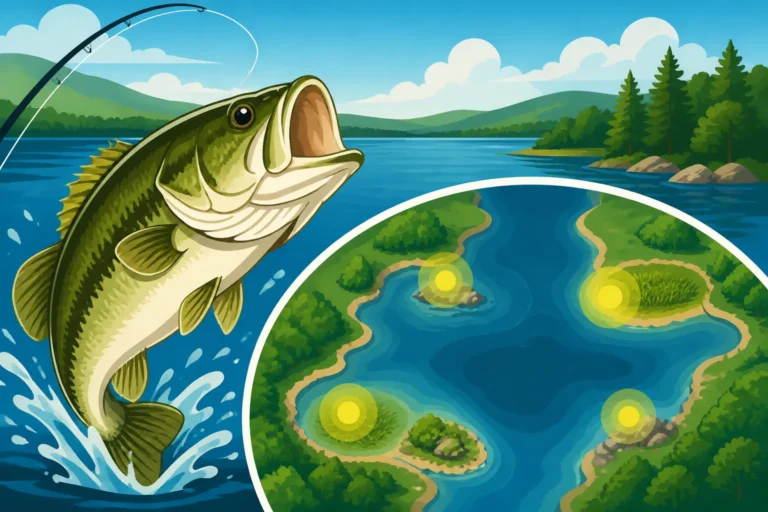
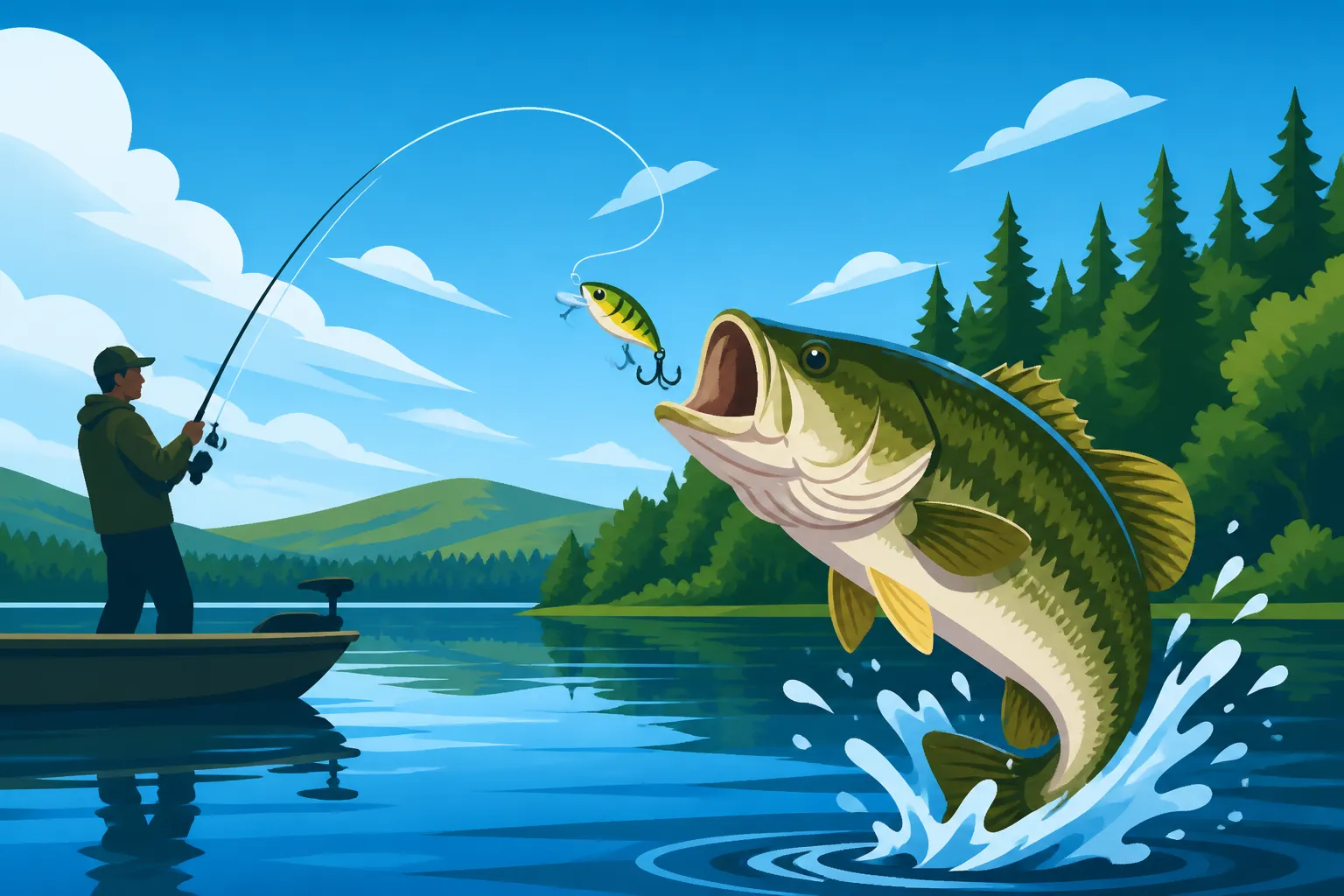
Largemouth bass are arguably the most popular target species in Gardner Lake, and for good reason. The lake's abundant shallow cover, including dense weed beds, lily pads, and submerged timber, creates a perfect environment for these ambush predators. You'll find them holding tight to structure, waiting for an unsuspecting baitfish or frog to swim by. They are active from early spring, when they move into the shallower coves for spawning, through the fall, when they feed aggressively before winter sets in.
Their diet is quite varied, consuming everything from smaller fish like shiners and sunfish to frogs, crawfish, and even ducklings. This diverse palate means you can entice them with a wide range of lures. Soft plastics like Texas-rigged worms and creature baits are fantastic for pitching into dense cover, mimicking crawfish or wounded prey. Spinnerbaits and chatterbaits are excellent for covering water along weed lines, while topwater frogs and poppers create explosive strikes when fished over lily pads, especially during low light conditions. If you're looking for more guidance on specific techniques, check out our guide on How to Catch Largemouth Bass in Connecticut.
Trout: Stocked for Your Enjoyment
Gardner Lake is one of Connecticut's premier trout waters, thanks to regular stocking by the Connecticut Department of Energy and Environmental Protection (DEEP). Both rainbow trout and brown trout are introduced here, offering fantastic opportunities for anglers seeking coldwater species. While some of these trout may become "holdovers," surviving for more than one season and growing to impressive sizes, the majority are caught shortly after stocking. These fish thrive in the cooler, deeper sections of the lake, especially during the warmer months.
When targeting trout, think about what they're naturally feeding on or what triggers an aggressive strike. PowerBait, corn, and worms fished on the bottom with a simple egg sinker rig are classic and effective choices, particularly for newly stocked fish. For more active presentations, small spoons like Kastmasters or Daredevils, and inline spinners such as Mepps or Panther Martins, can be deadly when cast and retrieved through the deeper channels or around points. Fly anglers can also find success, especially during spring and fall, using streamers or nymphs to imitate baitfish or aquatic insects. Our Connecticut Trout Season and Stocking Rules guide provides more details on stocking schedules.
Panfish and Other Species: Fun for the Whole Family
Beyond bass and trout, Gardner Lake is teeming with panfish like bluegill, pumpkinseed sunfish, and yellow perch, making it an ideal spot for family outings or beginners. These smaller, yet feisty, fish are abundant and relatively easy to catch, providing consistent action. You'll typically find them in shallower, vegetated areas, especially around docks, fallen trees, and lily pads, where they feed on insects, small crustaceans, and larvae.
A simple bobber setup with a small hook baited with a piece of worm, a mealworm, or a small piece of corn is all you need for panfish. Light tackle, ultralight spinning rods, and small jigs or micro-spoons can also be incredibly effective. The consistent bites from panfish can keep younger anglers engaged and excited. In addition to panfish, Gardner Lake also holds chain pickerel, an aggressive toothy predator that loves to hide in thick vegetation, and occasionally, you might even encounter some bullheads or carp. Remember to consult the Connecticut Fishing Regulations Explained for specific limits and rules on all species.
Navigating Gardner Lake: Access Points and Hot Spots
Knowing what fish to target is only half the battle; the other half is knowing where to find them and how to get there. Gardner Lake offers several public access points, catering to both boaters and shore anglers. Understanding these entry points and where to focus your efforts can drastically improve your fishing experience.
Public Boat Launch and Parking
The primary public access for boaters on Gardner Lake is the state boat launch, conveniently located off Route 354 in Salem. This launch provides ample parking for vehicles with trailers and offers a concrete ramp, making it easy to put in various types of vessels, from small jon boats to larger bass boats. It's a busy spot, especially on weekends during prime fishing season, so arriving early is often a good strategy to secure a parking spot and avoid lines.
From the launch, you have direct access to the main body of the lake, allowing you to quickly navigate to your preferred fishing grounds. Remember to always practice safe boating and adhere to all Connecticut Boating Laws for Anglers. The proximity of the launch to both shallow coves and deeper open water makes it an excellent starting point for exploring the entire lake. Always be mindful of other boaters and paddlers, especially in the narrower sections of the lake.
Shore Fishing Opportunities and Key Areas
While Gardner Lake is popular among boaters, shore anglers aren't left out. The state boat launch area itself provides some limited shore fishing opportunities, particularly along the edges of the launch area and nearby banks. However, for more extensive shore access, several areas around the lake offer spots where you can cast a line. These often include undeveloped sections of the shoreline or areas near public roads where access isn't restricted.
One of the most productive shore fishing spots can be found along the southwestern side of the lake, particularly near the small bridge on Route 354 that crosses a narrow section of the lake. This area often has moving water and varying depths, attracting both bass and panfish. Additionally, any public areas with docks or fallen trees can be prime targets. When shore fishing, remember to be respectful of private property and always pack out whatever you pack in, leaving no trace behind. Utilizing a website like FishingBooker can sometimes provide insights into publicly accessible spots through user-generated reports or guide listings that mention specific areas.
Identifying Productive Structures and Depths
To truly unlock Gardner Lake's potential, you need to think like a fish and understand where they're likely to be holding. For largemouth bass, focus on the abundant shallow weed lines, lily pad fields, and areas with submerged timber. The northern and eastern coves, particularly those with gradual depth changes, are often bass havens. Look for pockets within the weeds, points that extend into deeper water, or any isolated cover.
For trout, especially during spring and fall, explore the deeper sections of the main lake basin. The area directly out from the state boat launch, or the deeper channels that run through the lake, are often where trout will congregate. In summer, they will seek out the coolest, deepest water available. Using your fish finder to locate schools of baitfish in these deeper zones can be a strong indicator of trout presence. For panfish, simply target any shallow, vegetated areas, especially those with some form of cover like docks or overhanging trees. They are often less particular and more numerous.
Seasonal Strategies for Gardner Lake Success
The ever-changing seasons in Connecticut dramatically influence fish behavior, making seasonal strategy crucial for consistent success on Gardner Lake. What works in spring won't necessarily work in summer, and adapting your approach is key to staying on the fish year-round.
Springtime: Rebirth and Aggression
Spring on Gardner Lake is a time of awakening, both for the fish and the anglers. As ice recedes and water temperatures begin to climb, fish become incredibly active. This is a prime time for largemouth bass as they move into shallower water to prepare for spawning. Look for them in the northern coves and protected bays, where the water warms up faster. Spinnerbaits, chatterbaits, and shallow-diving crankbaits are excellent for covering water and triggering reaction strikes from pre-spawn bass. As they move onto beds, soft plastics like creature baits and Senkos become incredibly effective for sight fishing.
Spring is also a phenomenal time for trout, especially right after the initial stockings. These freshly introduced fish are often eager to bite and can be found throughout the water column. Baits like PowerBait, worms, and corn are very effective. Small spoons and inline spinners also work well when retrieved slowly. Early season conditions can be unpredictable, so layers of clothing are always a good idea. Our Spring Trout Fishing Techniques for Connecticut Streams guide offers great tips that can also be applied to lake fishing in the spring.
Summer: Deep Water and Early Mornings
As summer progresses and water temperatures rise, fishing on Gardner Lake often becomes more challenging, but still very rewarding with the right approach. Largemouth bass will often retreat to deeper, cooler water during the heat of the day, seeking cover in submerged weed beds, brush piles, or along deep-water humps and ledges. Topwater action can be explosive during the early morning and late evening hours, especially over lily pads and sparse vegetation. During midday, try flipping jigs or Texas-rigged plastics into heavy cover or fishing shaky heads and drop-shots on deeper structure.
Trout fishing in summer can be tricky, as these coldwater species will seek out the deepest, coolest parts of the lake. This often means targeting depths of 20-30 feet. Trolling small spoons or rapala-style lures at these depths can be effective, as can still-fishing with bait on the bottom. Panfish remain active throughout the summer, providing reliable action in the shallows for those looking for a relaxing day. Keep an eye on local reports, sometimes found on platforms like FishingBooker, for up-to-date insights on where fish are biting during the dog days of summer.
Fall: The Pre-Winter Feast
Fall is a spectacular time to fish Gardner Lake, characterized by cooling water temperatures and aggressive feeding activity as fish prepare for winter. Largemouth bass will often move back into shallower water, particularly along rocky points and creek channels, gorging themselves on baitfish. Crankbaits, jerkbaits, and bladed jigs become highly effective as bass chase down schools of shad and shiners. This is also a great time for slower presentations like jigs and football head jigs fished on deeper structure.
Trout fishing also sees a resurgence in the fall, especially as water temperatures become more favorable throughout the lake. Fresh stockings often occur, and holdover trout become more active. Similar to spring, spoons, spinners, and various baits can produce excellent results. Fall is often considered one of the best times to catch a trophy-sized trout from Gardner Lake, as they become more accessible and aggressive.
Essential Gear and Techniques for Gardner Lake
Having the right gear and knowing how to use it effectively can make all the difference in your Gardner Lake fishing adventure. While you don't need a tackle shop's worth of equipment, having a few versatile setups and understanding fundamental techniques will greatly increase your chances of success.
Rod and Reel Setups for Versatility
For general-purpose fishing on Gardner Lake, a medium-action spinning rod, about 6'6" to 7' long, paired with a 2500 or 3000 series spinning reel, is incredibly versatile. Spool it with 8-12 lb monofilament or fluorocarbon line, or 15-20 lb braided line with a fluorocarbon leader. This setup is ideal for casting a wide range of lures, from small panfish jigs to heavier bass plastics and trout spoons. It offers a good balance of casting distance, sensitivity, and fighting power for most species you'll encounter.
If you're specifically targeting largemouth bass in heavy cover, a medium-heavy baitcasting setup with 30-50 lb braided line will give you the power and abrasion resistance needed to pull fish out of thick weeds or wood. For serious trout anglers, a lighter action spinning rod (e.g., medium-light) paired with 6-8 lb fluorocarbon line offers more sensitivity for detecting subtle bites and allows for more delicate presentations with smaller lures and baits. Don't forget to have a net handy; it's invaluable for landing larger fish safely.
Lures, Baits, and Terminal Tackle Recommendations
Your tackle box for Gardner Lake should be well-stocked for the various species you might pursue. For largemouth bass, include a selection of soft plastics (Senkos, creature baits, worms), jigs (flipping jigs, football jigs), spinnerbaits, chatterbaits, and a few topwater lures (frogs, poppers). Crankbaits in various diving depths are also a must. Brands like Strike King, Gary Yamamoto, and Rapala are always solid choices.
For trout, keep it simple with PowerBait (in various colors), corn, and live worms. For artificials, small inline spinners (Mepps, Panther Martin), spoons (Kastmaster, Little Cleo), and small minnow imitations work wonders. Panfish anglers will find success with small hooks (size 8-12) paired with worms, mealworms, or micro jigs (1/32 to 1/16 oz) tipped with small plastics. Don't forget essential terminal tackle: extra hooks (various sizes), sinkers (bullet weights, egg sinkers, split shots), swivels, and a good pair of pliers or line cutters.
Reading the Water and Advanced Techniques
Beyond basic casting and retrieving, truly successful anglers on Gardner Lake learn to "read the water." This involves observing surface activity like baitfish schools or feeding fish, identifying structural elements, and understanding how wind and current affect fish location. For bass, pay attention to the sunny and shady sides of cover depending on the time of day. For trout, look for subtle current breaks or deep-water humps where they might ambush prey.
Advanced techniques can include finesse fishing with shaky heads or drop shots when bass are finicky, especially in clear water conditions. Trolling can be very effective for covering large areas and finding active trout. For panfish, vertical jigging around submerged brush or dock pilings can concentrate your efforts on productive schools. Experimentation is key; if one technique isn't working, don't be afraid to switch it up until you find what the fish want. Sometimes, even finding a local guide through resources like FishingBooker can provide invaluable insights into these advanced, localized techniques.
Regulations and Conservation on Gardner Lake
Fishing on Gardner Lake comes with responsibilities. To ensure the health of the fishery and the enjoyment of all anglers, it's paramount to understand and adhere to Connecticut's fishing regulations and practice sound conservation principles.
Connecticut Fishing Regulations Specifics
Gardner Lake falls under the general statewide freshwater fishing regulations, but it's crucial to always check the most current Connecticut Angler's Guide published by the CT DEEP, as rules can change annually. Key regulations typically include:
- Fishing License: Anyone 16 years of age or older must possess a valid Connecticut Fishing License Guide for 2026.
- Daily Creel Limits and Minimum Lengths: These vary by species. For example, there are specific daily creel limits for trout, largemouth bass, and chain pickerel.
- Trout and Salmon Stamp: If you plan to keep trout from a Trout Management Lake like Gardner, you often need a separate Connecticut Trout and Salmon Stamp, Explained in addition to your fishing license.
- Prohibited Methods: Certain fishing methods, such as snagging or using trotlines, are generally prohibited.
Always carry a copy of the regulations, either physical or digital, and be prepared to show your license if requested by environmental conservation police. Ignorance of the law is not an excuse, and penalties for violations can be significant, as detailed in our guide on Fishing Without a License in Connecticut: Penalties.
| Species | Season | Daily Creel Limit | Minimum Length |
|---|---|---|---|
| Largemouth Bass | Year-round | 6 | 12 inches |
| Trout (General) | Year-round | 5 | 9 inches |
| Pickerel | Year-round | 6 | 15 inches |
| Panfish | Year-round | No Limit | No Limit |
Always consult the current CT DEEP Angler's Guide for the most up-to-date and specific regulations, as these can change.
Catch and Release Best Practices
While keeping a few fish for the dinner table is certainly part of the fishing experience, practicing catch and release, especially for larger breeding fish, helps maintain healthy fish populations. When practicing catch and release, handle fish gently with wet hands. Minimize their time out of the water. If a fish is deeply hooked, especially in the gills, consider cutting the line rather than trying to remove the hook, as this often causes more harm.
For bass, use a lip-gripper to control the fish safely. For trout, especially during warmer months, try to land them quickly and keep them in the water as much as possible for release, as they are more susceptible to stress in warm water. Using barbless hooks can also make unhooking fish much easier and quicker, reducing stress and injury. These conservation efforts ensure that Gardner Lake remains a fantastic fishing destination for generations to come.
Invasive Species Awareness
Gardner Lake, like many bodies of water, is vulnerable to invasive species. These non-native plants and animals can outcompete native species, disrupt ecosystems, and negatively impact fishing. It's every angler's responsibility to prevent their spread. Always "Clean, Drain, Dry" your boat, trailer, and all fishing gear before moving from one body of water to another. Remove any visible vegetation or mud from your boat and trailer. Drain live wells, bilge water, and bait buckets before leaving the ramp. Dry all equipment thoroughly. Never release unused bait into the lake. By taking these simple precautions, you can help protect Gardner Lake's delicate balance and prevent the introduction of harmful invaders.
Disclaimer
Please note that fishing regulations and conditions can change. Always consult the latest Connecticut Department of Energy and Environmental Protection (DEEP) fishing guide for the most up-to-date rules, regulations, and advisories before heading out on the water. This guide is for informational purposes only and should not replace official sources.