Best fly fishing access on the Farmington River
Finding that perfect, serene stretch of river where the trout are biting and you can cast a line without feeling like you're standing shoulder-to-shoulder with a dozen other anglers can be a real challenge, especially on a celebrated waterway like the Farmington. This guide is dedicated to breaking down the mystery of public access points on the Farmington River, ensuring you spend less time searching for a spot and more time enjoying Connecticut's premier fly fishing experience.
Understanding the Farmington River's Unique Charm for Fly Anglers
The Farmington River isn't just another stream in Connecticut; it's a legendary destination for fly anglers, often spoken about in the same breath as some of the Northeast's most renowned trout waters. Its reputation is well-earned, drawing enthusiasts from all over who are eager to experience its diverse fishing opportunities. But what truly sets it apart?
Why the Farmington is a Premier Fly Fishing Destination
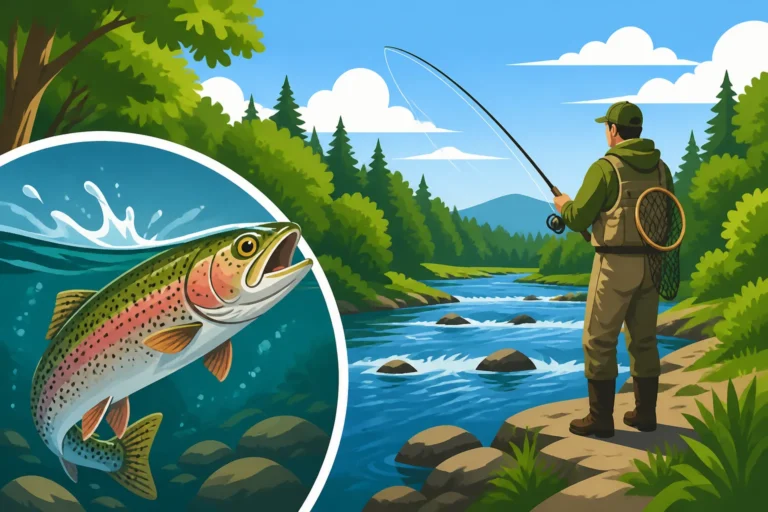
First and foremost, the Farmington boasts exceptional water quality, largely thanks to its cold, clear flows released from the Goodwin Dam. These consistent cold-water discharges are absolutely vital for supporting a thriving trout population, especially through the warmer months when many other rivers become too warm for trout to survive comfortably. This reliable cold water allows for a fantastic year-round fishery, making it a truly unique resource. The river is heavily stocked by the Connecticut Department of Energy and Environmental Protection (DEEP) with brown, rainbow, and brook trout, particularly in the sections designated as Trout Management Areas (TMAs).
Beyond the generous stocking, the Farmington also has a healthy population of wild brown trout that naturally reproduce, adding another layer of challenge and reward for experienced anglers. These wild fish are often more elusive and require a refined approach, making a successful catch all the more satisfying. The variety in water types, from swift riffles and deep pools to long, slow runs, means there's a section perfectly suited for every fly fishing technique, whether you're drifting nymphs, swinging streamers, or delicately presenting dry flies to rising fish. The sheer abundance of insect life, from various caddis and mayfly hatches to stoneflies, provides a rich food source for the trout and endless opportunities for matching the hatch. Many anglers consider it among the Best Fly Fishing Rivers in Connecticut.
Key Sections of the River for Fly Fishing
The Farmington River is generally divided into several distinct sections, each offering a slightly different character and fishing experience. Understanding these zones is crucial for planning your outing and choosing the right access point for your desired adventure. The most famous and heavily regulated stretch is the permanent Trophy Trout Management Area, which runs from the base of the Goodwin Dam downstream for about 3 miles to the Route 219 bridge in New Hartford. This section is strictly catch-and-release year-round, except for the harvest of one trout over 9 inches during specific dates, and only single-hook artificial lures or flies are permitted. It's a fantastic place for anglers seeking larger, smarter fish.
Downstream from the Trophy Trout Management Area, the river continues through various open-season and other Trout Management Area designations. The stretch from the Route 219 bridge down through Collinsville offers a mix of pocket water, riffles, and some wider, slower sections. While still managed for trout, the regulations might vary slightly, and conventional tackle can sometimes be used depending on the specific TMA rules. Further downstream, below Collinsville, the river becomes wider and warmer, with more opportunities for smallmouth bass and even occasional northern pike, although trout can still be found in colder pockets or during cooler seasons. Knowing which section you're targeting will dictate not only your fishing strategy but also the most appropriate access points to consider. For a deeper dive, check out the Connecticut Trout Management Area Regulations.
Navigating Public Access Points on the Farmington River
One of the biggest hurdles for any angler, especially those new to a river, is simply figuring out where to park and legally access the water. The Farmington River, while having ample public access, also has stretches that are privately owned, making responsible access essential. It's not always as simple as pulling over and hopping out; knowing the lay of the land can save you a lot of headache and ensure you respect both the resource and private landowners.
Popular and Well-Known Access Zones
There are several spots along the Farmington that have become staples for fly anglers, often for good reason: they offer convenient parking, relatively easy wading, and consistent fishing.
- Riverton (Goodwin Dam Area): This is the very top of the prime fly fishing stretch, right below the Goodwin Dam. You'll find ample parking at the state-owned access points near the dam. This area is known for its consistent cold-water releases, making it a fantastic spot, especially in summer. The water here can be deep and powerful, so careful wading is advised. It's often where the fish are initially stocked, so it can get crowded, particularly during the Connecticut Trout Season and Stocking Rules. The fishing can be exceptional, with plenty of riffles and deep pools. This stretch is a cornerstone of the Farmington River West Branch Trout Fishing experience.
- Hogback: A little downstream from Riverton, Hogback is another popular spot with dedicated parking areas. This section offers a more diverse range of water, from faster runs to slower, deeper pockets where fish often hold. The wading can be a bit more challenging than some of the wider, flatter stretches, with more slippery rocks and irregular bottom contours, but it often rewards anglers with fewer crowds than the immediate dam area. It's a great spot to practice your nymphing techniques.
- Greenwoods: This area near New Hartford provides a mix of habitat and good access. There are several turnoffs and parking spots along Route 219 and local roads that lead to public access. The Greenwoods section features some lovely riffles, inviting runs, and quieter pools. It’s a good representation of the river’s varied character and offers opportunities for both dry fly and subsurface presentations. It's a popular choice for anglers looking for a slightly less intense current than the upper dam area.
- Collinsville: As you move further downstream, the historic town of Collinsville offers significant public access, including parking near the town center and along the river. This section is generally wider and can have more moderate flows, making it somewhat more forgiving for beginners, though still challenging enough for seasoned anglers. The areas around the old mill buildings offer unique structure. You can often find access points just off Collinsville Road. This part of the river can hold a good number of stocked trout, and as you head downstream, you'll start to encounter more warm-water species as well.
Lesser-Known Gems and Walk-In Opportunities
While the popular spots are popular for a reason, there's a special satisfaction in finding a quieter stretch of water. The Farmington River offers many opportunities for those willing to explore a bit. These often require a keen eye, a good map, and sometimes a short hike.
Many state forests and wildlife management areas border the Farmington, offering walk-in access that might not be immediately obvious from the road. Look for areas like American Legion State Forest or Nepaug State Forest, which have public easements and trails leading to the river. These spots often lack designated parking lots, requiring you to find safe roadside parking and then follow paths down to the water. The trade-off for this effort is often fewer anglers and a more intimate connection with the river. When considering a guide for exploring these more secluded spots, remember that platforms like FishingBooker often list local experts who specialize in finding these hidden gems and can provide a unique experience tailored to your skill level.
Another approach is to scout out bridge crossings and look for state-owned lands or conservation easements. Many smaller, unmarked parking areas or pull-offs exist that lead to excellent fishing. Always be mindful of "No Trespassing" signs and private property boundaries. Respecting these boundaries is crucial for maintaining good angler-landowner relationships and ensuring continued public access. Sometimes, even a short walk upstream or downstream from a well-known access point can lead you to a secluded pocket that sees less pressure. These areas are fantastic for honing your Wading Techniques for Connecticut Trout Streams in a quieter setting. For those who prefer to have a local expert lead the way to these less-traveled areas, checking for guided trips on a site like FishingBooker can be incredibly helpful; these guides have often spent years discovering and navigating these very spots.
| Access Point/Area | Key Features | Target Species (Fly Fishing) | Best For | Typical Wading Difficulty |
|---|---|---|---|---|
| Riverton (Goodwin Dam) | Consistent cold water, deep pools, swift currents | Brown, Rainbow, Brook Trout (stocked & wild) | Experienced anglers, trophy potential | Moderate to Difficult |
| Hogback (New Hartford) | Varied runs, riffles, deeper pockets, good structure | Brown, Rainbow, Brook Trout (stocked & wild) | All skill levels, nymphing | Moderate |
| Greenwoods (New Hartford) | Mix of runs and pools, scenic, diverse habitat | Brown, Rainbow, Brook Trout (stocked & wild) | All skill levels, diverse techniques | Easy to Moderate |
| Collinsville | Wider river, moderate flows, urban access, public parks | Brown, Rainbow, Brook Trout (stocked & holdover) | Beginners, family-friendly | Easy |
| Nepaug State Forest | Walk-in access, secluded spots, wilder feel | Brown Trout (wild), some stocked | Anglers seeking solitude, exploration | Moderate |
Essential Considerations for Fly Fishing the Farmington
Beyond simply finding a place to cast, responsible and effective fly fishing on the Farmington requires an understanding of the rules and an appreciation for river etiquette. This river is a precious resource, and adherence to regulations and a respectful approach ensures its health and accessibility for all.
Regulations, Seasons, and Special Management Areas
The Farmington River has some of the most detailed and specific regulations in Connecticut, primarily due to its status as a premier trout fishery. The most important thing to remember is that different sections of the river have different rules. The Trophy Trout Management Area, mentioned earlier, is a prime example, with its single-hook artificial lure/fly only rule and specific harvest limitations. Other sections might have different creel limits, size restrictions, or even designated fly-fishing-only stretches. It's absolutely critical to consult the most current Connecticut Fishing Regulations Explained guide from the DEEP before heading out. Ignorance of the law is no excuse, and wardens patrol these popular waters regularly.
Furthermore, pay close attention to the season dates. While parts of the Farmington are open year-round, others might have specific closure periods or changes in regulations depending on the time of year. For instance, some areas might transition from catch-and-release to allowing harvest, or vice versa. The specific species you're targeting also plays a role. Trout regulations are very strict, but if you venture downstream into areas where smallmouth bass are more prevalent, different rules apply. Always make sure your gear—especially your flies and hooks—complies with the regulations of the specific section you're fishing. For instance, knowing the appropriate Fly Patterns for Connecticut Trout Streams that are also regulation-compliant is key.
Safety, Ethics, and River Etiquette
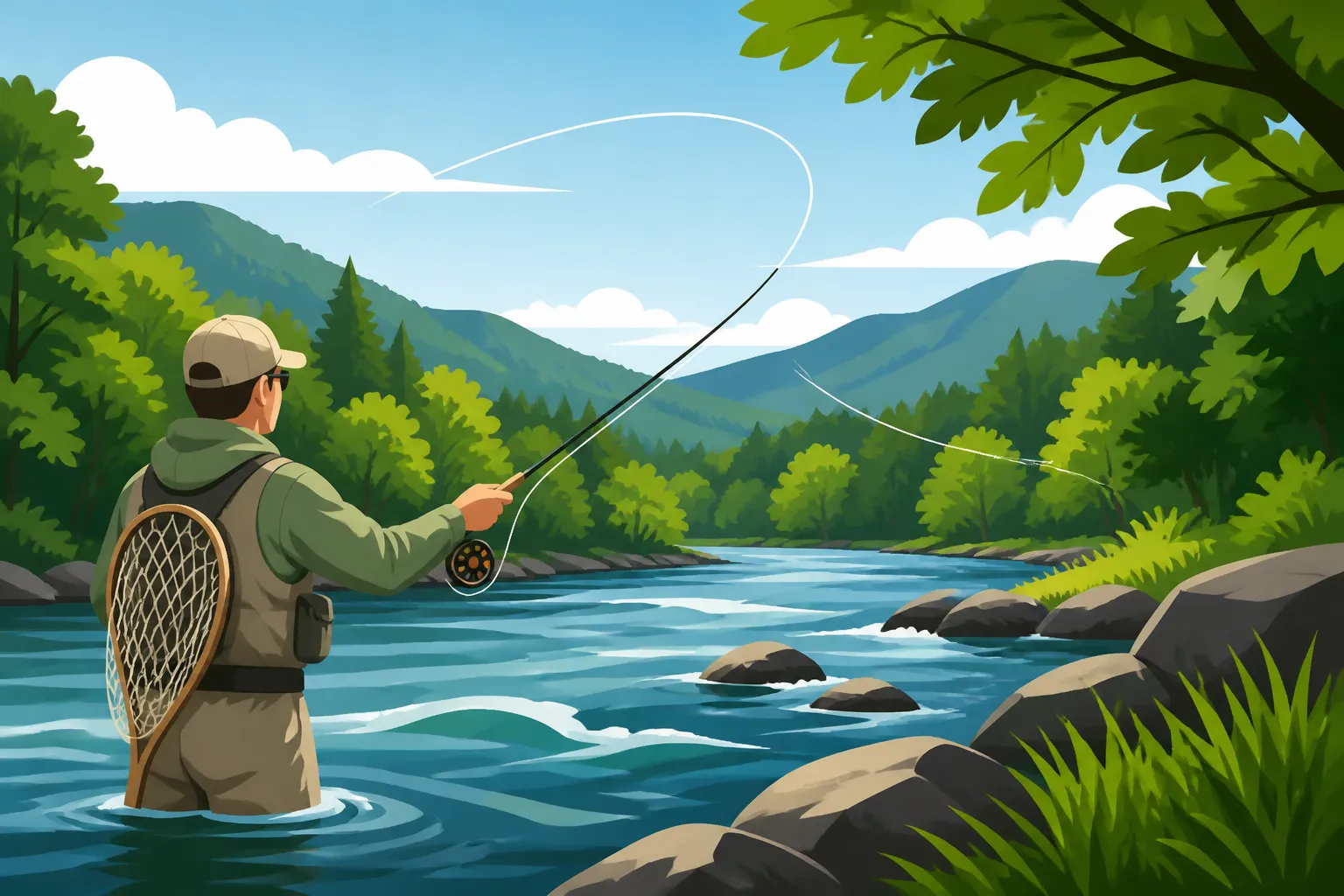
Fly fishing on the Farmington isn't just about catching fish; it's about being part of a community and respecting the environment. Safety should always be your top priority. The Farmington can be a powerful river, especially after heavy rains or significant dam releases. Always wear appropriate wading gear, including studded boots or cleats for better traction on slippery rocks. A wading staff is highly recommended, particularly if you're exploring new or deeper sections. Never wade beyond your comfort level or in fast, unfamiliar currents. The cold water, even in summer, can be a serious hazard if you take an unexpected dip.
Ethically, "leave no trace" is the golden rule. Pack out everything you pack in, including any discarded fishing line or packaging. Be mindful of private property signs; if it's marked as private, do not trespass. Look for designated public access points or obtain permission from landowners. When you encounter other anglers, give them plenty of space. There's nothing worse than having someone wade in directly upstream or downstream from you, disrupting the fish you're targeting. A general rule of thumb is to allow at least 50 yards between anglers, if possible, especially on a busy day. If you're considering a guided trip, perhaps through a service found on FishingBooker, your guide will not only help you find fish but also instill a strong sense of river etiquette and safety, making the experience both productive and respectful. Understanding Best Time of Year to Fish in Connecticut can also help you predict crowd levels.
The Farmington River offers an incredible experience for fly anglers of all levels, from those just starting out to seasoned veterans. By understanding its unique sections, utilizing the various public access points responsibly, and adhering to regulations and etiquette, you can ensure a rewarding and sustainable fishing adventure. Tight lines!
Disclaimer
The information provided in this guide is for general informational purposes only and is subject to change. Fishing regulations, access points, and conditions can vary. Always consult the official Connecticut Department of Energy and Environmental Protection (DEEP) website and local signage for the most current and accurate information before planning your fishing trip. Fishing carries inherent risks, and personal safety should always be prioritized.