Best fishing spots on the Yantic River
Finding a new river to fish in Connecticut can feel like uncovering a secret gem, and honestly, sometimes it is a secret. While everyone talks about the Farmington or the Housatonic, there are countless smaller, more intimate waterways that offer incredible angling opportunities if you just know where to look. The Yantic River is one such treasure, often overlooked but brimming with potential for a fantastic day on the water. This guide is dedicated to helping you unlock the best fishing spots on the Yantic, from its headwaters to its confluence, ensuring your next outing is a memorable one.
Understanding the Yantic River's Unique Charm for Anglers
The Yantic River might not have the same reputation as some of Connecticut's larger, more famous rivers, but that's precisely part of its appeal. It offers a more serene, less crowded experience, and for those willing to explore, some truly rewarding fishing. Don't let its size fool you; this river is a vibrant ecosystem teeming with fish, especially if you understand its character.
The River's Character and Ecosystem
Stretching approximately 16 miles from its source in Lebanon, the Yantic River meanders through a mix of rural and suburban landscapes before joining the Shetucket River in Norwich. What you'll find here is a classic New England freestone stream in its upper reaches, characterized by a lively mix of riffles, runs, and small pools, all over a rocky and gravelly bottom. As it flows downstream into Bozrah and then Norwich, the river widens, the current slows in places, and it takes on a slightly different character with more urban influences.
The water quality is generally good, supporting a healthy aquatic insect population, which is key for trout. You'll encounter areas with overhanging trees providing excellent cover, and often plenty of submerged structure like fallen logs and rocks where fish love to hide. Unlike the wider, more open stretches of, say, the Connecticut River, the Yantic offers a more intimate fishing experience, often requiring a bit more stealth and a keen eye for subtle holding water. It's a place where you can really feel connected to the environment.
Prime Species to Target in the Yantic
For many anglers, the Yantic River is synonymous with trout fishing. The Connecticut Department of Energy and Environmental Protection (DEEP) actively stocks portions of the river, primarily with rainbow and brown trout, especially in the spring and fall. These freshly stocked fish provide excellent action for bait and lure anglers alike, and the excitement of hitting a freshly stocked section is hard to beat. If you're looking for an idea of when to plan your trip, checking the state's official stocking reports is always a smart move. You can often find this information via the Connecticut Interactive Trout Stocking Map, Explained which is an invaluable resource.
Beyond the stocked trout, the Yantic also holds a population of wild brown trout, particularly in its upper, cooler stretches. These fish are often more challenging to catch but offer an incredibly rewarding experience for the dedicated angler. And for those who love to explore truly wild places, there's always the chance of encountering native brook trout in the smaller, colder tributaries that feed into the main stem of the Yantic, though these are typically smaller and more elusive.
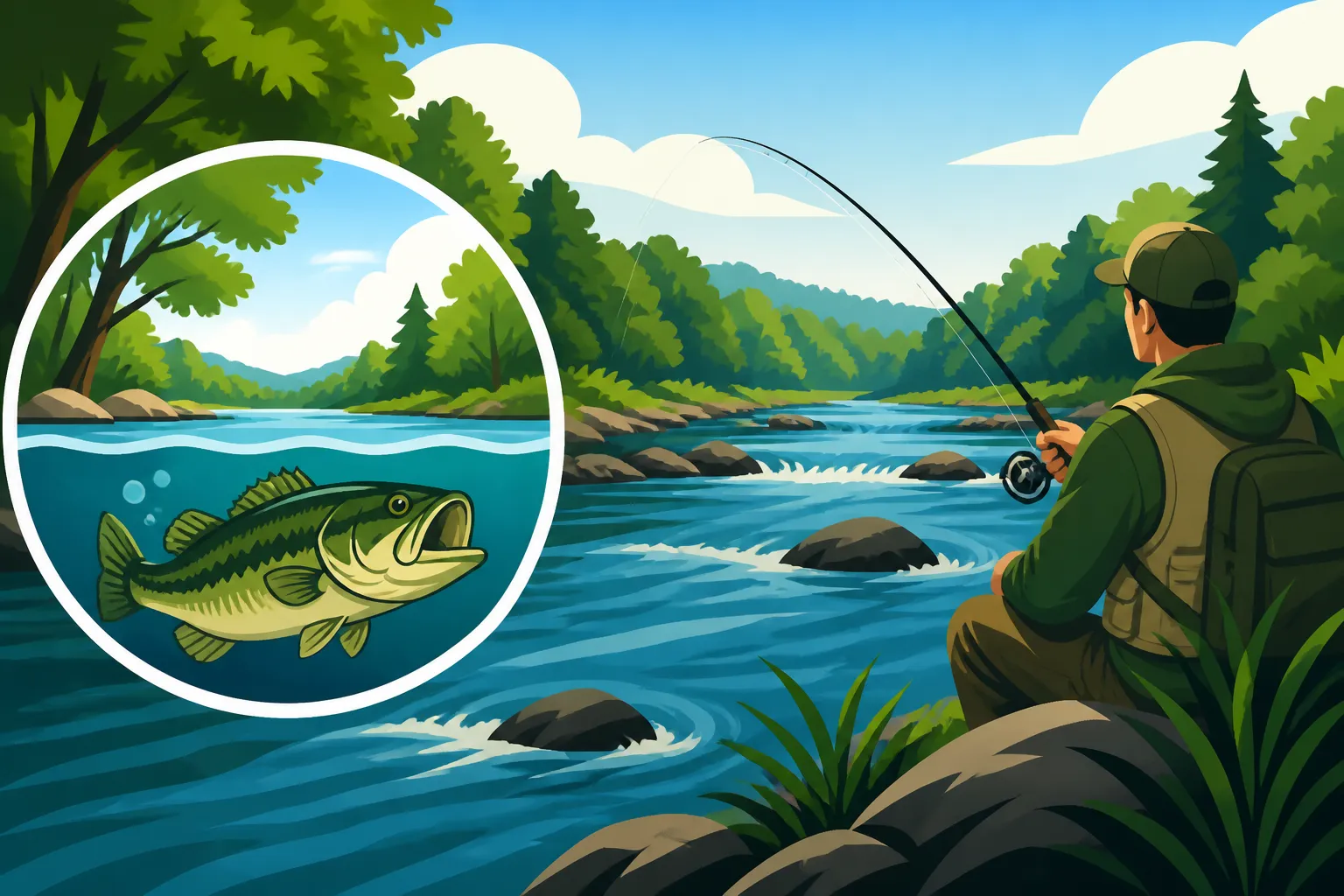
As the weather warms and you move downstream, especially below the trout management sections, the Yantic becomes an excellent smallmouth bass fishery. These feisty fighters thrive in the river's moderate currents and rocky bottom. You'll also find various panfish species like bluegill and sunfish throughout the river, making it a great spot for family fishing or for anglers just looking to bend a rod on a consistent basis. Don't underestimate the fun of targeting these smaller, abundant species – they can provide non-stop action, especially on a warm summer afternoon.
Top Access Points and Productive Stretches on the Yantic
One of the biggest hurdles when exploring a new river is figuring out where to actually get to the water and which spots are worth your time. The Yantic has several known access points and stretches that consistently produce fish, catering to different styles of angling and targeting various species.
Bozrah Rod and Gun Club Area
Let's be clear, while the Bozrah Rod and Gun Club is a private entity, the section of the Yantic River that flows through or adjacent to properties accessible to the public in this general vicinity is a prime spot for anglers. Often referred to simply as the "Yantic River TMA" (Trout Management Area), this stretch is a heavily stocked area and usually offers good public access points nearby, often designated by the DEEP.
Look for pull-offs or small parking areas along Route 2 or local roads that parallel the river in Bozrah. The DEEP works hard to secure angler access, so always keep an eye out for official signage. This particular stretch is fantastic because it features a good mix of riffles, where the water tumbles over rocks, creating oxygenated pockets; deeper runs, where fish will hold just out of the main current; and inviting pools, which are often the first spots stocked trout settle into.
In this area, you'll primarily be targeting stocked rainbow and brown trout. Early spring, right after the first stockings, can be absolutely phenomenal. Bait anglers do well with worms, PowerBait, or corn, fished on a small hook with minimal weight. Lure anglers often find success with small inline spinners like Rooster Tails or Mepps Aglias, or tiny spoons. Fly fishermen will want to focus on nymphing techniques, especially during colder water periods, or throwing small streamers. As hatches start to come off in late spring, dry flies can become effective, especially in the evening. Remember, checking the Connecticut Trout Season and Stocking Rules can give you a leg up on when to hit these prime sections.
Yantic Falls and Downstream Norwich Section
As the Yantic River flows further south and east, it eventually reaches the city of Norwich, where it cascades over the historic Yantic Falls before emptying into the Shetucket River. This lower section of the Yantic offers a different kind of fishing experience. While trout can still be present, especially holdovers from upstream stockings that have drifted down, the focus here often shifts to other species.
Access in Norwich can be found in various public parks or along riverfront trails. The area around Yantic Falls itself, while beautiful, can be challenging to fish due directly to the falls and surrounding urban development. However, the slower, wider sections immediately downstream of the falls and leading to the Shetucket can be quite productive, especially for warmwater species.
Here, you're more likely to encounter smallmouth bass, particularly around any rocky structure, bridge pilings, or submerged logs. Light tackle with small crankbaits, soft plastic jigs, or even live shiners can be very effective. You might also pick up panfish like sunfish and yellow perch. During certain times of the year, particularly in spring, you might even encounter migratory fish that have moved up from the Shetucket or Thames Rivers, although this is less common directly in the Yantic's lower reaches. When considering fishing in such areas, it's always worth being mindful of local city ordinances regarding park hours and fishing access.
Upstream Yantic Lebanon Franklin
Venturing upstream into the more rural towns of Lebanon and Franklin, the Yantic River transforms into a smaller, more intimate stream. This is where you'll find the Yantic in its most pristine, wild state. Access here might require a bit more legwork and a willingness to explore, as public access points are less frequent and often involve smaller, unmarked pull-offs or walking through state-managed lands or easements.
In these upper reaches, the river is narrower, often heavily shaded by mature trees, and characterized by a continuous series of small riffles, pocket water, and deep bends. The substrate is generally rocky, and the water is typically colder, making it ideal habitat for wild trout. While stocked trout might migrate here, this is where you'll have the best chance of finding native brook trout and self-sustaining populations of wild brown trout.
Fishing this section often demands a more stealthy approach. Fly anglers will particularly enjoy the challenge, casting small dry flies to rising fish in the pockets or nymphing seams and current breaks. Spin fishermen using ultra-light gear and tiny lures or natural baits like worms can also be very successful. Be prepared for a bit of bushwhacking, and always be respectful of private property boundaries. It's a truly rewarding experience to find a section of river where you feel like you're the only angler for miles. For general tips on how to approach these types of waters, our guide on Best Fly Fishing Rivers in Connecticut offers some great foundational knowledge.
Essential Tips and Gear for Fishing the Yantic River
Fishing the Yantic, like any new body of water, becomes much more enjoyable and successful when you're prepared. Understanding the right tackle and knowing the regulations are crucial for a great day out.
Recommended Tackle and Lures
For the Yantic, especially when targeting trout, a lighter setup is generally preferred. You're not casting huge lures or fighting massive fish, so finesse often wins the day.
Spin Fishing:
- Rod and Reel: A light to ultra-light spinning rod, 5 to 6.5 feet long, paired with a small spinning reel (1000 to 2500 size) spooled with 4-6 pound monofilament or fluorocarbon line is ideal. This setup provides the sensitivity needed for light bites and allows for accurate casts into tight spots.
- Lures: Small inline spinners (1/16 oz to 1/8 oz) in silver, gold, or brass with various blade colors (chartreuse, orange, black) are perennial favorites for trout. Tiny spoons like Thomas Buoyants or Phoebe spoons also work well. For bass, small crankbaits, jigs with soft plastic trailers, or even classic Rapala-style minnows are excellent.
- Bait: For stocked trout, garden worms, nightcrawlers, corn, or PowerBait (in marshmallow, salmon egg, or trout pellet forms) are incredibly effective. A small #8 or #10 hook with a split shot or two is all you need. For panfish, small pieces of worm or grubs are unbeatable.
Fly Fishing:
- Rod and Reel: A 3-weight or 4-weight fly rod, 7.5 to 9 feet long, is perfect for the Yantic. It's light enough for smaller trout but has enough backbone to handle a decent fish. A matching reel with floating fly line is standard.
- Flies:
- Nymphs: When fish aren't rising, nymphs are your go-to. Popular patterns include Prince Nymphs, Hare's Ear Nymphs, Pheasant Tail Nymphs, and Caddis Larva patterns (sizes #14-20). Often, a simple indicator rig with a split shot will get these down to where the fish are holding.
- Dry Flies: For rising fish, match the hatch! Common hatches on the Yantic include Caddis, Mayflies (Hendricksons, March Browns, Sulphurs), and Stoneflies. Keep a variety of Adams, Elk Hair Caddis, and Parachute patterns (sizes #14-20) on hand.
- Streamers: Small streamers like Woolly Buggers (black, olive, brown, white) or similar minnow imitations (sizes #8-12) can be very effective for aggressive trout and smallmouth bass, especially after a rain or in deeper pools.
For more in-depth advice on specific patterns and techniques, our article on Fly Fishing for Trout in Connecticut is a must-read.
Navigating Regulations and Seasonal Considerations
Understanding the local regulations is paramount to responsible and legal fishing. Connecticut has statewide regulations, but certain waters, like parts of the Yantic, can have specific rules.
- Connecticut Fishing License: First and foremost, you absolutely need a valid Connecticut fishing license if you're 16 years of age or older. You can learn more about how to get yours by checking out our Connecticut Fishing License Guide for 2026.
- General Regulations: Always consult the current Connecticut Angler's Guide, published by the DEEP, for statewide limits, lengths, and season dates for species like trout, bass, and panfish.
- Trout Management Area (TMA) Rules: Portions of the Yantic River are designated as Trout Management Areas. These areas often have special regulations regarding creel limits, tackle restrictions (e.g., artificial lures or flies only), and season dates that differ from general statewide rules. It's critical to read the signage at access points or check the DEEP guide specifically for the Yantic TMA. Ignoring these rules can lead to significant penalties. For a broader overview, take a look at our Connecticut Fishing Regulations Explained.
- Seasonal Fishing:
- Spring (March-May): This is prime trout season, especially after stocking. The water is cool, and fish are active. This is often the Best Time of Year to Fish in Connecticut for trout.
- Summer (June-August): As water temperatures rise, trout activity might slow, and they may seek deeper, cooler water. Smallmouth bass and panfish become more active and are great targets during these warmer months, particularly in the lower sections.
- Fall (September-November): Another excellent trout season with cooler water and often additional stockings. Wild brown trout can become very active and aggressive as they prepare for spawning.
- Winter (December-February): Ice fishing isn't typically an option on a flowing river like the Yantic, but if the main stem remains unfrozen, dedicated anglers might find some holdover trout, particularly in the deeper pools, though fishing can be slow.
Local Knowledge and Resources
Never underestimate the power of local knowledge. Talking to fellow anglers, visiting local tackle shops, and checking online resources can give you an edge.
- Local Bait and Tackle Shops: Places like Three Belles Outfitters in Niantic or the many smaller shops scattered throughout eastern Connecticut often have the most up-to-date information on river conditions, recent stockings, and what baits or lures are currently working. They are a treasure trove of insider tips.
- CT DEEP Website: The Connecticut Department of Energy and Environmental Protection website is your official source for stocking reports, detailed fishing regulations, and interactive maps. Their trout stocking map is particularly useful for planning trips to specific rivers like the Yantic.
- Online Forums and Social Media Groups: Local fishing groups on platforms like Facebook or dedicated forums can be great places to ask questions, see recent catch photos, and get real-time reports from anglers who are frequently on the Yantic River. Just remember to be respectful and offer to share your own knowledge too!
- Consider a Guide: If you're really struggling to unlock the secrets of the Yantic, or want to learn specific techniques like How to Catch Smallmouth Bass in Connecticut Rivers from an expert, consider hiring a local fishing guide. While the Yantic itself might be too small for dedicated guides, many guides who operate on the Shetucket or Thames Rivers could offer valuable insights into river fishing in eastern Connecticut. You can often find reputable guides through platforms like FishingBooker, which lists a variety of charter and guide services in the wider Connecticut area. A good guide can shorten your learning curve immensely.
The Yantic River truly offers a quintessential New England angling experience, from its wild headwaters to its more accessible, stocked stretches. With the right approach and a bit of exploration, you’re sure to find a spot that quickly becomes one of your favorites.
Yantic River Fishing Overview
To help you visualize the different opportunities on the Yantic River, here's a handy table summarizing the key characteristics of its main sections:
| River Section | Primary Access/Location | Target Species | Best Fishing Methods | Special Considerations |
|---|---|---|---|---|
| Upper Yantic | Lebanon/Franklin (rural) | Wild Brook Trout, Brown Trout | Fly Fishing (Nymphs, Dry Flies), Ultra-Light Spin (Worms, Small Lures) | More remote, stealth required, respect private property |
| Middle Yantic (TMA) | Bozrah (Route 2 corridor) | Stocked Rainbow & Brown Trout | Spin Fishing (Bait, Spinners, Spoons), Fly Fishing (Nymphs, Streamers) | Heavily stocked, specific Trout Management Area regulations, good public access |
| Lower Yantic | Norwich (near Yantic Falls) | Smallmouth Bass, Panfish, Holdover Trout | Spin Fishing (Crankbaits, Jigs, Live Bait), Fly Fishing (Streamers) | More urban, potential for migratory fish, good for warmwater species |
Disclaimer
The information provided in this guide is for general informational purposes only. Fishing regulations, stocking schedules, and river conditions can change frequently. Always consult the official Connecticut Department of Energy and Environmental Protection (CT DEEP) website and their annual Angler's Guide for the most current and accurate regulations before you head out to fish. Be aware of private property boundaries and practice ethical angling to ensure the health of our fisheries.