Best trout streams open to fly fishing only
It's a common frustration among fly anglers: you want to find those special stretches of water where the focus is entirely on the graceful dance of a fly rod, where the pressure on the fish is reduced, and the experience feels a little more wild. Sifting through general regulations to pinpoint true fly fishing only trout streams in Connecticut can feel like a treasure hunt. This comprehensive guide is here to simplify that search, helping you discover the dedicated fly fishing only waters across our beautiful state, understand their unique rules, and prepare for a memorable outing.
The Allure of Fly Fishing Only Waters in Connecticut
There's something inherently appealing about waters designated for fly fishing only. It's not just about the equipment; it's about a philosophy of angling, a commitment to conservation, and often, a higher quality fishing experience. These specific regulations create an environment that benefits both the angler and the fish, fostering healthier trout populations and a more engaging challenge.
Preserving the Angling Experience
One of the primary reasons fly fishing only (FFO) regulations exist is to preserve a specific type of angling experience. When you step into a FFO section, you're entering a space where the pace slows down, and the focus shifts away from quantity and towards the artistry and challenge of the catch. The absence of bait and conventional lures means that fish are generally less pressured by a constant barrage of different offerings. This often translates to more discerning trout, requiring greater skill and finesse from the angler. It creates a more tranquil environment, too, where the sounds of nature replace the splash of heavier gear, allowing for a deeper connection with the surroundings. Many anglers find the camaraderie in these waters to be different as well; there's a shared respect for the resource and the method. For those who cherish the quiet solitude and intricate challenge of casting a fly, these designated areas are truly special.
Enhanced Trout Habitat and Behavior
Beyond the human experience, fly fishing only rules play a crucial role in enhancing trout habitat and encouraging more natural fish behavior. In many FFO sections, especially those designated "Catch and Release Fly Fishing Only Waters," the trout face significantly less mortality. Unlike bait fishing, where a deeply swallowed hook can often be fatal, fly fishing with barbless hooks, as is often required or strongly encouraged in these areas, allows for a much higher survival rate for released fish. This leads to a greater abundance of fish, including larger, older "holdover" trout that have survived multiple seasons. These holdovers are smarter, stronger, and provide an exciting challenge.
The absence of organic baits also means the trout are more likely to key into natural insect hatches, making them more predictable for the fly angler who "matches the hatch." You'll find fish that behave more like wild trout, rising to dry flies, sipping emergers, or taking nymphs drifted naturally. This natural behavior is a huge draw for fly fishermen, offering a glimpse into the intricate ecosystem beneath the water's surface. These regulations are a key tool in creating and maintaining premium trout fisheries right here in Connecticut.
Connecticut's Premier Fly Fishing Only Trout Streams
While Connecticut offers a fantastic variety of fishing opportunities, from saltwater to inland lakes, its designated fly fishing only trout streams are truly a highlight for those who love to wield a fly rod. These specific sections are managed to provide top-tier trout fishing, with some earning national recognition for their quality.
The West Branch Farmington River
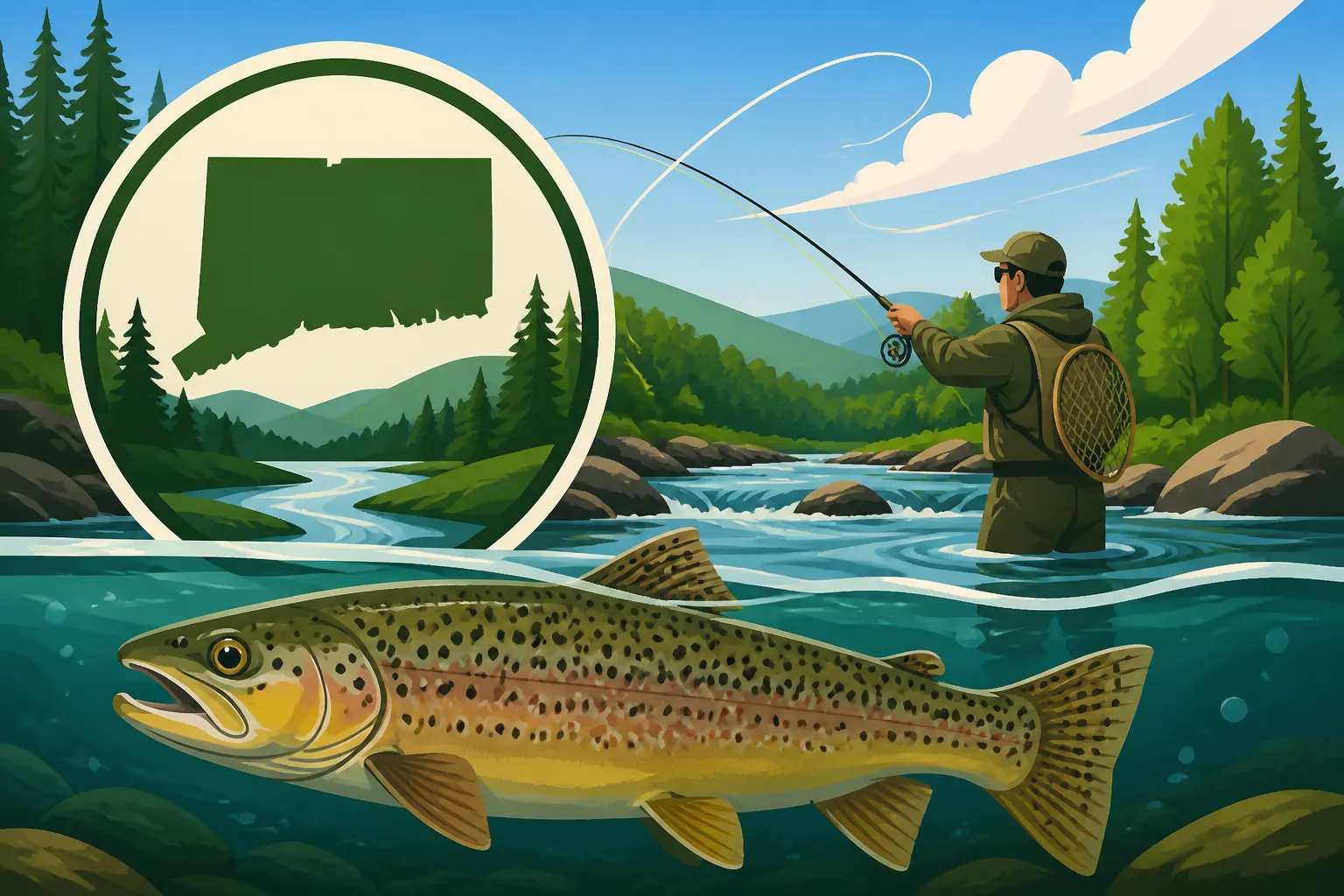
Without a doubt, the West Branch of the Farmington River in the towns of New Hartford and Barkhamsted stands as Connecticut's most famous fly fishing destination. This legendary cold-water fishery is a true gem, celebrated for its robust populations of brown trout and rainbow trout, many of which are wild or large holdovers. The river maintains consistently cold temperatures thanks to the bottom-release waters from the Hogback Dam and Goodwin Dam, making it a year-round trout haven.
Within the Farmington, several key sections are designated as "Trout Management Areas" (TMAs), and a significant portion of these operate under strict fly fishing only rules, often with catch-and-release provisions. The most prominent FFO stretch is often considered the section from the Goodwin Dam downstream to the Route 219 bridge in New Hartford. This stretch is a haven for technical fly anglers, offering everything from deep pools and riffles to slow, glassy runs. You'll find trout here that have seen every fly in the book, making presentation and fly selection paramount. Access points are plentiful, with pull-offs and state-managed parking areas. Anglers commonly use the access points near Riverton, Pleasant Valley, and along Route 318 and Route 219. Understanding the detailed regulations for this specific river is crucial, as they can vary slightly by section. You can find more specific rules in the Connecticut Farmington River Trophy Trout Stream Rules guide.
The Housatonic River TMA
The Housatonic River, particularly its Trout Management Area (TMA) in Cornwall and Sharon, is another iconic Connecticut fishery with dedicated fly fishing opportunities. While not entirely fly fishing only, specific sections within the TMA are managed for catch-and-release fly fishing, creating an exceptional experience. This river is best known for its robust population of wild brown trout, as well as stocked rainbows and brook trout. The Housatonic is a larger, freestone river with a more varied flow than the Farmington, offering a different kind of challenge. Its stunning scenery, especially during the fall foliage season, makes it a highly sought-after destination.
The prime FFO sections are generally found between the Falls Village hydroelectric plant and the confluence with the Ten Mile River. While the entire TMA is catch-and-release for trout, specific areas might have further restrictions, so always consult the latest Connecticut Trout Management Area Regulations or signage on site. The Housatonic's sheer size and varied currents demand different wading techniques and fly presentations. It's an excellent place to practice your nymphing and streamer fishing, though dry fly opportunities can be incredible during prolific hatches. Public access points are well-marked along Route 7, providing ample opportunities to explore different stretches of this magnificent river. Many anglers exploring the Housatonic also find a guided trip invaluable for learning its nuances, and platforms like FishingBooker can connect you with experienced local guides specializing in these waters.
Other Notable Fly Fishing Only Sections
While the Farmington and Housatonic Rivers garner most of the attention, Connecticut has other, smaller stretches designated for fly fishing only, offering unique experiences and less crowded waters. These often include specific sections of other major trout streams or smaller, more intimate brook trout waters.
One such area can be found on parts of the Salmon River in Colchester. While much of the Salmon River is general regulation or catch-and-release, specific stretches or tributary sections may have FFO rules, particularly within designated Trout Management Areas. These spots tend to be more intimate, offering a peaceful retreat where you might encounter native brook trout alongside stocked fish.
Another example is Blackberry River in Canaan, which has a small but productive fly-fishing-only, catch-and-release section. These smaller FFO sections are often less heavily trafficked, providing a more secluded angling experience. They might require a bit more effort to locate and access, but the reward is often a truly wild and uninterrupted fishing session. Always consult the official Connecticut Fishing Guide published by the DEEP to identify these specific locations and their precise regulations, as they can sometimes change year to year. These smaller waters can be fantastic for honing your skills or simply enjoying a tranquil day without the crowds.
Table: Key Fly Fishing Only Trout Waters in Connecticut
| River Section | Primary Location | Primary Species | Special Rules Highlight | Best Known For |
|---|---|---|---|---|
| West Branch Farmington R. | New Hartford/Barkhamsted | Brown, Rainbow Trout | FFO, Catch & Release | Technical fishing, large holdovers |
| Housatonic River TMA | Cornwall/Sharon | Wild Brown, Rainbow | FFO (specific zones), C&R | Scenic beauty, powerful fish |
| Salmon River (select parts) | Colchester | Brown, Rainbow, Brook | Varies, FFO in some TMA sections | More intimate, peaceful |
| Blackberry River | Canaan | Brown, Rainbow | FFO, Catch & Release | Secluded experience, smaller water |
This table provides a quick overview, but remember that specific regulations, including daily limits and bait restrictions, can vary even within these sections. Always check the official guide before heading out.
Navigating Regulations and Access for FFO Streams
Understanding the regulations and how to properly access these special waters is paramount for a responsible and successful fly fishing trip in Connecticut. Our state is very particular about its fishing rules, and for good reason—they protect the resources we all cherish.
Understanding Special Regulation Signs and Maps
The Connecticut Department of Energy and Environmental Protection (DEEP) does an excellent job of delineating special regulation waters, but it's up to us as anglers to read and understand them. When you're heading to a potential fly fishing only spot, keep your eyes peeled for signs. These are typically posted at major access points and bridges, clearly stating the section's designation, like "Fly Fishing Only," "Trout Management Area," or "Catch and Release." These signs are your primary source of on-site information.
Beyond physical signs, the best way to stay informed is by regularly consulting the official Connecticut Fishing Regulations Explained booklet, available annually from the DEEP, both online and at license vendors. This guide contains detailed maps and written descriptions of every special regulation waterbody in the state, including all the Connecticut Catch and Release Fly Fishing Only Waters. Pay close attention to the exact boundaries of these FFO sections; often, a bridge or a specific landmark marks the beginning or end of a special rule. Some rivers, like the Farmington, have a complex patchwork of regulations, so knowing exactly where you are on the river is vital. Utilizing online interactive maps, such as the ones sometimes offered by the DEEP, can also help visualize these boundaries before you even leave home. Don't rely on old information; regulations can change, so always verify you have the most current details.
Essential Gear and Etiquette for FFO Anglers
When it comes to fly fishing only waters, your gear and approach become even more important. A typical setup for Connecticut's trout streams would involve a 4 to 6-weight fly rod, paired with a matching reel and floating line. A 9-foot rod is versatile for casting on varied water, while a shorter 7 or 8-foot rod might be preferred for tighter, brushier streams. Your leader and tippet selection will depend on the conditions and the specific flies you're using; generally, a 9-foot tapered leader ending in 4x to 6x tippet is a good starting point for trout. Make sure to have a variety of fly patterns. For more on this, check out our guide on Fly Patterns for Connecticut Trout Streams.
Waders are almost always a necessity for accessing prime fishing positions and safely navigating the river. Breathable chest waders are ideal, paired with wading boots that offer good grip on slippery rocks. A wading staff can be a lifesaver, providing stability in strong currents or on uneven riverbeds. As for flies, be sure to have a selection that covers common aquatic insects (nymphs, emergers, dry flies) and attractor patterns.
Beyond the gear, etiquette is crucial in FFO waters. Practice "leave no trace" principles, pack out everything you pack in. Be mindful of other anglers; give them plenty of space, especially when they are actively fishing a run. If approaching another angler, ask if you can fish a section rather than simply walking in front of them. Always handle fish with extreme care, especially if the regulations are catch-and-release. Use barbless hooks, keep the fish in the water as much as possible, and revive them gently before release. These are often trophy-sized fish that deserve our respect.
Planning Your Fly Fishing Only Adventure
A successful fly fishing trip to Connecticut's FFO streams involves more than just knowing where to go; it's about timing your visit right and sometimes, leveraging the expertise of local professionals. These additional planning steps can elevate your experience from good to truly unforgettable.
Best Times and Conditions to Visit
Connecticut's FFO trout streams offer year-round opportunities, but certain seasons and conditions are undeniably better for different reasons.
Spring (April-May): This is often considered prime time, especially after the initial rush of the Connecticut Trout Season and Stocking Rules opening day. As the water warms slightly, insect hatches become more prolific, leading to fantastic dry fly fishing opportunities. Caddis, Hendrickson, and Sulphur hatches can be incredible. However, spring can also bring high, fast water from snowmelt and rain, requiring careful wading and heavier nymph rigs. This is when you'll find the most active fish as they shake off winter sluggishness.
Summer (June-August): Fishing in summer can be excellent, particularly in the early mornings and late evenings. The Farmington River, with its cold bottom-release water, remains productive even during the hottest months. Look for terrestrial insects like grasshoppers and ants, and don't shy away from throwing streamers during low light. However, be mindful of water temperatures on other rivers; if the water gets too warm (above 68°F), trout become stressed, and it's best to give them a break. This is also a good time to explore higher elevation, smaller streams for native brook trout, which tend to stay cooler.
Fall (September-November): Many consider fall to be the absolute best time for trophy trout. The cooler water temperatures invigorate the fish, and brown trout begin their spawning migrations, making them aggressive towards streamers and egg patterns. Fall foliage also adds an incredible backdrop to your fishing. Hatches of olives and caddis can still be found, and nymphing remains consistently effective.
Winter (December-March): While challenging, winter fly fishing can be incredibly rewarding for the dedicated angler. The key is to fish during the warmest parts of the day, focusing on deep, slow pools. Midges and tiny stoneflies are the primary food sources, requiring very fine tippets and small flies. The crowds are minimal, offering a peaceful, solitary experience. Just be prepared for the cold with appropriate layering and consider safety around icy banks.
Always check local weather forecasts and, if possible, current river flow data (available through USGS for major rivers like the Farmington and Housatonic) before you go. Ideal conditions typically involve stable weather, moderate flows, and water temperatures in the 40s to low 60s Fahrenheit for trout.
Considering a Guided Experience
For those new to Connecticut's FFO waters, or even seasoned anglers looking to refine their skills or explore new areas, a guided trip can be an invaluable investment. Local guides possess an intimate knowledge of the rivers, including current conditions, hot spots, active hatches, and the specific techniques that are working. They can teach you about Wading Techniques for Connecticut Trout Streams, local insect life, and how to "read" the water effectively.
A good guide will also ensure you're fishing legally and responsibly, helping you understand nuanced regulations for specific river sections. They often provide high-quality gear, flies, and transportation, making your trip hassle-free. If you're looking for a personalized lesson on nymphing, dry fly presentation, or streamer fishing, a guide can tailor the experience to your needs. For those aiming to catch a true trophy fish, or wanting to learn the subtle differences in Brown Trout Habits in Connecticut Streams, a guide significantly increases your chances.
Finding a reputable guide is easier than ever. Online platforms like FishingBooker list numerous experienced fly fishing guides across Connecticut, allowing you to read reviews, compare services, and book directly. Many guides specialize in specific rivers, such as the Farmington or Housatonic, so you can find someone with expertise in your chosen destination. Consider looking for guides that offer Best Guided Fly Fishing Trips on the Farmington River or those specifically known for their teaching prowess if you're a beginner. A guided trip is not just about catching fish; it's about learning, improving, and gaining a deeper appreciation for these special FFO waters.
Disclaimer
The information provided in this guide is for general informational purposes only and is subject to change. Fishing regulations, season dates, and access points can be modified by the Connecticut Department of Energy and Environmental Protection (DEEP). Always consult the most current official Connecticut Fishing Guide and local signage before engaging in any fishing activities. Adherence to all state and federal laws is the sole responsibility of the angler.