Best pond fishing near Storrs Connecticut
Finding a great fishing pond near Storrs, Connecticut, can sometimes feel like searching for a hidden gem. With so many small bodies of water scattered across eastern Connecticut, it's tough to know which ones are truly worth your time, what species you'll actually encounter, and how accessible they truly are for a day of angling. This comprehensive guide will cut through the guesswork, spotlighting the best ponds in the Storrs area for everything from feisty largemouth bass to abundant panfish and even trophy trout, ensuring your next angling adventure is both enjoyable and rewarding.
The Unique Appeal of Pond Fishing Near Storrs
For many anglers, the thought of fishing conjures images of vast open oceans or rushing rivers. However, for those living in and around Storrs, the local ponds offer a profoundly different, yet equally rewarding, experience. These intimate bodies of water provide a unique set of challenges and opportunities, making them a fantastic option for both seasoned veterans and beginners alike. There's a certain tranquility that comes with pond fishing, a chance to slow down and truly connect with nature without the constant hustle and bustle you might find on larger, more popular waterways.
A Sanctuary for Diverse Fish Species
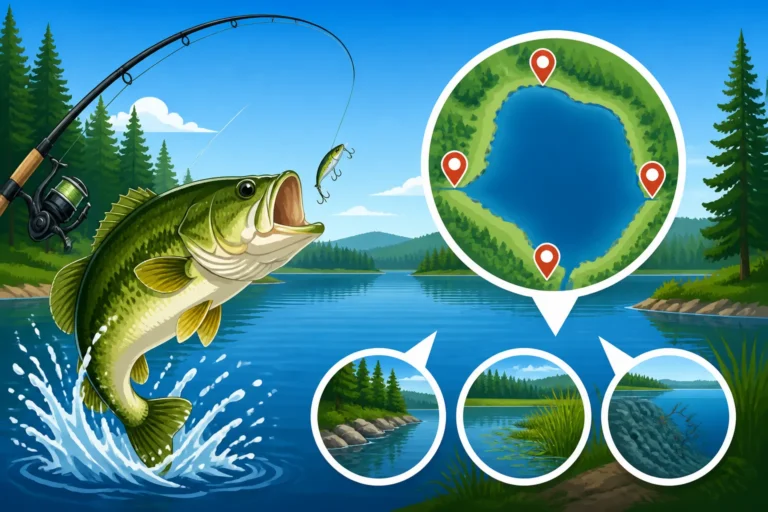
One of the biggest draws of pond fishing in the Storrs area is the incredible diversity of fish species you can encounter. Unlike some highly specialized fisheries, many of our local ponds are veritable smorgasbords for anglers. You might be casting for a chunky largemouth bass one minute, only to feel the tell-tale tug of a feisty bluegill or pumpkinseed sunfish the next. This variety keeps things exciting, meaning you're rarely without action, especially if you're willing to adapt your techniques. Many ponds are also regularly stocked by the Connecticut Department of Energy and Environmental Protection (DEEP) with species like rainbow trout, adding another exciting dimension to your fishing plans. You can often check the current year's stocking schedules to see exactly what's been added to your favorite local pond.
Unparalleled Accessibility for Anglers of All Levels
Another significant advantage of pond fishing near Storrs is the sheer accessibility these locations offer. Many ponds, particularly those within state parks or town properties, provide easy access points, paved parking, and well-maintained shorelines or designated fishing platforms. This is a huge relief for families with young children, anglers with mobility challenges, or anyone who simply doesn't own a boat. You can often walk right up to the water's edge, cast a line, and start fishing without needing any specialized gear beyond a rod, reel, and some bait. This low barrier to entry makes pond fishing an ideal activity for introducing new people to the joys of the sport, fostering a love for the outdoors from an early age.
Year-Round Opportunities and Seasonal Delights
Connecticut's climate ensures that pond fishing near Storrs isn't just a warm-weather activity; it offers unique opportunities throughout the year. Spring is, of course, a prime time, especially with the influx of fresh stockings and fish becoming more active after the winter chill. The summer months bring a different challenge, often requiring anglers to fish earlier or later in the day to avoid the heat, or to target deeper, cooler waters. Fall offers some of the most spectacular fishing, as fish feed aggressively in preparation for winter, and the vibrant foliage creates a stunning backdrop. And let's not forget about ice fishing! Many of these ponds freeze solid enough to allow for safe ice fishing, providing a whole new dimension to your angling repertoire. Always be sure to check ice thickness before venturing out, as safety should always be your top priority.
Prime Ponds and Lakes Within a Short Drive of Storrs
When you're based in Storrs, you're perfectly positioned to explore some truly fantastic pond fishing opportunities within a reasonable drive. Each of these bodies of water offers something a little different, from vast expanses to more intimate settings, catering to various angling preferences.
Mansfield Hollow Lake: A Vast and Varied Fishery
Just a stone's throw from Storrs, Mansfield Hollow Lake offers an expansive fishing experience that feels more like a small reservoir than a typical pond. This roughly 500-acre impoundment of the Natchaug River is a favorite among local anglers for its diverse habitat and healthy fish populations. Here, you can expect to find good numbers of largemouth and smallmouth bass, a variety of panfish including yellow perch and bluegill, as well as chain pickerel and even some northern pike. The lake is also regularly stocked with trout, especially in the cooler months, providing excellent opportunities for those targeting rainbows and browns.
Access is excellent, with a large state boat launch allowing for easy deployment of powerboats, kayaks, and canoes. There are also numerous shore fishing opportunities, particularly along the dam and causeway areas. The lake features varied structure, from rocky shorelines and submerged timber to deep channels and shallow weed flats, giving anglers plenty of spots to explore. For the best action, consider working the weed lines and drop-offs for bass, while panfish will often hold in shallower, protected coves. For those new to the area, consulting the Connecticut State Park Fishing Guide can offer more insights into specific access points and regulations unique to Mansfield Hollow.
Coventry Lake: Deep Waters and Abundant Stocking
A short drive west of Storrs brings you to Coventry Lake, another popular destination that’s worth every minute of the commute. This approximately 375-acre natural lake boasts significantly deeper water than many other local ponds, reaching depths over 60 feet in some areas. This depth creates distinct thermal layers that are crucial for supporting a robust cold-water fishery, making it a prime location for stocked trout throughout the year. Beyond the prolific trout, Coventry Lake is also known for its strong populations of largemouth and smallmouth bass, abundant panfish, and even some elusive walleye.
The town maintains a public boat launch, making it easy to get your vessel in the water. Shore access is available at several points, including Patriots Park, which offers a beach area and a fishing pier. What makes Coventry Lake particularly appealing is its consistent stocking schedule. Knowing that the DEEP regularly replenishes the trout population means there's almost always a good chance of success, especially after a fresh drop. Learning Connecticut Trout Season and Stocking Rules can give you an edge in planning your trip. Additionally, Coventry Lake is a renowned spot for ice fishing during the winter, drawing crowds eager to pull in trout, perch, and even some larger bass through the ice.
Gardner Lake: Walleye, Bass, and Trout Action
Located a bit further southeast, about a 30-minute drive from Storrs, Gardner Lake is a true gem offering a different angling experience. Spanning over 500 acres across Salem, Montville, and Bozrah, Gardner Lake is one of Connecticut's few public waters where you can consistently target walleye, adding an exciting dimension to your fishing repertoire. In addition to walleye, the lake holds excellent populations of largemouth and smallmouth bass, yellow perch, crappie, bluegill, and pickerel. It's also a designated trout park, meaning it receives regular stockings, ensuring plenty of opportunities for anglers seeking rainbows and browns.
Access to Gardner Lake is primarily through the state boat launch on the northern end, which can accommodate boats of various sizes. Shore fishing is more limited but possible in certain areas. The lake's diverse underwater topography, featuring rocky humps, deep drop-offs, and expansive flats, creates ideal habitat for its varied species. Targeting walleye often involves fishing deeper sections with jigs or live bait, while bass can be found around the numerous points and submerged structures. Don't forget to check the Connecticut Interactive Trout Stocking Map, Explained to see when the trout trucks have recently visited this vibrant fishery.
Hopeville Pond State Park: A Family-Friendly Escape
For those seeking a more relaxed, family-friendly fishing outing, Hopeville Pond State Park in Griswold is an excellent choice, roughly 35-40 minutes from Storrs. The 135-acre Hopeville Pond offers a picturesque setting with easy access and a good mix of warmwater species. Anglers here can expect to catch largemouth bass, various panfish like bluegill and crappie, yellow perch, chain pickerel, and even some bullhead catfish. This pond is particularly good for kids or beginners due to the typically consistent panfish action, which can keep young anglers engaged and excited.
The park provides ample shoreline access, making it very convenient for bank fishing. There's also a boat launch for canoes, kayaks, and small electric-motor boats, as gasoline motors are restricted to a maximum of 6 horsepower. The pond's relatively shallow nature with abundant weed growth creates ideal habitat for bass and pickerel, while panfish often school around docks, fallen trees, and lily pads. If you’re looking to get the kids hooked on fishing, a trip to Hopeville Pond is a fantastic starting point. It’s a great place to put into practice some Best Techniques for Panfish in Connecticut.
Mashapaug Lake: Northeast Connecticut's Deep Trout Haven
While a bit further afield, around a 30-35 minute drive into Union, Mashapaug Lake offers a truly unique cold-water fishing experience in northeast Connecticut. As one of the deepest natural lakes in the state, reaching depths over 80 feet, Mashapaug is primarily known for its excellent trout fishery. It's regularly stocked with impressive numbers of rainbow and brown trout, with many anglers reporting catches of larger, holdover fish. Beyond trout, the lake also supports populations of smallmouth bass, yellow perch, and chain pickerel.
Access is provided via a state boat launch within Bigelow Hollow State Park. Due to its depth and the preference of trout for cooler water, Mashapaug is often best fished from a boat, allowing you to troll or vertical jig in deeper sections. Shore access is more limited, but certain areas within the state park offer opportunities. The combination of its depth, cold water, and consistent stocking makes Mashapaug Lake a premier destination for serious trout anglers seeking a challenge and the potential for a trophy fish. If you're looking for that perfect spot for a Best time to fish a stocked trout pond, Mashapaug is often near the top of the list, particularly in spring and fall.
| Pond/Lake Name | Primary Species | Key Features | Best Access | Distance from Storrs |
|---|---|---|---|---|
| Mansfield Hollow Lake | Bass, Panfish, Pike, Trout | Large, diverse habitat, river input | State boat launch, shore | ~15-20 minutes |
| Coventry Lake | Bass, Trout, Walleye, Panfish | Deep, clear water, consistent stocking | Town boat launch, Patriots Park | ~15 minutes |
| Gardner Lake | Walleye, Bass, Panfish, Trout | Deep, diverse structure, unique walleye | State boat launch | ~30 minutes |
| Hopeville Pond State Park | Bass, Panfish, Catfish, Pickerel | Family-friendly, good shore access | State Park launch, shore | ~35-40 minutes |
| Mashapaug Lake | Trout, Smallmouth Bass, Perch | Very deep, cold-water trout haven | State Park boat launch | ~30-35 minutes |
Essential Strategies for Success on Storrs Area Ponds
Having identified the best ponds is just the first step; knowing how to fish them effectively is where the real fun begins. Pond fishing, while seemingly straightforward, benefits immensely from thoughtful preparation and adaptable techniques. Understanding the nuances of these smaller ecosystems can drastically improve your catch rates and overall enjoyment.
Tailoring Your Tackle for Specific Pond Species
The diverse species in Storrs area ponds mean a "one-size-fits-all" approach to tackle often falls short. For instance, if you're targeting largemouth bass, a medium-action spinning or baitcasting rod with 8-12 lb test line, paired with various lures like plastic worms, spinnerbaits, or topwater frogs, will be your bread and butter. Bass often lurk in cover, so strong enough line to pull them out of weeds or brush is crucial. For panfish, however, ultralight tackle with 2-4 lb test line, tiny jigs, small bobbers, and live bait like worms or mealworms will provide the most action and maximize the fight of these smaller, but feisty, fish.
When pursuing stocked trout, particularly in deeper lakes like Coventry or Mashapaug, a light to medium-light rod with 4-6 lb fluorocarbon line is ideal. PowerBait, small spoons, inline spinners, or even small shiners can be incredibly effective. For those who enjoy fly fishing, these ponds can also be productive, especially during hatches or in areas with moving water. Even for pike or pickerel, which can be found in Mansfield Hollow and Hopeville, a slightly heavier rod and a wire leader are often necessary to prevent bite-offs from their razor-sharp teeth. Don't forget that a good pair of pliers or a dehooking tool is essential for safely releasing fish, especially those with sharp teeth or deeply hooked.
Reading the Water and Targeting Structure
Unlike the open ocean or broad rivers, ponds often have more defined features, or "structure," that attract fish. Learning to "read the water" in a pond means identifying these key areas where fish are likely to congregate. Look for weed lines, lily pad fields, submerged logs, rock piles, drop-offs, and even changes in bottom composition. These provide cover, ambush points, and areas where baitfish might hide. For example, largemouth bass fishing in Connecticut often involves casting close to docks or fallen trees, where bass prefer to hide.
Birds diving or congregating in a certain area might indicate baitfish schools, which in turn attract larger predatory fish. Pay attention to inflows and outflows, especially in spring and fall, as these can concentrate nutrients and bait. Using a simple fish finder on a boat or even just polarized sunglasses from shore can help you spot these underwater features. Remember, fish are creatures of habit, and once you identify a productive piece of structure in one pond, you can often apply that knowledge to similar structures in other ponds. Sometimes, even subtle changes in depth or bottom type can hold a concentration of fish.
Seasonal Strategies and Weather Considerations
The time of year and prevailing weather conditions play an enormous role in pond fishing success. In spring, after ice-out, fish are often shallow, feeding aggressively as water temperatures rise, making them easier to target. As summer progresses and water temperatures climb, fish tend to move to deeper, cooler water or seek refuge in dense cover during the hottest parts of the day. Early morning and late evening often yield the best results during summer, and even night fishing can be highly productive for species like bass or catfish.
Fall sees fish again becoming very active, fattening up before winter. They often return to shallower areas to feed on dwindling baitfish populations. Winter, for the adventurous, means ice fishing, where you'll want to target areas near drop-offs, humps, or distinct structure using jigging rods and tip-ups. Additionally, weather fronts can significantly impact fish behavior. A falling barometer before a storm can trigger a strong bite, while a sudden cold front might make fish lethargic and less willing to strike. Keeping a fishing log of conditions and catches can help you identify patterns over time, turning frustration into consistent success.
Navigating Regulations and Finding Local Fishing Intelligence
Before you even make your first cast, understanding the rules and knowing where to find up-to-date information is paramount. Connecticut has specific regulations designed to protect fish populations and ensure fair sport for everyone, and ignorance of these rules is no excuse.
Essential Connecticut Fishing License Requirements
The very first thing any angler needs to consider is their fishing license. In Connecticut, anyone 16 years of age or older needs a valid fishing license to fish in public waters. There are different licenses for residents and non-residents, and options for inland, marine, or all-waters fishing. You can purchase them online through the CT DEEP website, at authorized vendors like town clerks or sporting goods stores, or at a DEEP office. It's not just about avoiding penalties; the funds from license sales directly support critical conservation and stocking programs that benefit all anglers.
Make sure you understand the nuances, such as specific stamps needed for trout and salmon if you plan to target those species. For a complete breakdown, consult the Connecticut Fishing License Guide for 2026. Also, be aware of specific age requirements, as detailed in Connecticut Fishing License Age Requirements. It's always a good idea to carry your license with you while fishing, either physically or digitally on your phone, as wardens do conduct checks.
Staying Informed with Stocking Schedules and Special Regulations
The Connecticut DEEP does an excellent job of managing our state's fisheries, and a big part of that is their stocking program and comprehensive regulations. For ponds, especially those stocked with trout, knowing the stocking schedule can be a game-changer. Freshly stocked fish are often easier to catch as they adjust to their new environment. The DEEP website provides updated schedules and an interactive map, so you know exactly which ponds have received their allocations.
Beyond stocking, each body of water might have specific rules regarding daily creel limits, minimum length requirements for certain species, or even tackle restrictions (e.g., "no live bait" or "catch and release only" areas). These rules are outlined in the official Connecticut Fishing Regulations Explained guide, which you should always review annually. Ignoring these regulations can lead to hefty fines and, more importantly, impacts the sustainability of our fisheries. Being a responsible angler means understanding and respecting these rules. The information in Reading the Connecticut Fishing Guide can help you decipher the guide quickly and effectively.
Tapping into Local Knowledge and Online Resources
One of the best ways to improve your pond fishing success near Storrs is to tap into the wealth of local knowledge available. Talk to other anglers you meet on the water – most are happy to share tips, especially if you're respectful. Local bait and tackle shops are invaluable resources; their staff often have up-to-the-minute reports on what's biting, what baits are working, and any recent changes in conditions. Don't underestimate the power of a quick chat with the folks who live and breathe local fishing.
Online fishing forums and social media groups dedicated to Connecticut fishing are also fantastic for gathering real-time intel. Anglers often post pictures of their catches and share details about where and how they caught them. Additionally, if you're looking for an even deeper dive or considering a guided trip on one of the larger reservoirs or even for specific pond species, platforms like FishingBooker can connect you with experienced local captains or guides who know these waters intimately. Even for smaller ponds, these platforms can sometimes list guides specializing in local bass or trout fishing, offering hyper-specific insights you won't find anywhere else. Remember, fishing is a continuous learning process, and every piece of information helps build your overall strategy for success.
Disclaimer
The information provided in this guide is for general informational purposes only and is subject to change. Fishing regulations, stocking schedules, and local conditions can vary. Always consult the official Connecticut Department of Energy and Environmental Protection (DEEP) website and their most current fishing guide before planning any fishing trip to ensure compliance with all laws and for the most up-to-date information. Safety should always be your top priority when enjoying the outdoors.