Rogers Lake best fishing spots
Navigating a new lake, or even a familiar one, can sometimes feel like trying to find a hidden treasure without a map. You pull up to the water's edge, see that vast expanse, and the question immediately pops into your head: "Where are the fish actually biting?" It’s a common frustration for even seasoned anglers, especially on a beautiful and diverse body of water like Rogers Lake. This guide is designed to cut through that guesswork, pinpointing the best fishing spots on Rogers Lake, offering insights into its unique structure, and helping you put more fish in your net.
Unlocking the Secrets of Rogers Lake: A General Overview
Rogers Lake, nestled snugly between the towns of Lyme and Old Lyme in southeastern Connecticut, is a true gem in the state's diverse fishery. It's a moderately sized body of water, covering approximately 260 acres, making it large enough to explore for a full day but not so immense that it feels overwhelming. Its character is distinctly New England, with a mix of rocky shorelines, forested banks, and a few residential areas that add to its charm without detracting from its natural appeal.
Rogers Lake at a Glance: Geography and Depth
Rogers Lake is a natural lake, believed to be of glacial origin, which explains its varied bottom contours and maximum depth. While the average depth hovers around 15-20 feet, it plunges to an impressive maximum depth of about 65 feet in its southern basin. This significant depth variation is a critical factor for understanding where fish hold throughout the year, offering colder, oxygen-rich water for trout in summer and providing deep refuge for bass during cold fronts. The lake's clear water, fed by several small brooks, also plays a role. While beautiful, clear water can make fish warier, requiring a more stealthy approach and careful lure selection. The northern end tends to be shallower and more vegetated, gradually deepening as you move south towards the main basin.
Why Rogers Lake Stands Out for Anglers
What truly sets Rogers Lake apart is its impressive ecological balance and the diversity of its fish populations. It's not just a "bass lake" or a "trout pond"; it truly offers something for everyone. From anglers chasing trophy largemouth and smallmouth bass to those seeking the thrill of a hard-fighting trout or the simple pleasure of catching a bucket of panfish, Rogers Lake delivers. The Connecticut Department of Energy and Environmental Protection (CT DEEP) actively manages the lake, with regular trout stockings that enhance the fishing experience, especially in spring and fall. The public boat launch, managed by the state, offers easy access for boats, kayaks, and canoes, making it a popular destination for both residents and visitors alike. If you're planning a trip and need to brush up on the rules, understanding the nuances of the state's fishing rules is crucial, and our comprehensive guide, "Connecticut Fishing Regulations Explained", can provide all the details you need before you head out.
Understanding the Fish: Species and Preferred Rogers Lake Habitats
To effectively fish Rogers Lake, you need to think like a fish. Each species has its preferred haunts, depths, and structures. Knowing where they want to be at different times of the year is half the battle won.
Largemouth and Smallmouth Bass: Where the Big Ones Hide
Rogers Lake boasts a fantastic bass fishery, with both largemouth and smallmouth thriving. However, their preferences often differ significantly.
- Largemouth Bass: These green giants are typically ambush predators, preferring cover. On Rogers Lake, you'll find them lurking around the shallower, weedier coves, especially in the northern half of the lake. Look for dense lily pads, submerged weed beds, fallen trees, brush piles, and around docks and boat lifts. These areas provide excellent camouflage and plenty of forage. During the hotter months, largemouth will often retreat to the outer edges of these weed lines or find deeper cover along gradual slopes, but they rarely venture into the lake's deepest, most open waters like their smallmouth cousins. If you're serious about targeting these, our guide "How to Catch Largemouth Bass in Connecticut" offers detailed strategies.
- Smallmouth Bass: The "bronze backs" of Rogers Lake are more structure-oriented and prefer cooler, clearer water. They'll be found primarily in the main basin, gravitating towards rocky points, steep drop-offs, submerged humps, ledges, and gravelly flats. Using your electronics to locate these offshore structures is key for smallmouth. In spring and fall, they might move shallower to feed, but during summer, they'll hold tight to deeper rock piles and transition areas. You might even find them suspended over deeper water, chasing schools of baitfish. They are known for their strong fights in open water.
The Trout Fishery: Stocking and Seasonal Hotspots
Rogers Lake is a significant part of the CT DEEP's trout stocking program, receiving thousands of adult brown and rainbow trout annually. This makes it an exciting destination for trout anglers, especially in the cooler months.
- Stocked Trout Behavior: Freshly stocked trout tend to stay relatively close to the areas where they are released, often near the public boat launch. However, as they acclimate, they'll spread out and seek cooler, deeper water, especially as surface temperatures rise. The deepest parts of the lake, particularly in the southern basin, become crucial summer refuges for holdover trout. Look for them cruising along drop-offs, over humps, and in the main lake basin where water temperatures remain consistently cold. Our "Connecticut Trout Season and Stocking Rules" article provides an in-depth look at when and where these stockings occur. You can even check the "Connecticut Interactive Trout Stocking Map, Explained" to see recent stocking data for Rogers Lake.
- Targeting Trout: Trolling small spoons, spinnerbaits, or stickbaits is a popular method for covering water and finding active trout, particularly in the deeper sections. For shore anglers, casting PowerBait, worms, or small spinners from accessible points can be effective, especially early in the season.
Panfish Galore: Crappie, Perch, and Bluegill
Don't underestimate the joy and consistent action that panfish provide on Rogers Lake. Black crappie, yellow perch, and bluegill are abundant and offer fantastic fishing, especially for families or those looking for steady bites.
- Panfish Habitats: These species love cover and slightly warmer water. You'll find them congregating around docks, fallen trees, submerged brush, and the edges of weed beds. Crappie often suspend in schools around deeper brush piles or cribs, while perch and bluegill are more likely to be found closer to the bottom or tucked into vegetation. The shallower coves and the areas around the public launch with submerged structure are excellent starting points for panfish. Light tackle, small jigs, worms, or grubs are all you need for a fun day chasing these plentiful fish. For more tips on finding and catching these feisty species, check out our general guide on "Panfish Fishing in Connecticut".
Pinpointing the Prime Real Estate: Specific Fishing Spots on Rogers Lake
Now that we understand the general characteristics and fish behavior, let's get down to the nitty-gritty: where exactly should you cast your line on Rogers Lake?
The North End Coves: Bass Haven
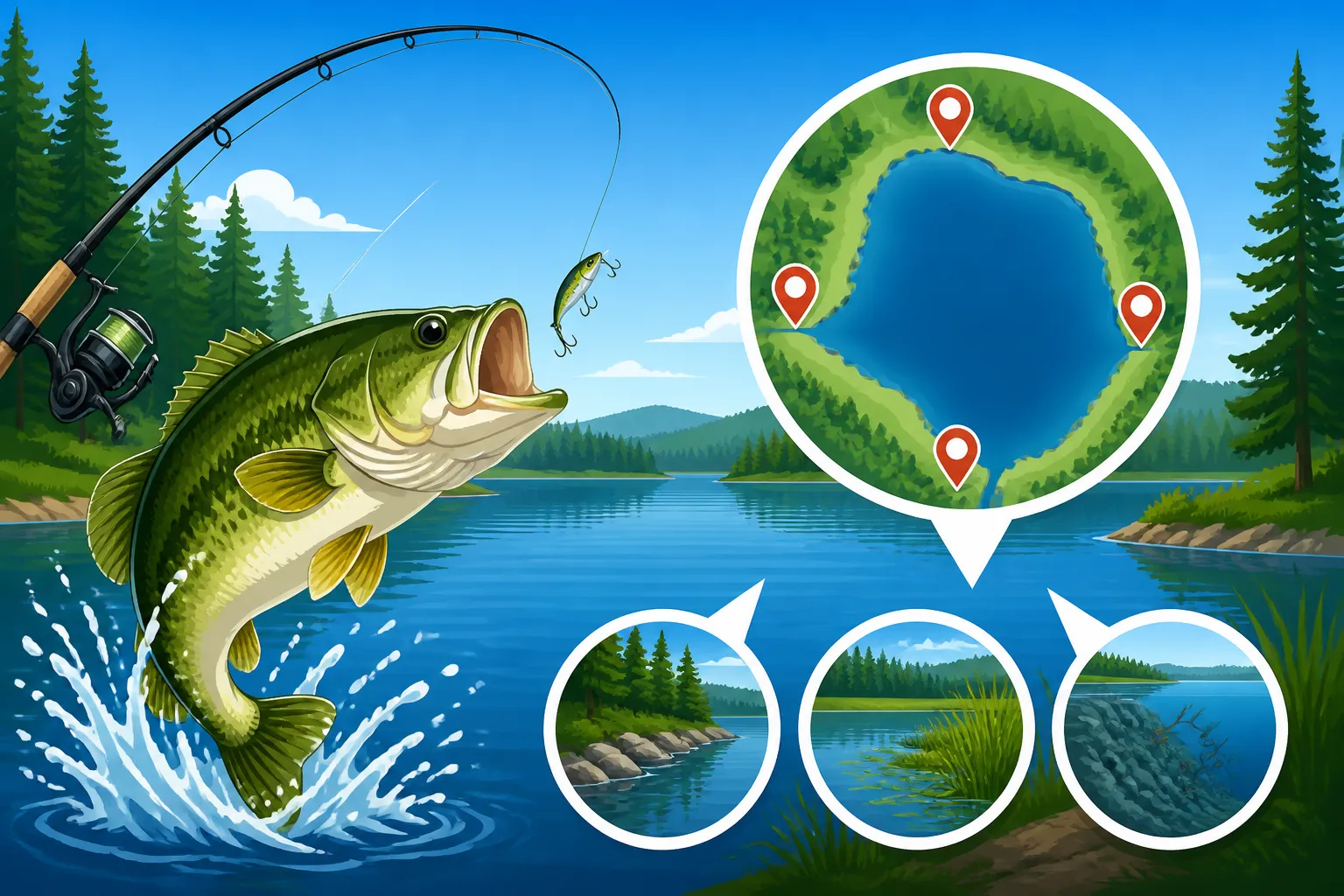
The northern end of Rogers Lake is characterized by shallower water, more extensive weed beds, and numerous coves. This is prime territory for largemouth bass, chain pickerel, and various panfish.
- Weed Line Edges and Lily Pads: As you enter the northern half of the lake, keep an eye out for the thick patches of lily pads and submerged weed lines. These create perfect ambush points for largemouth bass. Fan-cast spinnerbaits, chatterbaits, or topwater frogs over the pads and along the edges. For slightly deeper weed edges, crankbaits and jig-and-pig combinations can be deadly. Early mornings and late evenings are especially productive here for topwater action.
- Fallen Timber and Docks: Scattered along the shoreline in these northern coves, you'll find plenty of downed trees and private docks. These provide excellent cover for bass and panfish. Pitching jigs, Texas-rigged worms, or Senkos around these structures can often draw a strike from a fish that's otherwise hard to reach. Always be respectful of private property when fishing near docks.
Mid-Lake Structure and Drop-offs: Smallmouth and Trout Territory
The central and southern parts of Rogers Lake deepen considerably and feature more rocky structure, making them prime real estate for smallmouth bass and cruising trout.
- Submerged Humps and Ledges: Utilize your boat's sonar to locate any submerged humps or sudden depth changes in the main lake basin. These are critical holding areas for smallmouth bass, especially during the warmer months when they seek deeper, cooler water. Jigging spoons, drop-shot rigs, or Ned Rigs fished over these structures can be highly effective. The transition areas where a rocky bottom meets sand or gravel are also key.
- Rocky Points and Shoreline Transitions: Several points jut out into the lake, particularly along the eastern and western shores as you move south. These rocky points create current breaks and offer quick access to deeper water, making them magnets for smallmouth. Cast tubes, swimbaits, or grubs along these points, letting them fall down the ledges. In certain areas, particularly off the larger points, you might also pick up trout cruising the deeper water. If you're looking for guidance, remember that platforms like FishingBooker can help you connect with experienced local guides who know these exact spots and the techniques to fish them.
The State Boat Launch Area and Adjacent Shoreline
While public access points can often get pressured, the state boat launch area on Rogers Lake is a spot worth investigating, especially if you're fishing from shore or looking for an easy put-in.
- Launch Area Structure: The docks and any rip-rap or break walls near the launch offer cover for panfish and even bass, particularly during low-light conditions. The immediate drop-off from the launch area can also hold trout, especially soon after stocking. It's a great spot for beginners and those with limited mobility. Just be mindful of boat traffic.
- Weed Lines and Rocky Outcrops: Just outside the immediate launch area, you'll find a mix of weed lines and rocky outcrops that can hold fish. Work these areas with small crankbaits, spinners, or live bait under a bobber. This zone often provides consistent action for yellow perch and bluegill, and you might even surprise a lurking pickerel or largemouth.
Deep Water Pockets and Springs: Cooler Water Holds
In any deep, clear lake like Rogers, identifying areas with consistent cold water is crucial, especially during summer.
- The Southern Deep Basin: The deepest part of Rogers Lake, located in the southern section, acts as a natural cold-water refuge. This is where holdover trout will retreat when surface temperatures rise, and it's also where you might find smallmouth bass suspended. Trolling deep-diving crankbaits or downriggers with spoons can reach these depths. In areas where you suspect cold water springs might enter the lake, these pockets can be especially productive, even if they aren't the absolute deepest spots.
- Understanding Thermal Stratification: During summer, Rogers Lake will stratify, meaning layers of water at different temperatures form. The thermocline, the boundary between warm surface water and cold deep water, is often where fish will suspend, finding their ideal temperature and oxygen levels. Locating this on your sonar will drastically improve your success for deeper-holding species.
Here's a quick summary of the prime spots and target species:
| Area of Lake | Primary Species Targeted | Key Structure/Habitat | Best Season(s) | Notes |
|---|---|---|---|---|
| North End Coves | Largemouth Bass, Pickerel, Panfish | Lily Pads, Weed Beds, Fallen Trees, Docks | Spring, Summer, Fall | Excellent topwater action in low light. |
| Mid-Lake Humps/Ledges | Smallmouth Bass, Trout | Rocky Humps, Deep Ledges, Drop-offs, Gravel Flats | All Year (open water) | Sonar is key for locating structure. |
| State Boat Launch Area | Trout (stocked), Panfish, Bass | Docks, Rip-Rap, Immediate Drop-offs | Spring, Fall | Good for shore anglers and beginners. Can be busy. |
| Southern Deep Basin | Trout (holdover), Smallmouth Bass | Deepest Pockets, Steep Drop-offs, Thermocline | Summer, Winter | Trolling and vertical jigging effective. |
| Rocky Points | Smallmouth Bass, Pickerel | Exposed Rock, Transition Zones to Deeper Water | Spring, Fall | Cast parallel to the points. |
Strategies for Success: Fishing Rogers Lake Through the Seasons
The dynamics of fishing Rogers Lake change dramatically with the seasons. Understanding these shifts is vital for consistent success.
Spring: The Post-Stocking Blitz and Pre-Spawn Bass
Spring on Rogers Lake is a time of renewal and intense fishing activity. The water temperatures are rising, stimulating both baitfish and predatory species.
- Trout Frenzy: This is prime time for trout, especially right after the CT DEEP stockings. Anglers will find success near the public boat launch and any areas with good shore access. The trout are eager to bite, making PowerBait, worms, and small inline spinners incredibly effective. As the month progresses, they'll begin to spread out, and trolling small spoons becomes a great way to locate them. For more specific tactics, explore "Spring Trout Fishing Techniques for Connecticut Streams".
- Pre-Spawn Bass: Largemouth and smallmouth bass move out of their deeper wintering holes and start staging in shallower waters, preparing for their spawn. Look for largemouth in northern coves around developing weed beds and shallow wood. Smallmouth will be found on rocky points and flats adjacent to deeper water. Jerkbaits, crankbaits, and slow-rolled spinnerbaits are excellent choices for these active, hungry bass.
Summer: Early Mornings, Deep Structure, and Topwater Action
Summer can be a challenging but rewarding time on Rogers Lake. The key is adapting to warmer water temperatures and increased boat traffic.
- Beat the Heat for Bass: Early mornings and late evenings offer the best surface activity. Topwater lures like poppers, walking baits, and frogs are fantastic over weed mats and along the edges of lily pads in the northern coves for largemouth. As the sun climbs, bass will retreat to deeper cover. For largemouth, target the densest weed beds or the shade of docks. For smallmouth, focus on the deeper humps, ledges, and rocky points in the main lake basin. Drop-shot rigs, shaky heads, and deep-diving crankbaits are essential tools for these deeper fish.
- Trout in the Depths: Summer trout fishing is primarily a deep-water game. Trolling with downriggers or weighted lines in the southern basin, targeting depths between 20-40 feet, can still yield impressive holdover trout. Look for the thermocline on your sonar; that's often where the fish will be stacked. Fishing a good guide service, found through resources like FishingBooker, can truly enhance your summer deep-water success, as local experts know the exact deep haunts.
Fall: Feeding Frenzies and Transition Zones
Fall is arguably one of the best times to fish Rogers Lake. The water cools, fish become incredibly active, and the crowds thin out.
- Aggressive Bass: Both largemouth and smallmouth go on a major feeding binge, trying to put on weight for the upcoming winter. They'll often be found in transition areas – where shallow water meets deeper drop-offs. Largemouth will patrol the edges of dying weed beds and around docks, while smallmouth will be concentrated on main lake points, humps, and ledges, often chasing schools of baitfish. Crankbaits, spinnerbaits, jerkbaits, and swimbaits are all highly effective.
- Active Trout: The cooler water revitalizes the trout fishery. Newly stocked fish will be active, and holdovers will move throughout the water column, making them more accessible. Trolling is still effective, but casting spoons and spinners from shore or boat can also produce excellent results. Look for baitfish schools being pushed to the surface; trout are often not far behind.
Winter: Ice Fishing Opportunities
When the ice gets thick enough, Rogers Lake transforms into a popular ice fishing destination. Always prioritize safety and ensure the ice is at least 4 inches thick for individual foot travel.
- Targeting Panfish and Pickerel: These are the bread and butter of Rogers Lake ice fishing. Small jigs tipped with bait (mealworms, wax worms) fished near weed lines or structure will produce plenty of crappie, perch, and bluegill. Tip-ups set with shiners or larger minnows are excellent for targeting aggressive chain pickerel, which are abundant in the lake.
- Bass and Holdover Trout: While less common, it's certainly possible to catch largemouth and smallmouth bass through the ice, especially with shiners on tip-ups. Holdover trout can also be caught, often suspending in the deeper parts of the lake. Our dedicated guide, "Ice Fishing in Connecticut", offers a full breakdown of safety and techniques. Remember, a valid "Connecticut Fishing License Guide for 2026" is required year-round, even for ice fishing!
Rogers Lake is a truly special fishery, offering diverse opportunities throughout the year. By understanding its geography, the habits of its resident fish, and the seasonal changes, you can transform a day of casting into a rewarding and memorable fishing experience. Don't be afraid to experiment, explore, and use the knowledge shared here to unlock its potential.
Disclaimer
Fishing conditions and regulations can change. Always consult the latest Connecticut Department of Energy and Environmental Protection (CT DEEP) fishing regulations before heading out. This guide is for informational purposes only and does not guarantee fishing success. Exercise caution and practice safe boating and fishing habits.