Best Baits for Smallmouth Bass on the Housatonic
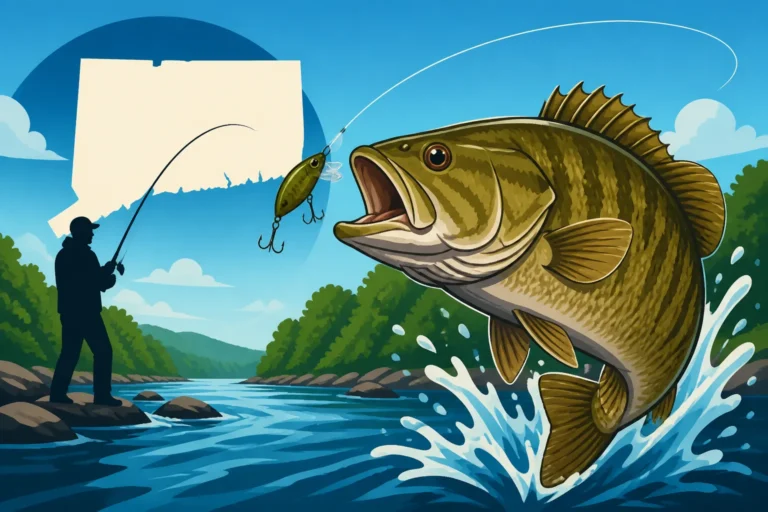
The Housatonic River in Connecticut is a renowned smallmouth bass fishery, but anyone who’s spent time on its waters knows that these feisty bronzebacks can be incredibly finicky. It's frustrating when you see them busting bait or just know they're there, yet nothing you throw seems to entice a strike. This comprehensive guide will pull back the curtain on the best baits for smallmouth bass on the Housatonic, helping you understand their preferences and present offerings they simply can't resist.
Understanding Housatonic Smallmouth Bass Behavior
Before you can pick the perfect bait, you've got to think like a smallmouth. The Housatonic River offers a diverse ecosystem, from rocky stretches and deep pools to swift currents and calmer eddies, all of which influence where these bass live and what they eat. Knowing their natural habits and feeding patterns is the first step to successful angling.
Their Diet and Habitat Preferences
Smallmouth bass are opportunistic predators with a diet that changes depending on what's abundant in their environment. In the Housatonic, this often includes a healthy menu of various forage. You'll find them keying in on crayfish, which are incredibly prevalent in the river's rocky bottom sections. These crustaceans are a foundational food source, especially for larger smallmouth, and imitating them is often a surefire way to get a bite. Beyond crayfish, they gorge on minnows like shiners, fallfish, and dace, which congregate in different parts of the river. Hellgrammites, the larval stage of Dobsonflies, are another significant part of their diet, particularly in cleaner, faster-flowing sections where they cling to rocks. Aquatic insects in general, from stoneflies to mayflies, also play a role, especially for younger or smaller bass.
When it comes to habitat, Housatonic smallmouth bass are creatures of structure and current. They love holding tight to submerged rocks, boulders, gravel beds, and fallen trees. These spots provide ambush points for unsuspecting prey and offer respite from the main current. You’ll often find them lurking on the edges of seams where fast water meets slow water, or in eddies behind large obstacles. Understanding these preferences is critical because it tells you not just what they're eating, but also where to present your chosen bait. If you're looking to delve deeper into their feeding habits, our guide on Smallmouth Bass Habits on the Housatonic offers an even more detailed look.
Seasonal Movements and Behavior
Just like us, smallmouth bass adjust their routines with the changing seasons, and their movements directly impact which baits will be most effective.
- Spring: As the water warms, smallmouth begin to move out of their deeper wintering holes and into shallower areas to feed and prepare for spawning. They become increasingly active, often concentrating in transitional zones between deep and shallow water. This is a prime time for aggressive strikes, as they are looking to pack on calories. You’ll find them in rocky flats and gravelly banks.
- Summer: When the Housatonic water temperatures rise significantly, smallmouth often retreat to deeper, cooler pools or seek out current breaks and shaded areas with higher oxygen levels. They become more nocturnal feeders in the hottest periods, but you can still find them active during dawn and dusk. Their diet shifts slightly, and they might become more selective, focusing on specific baitfish or insects. Understanding What water temperature smallmouth bass prefer is key during this time.
- Fall: This is often considered one of the best times to target Housatonic smallmouth. As water temperatures begin to drop, bass go on a feeding frenzy, trying to fatten up for the leaner winter months. They become incredibly aggressive, chasing down schools of baitfish and actively hunting crayfish. You’ll find them across a wider range of habitats, from shallow rocky runs to deeper pools.
Knowing these seasonal shifts helps you anticipate where the fish will be and what they'll be most inclined to eat, giving you a significant advantage when selecting your bait.
Live Bait Essentials for Housatonic Smallmouth
There's just something about live bait that artificials can't always replicate. The natural movement, scent, and texture often make them irresistible, especially to wary smallmouth. When fishing the Housatonic, having a good selection of lively natural offerings can make all the difference.
Classic Minnows and Shiners
Few baits are as universally effective for smallmouth bass as live minnows or shiners. They are a natural food source in the Housatonic, and bass are hardwired to chase them down. The key here is liveliness. A darting, struggling minnow sends out vibrations and visual cues that trigger a predatory response.
- Shiners: Golden shiners are a common choice, but local bait shops might offer other varieties like bluntnose minnows or common shiners, all of which work well. Their flash and movement are particularly effective in clear or slightly stained water.
- Rigging and Presentation: The most common way to fish a minnow is on a small, sharp hook (size 4 or 6 octopus hook is usually good) either through the lips or lightly behind the dorsal fin. If drifting, a small split shot weight a foot or two above the hook will help get it down into the strike zone without hindering its natural swimming action. Under a float or bobber, especially in slower currents or eddies, allows the minnow to swim freely. The idea is to let it drift naturally with the current, mimicking an injured or disoriented baitfish. Try to keep your minnows active by ensuring they have plenty of oxygen in a good bait bucket, perhaps even with an aerator. You can find quality aerators and bait buckets on Amazon to keep your bait fresh all day.
Crawfish: A Smallmouth Staple
If there's one bait that screams "smallmouth bass food" on the Housatonic, it's the crawfish (or crayfish, depending on where you're from!). These crustaceans are abundant in the river's rocky stretches, and smallmouth absolutely feast on them. When smallmouth are targeting crawfish, few other baits will compare.
- Sourcing and Keeping: You can often catch your own crawfish in rocky shallows using a small net or by hand-picking them. Bait shops sometimes carry them too. Keeping them alive requires cool water and some form of aeration, much like minnows.
- Rigging and Presentation: Hook a live crawfish through the tail, being careful not to hit the vital organs. The most effective presentation is often to fish them on the bottom, allowing them to crawl naturally. A simple Carolina rig or a three-way swivel rig works wonders. This keeps the crawfish close to the bottom, where smallmouth expect to find them. Let it drift or slowly crawl along the rocks. The bass will feel the vibrations and smell the scent, making it an irresistible meal. This is especially effective in areas with strong current or deeper pools where bass are holding tight to the bottom structure.
Worms and Other Natural Offerings
While minnows and crawfish are perhaps the most popular, don't overlook the power of other natural baits. Worms, in particular, can be incredibly effective, especially after rain or when the water is a bit stained.
- Nightcrawlers: A classic for a reason, nightcrawlers offer scent and bulk. Smallmouth will readily devour them. Hook them wacky style or threaded onto a hook, letting the ends wriggle freely. They're excellent for drifting through pools or fishing on a simple bottom rig.
- Hellgrammites: These might be harder to come by, but if you can get your hands on them (or catch your own by overturning rocks in riffles), they are absolute smallmouth magnets. Their tough exoskeleton and lively wiggles make them ideal. Hook them lightly through the collar. They are best fished by drifting them through current or around submerged structure, mimicking their natural habitat.
- Other Insects: During certain hatches, smallmouth can become incredibly focused on aquatic insects. While more common for fly fishing, a large grasshopper or cricket drifted naturally can elicit aggressive strikes, especially in calmer sections or during late summer.
Remember, the key with all live bait is to present it naturally. Avoid heavy weights that pin the bait down too much. The goal is to make it look like an easy meal for a hungry smallmouth.
Top Artificial Lures for Housatonic Smallmouth
While live bait has its undeniable charm, artificial lures offer versatility, durability, and the ability to cover a lot of water quickly. The right artificial, presented with skill, can be just as deadly, if not more so, than live bait on the Housatonic.
Soft Plastics: Versatility is Key
Soft plastics are perhaps the most versatile category of artificial lures for smallmouth bass. Their ability to imitate everything from baitfish to crawfish and worms, combined with their lifelike texture, makes them indispensable.
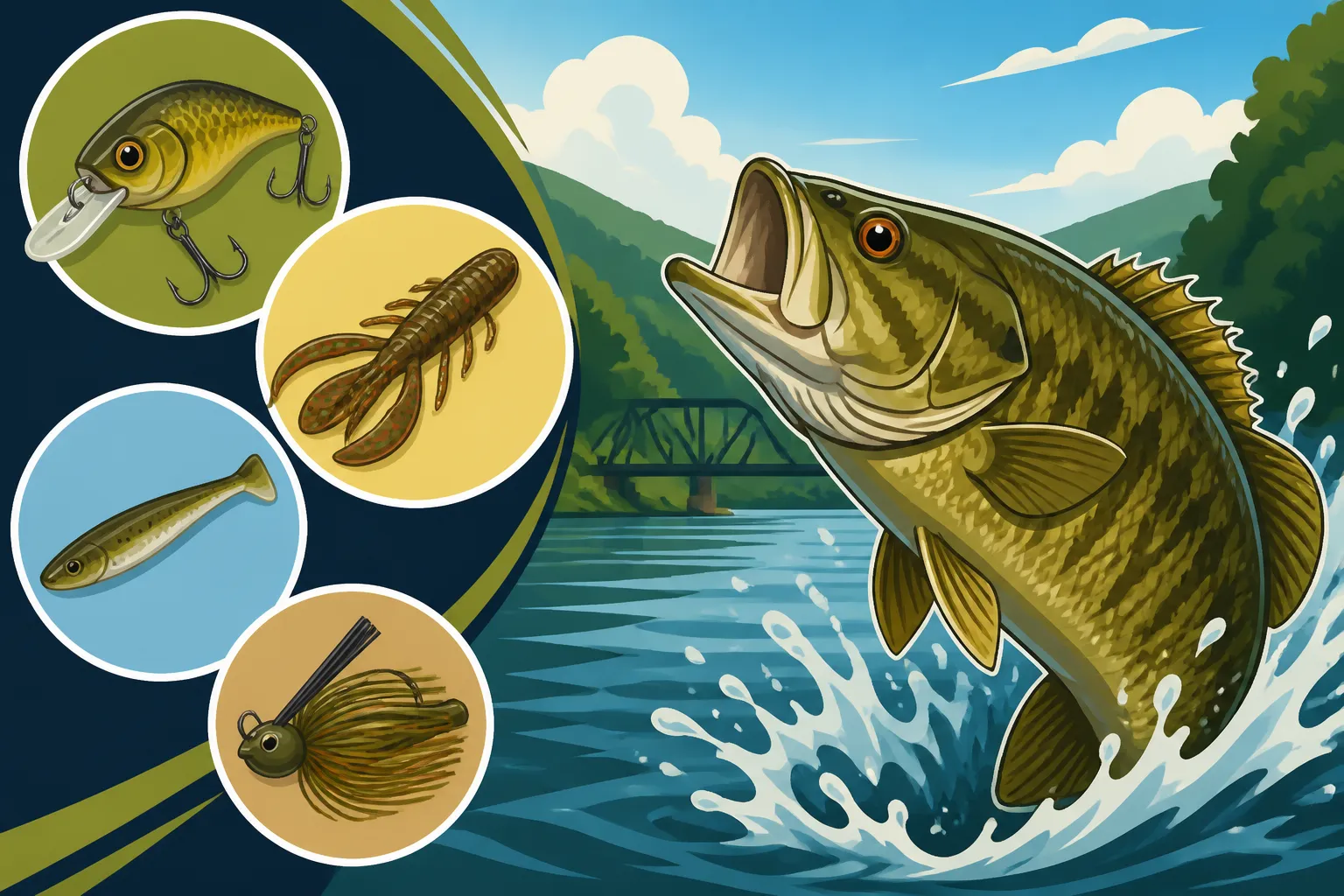
- Tube Jigs: If you ask a Housatonic smallmouth angler for their go-to lure, a tube jig is often at the top of the list. They perfectly mimic a distressed crawfish or baitfish tumbling in the current. Rig them with an internal jig head, allowing them to spiral and glide enticingly. Green pumpkin, brown, and watermelon colors are deadly. Drift them along the bottom in rocky areas, allowing them to bounce and tumble. Many anglers swear by the subtle action of a 3.5-inch tube.
- Senkos and Stick Baits: While often associated with largemouth, soft stick baits like the Yamamoto Senko can be incredibly effective for smallmouth, especially when they're a bit lethargic or in clearer water. Wacky rigged or Texas rigged, their slow fall and subtle wiggle are irresistible. Cast them to current breaks, rock piles, or eddy lines and let them sink slowly on a slack line. The strike often comes on the fall.
- Grubs and Swim Baits: Single-tailed grubs on a jig head or small paddle-tail swimbaits are fantastic for imitating baitfish. They can be reeled steadily through the current, bounced along the bottom, or hopped erratically. Colors like pearl, smoke, or chartreuse work well depending on water clarity and the prevailing baitfish. These are great for covering water and finding active fish. You can find excellent multi-packs of various soft plastics on Amazon, offering a good range of colors and sizes without breaking the bank.
Crankbaits and Jerkbaits: Reaction Strikes
When smallmouth are aggressive, few lures provoke a strike like a crankbait or jerkbait. These lures are designed to get a reaction, either by mimicking fleeing baitfish or simply aggravating the bass into striking.
- Crankbaits: Squarebill crankbaits are fantastic for shallower, rocky sections of the Housatonic. They deflect off structure, often triggering a reactionary strike. Colors that imitate crawfish (brown, orange, green pumpkin) or baitfish (shad, perch patterns) are top producers. Lipless crankbaits are also effective for covering broad flats or ripping through weeds (though less common in the main Housatonic channel). The vibration and rattle can draw fish from a distance.
- Jerkbaits: These lures excel in cooler water or when bass are suspended. A jerkbait, like those from Rapala or Megabass, is designed to be fished with a twitch-twitch-pause retrieve. The long pauses allow the lure to suspend enticingly in the water column, mimicking a struggling baitfish. Smallmouth can't resist the erratic movement followed by a vulnerable pause. These are excellent for targeting smallmouth holding near drop-offs or deeper current breaks. Learning how to fish a crankbait for Housatonic smallmouth effectively involves experimenting with retrieve speeds and pauses.
Topwater Lures: The Thrill of the Surface
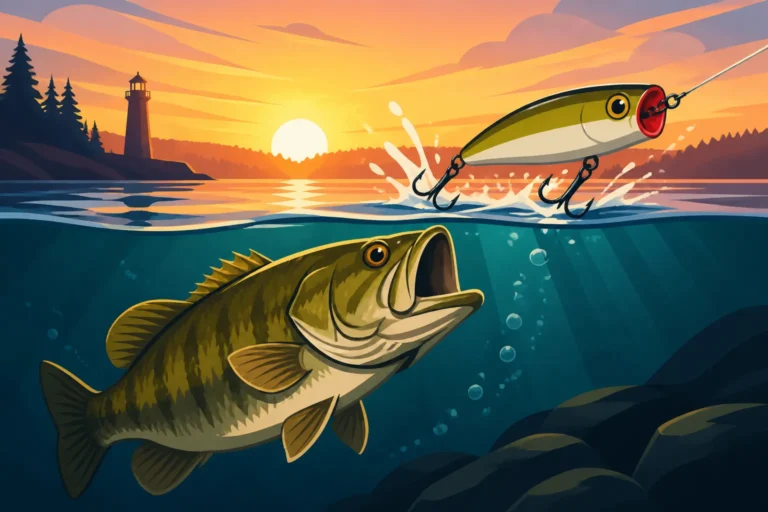
For sheer excitement, nothing beats a smallmouth blowing up on a topwater lure. While not always the most productive, when conditions are right, topwater action on the Housatonic can be spectacular, especially during low light conditions or over shallow flats.
- Poppers and Walk-the-Dogs: Classic topwater lures like poppers (e.g., Heddon Tiny Torpedo, Rebel Pop-R) and walk-the-dog lures (e.g., Heddon Zara Spook Jr., Rapala Skitter Pop) are excellent choices. Poppers create a splash and gurgle, drawing fish up, while walk-the-dog lures glide enticingly across the surface.
- Buzzbaits: For aggressive, shallow-water smallmouth, particularly in low light, a buzzbait can be deadly. The noisy blade and splashing action often elicit violent strikes.
- Presentation: Topwater lures are best fished over shallow rock gardens, along current breaks, or around submerged timber. Focus your efforts during dawn, dusk, or on overcast days when fish are more likely to look up for their meal. Cast them to likely holding spots and retrieve with a varied cadence of pauses and twitches.
Spinnerbaits and Jigs: All-Around Producers
These lures are workhorses that can produce strikes in a wide range of conditions and are excellent for both covering water and targeting specific structure.
- Spinnerbaits: With their flash and vibration, spinnerbaits are fantastic for attracting smallmouth in murky or stained water, or for covering large areas quickly. Tandem Colorado or willow leaf blades provide different actions and flash. Colors like white, chartreuse, or even a natural crawfish pattern can be very effective. Fish them by slowly rolling them along the bottom, bumping them off rocks, or ripping them through current breaks.
- Football Jigs and Hair Jigs: Jigs are a staple for smallmouth anglers, offering a compact, lifelike presentation. Football jigs with a crawfish-imitating trailer are excellent for dragging and hopping along rocky bottoms, mimicking a crawfish scurrying away. Hair jigs, particularly small black, brown, or olive ones, are incredibly subtle and can be deadly in clear, cold water or when fish are pressured. They have a natural breathing action that often fools even the most wary smallmouth. Pair them with a small plastic trailer for added bulk and action. You can find a wide assortment of quality jigs and spinnerbaits on Amazon to add to your tackle box, including specific weights and colors perfect for the Housatonic.
Seasonal Bait Strategies for the Housatonic
As we discussed, smallmouth behavior changes with the seasons, and so too should your bait selection and approach. Tailoring your strategy to the time of year can significantly boost your success rate on the Housatonic River.
Spring: Post-Spawn Feasts and Warming Waters
Spring on the Housatonic sees smallmouth transitioning from their winter haunts to shallower spawning grounds. As the water warms, their metabolism ramps up, and after the rigors of spawning, they enter a post-spawn feeding frenzy.
- Pre-Spawn: Early spring, before the spawn, smallmouth are often staging in deeper pools adjacent to spawning flats. Larger profile baits that mimic large baitfish or crawfish are excellent. Think suspending jerkbaits, deep-diving crankbaits, or large football jigs. They're looking for substantial meals to fuel the upcoming spawn.
- Post-Spawn: After spawning, smallmouth can be found in a variety of locations, but they are generally aggressive feeders. Soft plastics like tube jigs and Senkos become highly effective, especially around rocky structure where they might be guarding fry or simply recovering and feeding. Small crankbaits (squarebills) and spinnerbaits are also excellent for covering water and eliciting reaction strikes from active, hungry bass. This is a great time to experiment with presentation, as they might be less selective. Our guide to Connecticut Fishing Seasons by Month provides a broader overview of what to expect throughout the year.
Summer: Deep Water and Current Breaks
Summer can be a challenging time on the Housatonic, especially during hot spells. Smallmouth will often seek refuge from warm water and bright sunlight in deeper, cooler areas or strong current breaks.
- Finesse is Key: When the water is clear and warm, smallmouth can become wary. Finesse techniques shine here. Small hair jigs, drop-shot rigs with small worms or crawfish imitations, and subtle tube jigs are often the most productive. Focus on presenting these baits slowly and meticulously in deeper holes, around large boulders, or in shaded areas.
- Low Light Aggression: Don't count out aggressive baits entirely. During dawn, dusk, or overcast days, smallmouth will often move into shallower feeding areas. This is prime time for topwater lures or buzzbaits to get explosive strikes. Fast-moving small crankbaits can also be effective when retrieved along current seams. Remember, Best Smallmouth Bass Lures for the Housatonic in Summer often involves subtle presentations.
Fall: Aggressive Feeding and Schooling
Fall is arguably the best time to target smallmouth bass on the Housatonic. They are actively feeding, schooling up, and aggressively chasing baitfish to put on weight for winter.
- Baitfish Imitations: Smallmouth will often school up and push baitfish against structure or into eddies. Jerkbaits, crankbaits, and swimbaits that imitate shad or other baitfish are incredibly effective. Look for birds diving or baitfish flickering on the surface – where there's bait, there are usually bass.
- Crawfish Focus: As water temperatures cool, crawfish become a less active, easier meal. Dragging or hopping tube jigs and football jigs that mimic crawfish along the bottom in rocky areas is a deadly tactic. Smallmouth will often smash these baits with conviction. Spinnerbaits retrieved slowly can also imitate a struggling baitfish or crawfish moving along the bottom. This is the time when you might catch your personal best, as bass are at their peak weight and aggression. For general fishing outlook, consult Best Time of Year to Fish in Connecticut.
Factors Influencing Bait Choice on the Housatonic
Beyond the seasons, several environmental factors on the Housatonic River will dictate whether a particular bait will be successful on any given day. Paying attention to these details can make a significant difference.
Water Conditions: Clarity and Temperature
The Housatonic River's conditions can vary dramatically, from crystal clear to muddy, and from frigid to bathwater warm. Each scenario calls for a different approach.
- Water Clarity:
- Clear Water: When the Housatonic is clear, smallmouth have excellent visibility, making them more discerning. This calls for natural colors (green pumpkin, watermelon, browns) and subtle presentations. Finesse baits like hair jigs, drop shots, and natural-colored soft plastics often outperform loud, flashy lures. Smaller profiles are also generally better.
- Stained/Murky Water: In stained or muddy water, smallmouth rely more on vibration and scent. Louder lures with rattles (lipless crankbaits), strong vibrations (spinnerbaits), or bright, contrasting colors (chartreuse, orange, white) are more effective. Live bait, with its natural scent, can also be a huge advantage. Increase your retrieve speed slightly to help fish locate the bait.
- Water Temperature:
- Cold Water (Below 50°F): Smallmouth metabolism slows down, and they become less active. Slow-moving, subtle baits are best. Finesse jigs, small tubes, and suspending jerkbaits fished with long pauses are key. They won't chase far, so precise presentations are crucial.
- Moderate Water (50-65°F): This is often the sweet spot. Smallmouth are active and aggressive. A wide variety of baits can work, from crankbaits and spinnerbaits to soft plastics. Experiment with different retrieves.
- Warm Water (Above 65°F): Bass seek cooler, deeper water and shade. They can be sluggish during the day. Topwater at low light, finesse baits fished deep, or night fishing can be productive. Avoid over-stressing fish in very warm water, and consider catch and release.
Current and Structure
The Housatonic is a flowing river, and understanding how smallmouth relate to current and the abundant structure is paramount.
- Current: Smallmouth use current to their advantage, ambushing prey that drifts by while expending minimal energy. They will often position themselves just out of the main flow, in current seams, behind large boulders, or in eddies. When fishing current, choose baits that can be presented naturally without being swept away too quickly. Heavier jigs, Texas-rigged soft plastics, or well-weighted live bait are good. Cast upstream and let your bait drift down into holding areas. Our guide on How to Fish a River for Smallmouth Bass offers more detailed strategies for various current types.
- Structure: The Housatonic is rich in structure: rocks, boulders, gravel bars, fallen trees, and bridge pilings. Smallmouth are almost always associated with structure.
- Rocky Bottoms: Crawfish imitations (tube jigs, football jigs, creature baits) or shallow-diving crankbaits that deflect off rocks are excellent.
- Deep Pools/Drop-offs: Suspending jerkbaits, deep-diving crankbaits, or drop-shot rigs are effective for targeting suspended fish or those holding tight to the bottom in deeper water.
- Fallen Trees/Brush Piles: Texas-rigged soft plastics (worms, craws) or jigs with weed guards are essential to avoid snagging in these high-percentage areas.
Time of Day and Weather
Just like the seasons, the time of day and prevailing weather conditions influence smallmouth activity and bait preference.
- Low Light (Dawn/Dusk/Overcast): These are often prime times for active feeding. Topwater lures, spinnerbaits, and faster-moving crankbaits can draw strikes from aggressive fish moving into shallower feeding zones.
- Bright Sun/Midday: Smallmouth often retreat to deeper, shadier, or heavily structured areas. Finesse presentations become more important. Slow-moving jigs, drop shots, or even live bait fished directly into cover can be effective.
- Post-Front (Clear Skies, High Pressure): After a cold front, fishing can be tough. Smallmouth tend to be sluggish and less willing to chase. Opt for smaller baits, slower retrieves, and meticulous presentations. Hair jigs and small soft plastics fished painstakingly slow are often your best bet.
- Pre-Front (Cloudy, Falling Pressure): Often excellent fishing! Smallmouth feel the change and become more active, feeding aggressively. This is a great time for larger, more active baits like crankbaits, spinnerbaits, and larger soft plastics.
Presentation and Rigging Techniques for the Housatonic
Having the best bait is only half the battle; how you present it to a Housatonic smallmouth is equally important. The right rigging and retrieve can turn a mediocre day into a memorable one.
Bottom Bouncing and Drifting
Given the Housatonic's riverine nature and rocky bottom, techniques that keep your bait in the strike zone and mimic natural movements are often incredibly effective.
- Tube Jig Drifting: As mentioned, internal jig head tubes are phenomenal for this. Cast slightly upstream and across, letting your tube jig tumble and bounce along the bottom with the current. Pay close attention to your line for any slight taps or unnatural movements, which often indicate a bite. The key is to maintain a semi-slack line, allowing the current to impart action without pulling the bait unnaturally.
- Carolina Rig: This rig is perfect for presenting soft plastics (crawfish imitations, lizards, worms) along the bottom. A main line, then a weight, followed by a swivel, leader, and your hook/bait. The weight drags along the bottom, while the bait floats or swims freely above it, making it less prone to snagging in rocks. This is an excellent way to cover flats and deeper pools.
- Three-Way Swivel Rig: A traditional river fishing rig, especially for live bait. Tie your main line to one eye of a three-way swivel, a short leader (6-12 inches) with a pyramid or bell sinker to another eye, and a longer leader (18-36 inches) with your hook and live bait to the third eye. This allows your bait to drift naturally just above the bottom, keeping it visible and lively. It's particularly effective in moderate to strong currents.
Casting and Retrieving
Many artificial lures rely on your retrieve to give them action and appeal. Mastering different retrieve speeds and cadences is essential for success.
- Crankbait Pumping: For squarebill crankbaits, cast to your target (e.g., a rock pile, current seam). Retrieve with a steady pace, occasionally twitching your rod tip or giving a quick, short reel crank to make the bait "dart." When it hits structure, pause for a split second, then continue. This deflection often triggers strikes.
- Jerkbait Twitch-Pause: Cast your jerkbait, then retrieve with a series of quick rod twitches (usually 2-3) followed by a pause. The length of the pause is critical and often needs experimenting. In cold water, pauses might be 5-10 seconds; in warmer water, 1-3 seconds. The bait's suspending action during the pause is what makes it so irresistible.
- Spinnerbait Slow Roll: When working spinnerbaits, a slow, steady retrieve that allows the blades to just turn over is often best. Let it tick off rocks and cover. In stained water, speed it up a bit to increase vibration. Don't be afraid to occasionally "kill" it, letting it flutter down like a wounded baitfish.
Finesse vs. Power Fishing
Deciding between a finesse approach and a power fishing approach depends heavily on the conditions and the mood of the smallmouth.
- Finesse Fishing: This involves lighter tackle, smaller baits, slower retrieves, and more subtle presentations. It's ideal for clear water, cold water, post-front conditions, or when fish are pressured and finicky. Examples include drop-shotting small worms, fishing a hair jig on light line, or slowly dragging a small tube jig. The goal is to tempt lethargic or wary fish with a realistic, easy meal.
- Power Fishing: This involves heavier tackle, larger, more aggressive baits, and faster retrieves to cover water quickly and provoke reaction strikes. It's best for aggressive fish, stained water, or when trying to locate active schools. Examples include cranking squarebills, burning spinnerbaits, or walking a topwater lure. The goal is to trigger a predatory instinct, even if the fish aren't actively feeding. Sometimes a combination of both is necessary – power fish to locate active fish, then switch to finesse to pick off wary ones. For specific lure types and when to use them, check out Best Smallmouth Bass Lures for the Housatonic in Summer which covers more detailed scenarios.
No matter which bait you choose, confidence in your presentation and a willingness to experiment are your greatest assets on the Housatonic River.
| Bait Type | Best Conditions | Retrieve Style | Primary Imitation |
|---|---|---|---|
| Live Minnows | All conditions, especially clear/moderate current | Drift under float, slow retrieve on bottom rig | Baitfish |
| Live Crawfish | Rocky bottoms, moderate to strong current | Slow drag, bottom hop with Carolina/three-way rig | Crawfish |
| Tube Jigs | Rocky bottoms, current breaks, clear to stained | Drift & bounce, hop & drag, vertical jigging | Crawfish, baitfish |
| Suspending Jerkbaits | Cooler water, clear water, suspended fish | Twitch-twitch-pause, long pauses | Baitfish |
| Squarebill Crankbaits | Shallow rocks, current seams, stained water | Steady retrieve, bump & deflect off structure | Crawfish, baitfish |
| Soft Stick Baits | Clear water, calm eddies, pressured fish | Wacky or Texas rig, slow fall, subtle twitch | Worms |
| Spinnerbaits | Stained water, covering water, aggressive fish | Slow roll, rip & pause, bounce off cover | Baitfish |
| Hair Jigs | Cold water, clear water, finesse presentations | Slow drag, light hop, dead drift | Hellgrammite, insect |
| Topwater Poppers | Low light, shallow flats, calm conditions | Pop & pause, walk-the-dog | Injured baitfish, insect |
Disclaimer
Fishing regulations and conditions can change rapidly. Always consult the latest Connecticut DEEP fishing guide before heading out on the water. This information is for general guidance and educational purposes only.