Best smallmouth bass lures for the Housatonic in summer
Summer on the Housatonic River can be a truly incredible experience, but let's be honest, those warm, bright days can also make smallmouth bass incredibly finicky. The higher sun, warmer water, and increased recreational boat traffic often turn what should be an exciting day into a head-scratching challenge as these feisty fish go tight-lipped. This guide is all about equipping you with the best smallmouth bass lures specifically for summer fishing on the Housatonic, helping you understand their behavior and present offerings they simply can't resist.
Decoding Summer Smallmouth Behavior on the Housatonic
To consistently catch smallmouth bass on the Housatonic in summer, you really need to get inside their heads. They're not just randomly swimming around; they're reacting to their environment, especially changes in water temperature, current, and the availability of food and cover. Understanding these factors is paramount, even more so than the specific lure in your hand.
Adapting to Warmer Water and Bright Sun
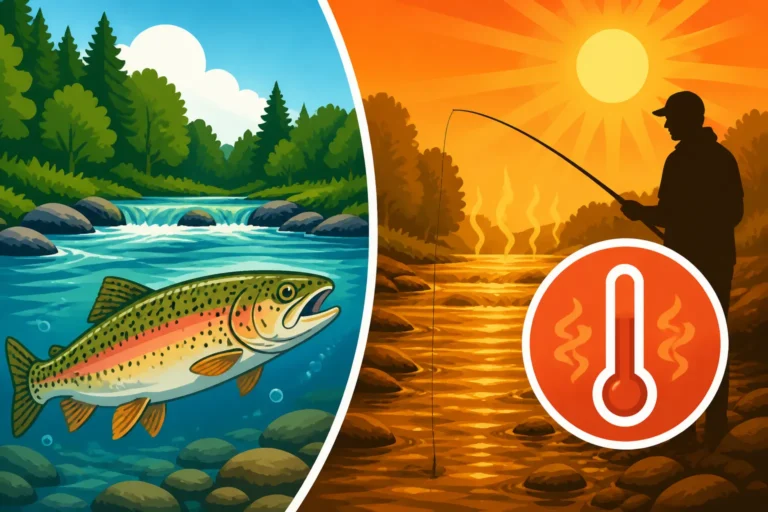
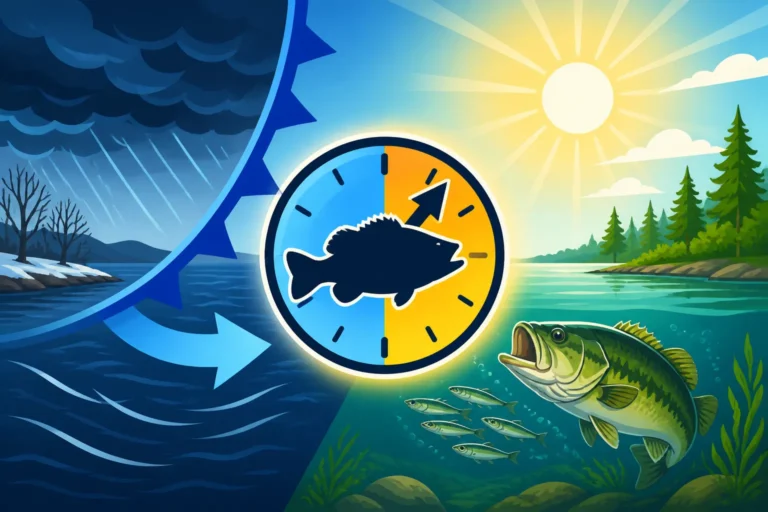
As summer progresses, the Housatonic River's water temperatures steadily rise. Smallmouth bass, like most fish, have a preferred temperature range, and while they can tolerate warmer water, it often makes them less active during the brightest parts of the day. They'll seek out cooler, more oxygenated water. This often means they'll move to deeper pools, hang out in the shade cast by overhanging trees or bridges, or tuck themselves into areas with strong current breaks where the water might be slightly cooler or more oxygenated.
Think about it from their perspective: they're cold-blooded, and direct, intense sunlight combined with warm water isn't ideal for their metabolism or comfort. This is why you'll often find the bite window shifts dramatically in summer. Early mornings, late evenings, or even cloudy, rainy days become prime time. During the midday sun, they'll be hunkered down, conserving energy, making them harder to entice. Learning about Smallmouth Bass Habits on the Housatonic can really help you pinpoint where these fish might be hiding.
Locating Prime Summer Habitat and Forage
The Housatonic is a truly diverse river, offering everything from deep, slow pools to fast, rocky rapids. In summer, smallmouth tend to gravitate towards specific types of cover and structure. Look for areas with significant rock piles, boulders, submerged timber, or even bridge pilings. These provide vital shade, current breaks, and ambush points. Deeper sections with good current are also key, as they offer cooler water and often funnel forage.
Smallmouth are opportunistic predators, and their diet on the Housatonic can include anything from crayfish and hellgrammites to shiners, minnows, and even smaller panfish. In summer, many of these forage species are abundant, so your lures should ideally mimic the size, shape, and action of what they’re naturally eating. Crayfish imitations are almost always a solid bet, especially when fished near rocky bottoms where crayfish love to hide. Don't forget that understanding Best water temperature for smallmouth bass fishing will guide you to where the fish are most comfortable and active.
Essential Lure Categories for Housatonic Smallmouth in Summer
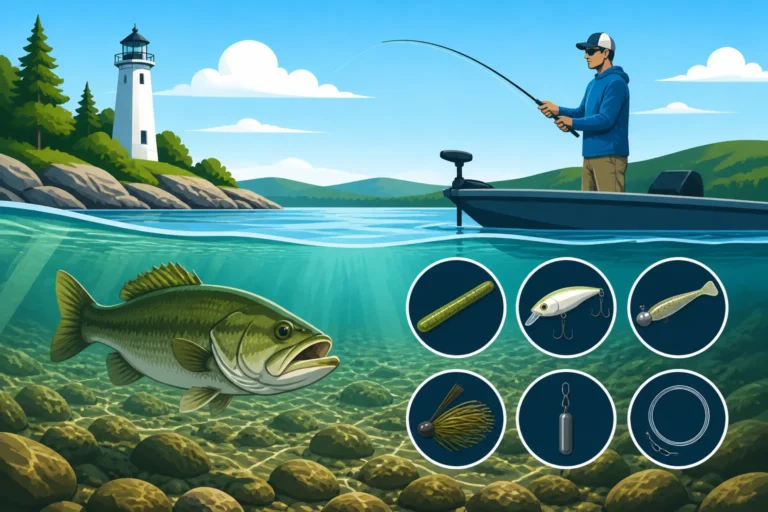
When the mercury climbs, having a diverse tackle box is your best friend. Smallmouth can be incredibly temperamental, so being able to switch up your presentation and lure style can turn a slow day into a memorable one. Here are the categories that shine on the Housatonic during the summer months.
Topwater Temptations
There's nothing quite like a smallmouth blowing up on a topwater lure. It’s exciting, visual, and highly effective, especially during low-light conditions like dawn, dusk, or overcast days when smallmouth feel safer hunting near the surface. The Housatonic has plenty of calmer pools and eddies where topwater can be deadly.
- Poppers: These lures create a distinct "pop" and splash when twitched, mimicking a struggling baitfish or insect. They excel in calmer water, especially around submerged logs or weed edges. Don't be afraid to let them sit for a few seconds after casting, then give them a series of short, sharp twitches. Colors like white, frog patterns, or natural shad can be very effective. Brands like Heddon's Pop'n Image or Rapala's Skitter Pop are classics, and you can easily find a great selection on platforms like Amazon.
- Walking Baits: Lures like a Heddon Super Spook or a Rapala Skitter Walk move in a side-to-side "walk-the-dog" action. This more subtle, gliding movement often draws strikes when fish are less aggressive than they would be for a popper. They are fantastic for covering water in slightly choppier conditions or over flats. Experiment with retrieve speed and cadence; sometimes a slow, methodical walk is best, other times a quicker, erratic one triggers a chase.
- Prop Baits: Lures with small propellers on the front, back, or both, like the Berkley Choppo or Strike King KVD Splash, create a commotion and bubbling trail on the surface. They combine the splash of a popper with a unique vibration, often irresistible to active smallmouth. These are great for generating reaction strikes when fish are holding tight to cover. Remember, the key to all topwater is patience; let the fish tell you what they want. You can dive deeper into this exciting technique with our guide on Topwater Fishing for Smallmouth Bass in Connecticut.
Subsurface Attackers: Crankbaits and Jerkbaits
When smallmouth move deeper due to warm water or bright sun, crankbaits and jerkbaits become indispensable. These lures allow you to target different depths and mimic various baitfish or crayfish.
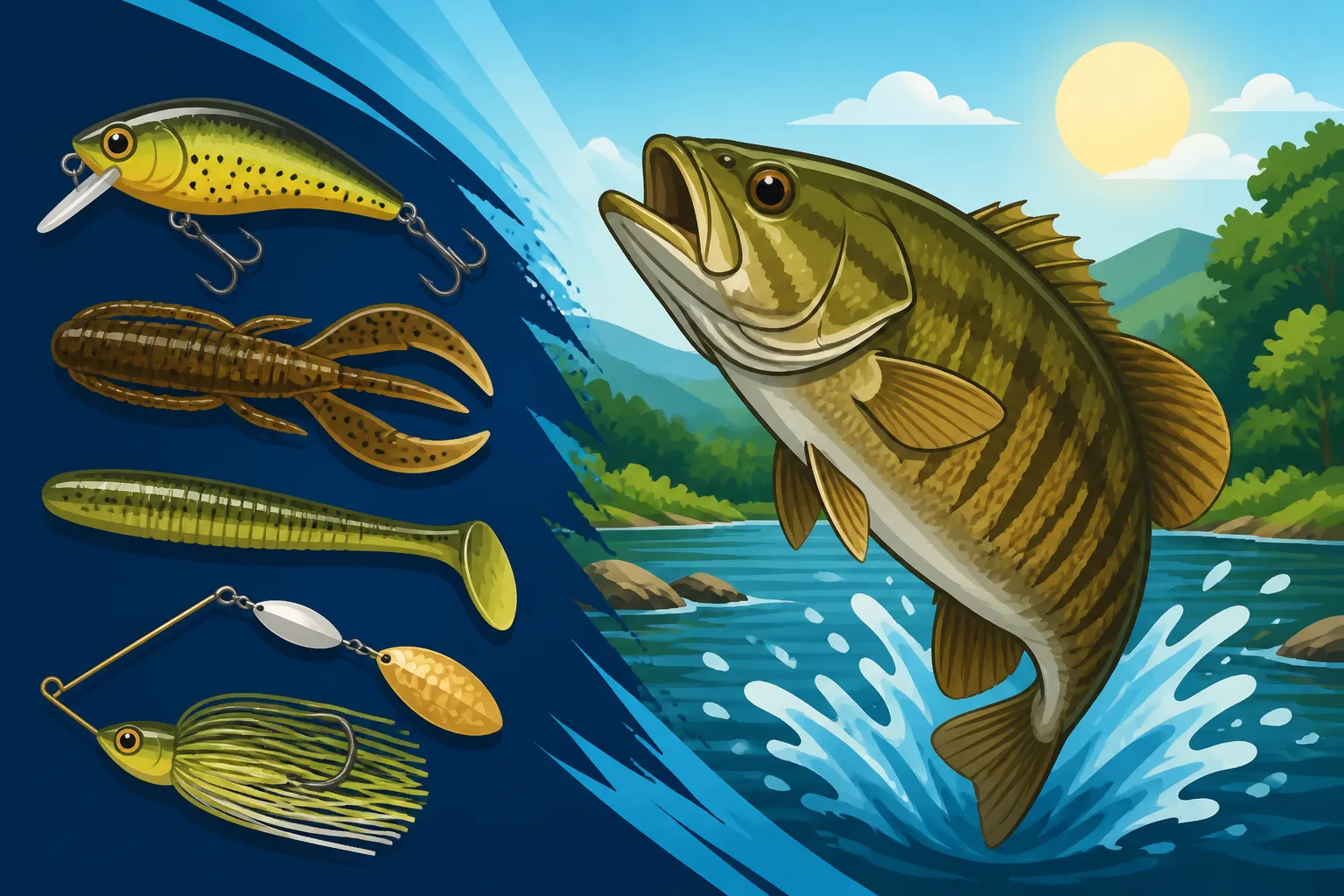
- Crankbaits: For the Housatonic, medium-diving crankbaits (diving 4-8 feet) are often ideal. Look for lures with realistic baitfish patterns (shad, perch) or crayfish colors (browns, greens, oranges). The key with crankbaits is to "deflect" them off rocks, logs, or other structure. The erratic deflection often triggers a reaction strike. A square bill crankbait is excellent for this in rocky areas, as it tends to bounce off obstacles rather than getting hung up. For deeper pools or current seams, a rounder bill crankbait that dives a bit further might be necessary. Consider brands like Strike King, Rapala, or Berkley.
- Jerkbaits: These lures are designed to be fished with a "twitch-twitch-pause" retrieve, mimicking a wounded baitfish. They don't typically dive as deep as crankbaits but can be incredibly effective when fish are suspended or less active. The pause is often when the strike occurs, so be ready! Look for natural baitfish colors. Jerkbaits are particularly good around current eddies and drop-offs where smallmouth might be ambushing prey. The Rapala X-Rap or Megabass Vision 110 are popular choices for a reason, and you can sometimes find these premium lures on Amazon.
Finesse and Imitation: Soft Plastics and Jigs
When the bite gets tough, or smallmouth are heavily pressured, finesse presentations with soft plastics and jigs can often save the day. These allow for subtle, natural movements that mimic real forage.
- Tube Jigs: A staple for smallmouth bass, tube jigs imitate crayfish and baitfish perfectly. Rig them on an internal jig head and drag, hop, or twitch them along the bottom, especially near rocky areas or current breaks. Green pumpkin, brown, and watermelon are classic colors. The subtle flutter of the tube's tentacles is incredibly enticing. This is a must-have for the Housatonic.
- Grub Jigs: Single-tail or double-tail grubs rigged on a small jig head are super versatile. They can be cast and retrieved, bounced along the bottom, or even fished vertically in deeper pockets. The vibrating tail action is irresistible. White, chartreuse, and natural baitfish colors are great starting points. Many experienced anglers still swear by a simple grub for consistent smallmouth action.
- Finesse Worms and Senkos: When the smallmouth are truly shut down, a weightless wacky-rigged Senko or a small finesse worm on a shaky head can be magic. These presentations have a slow, natural fall and subtle action that often triggers strikes from wary fish. They require patience but can be incredibly rewarding. Look for neutral colors that blend in with the environment, or brighter colors if the water is stained. These are often bought in bulk, and Amazon carries a wide array of options from brands like Gary Yamamoto and Zoom.
- Swimbaits: Smaller, soft plastic paddle-tail swimbaits (2.5-4 inches) can be rigged on a jig head and retrieved steadily or bounced along the bottom. They accurately mimic baitfish and are excellent for covering water, especially in current. Keitech Swing Impact Fat or Storm Largo Shad are great options.
Jigging for Deep-Water Dwellers
When smallmouth really go deep, especially during scorching midday heat, vertical jigging can be the ticket. Metal blade baits or small jigging spoons dropped into deep pools or current seams can often trigger reaction strikes from otherwise inactive fish. This is a more specialized technique but can be incredibly effective when you locate a school of fish holding tight to the bottom in deeper water.
Here's a quick comparison of some summer smallmouth lure types:
| Lure Type | Best Conditions | Action | Key Features |
|---|---|---|---|
| Poppers | Low light, calm water, around cover | "Pop" and splash, subtle movement | Mimics struggling baitfish/insect, creates surface commotion |
| Walking Baits | Low light, slightly choppier water, open flats | Side-to-side "walk-the-dog" glide | Subtle, enticing action, covers water |
| Prop Baits | Active fish, generating reaction strikes, visible commotion | Splashing, bubbling, vibration | High visibility and sound, good for aggression |
| Crankbaits | Deeper water, targeting structure, current seams | Erratic wobble, deflects off cover | Dives to specific depths, mimics baitfish or crayfish, reaction strikes |
| Jerkbaits | Suspended fish, less active periods, current eddies | "Twitch-twitch-pause," wounded baitfish | Enticing stop-and-go action, good for finicky fish |
| Tube Jigs | Bottom fishing, rocky areas, current breaks | Subtle flutter, crayfish imitation | Versatile, natural presentation, great for picky fish |
| Grub Jigs | All conditions, versatile, covering water | Vibrating tail action, steady retrieve | Simple, effective, mimics baitfish, can be worked many ways |
| Finesse Worms | Tough bites, pressured fish, slow retrieves | Slow fall, natural, subtle movement | Highly natural, excels when fish are inactive, requires patience |
| Swimbaits | Mimicking baitfish, covering water, current | Realistic swimming action, paddle tail | Versatile, can be fished at various depths, good search bait |
| Blade/Jigging Spoons | Deep water, inactive schools, vertical presentation | Flash and vibration on retrieve/fall | Reaction strikes, good for pinpointing deep fish, minimal horizontal movement |
Mastering Presentations and Techniques
Having the right lure is only half the battle; knowing how to present it effectively is where true angling skill comes into play. On the Housatonic in summer, the smallmouth often require a more nuanced approach than during cooler months.
Slowing Down and Finessing the Bite
One of the biggest mistakes anglers make in summer is fishing too fast. While an aggressive retrieve might work when water temperatures are ideal and fish are actively feeding, warmer water often means smallmouth are less willing to chase. This is where slowing down and employing finesse techniques becomes crucial. When fishing soft plastics like tube jigs or finesse worms, focus on long pauses and subtle movements. Let your tube jig sit on the bottom for a few extra seconds before hopping it. For a Senko, let it flutter down on a slack line. These extended pauses often give a wary smallmouth just enough time to commit to the strike.
Consider how you approach different types of water as well. For example, when fishing rocky runs or current breaks, you might want to present your lure upstream and allow the current to carry it naturally into potential holding spots, just like you might for trout. Our guide on How to fish a river for smallmouth bass offers excellent insights into reading river currents and structure.
Targeting Key Structure and Current Breaks
The Housatonic is a river of contrasts, with powerful currents and calm eddies. In summer, smallmouth are almost always associated with structure that provides a current break or shade. Look for the "sweet spots":
- Downstream side of large boulders or submerged trees: These create a calm pocket where fish can rest out of the main current and ambush prey.
- Current seams: The line where fast current meets slower water is a prime feeding lane. Cast your lures along these seams, letting them drift into the slower water.
- Deep pools with rocky bottoms: Smallmouth will often stack up in these deeper, cooler sections during the heat of the day. A well-placed jig or crankbait can be deadly here.
- Bridge pilings and docks: These offer both shade and structure. Skip jigs or soft plastics under docks, or cast crankbaits parallel to bridge pilings.
Precision casting is essential, especially when fishing from a kayak or shore. You need to be able to hit those small pockets of calm water or the precise edge of a current seam. Many anglers find that a high-quality medium-light spinning rod and reel combo is ideal for these finesse presentations, and finding reputable brands on Amazon can equip you without breaking the bank. For those looking to cover more water and access prime spots, exploring Best Kayak Fishing Spots in Connecticut on the Housatonic might be a game-changer.
Seasonal Considerations and Essential Gear
Summer fishing on the Housatonic isn't just about the lures; it's about being prepared for the conditions and having the right supporting gear to maximize your chances of success and ensure your comfort.
Optimal Times to Fish
As mentioned, the best times to target summer smallmouth on the Housatonic are often during low-light periods.
- Dawn and early morning: The water is at its coolest, and fish are often actively feeding after a night of rest. This is prime topwater time!
- Dusk and evening: Similar to the morning, the dropping light levels and cooling air temperatures can kickstart a bite.
- Overcast or rainy days: These conditions mimic low light and can bring smallmouth out of their deeper haunts and onto shallower flats or along cover throughout the day.
- Night fishing: While less common for smallmouth on the Housatonic, some anglers have success with dark-colored topwater or slow-moving jigs after dark, especially for larger fish. For a broader understanding of how different species react to time of day, check out Connecticut Fishing Seasons by Month.
Stealth and Presentation
The Housatonic River in summer can see a fair amount of recreational traffic – kayaks, canoes, and inner tubes. This can make the smallmouth warier. Stealth is your friend.
- Approach quietly: Whether you're wading, in a kayak, or on a boat, minimize noise and avoid spooking fish.
- Long casts: Keep your distance from known holding spots and make long, accurate casts.
- Match your line to conditions: In clear water, consider using lighter fluorocarbon leaders (6-10 lb test) for better invisibility and less line twist. Braid with a fluorocarbon leader is a popular setup for its sensitivity and strength.
Beyond the Lures: What Else to Bring
Don't forget the essentials for a comfortable and successful summer day on the river.
- Sun Protection: Sunscreen, a wide-brimmed hat, and polarized sunglasses are non-negotiable. The glare off the water can be intense.
- Hydration: Always bring plenty of water. Summer days can be hot, and staying hydrated is critical.
- Pliers: Essential for removing hooks safely and quickly.
- Fishing License: Make sure you have your current Connecticut fishing license. You can find comprehensive details in our Connecticut Fishing Regulations Explained guide.
- Net: A quality landing net with a rubberized mesh will protect the fish (and your hands) and make landing feisty smallmouth much easier.
- Waders/Wading Boots: If you plan on wading the river, good quality waders and sturdy boots with felt or sticky rubber soles are essential for safety and comfort, especially on slippery, rocky bottoms. Many Housatonic regulars prefer wading over bank fishing to reach prime spots.
By understanding the unique challenges and opportunities that summer presents on the Housatonic River, and by equipping yourself with the right lures and techniques, you can turn those finicky summer smallmouth into aggressive biters.
Disclaimer
Fishing conditions and regulations can change. Always consult the latest Connecticut Department of Energy and Environmental Protection (DEEP) fishing guide for the most up-to-date information on seasons, limits, and specific water body rules before heading out on the water. Be aware of private property boundaries and respect local access points.