Topwater Fishing for Smallmouth Bass in Connecticut
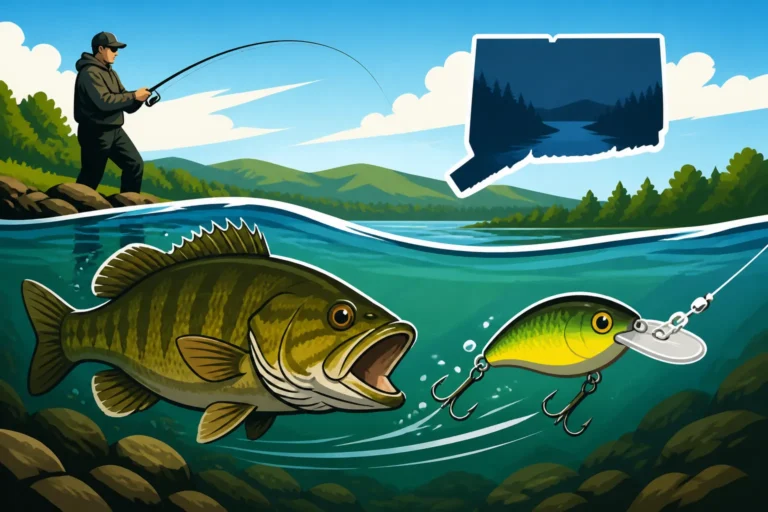
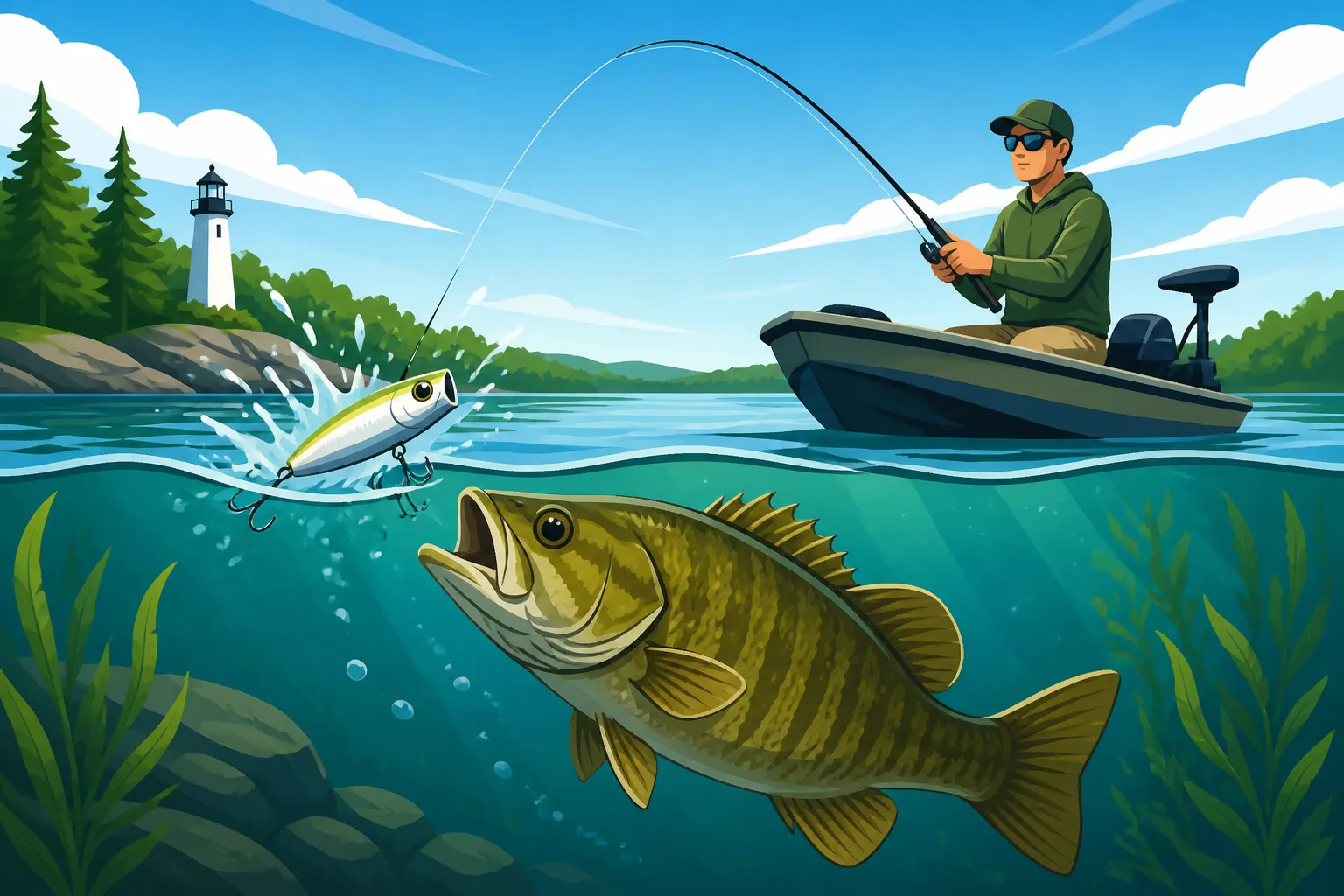
There's nothing quite like it – that moment when you're diligently working a topwater lure, the surface of a Connecticut lake or river is perfectly still, and then BAM! A smallmouth bass explodes from below, engulfing your bait in a heart-stopping, adrenaline-fueled strike. If you've ever felt the frustration of endless casts with no surface action, or wished you could consistently trigger those incredible topwater blow-ups, then this comprehensive guide is for you. We're going to dive deep into how to make topwater fishing for smallmouth bass in Connecticut a regular, thrilling part of your angling adventures.
The Irresistible Allure of Topwater Smallmouth Fishing in Connecticut
Let's be honest, we've all seen those epic fishing videos where a bass smashes a topwater lure, and we yearn for that same excitement. But in Connecticut, with our diverse waters, understanding how and when to make that happen for smallmouth can feel like cracking a secret code. It's not just about luck; it's about technique, timing, and knowing your quarry.
The Unforgettable Visual Strike
The pure visual spectacle is what hooks most of us on topwater fishing. Unlike subsurface bites that you only feel, a topwater strike is an explosion you see, hear, and then feel as your rod bends. Imagine standing on the rocky banks of the Housatonic, casting a popper near a submerged boulder. You twitch it once, twice, and then a bronze bullet erupts, sending spray everywhere as it inhales your lure. Your heart leaps into your throat, and the fight is on. This isn't just fishing; it's an interactive, high-octane experience that imprints itself on your memory, making you chase that thrill again and again. It’s a moment that no other fishing technique truly replicates, a visceral connection to the wildness of the fish.
The Challenge and the Hunt
While the reward is immense, topwater smallmouth fishing in Connecticut also presents its own set of challenges. Smallmouth are notoriously intelligent and can be finicky. Sometimes they'll follow your lure right to the boat, only to turn away at the last second, leaving you wondering what you did wrong. Other times, they'll miss the lure entirely, leaving a boil in the water but no hook-up. This constant cat-and-mouse game, the need for precision casting and nuanced retrieves, is precisely what makes it so engaging. It's not just about casting and reeling; it's about anticipating, reading the water, and trying to outsmart a truly formidable opponent. The pursuit itself becomes a captivating hunt, testing your skills and patience with every cast.
Beyond Just a Catch: The Experience
Ultimately, topwater smallmouth fishing in Connecticut is more than just catching fish; it's about the entire experience. It's waking up before dawn to the misty calm of a lake, the chirping of birds, and the absolute silence before the first cast. It's about being fully present, focused on the subtle ripples around your lure, the light hitting the water, and the anticipation of that next explosive strike. Whether you're on a remote pond or a bustling river, the topwater game forces you to slow down, observe, and connect with nature in a profound way. The peace, the excitement, the beautiful surroundings – it all combines to create memories that last long after the fish has been released.
Deciphering Connecticut Smallmouth Habits for Topwater Success
To consistently tempt smallmouth to the surface in Connecticut, you need to think like a smallmouth. Understanding their preferred hangouts, what they're looking to eat, and the conditions that make them bold enough to strike a surface bait is absolutely critical. This isn't just about throwing a lure out there; it's about strategic presentation.
Key Structures Where Smallmouth Lie in Wait
Smallmouth bass are structure-oriented fish, meaning they relate strongly to underwater features. When it comes to topwater, you're looking for structures that bring them close to the surface or create ambush points where they can easily dart up and grab a meal. Think about natural current breaks, like large boulders in rivers, which create calm pockets just behind them. Smallmouth love to sit in these eddies, conserving energy while waiting for food to drift by. Casting a topwater lure just above these spots and letting it drift into the sweet zone can be incredibly effective.
Similarly, submerged timber, rock piles, or even dock pilings in lakes offer both cover and shade, making them prime real estate. Smallmouth might be a few feet down, but they're always ready to rocket to the surface if an easy meal presents itself directly over their heads. Sharp drop-offs or transition areas where deep water meets shallow flats are also excellent spots, especially during low light conditions. If you're exploring new spots, a great place to start is by checking out guides like Best Fishing Rivers in Connecticut or Best Bass Fishing Lakes in Connecticut to identify prime structural elements in those waters.
The Role of Forage in Topwater Action
What smallmouth are eating, and more importantly, where they're eating it, directly influences their willingness to strike a topwater lure. In Connecticut, smallmouth have a varied diet, including baitfish like alewives, shiners, and perch fry, as well as crayfish, insects, and even frogs. When these food sources are active near the surface, that's your cue to throw topwater.
Consider an evening hatch of insects on a quiet lake, or schools of baitfish busting on the surface in a river during late summer. These are prime times when smallmouth are already looking up for their next meal. Mimicking a struggling baitfish or a frog that has just landed on the water's surface can be irresistible. A topwater lure that creates a similar disturbance, whether it's the subtle gurgle of a popper or the frantic splash of a prop bait, can trigger an aggressive reaction strike from a smallmouth keyed into surface feeding. Understanding Smallmouth Bass Habits on the Housatonic can give you insights into their feeding patterns in specific river environments.
Optimal Water Conditions for Explosive Strikes
Water conditions play a huge role in topwater success. Smallmouth generally prefer warmer waters, and they become more active and willing to chase surface baits when the water temperature is in their comfort zone, typically between 60-75 degrees Fahrenheit. You can find more details on Water temperature smallmouth bass prefer for specific ranges. Overcast days or low light periods like dawn and dusk are often the best times. The reduced light makes smallmouth feel more secure about exposing themselves on the surface, and it also makes your lure harder for them to scrutinize.
Clear water is usually a bonus for topwater, as smallmouth rely heavily on sight. However, in extremely clear, calm conditions, they can sometimes be spooky. A little chop on the water surface, caused by a gentle breeze, can actually be beneficial. This "riffle" effect breaks up the surface, making your lure appear more natural and harder for bass to distinguish from a real struggling baitfish or insect. Conversely, murky or heavily stained water isn't ideal for topwater, as fish struggle to see the lure. High water after a heavy rain can also make topwater challenging in rivers, as the current might be too strong and the water too discolored.
Assembling Your Topwater Tackle Box for Connecticut Waters
Having the right tools for the job is paramount, and topwater fishing for smallmouth bass is no exception. While a handful of lures can get you started, having a diverse selection, along with a properly matched rod, reel, and line, will significantly increase your success rate on Connecticut's varied waters. You can always browse great selections of these essentials on Amazon.
Poppers and Walkers: The Classics
These two categories are the bread and butter of topwater smallmouth fishing.
- Poppers: Lures like the Rapala Skitter Pop or the Rebel Pop-R have a cupped face that "pops" or "chugs" water when retrieved with a twitch. This commotion mimics a struggling baitfish or a frog, drawing aggressive strikes. They are excellent for relatively calm water, around structure, or when you need to call fish from a distance. Experiment with different retrieves, from subtle twitches to harder pops, to see what the fish prefer. Often, a "pop-pause" retrieve is deadly, allowing the fish time to home in on the lure.
- Walkers (Walk-the-Dog Lures): Iconic lures like the Heddon Super Spook Jr. or the Zara Spook are designed to glide side-to-side across the surface with a specific retrieve. This "walking the dog" action is incredibly realistic, mimicking a panicked baitfish. Walkers are fantastic for covering water, especially over flats, along weed lines, or open water when smallmouth are chasing schools of baitfish. Their continuous, erratic motion often triggers instinctual strikes. Having a couple of sizes and natural baitfish colors, perhaps even a shad pattern or a bone color, will serve you well. Many anglers find a vast array of these lures available on Amazon, often with helpful reviews.
Prop Baits and Buzzbaits: Making a Scene
When smallmouth are aggressive or when you need to cover water and create a lot of commotion, prop baits and buzzbaits shine.
- Prop Baits: Lures such as a Berkley Choppo or a River2Sea Whopper Plopper feature one or two propellers that churn water, creating a unique gurgling, sputtering sound and visible disturbance. These are excellent for active fish, especially when you need to draw strikes from further away or in slightly choppier conditions. They can be particularly effective during early morning or late evening when smallmouth are hunting aggressively. The constant noise and splash are irresistible to some smallmouth, especially larger ones looking for a substantial meal.
- Buzzbaits: These metal-framed lures, like the Booyah Buzz, feature a propeller blade that rotates when retrieved, creating a loud "buzzing" sound and a steady wake on the surface. Buzzbaits are known for triggering reaction strikes. They are best fished with a steady, medium-to-fast retrieve, keeping them just on top of the water. Buzzbaits are fantastic for fishing around heavy cover, emergent weeds, or along shorelines, where fish might be tucked away. Their weedless design makes them ideal for navigating dense vegetation without getting snagged. You can often find multi-packs of popular buzzbaits from brands like Strike King on Amazon, which is a great way to build up your collection.
Rods, Reels, and Line: The Right Setup
Having the proper tackle ensures maximum casting distance, accurate presentations, and the power to control a fighting smallmouth.
- Rods: A medium-heavy power casting rod, usually 6'8" to 7'4" in length, with a fast or extra-fast action, is ideal for most topwater applications. This combination provides enough backbone to cast larger lures and set the hook, while the fast tip allows for precise lure manipulation for actions like "walking the dog." For smaller poppers or lighter walking baits, a medium power rod might be more appropriate.
- Reels: A baitcasting reel with a gear ratio between 7.1:1 and 8.3:1 (a high-speed retrieve) is highly recommended. This allows you to quickly pick up slack line after a strike, manage your line for complex retrieves, and rapidly reel in slack to make another cast after a missed strike or to bring in a fish. Smooth drag is also essential, as smallmouth fight hard and often make powerful runs.
- Line: Many topwater anglers opt for monofilament line, especially for walking baits, due to its buoyancy. Mono floats, which helps keep your topwater lure on the surface and facilitates the "walk the dog" action. A 12-17 lb test monofilament is a good starting point. However, braided line (30-40 lb test) can also be highly effective, particularly when fishing around heavy cover or for buzzbaits where immediate hooksets are crucial. Braid offers incredible sensitivity and no stretch, which is great for sensing subtle bites and getting solid hook penetration. If using braid, consider adding a 12-15 lb fluorocarbon leader (2-3 feet long) to make your presentation less visible to wary smallmouth. For a wide variety of fishing lines, from Berkley to PowerPro, Amazon offers numerous options to fit your specific needs.
| Topwater Lure Type | Key Action/Sound | Best Conditions | Target Situations | Pros | Cons |
|---|---|---|---|---|---|
| Poppers | "Pop," "Chug," "Splash" | Calm to light chop | Around structure, schooling fish, calmer pockets | Attracts from distance, varied retrieve | Can be slow to cover water, might foul in heavy cover |
| Walkers | "Walk-the-Dog" (side-to-side glide) | Calm to light chop, open water | Flats, weed edges, chasing baitfish | Realistic action, covers water well | Requires specific retrieve skill, less commotion |
| Prop Baits | "Gurgle," "Sputter," "Churn" | Light chop, active fish, low light | Aggressive feeding fish, open water search | High commotion, draws attention from far away | Can be noisy, less subtle for wary fish |
| Buzzbaits | "Buzz," "Squeak," steady wake | Heavy cover, aggressive fish, low light | Weed lines, lily pads, shallow cover | Weedless, triggers reaction strikes, covers water fast | Less versatile retrieve, only works on fast retrieve |
Mastering Topwater Presentation Techniques for Connecticut Smallmouth
Getting the right lure is only half the battle; knowing how to work it is where the magic happens. Smallmouth bass can be notoriously finicky, and a subtle change in your retrieve can make all the difference between a frustrating follow and an exhilarating strike. This is where the art of topwater truly comes into play.
The Art of "Walking the Dog"
This is perhaps the most iconic topwater retrieve, and it’s an absolute game-changer for walking baits like the Heddon Super Spook Jr. or the Zara Spook. The goal is to make your lure glide from side to side in an enticing zigzag pattern across the surface, mimicking a distressed baitfish.
Here’s how to do it:
- Cast: Make your cast to your desired target, leaving a bit of slack in your line.
- Point Down: Immediately point your rod tip down towards the water, almost parallel to the surface.
- Short Twitches: Give your rod tip a sharp, downward twitch, almost like you’re pulling it straight down. As you twitch, simultaneously reel in only enough slack to take up the line created by the lure’s movement.
- Repeat and Rhythm: The key is to find a rhythm. Twitch-reel, twitch-reel, twitch-reel. Each twitch should make the lure dart to one side, and the next twitch should send it to the other. It takes practice to get the cadence right, but once you do, it becomes second nature. Don't pull too hard or reel too much, or the lure will simply come straight towards you.
- Vary the Speed: Sometimes a fast, frantic walk works best; other times, a slower, wider glide is more appealing. Pay attention to how the smallmouth react. For more specific guidance on presentation, resources like How to fish a river for smallmouth bass can offer deeper insights into riverine scenarios where this technique excels.
Popping, Chugging, and Gurgling
Poppers require a different finesse than walkers, but their ability to create controlled commotion makes them indispensable. The action comes from the lure's cupped face catching water.
- The Pop: A sharp, short twitch of the rod tip will cause the popper to "pop" or "chug," spitting water forward. This mimics a struggling insect or a small baitfish feeding on the surface.
- The Pause: This is often the most critical part. After you pop, let the lure sit motionless. This pause allows any curious smallmouth to investigate and provides a crucial moment for them to commit to the strike. Sometimes, a long, agonizing pause of 5-10 seconds is what it takes.
- Vary the Sequence: Experiment with a single pop-pause, or a double-pop-pause. Sometimes, a series of quick pops followed by a long pause is the ticket. On other days, a rhythmic pop-pop-pause works. Again, observe the fish's reaction. If fish are aggressively hitting, you might speed up your retrieve; if they're just investigating, prolong your pauses.
The Stop-and-Go and Twitch-Twitch-Pause
Not all topwater lures are designed for the dedicated walk or pop. Many prop baits, wakebaits, and even some hybrid lures benefit from varied retrieves that aren't quite as specialized.
- Stop-and-Go: This is a simple but effective retrieve. Cast your lure out, reel it in a short distance (5-10 feet) with a steady retrieve, then stop. Let the lure sit for a few seconds, then continue reeling. This stop-and-go action can mimic a baitfish swimming erratically, resting, then darting off again. It's particularly useful when fish are somewhat active but not fully committing to a constant retrieve.
- Twitch-Twitch-Pause: This technique involves imparting small, sharp twitches to your rod tip, causing the lure to make quick, erratic movements on the surface, then allowing it to rest. This is fantastic for mimicking a dying baitfish or an insect struggling on the water. The key is to vary the length of your twitches and the duration of your pauses. Sometimes two quick twitches followed by a long pause works, other times it’s four short twitches then a shorter pause. This subtle manipulation can entice a strike from even the most wary smallmouth.
Prime Connecticut Hotspots for Topwater Smallmouth
Connecticut boasts a fantastic variety of waters that hold strong populations of smallmouth bass, many of which are perfect for topwater action. Knowing where to focus your efforts can make a big difference in your success. From large river systems to clear, rocky lakes, each environment offers unique opportunities for that explosive strike.
River Systems and Flowages
Connecticut's rivers are legendary for their smallmouth bass fishing, and many offer prime topwater opportunities, especially during warmer months.
- Housatonic River: This river is a smallmouth haven, particularly its lower stretches and the impoundments like Lake Zoar and Lake Lillinonah. Look for current breaks created by large boulders, fallen trees, and gravel bars. Smallmouth will stack up in these calmer pockets, waiting to ambush prey. Early mornings, you'll often see smallmouth busting on the surface, making it an ideal time for topwater. Casting a walking bait or a prop bait into these current seams and working it into the calmer water can be incredibly effective. Consider looking at the Housatonic River Fishing Guide for more detailed spots and access points.
- Connecticut River: While famous for its striped bass and shad runs, the Connecticut River also holds significant populations of smallmouth bass, particularly in its upper tidal and non-tidal reaches. Focus on tributary mouths, rocky points, and areas with submerged timber. The wider expanse of the river means you might need lures that create more commotion or allow for longer casts. A buzzbait or a large walking bait can cover water effectively here. Kayak fishing is often excellent in these river environments, allowing access to spots bigger boats can't reach, as noted in resources like Best Kayak Fishing Spots in Connecticut.
Clear Lakes and Reservoirs
Connecticut's deeper, clearer lakes and reservoirs offer different, but equally exciting, topwater prospects for smallmouth.
- Candlewood Lake: As Connecticut's largest lake, Candlewood is renowned for its excellent smallmouth fishery. During the early morning and late evening, smallmouth will often patrol shallow flats, rocky points, and submerged humps near deep water. A walking bait worked quickly over these areas can draw aggressive strikes. Later in the day, look for them around main lake points or offshore humps, especially on cloudy days. Because the water is so clear, stealth is key. Long casts and quiet approaches are vital. For more detailed information on specific locations and tactics, consult the Candlewood Lake Fishing Guide.
- Squantz Pond, Highland Lake, Mashapaug Lake: These are other excellent examples of clear-water lakes that can produce fantastic topwater smallmouth. Focus your efforts on rocky shorelines, boulder fields, and main lake points that drop off into deeper water. Smallmouth in these lakes are often very sight-oriented, so realistic baitfish patterns in walking baits or subtle poppers can be highly effective. Early mornings are prime, especially when there's a light chop on the water.
Tidal Influenced Areas
Don't overlook the unique opportunities presented by tidal waters for topwater smallmouth. The lower stretches of the Connecticut River and some of the larger estuaries emptying into Long Island Sound can hold surprising numbers of smallmouth, often mixing with striped bass.
- Lower Connecticut River Estuary: As the river approaches the Sound, the water becomes brackish, and smallmouth can thrive alongside their saltwater cousins. Look for them around rocky islands, current breaks, and dock pilings. The tidal current creates moving baitfish opportunities that smallmouth capitalize on. Fishing around the slack tide, or during the beginning of an incoming or outgoing tide, can be incredibly productive, as mentioned in general guides about Best Time of Day to Catch Striped Bass which also applies to predatory fish in tidal zones.
- Other Estuaries: While less common, some other larger river mouths along the coast, particularly those with good rock structure and freshwater influence, can surprisingly hold smallmouth. It's always worth exploring these transitional zones, especially when actively chasing baitfish near the surface. The dynamic nature of tidal waters means fish locations can shift with the tides, so staying mobile and observant is key.
Seasonal Strategies for Connecticut Topwater Smallmouth
Smallmouth bass behavior changes dramatically with the seasons, and so too should your topwater tactics. What works in the spring might be ineffective in the heat of summer, and fall requires another adjustment. Understanding these seasonal shifts, as detailed in guides like Connecticut Fishing Seasons by Month, is crucial for consistent topwater success.
Spring Awakening: The Pre-Spawn Buzz
As Connecticut waters begin to warm in late April and May, smallmouth bass emerge from their winter lethargy and become incredibly active, particularly during the pre-spawn period. This is often an excellent time for topwater action.
- Timing: Water temperatures typically need to be consistently in the upper 50s and low 60s Fahrenheit.
- Behavior: Smallmouth are aggressively feeding to build energy for spawning. They're often found in shallower areas, moving from deeper wintering holes to shallower flats, rocky points, and protected coves.
- Tactics: During this period, smallmouth are generally less wary and more willing to chase. Buzzbaits can be incredibly effective, especially in stained water or around woody cover, as their commotion draws fish out. Walking baits and prop baits are also great, worked with a medium-to-fast retrieve over transitional areas where smallmouth are staging. Pay close attention to rocky sun-exposed flats, as these areas warm up first and attract hungry bass.
Summer Heat: Dawn, Dusk, and Overcast Days
Connecticut summers can be hot, and the bright sun often drives smallmouth to deeper, cooler water during the middle of the day. However, topwater opportunities are still abundant if you know when and where to look.
- Timing: The absolute best times are early morning (from pre-dawn to an hour or two after sunrise) and late evening (from an hour or two before sunset until dark). Overcast days, especially with a light chop on the water, can also extend the topwater bite throughout the day.
- Behavior: Smallmouth will move into shallower feeding areas during low light and retreat to deeper structure (drop-offs, humps, submerged timber) as the sun gets high. They're still feeding aggressively but are more cautious.
- Tactics: In the mornings and evenings, target rocky points, main lake flats, and weed edges. A fast-walking bait or a prop bait can be great for covering water and triggering strikes. If fish are short-striking or hesitant, slow down your retrieve, incorporate longer pauses with poppers, or try a twitch-twitch-pause retrieve. On bright, sunny days, limit your topwater efforts to shaded areas, dock lines, or very early/late windows. This is also when smallmouth might key in on terrestrial insects or frogs near shorelines.
Fall Feeding Frenzy: Bulking Up for Winter
As the air cools and water temperatures start to drop in September and October, smallmouth bass enter a "feeding frenzy" phase, actively gorging themselves in preparation for winter. This can be one of the most productive times for topwater fishing in Connecticut.
- Timing: As water temperatures fall from the 70s into the 60s and 50s.
- Behavior: Smallmouth become incredibly aggressive, often schooling up and actively chasing baitfish in open water or along steeper breaks. They are less spooky and more willing to expend energy chasing down a meal.
- Tactics: Walking baits excel during the fall, especially when retrieved quickly over schooling baitfish or along rocky shorelines. Prop baits and buzzbaits can also draw powerful strikes. Focus on main lake points, sharp drop-offs, and areas where baitfish are congregating. As the water continues to cool, target shallower areas warmed by the sun during the warmest part of the day. The fall bite can be intense and often produces some of the biggest smallmouth of the year on topwater.
Disclaimer
The information provided in this guide is for general informational purposes only and is not intended as legal advice. Fishing regulations in Connecticut can change frequently. Always consult the official Connecticut Department of Energy and Environmental Protection (DEEP) website or the most current Connecticut Angler's Guide for up-to-date regulations, licensing requirements, and any specific rules pertaining to certain bodies of water before heading out to fish. Adhering to all local and state laws is your responsibility.