Best technique for bank fishing a stocked pond
It’s a tale as old as time, or at least as old as the last trout stocking: you get to a beautiful, calm pond, fully expecting to catch fish, only to find yourself casting repeatedly with no luck, while others seem to be hauling them in. Bank fishing a stocked pond can be incredibly rewarding, but it often comes with unique challenges that leave many anglers frustrated. This guide is here to cut through that frustration, offering practical, step-by-step techniques to help you consistently catch fish from the shore of Connecticut's many stocked waters.
Understanding Stocked Ponds and Their Fish
Before we even cast a line, it's crucial to understand what makes a stocked pond different from a wild fishery. These waters are managed by the Connecticut DEEP, often with specific goals in mind, and the fish behave accordingly.
The Mindset of Stocked Trout and Bass
When you hear "stocked pond," often the first fish that comes to mind are trout, especially rainbow trout, brown trout, and brook trout. These fish, often raised in hatcheries, are initially less wary than their wild counterparts. They've been accustomed to regular feedings and a relatively protected environment. Because of this, when they're first introduced to a pond, they can be quite aggressive and easy to catch. Think of them as hungry teenagers let loose at a buffet – they're not picky! This "honeymoon period" right after a stocking is prime time for catching limits. The state provides great resources like the Connecticut Interactive Trout Stocking Map, Explained to help you pinpoint recent stocking events.
However, this easy fishing doesn't last forever. As days and weeks pass, these stocked fish become "educated." They learn to associate shadows and loud noises with danger, and they start to recognize common baits and lures. They become pickier, moving to deeper, safer water, or hiding in cover. This is where many bank anglers hit a wall. Bass and panfish, which are often already established in these ponds, also react to the presence of stocked fish, sometimes competing for food or being pushed to different parts of the pond. Knowing the typical Connecticut Trout Season and Stocking Rules can give you an edge, as fish behavior changes dramatically between early and late season.
Key Pond Features to Target from Shore
Even from the bank, you can effectively "read" a pond and identify high-probability spots where fish are likely to congregate. It’s all about finding comfort and food.
Structure is King: Fish, especially bass, crappie, and even larger trout, love structure. This can be anything from submerged logs, fallen trees, rock piles, old docks, or even dense weed beds. These areas provide cover from predators, shade from the sun, and ambush points for prey. When you're scouting a pond from the bank, look for any visual cues of structure. A large tree that fell into the water, a patch of lily pads, or an old retaining wall can be gold mines. Spend time casting around these areas from different angles.
Depth Changes and Drop-offs: Fish are constantly seeking comfortable water temperatures and oxygen levels. In a pond, this often means moving between shallow and deeper water. A sudden drop-off near the bank can be a fantastic spot, as fish can quickly move between feeding in the shallows and retreating to the safety and cooler temperatures of deeper water. Look for changes in water color, darker patches indicating deeper water, or simply walk the bank and observe how quickly the bottom disappears from view. Points that jut out into the water often have subtle depth changes that attract fish.
Inlets, Outlets, and Aeration: Any moving water can be a magnet for fish, as it often brings in fresh food and oxygen. If a pond has a small stream feeding into it (an inlet) or draining out of it (an outlet), these areas are prime spots. The slight current can dislodge insects and aquatic organisms, creating a natural food conveyor belt. Similarly, any man-made aeration systems, like fountains or bubblers, increase oxygen levels, which is vital for fish, especially during hot summer months. These spots are often overlooked but can hold surprisingly active fish.
Essential Gear for Bank Anglers
You don’t need a boatload of fancy equipment to be successful bank fishing, but having the right basic gear makes a huge difference. Think practical, versatile, and easy to carry.
Rod and Reel Setup for Versatility
For most stocked pond situations, a versatile spinning rod and reel combo is your best friend. I recommend a medium-light to medium action rod, typically between 6 and 7 feet long. This length gives you good casting distance from the bank without being cumbersome in tight quarters with trees or brush behind you. The medium-light action is sensitive enough to feel subtle bites from panfish or trout but has enough backbone to handle a decent largemouth bass. For example, a Ugly Stik GX2 Spinning Rod and Reel Combo (you can often find these readily available on Amazon) is a fantastic, durable option that provides great value for its versatility.
Pair that rod with a good quality spinning reel spooled with 6 to 8-pound monofilament or fluorocarbon line. Monofilament is a budget-friendly option with good stretch, which can be forgiving when fighting fish. Fluorocarbon, while a bit more expensive, is nearly invisible underwater and has less stretch, offering more sensitivity for detecting light bites. For panfish or very skittish trout, you might even drop down to 4-pound test. Having a lighter line is crucial for casting small baits and lures a good distance from the bank, and it makes your presentation much more natural, especially in clear water.
Must-Have Baits and Lures
This is where a little preparation goes a long way. Having a small but effective selection of baits and lures will cover most situations you encounter in a stocked pond.
Live Bait & PowerBait: Nothing beats natural bait for consistently catching stocked trout and panfish. Live worms, like nightcrawlers or red wigglers, are universally effective for almost any species. Thread them onto a small hook (size 8 or 10) and fish them under a bobber or on the bottom. Canned corn kernels can also be incredibly effective for trout, as it mimics their hatchery feed. For trout specifically, synthetic baits like Berkley PowerBait (easily found in a variety of colors and scents on Amazon) are incredibly popular and effective. Mold it around a small treble hook or a single bait hook, making sure to leave the hook point exposed. Different colors work on different days, so having a small variety of PowerBait eggs or dough is a smart move.
Artificial Lures: When fish are active or you want to cover more water, artificial lures shine.
- Spinners: Small inline spinners like Mepps or Rooster Tail are fantastic for trout and panfish. They cast well, have an irresistible flash and vibration, and come in various sizes and colors. A size #0 or #1 for trout and panfish, and a #2 or #3 for bass, are good starting points.
- Small Spoons: Tiny Kastmaster or Little Cleo spoons are another excellent choice, mimicking small baitfish. They cast a mile and have a unique wobbling action that triggers strikes.
- Jigs: Small marabou jigs, tube jigs, or micro grub jigs (1/32 to 1/8 oz) fished under a bobber or slowly retrieved can be deadly for panfish and even trout. Tip them with a small piece of worm or Gulp! bait for added appeal.
- Plastics for Bass: If the pond holds largemouth bass, bring a few soft plastics like worms, creature baits, or swimbaits. Rigged weightless or with a small bullet weight, these can be incredibly effective around submerged structure.
Essential Accessories
Don’t forget the small stuff that makes your fishing trip much smoother and more enjoyable.
- Pliers/Forceps: Essential for safely removing hooks from fish, especially if you plan on catch and release. A small pair that fits in your pocket is perfect.
- Small Tackle Box or Bag: You don't need a giant one, just something to organize your hooks, weights, swivels, and a few selected lures and baits. A compact, portable tackle storage system from brands like Plano, available on Amazon, is ideal for bank fishing.
- Stringer or Cooler: If you plan on keeping fish, a stringer to keep them alive in the water or a small cooler with ice is crucial to ensure your catch stays fresh. Be sure to check Connecticut Trout Limit and Possession Rules before you go.
- Sun Protection: Hat, sunglasses, and sunscreen are non-negotiable, even on cloudy days.
- Bug Spray: Depending on the time of year, mosquitoes and other biting insects can quickly ruin an otherwise perfect day.
- Small Net: A small landing net can be incredibly helpful for safely landing fish from a high bank or when dealing with a feisty fish on light line.
- Waders (Optional but helpful): If allowed and safe, a pair of chest waders can open up more casting angles and allow you to get closer to productive spots that are otherwise inaccessible from the immediate bank. Always exercise extreme caution when wading, especially in unfamiliar waters.
Proven Techniques for Bank Fishing Stocked Ponds
Now that you've got your gear, let's talk about the techniques that will put fish in your hands. It's about presentation, patience, and knowing when to switch things up.
The Art of Still Fishing with Bait
Still fishing with bait is often the most effective method, especially for recently stocked trout and panfish, or for when fish are less active. There are two primary approaches from the bank:
Bobber Fishing: This classic method is perfect for targeting fish suspended at a certain depth. It’s also incredibly fun and visual, making it great for beginners or fishing with kids.
- Rigging: Attach a small bobber (clip-on or slip bobber) to your line. About 12-18 inches below the bobber, tie on a small bait hook (size 8 or 10). Add a small split shot weight a few inches above the hook to help your bait sink.
- Baiting: Impale a live worm, a few pieces of corn, or mold PowerBait onto your hook.
- Casting & Watching: Cast your rig out to a promising area – near structure, a drop-off, or where you've seen fish rise. The bobber will float on the surface, keeping your bait suspended. Watch it intently. Any dip, twitch, or disappearance means a fish is biting.
- Setting the Hook: When the bobber goes down, give a gentle but firm sweep of the rod tip to set the hook.
This technique is fantastic for panfish like bluegill and crappie, as well as trout that are cruising shallower depths. You can easily adjust the depth of your bait by moving the bobber up or down the line. It's an excellent method for Best Techniques for Panfish in Connecticut in stocked ponds.
Bottom Rigging: When fish are holding deeper or are hugging the bottom, a simple bottom rig is the way to go.
- Rigging: Tie a small swivel to your main line. To the other end of the swivel, attach a leader of 12-24 inches (fluorocarbon is great here). To the end of the leader, tie your bait hook (size 8 or 10). About 6-12 inches above the hook, pinch on one or two split shot weights, or use a small sliding egg sinker above the swivel.
- Baiting: Again, worms, corn, or PowerBait are excellent choices.
- Casting & Waiting: Cast your rig out, letting it sink to the bottom. Keep a slight bit of tension on your line or place your rod in a holder, watching the tip for movement.
- Setting the Hook: When you see the rod tip twitch or bend, pick up the slack and set the hook.
This method is particularly effective for larger trout that tend to settle on the bottom, or for bass and catfish in deeper areas of the pond.
Casting and Retrieving Lures Effectively
Lure fishing is more active and can be incredibly effective when fish are chasing baitfish or are aggressively feeding. It allows you to cover a lot of water quickly.
Fan Casting: This is a fundamental technique for searching an area. Imagine a fan shape directly in front of you. Start by casting straight out. After each retrieve, cast a few degrees to your left, then a few degrees to your right, systematically covering the entire fan-shaped area. This ensures you're presenting your lure to as many fish as possible.
- Retrieving Spinners and Spoons: For inline spinners and small spoons, a steady, slow to medium retrieve is usually best. The key is to retrieve just fast enough to get the blade spinning or the spoon wobbling. Experiment with speed; sometimes a faster retrieve triggers a reaction strike, while other times a slower, more deliberate retrieve is what they want.
- Varying Depth: You can control the depth of your lure by counting it down after it lands. For example, cast out, let it sink for 3 seconds, then retrieve. Next cast, let it sink for 5 seconds. This helps you figure out what depth the fish are holding at.
- Twitching and Pausing: Don't just reel in steadily. Incorporate twitches of the rod tip or short pauses during your retrieve. This erratic action can mimic a wounded baitfish, often triggering strikes from hesitant fish. This is especially effective for bass with small crankbaits or soft plastics.
Targeting Different Species from Shore
While many techniques cross over, fine-tuning your approach for specific species can dramatically increase your success.
Trout Tactics: Stocked trout are often the main attraction in many Connecticut ponds.
- Light Line is Key: They can be wary, so use 4-6 pound test fluorocarbon for better invisibility.
- Preferred Baits: PowerBait (in various colors like chartreuse, rainbow, or garlic), small marshmallows, or half a nightcrawler are top choices. For a natural approach, try a nymph fly under a bobber.
- Lure Choices: Small inline spinners (Mepps, Rooster Tail) in silver, gold, or black, or tiny spoons (Kastmaster, Little Cleo) are very effective.
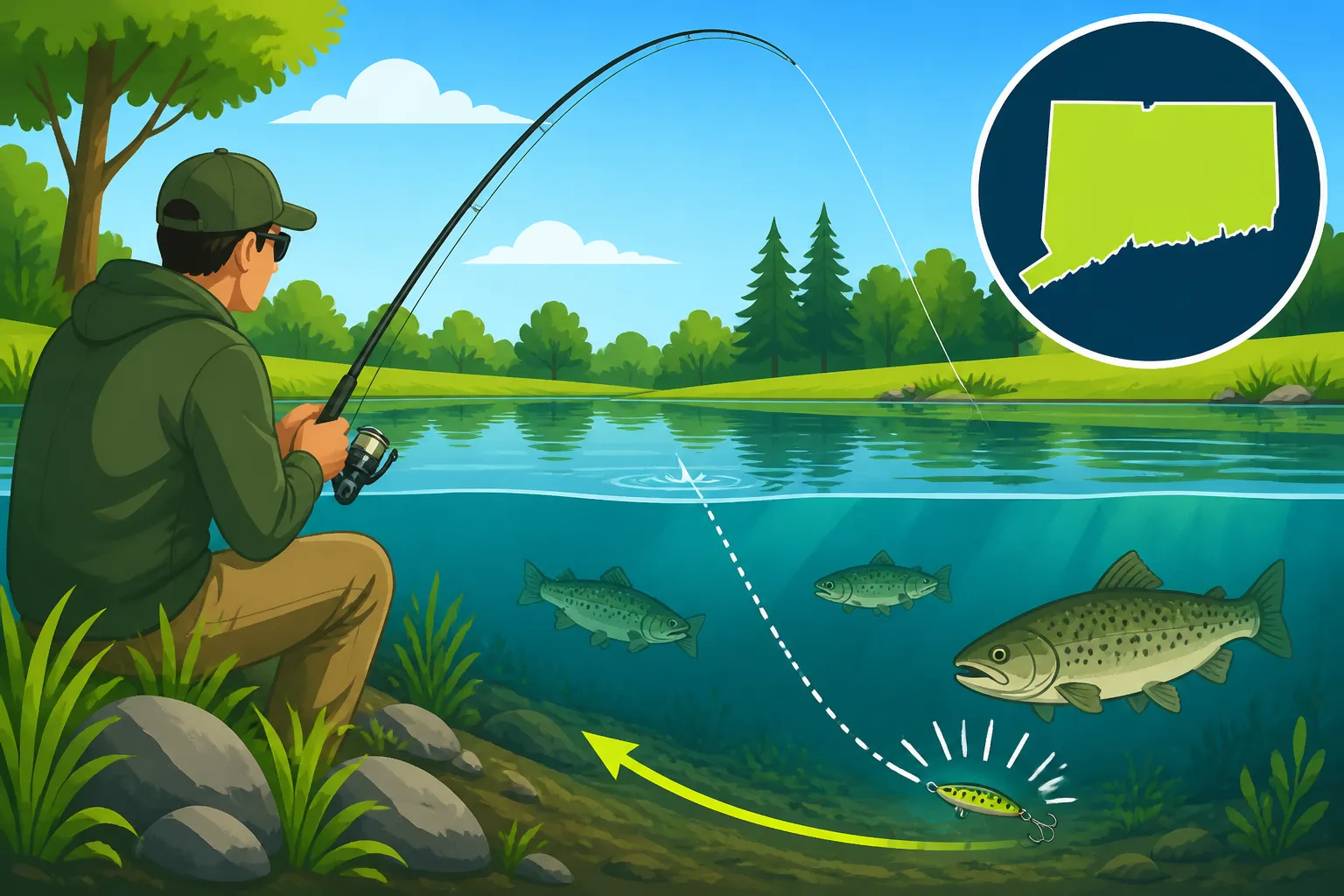
- Post-Stocking Behavior: Right after stocking, trout often cruise the perimeter of the pond. Cast parallel to the bank or slightly out, letting your bait or lure drift into their path. For more details, check out How to catch trout right after stocking in Connecticut.
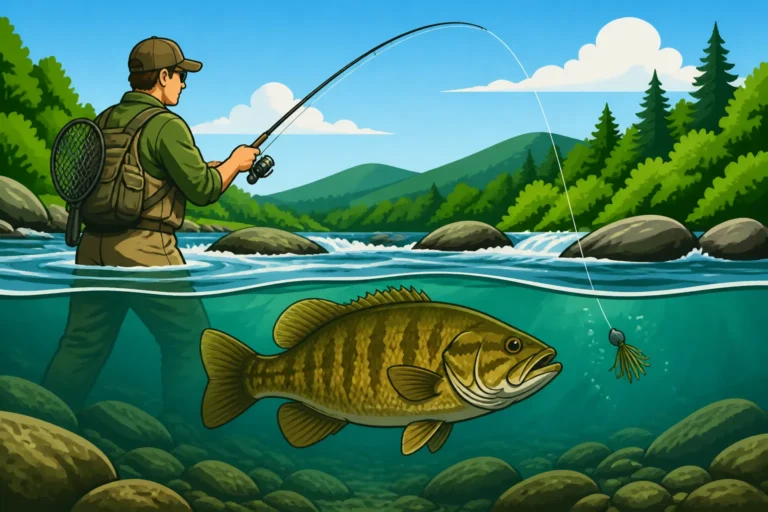
Bass Strategies (Largemouth & Smallmouth): If the pond has a healthy bass population, they offer exciting action. While this guide is primarily about stocked ponds, many also hold bass, especially if they are larger impoundments. If you're looking for more general bass tips, you might find our guide on How to Catch Largemouth Bass in Connecticut helpful.
- Target Structure: Bass are cover-oriented. Cast to submerged logs, docks, lily pads, or rocky points.
- Lure Choices: Soft plastics (worms, senkos, creature baits) rigged Texas or Carolina style are excellent for working cover. Small crankbaits, spinnerbaits, or even topwater lures (frogs, poppers) can be deadly depending on the time of day and year.
- Retrieve: Vary your retrieve. A slow, deliberate retrieve for plastics, a stop-and-go for crankbaits, or an erratic twitching for topwater can all entice strikes.
Panfish Pointers (Bluegill, Crappie, Perch): These feisty little fish are great fun on light tackle and perfect for younger anglers.
- Simple Baits: Worms, crickets, or small pieces of bread are highly effective.
- Small Jigs: Tiny jigs (1/32 to 1/16 oz) tipped with a grub or a wax worm, fished under a sensitive bobber, are incredibly productive.
- Locations: Panfish often school up in weed beds, around submerged brush, or near docks. They tend to be shallower than trout or bass. For even more detailed tactics, our piece on Best Techniques for Panfish in Connecticut is a treasure trove.
Advanced Tips for Maximizing Your Catch
Once you've mastered the basics, it's time to refine your approach and truly become a savvy bank angler. These tips separate the occasional catcher from the consistent producer.
Reading the Water and Adjusting Tactics
The biggest mistake many anglers make is sticking with a single technique, bait, or spot for too long. Fish behavior is dynamic, influenced by countless factors. Learning to "read the water" and adapt is crucial.
Observe Everything: When you arrive at the pond, don't just immediately cast. Take a few minutes to observe. Are there any rises on the surface? That indicates feeding fish, likely on insects or small baitfish. Are birds diving for baitfish? That often means a school of larger predators is pushing them to the surface. Is the wind blowing consistently from one direction? That wind can push baitfish and warm surface water to one bank, concentrating fish there. Even the water clarity plays a role; in clear water, fish are warier and light lines/natural presentations are more important. In stained or murky water, scent and vibration become more critical.
The "Search and Destroy" Method: Start by covering water systematically with a versatile lure (like a spinner or small spoon). If you don't get bites, switch up your retrieve speed, try a different color, or move to another section of the pond. If you do get a bite, slow down and thoroughly work that area with both lures and bait, as fish often school up. Don't be afraid to switch from an aggressive lure to a passive bait presentation if the fish stop biting. The best time of year to fish in Connecticut often dictates general activity levels, but micro-adjustments are key for specific days.
Stealth and Approach
While stocked fish might start out less wary, they quickly learn. Human presence can spook them, especially in smaller, shallower ponds or in areas with heavy fishing pressure.
Minimize Noise and Movement: This means walking softly along the bank, avoiding dropping tackle boxes loudly, and keeping conversations low. Every vibration travels through the water and can alert fish to your presence. If you're on a high bank, avoid standing directly on the edge silhouetted against the sky. Kneel or stay low, using any available cover like bushes or tall grass to break up your outline.
Cast from a Distance: If possible, make longer casts rather than trying to fish directly under your feet. The farther away you can present your bait or lure without sacrificing accuracy, the less likely you are to spook fish in the immediate vicinity of the bank. This is where a slightly longer rod (6.5 to 7 feet) really pays off. Think about how to approach the water's edge quietly, perhaps scouting a bit from a distance before getting too close to your chosen spot.
Fish the "Unreachable" Spots: Sometimes, the best spots are those a bit harder to reach from the bank, like tight pockets between lily pads or under overhanging branches. Practice your casting accuracy so you can drop a bait or lure precisely into these fish-holding zones. A well-placed cast into a seemingly difficult spot can often yield the biggest fish because they feel safer there.
| Fish Species | Primary Baits | Effective Lures | Ideal Bank Technique | Notes |
|---|---|---|---|---|
| Rainbow Trout | PowerBait (various colors), Live Worms, Canned Corn | Small Spinners (#0-1), Tiny Spoons | Bobber Fishing, Bottom Rigging | Wary in clear water, best on light line (4-6lb). Active after stocking. |
| Brown Trout | Live Worms, Minnows (where legal) | Small Spinners (#1-2), Small Crankbaits | Bottom Rigging, Slow Lure Retrieve | More elusive, often hug structure/bottom. |
| Brook Trout | Live Worms, Small Insects | Micro Jigs, Tiny Spinners | Bobber Fishing, Streamer Flies | Often found in cooler, spring-fed ponds. |
| Largemouth Bass | Soft Plastics (worms, creature baits), Live Shiners | Spinnerbaits, Crankbaits, Topwater, Jigs | Casting to Structure, Slow Pitches | Cover-oriented, look for weeds, logs, docks. |
| Smallmouth Bass | Live Crayfish, Minnows | Tube Jigs, Grubs, Small Crankbaits | Casting to Rocky Areas, Drop Shots | Less common in stocked ponds, prefer rocky bottoms, current. Consider rivers like the Housatonic for these. |
| Bluegill | Worms, Crickets, Bread, Small Insects | Tiny Jigs, Wet Flies | Bobber Fishing | Schooling fish, often found in shallow, weedy areas. Great for kids. |
| Black Crappie | Minnows, Small Jigs, Wax Worms | Small Tube Jigs, Grub Jigs, Tiny Spoons | Bobber Fishing (deep), Vertical Jigging | Often school around submerged timber or brush piles. |
| Yellow Perch | Worms, Minnows | Small Jigs, Small Spinners, Spoons | Bobber Fishing, Bottom Rigging | Often school in deeper water or near structure. |
Disclaimer
The information provided in this guide is for general informational purposes only. Fishing regulations in Connecticut can change, and it is the responsibility of the angler to consult the latest Connecticut Department of Energy and Environmental Protection (DEEP) fishing guide before heading out. Always adhere to local laws, practice safe fishing, and respect private property.