How to catch trophy striped bass in the fall
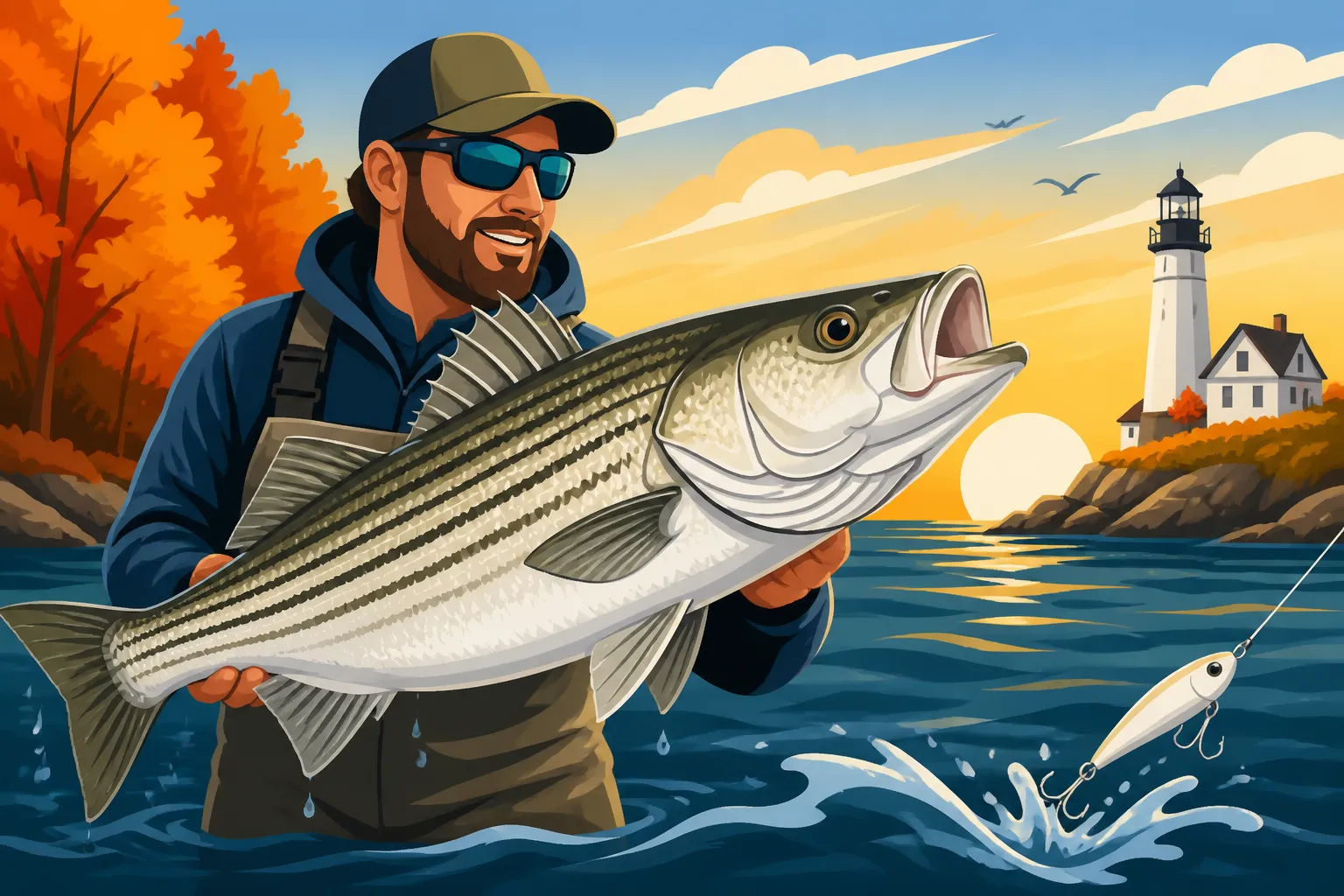
There's nothing quite like the thrill of a drag-screaming run from a truly massive striped bass, especially as the crisp air of autumn settles over Connecticut's waters. Many anglers spend countless hours pursuing these magnificent fish, only to find the biggest ones elusive. The secret to landing a trophy striped bass in the fall often lies in understanding their unique behaviors during this crucial migratory period and adapting your strategy accordingly, which this guide aims to unravel for you.
Why Fall is Prime Time for Trophy Stripers
Fall in Connecticut isn't just about changing leaves; it's a monumental buffet for striped bass. After a summer of scattered feeding, the big cows sense the impending winter and kick into a serious feeding frenzy, gorging themselves on baitfish before migrating south. This period offers some of the best opportunities to hook into that once-in-a-lifetime striper.
The Great Migration and Feeding Frenzy
As water temperatures begin to drop, often in the 60s and 50s Fahrenheit, the stripers' metabolism shifts. They become highly aggressive, chasing down baitfish that are also staging for their own migrations. Think of it as a last-ditch effort to pack on calories. This drives them into predictable patterns and locations, making them more accessible to anglers who know where to look and what to present. You might feel like you've been working hard all summer for smaller fish, but fall is when the big boys and girls really show themselves.
This mass movement of bait, particularly bunker (menhaden) and herring, draws the largest stripers out of their summer haunts. They'll follow these bait schools with a singular purpose: to eat. This means less finicky behavior and more willingness to strike a well-presented offering. For us anglers, it's a strategic advantage that makes the effort feel incredibly rewarding, especially when you've been dreaming of that 40-pounder all year.
The Role of Cooling Water Temperatures
The subtle drop in water temperature is the main trigger for this fall feast. Cooler water makes the stripers more active and comfortable in shallower areas, particularly during low-light conditions. It signals to them that winter is coming and they need to bulk up. This often means they'll move into areas where baitfish are abundant and easier to corral.
As the water cools, those big stripers often become less lethargic than they might have been during the dog days of summer. They're not just looking for a meal; they're looking for a big meal. This temperature sweet spot can last for weeks, sometimes even into early December, depending on how mild our Connecticut autumn is. Understanding this natural rhythm is key to timing your trophy hunt.
Where to Hunt for Fall Trophy Stripers in Connecticut
Finding trophy striped bass in the fall means focusing on bottlenecks, ambush points, and areas where large schools of baitfish congregate. Connecticut's diverse coastline offers several hotspots that become magnets for these migratory giants. It's not just about showing up; it's about being in the right place at the right time when the bait and the big fish intersect.
Estuaries and River Mouths
The mouths of major rivers like the Connecticut River, the Thames River, and even the Housatonic River as it meets Long Island Sound, are absolute magnets for fall stripers. These areas serve as migratory corridors for both the bass and their forage. As baitfish move in and out with the tides, big stripers lie in wait, ready to ambush. Deep channels, current breaks, and rocky structures in these areas are prime real estate. You'll want to pay close attention to the tide swings here, as the movement of water often dictates when the feeding windows open up.
Think about the dynamics: the river current meets the tidal flow, creating turbulent seams and eddies where baitfish get disoriented, making them easy pickings. This is where you'll find the most aggressive feeders. For anglers, this means focusing your efforts around the outgoing tide, when river herring and other bait are flushed out into the Sound, or the incoming tide, when larger bait like bunker might be pushed into the estuaries. Don't be afraid to explore areas a little further upriver during this time, as big fish will follow the bait. For a deeper dive into the seasonal movements, you might find our guide on Striped Bass Migration Along the Connecticut Coast particularly helpful.
Rocky Reefs and Prominent Points
Anywhere along Long Island Sound where there are prominent rocky reefs, ledges, or points that extend into deeper water, you’re likely to find trophy stripers staging. Areas around Niantic, Old Saybrook, and parts of the western Sound like Greenwich are classic examples. These structures act as natural current breaks and ambush points, especially when there's a good rip current. The stripers will often hug the structure, waiting for bait to be swept past them. These spots can be particularly productive during strong tidal flows.
Consider fishing these areas during twilight hours or at night. Big stripers are often more comfortable feeding in lower light conditions, moving up onto these structures from deeper water to hunt. Look for sudden drops in depth or areas with strong current seams. Some of these prime spots are well-known to local sharpies, but with a good chart and a keen eye, you can find your own productive stretches. Exploring the Best Fishing Lakes in Connecticut might give you ideas for freshwater, but for stripers, the coastal reefs are where it's at.
Harbors and Inshore Channels
Don't overlook major harbors and deep inshore channels, especially those with good access to the open Sound. Places like Bridgeport Harbor, New Haven Harbor, and even some of the deeper cuts around the Thimble Islands can hold impressive numbers of large stripers. These areas often have ample baitfish seeking refuge, and big stripers will follow them right in. They might not seem as "glamorous" as open water, but the protection and abundant food can be a draw for the largest fish.
Harbors and channels also offer a unique advantage: structure. Docks, moorings, bridges, and channel markers all create current breaks and potential ambush points. While you might not be casting to breaking fish in open water, you could be picking off a true trophy hiding near a pilings or a submerged wreck. Remember that stealth is often key in these tighter quarters; big fish are smart and can be easily spooked.
Essential Techniques and Baits for Fall Trophy Stripers
Targeting trophy striped bass in the fall demands a shift in tactics. These aren't your schoolie stripers; they're older, wiser, and often require a different approach. You'll need to be prepared to present larger baits or lures, and often, fish during periods of low light when the biggest fish are most active.
Live Lining and Chunking Large Baits
For many dedicated trophy hunters, live lining or chunking large baitfish is the absolute go-to method in the fall. Bunker (menhaden) are king here. If you can net or snag live bunker, presenting them alive and free-swimming near structures or bait schools is incredibly effective. The erratic movement of a panicked bunker is irresistible to a hungry striper. Similarly, large chunks of fresh bunker, presented on a stout hook and drifting with the current, can produce monstrous bites. These techniques are often best fished from a boat, allowing you to position yourself over bait schools or prime ambush points.
When live lining, remember to use a circle hook to ensure a good lip hook-set and minimize harm to the fish, especially if you plan to release a trophy. For chunking, let the scent trail do the work. The goal is to present a natural, high-calorie meal that a big striper won't pass up. You can find quality circle hooks and heavy-duty leader material on Amazon to ensure your rig holds up to a monster striper. Our guide on How to Catch Striped Bass in Long Island Sound provides more general techniques, but focusing on live bait is key for fall trophies.
Big Lures: Plugs, Swimbaits, and Jigs
When live bait isn't an option, or when stripers are actively chasing, large artificial lures can be incredibly effective. Topwater plugs, especially large poppers or walk-the-dog baits, can elicit explosive strikes at dawn or dusk, particularly when stripers are busting bait on the surface. For subsurface action, large swimbaits (soft plastic or hard-bodied) that imitate bunker or herring are deadly. These lures displace a lot of water and create a strong profile, which is exactly what a big striper is looking for.
Jigging with large bucktails or heavy soft plastic paddle-tail jigs can also be very productive, especially when fish are holding deeper or when you're fishing vertical structure. The key is to match the hatch as closely as possible, both in size and color, to the predominant baitfish. Many anglers swear by specific colors for different light conditions, so having a variety on hand, easily purchased through Amazon, is a smart move. For more ideas on what to throw, check out Best Lures for Striped Bass in Long Island Sound.
Night Fishing for the Largest Stripers
It's no secret among serious trophy striper anglers that the biggest fish often feed under the cover of darkness. Fall night fishing can be incredibly rewarding, though it requires a different level of preparation and caution. Big stripers are less wary at night and will often move into shallower water or closer to shore to feed. This makes them accessible to both boat and shore anglers.
Whether you're casting large plugs from a jetty, soaking a chunk of bait from a quiet beach, or drifting live bait from a boat, the hours between sunset and sunrise are prime time. You’ll want to equip yourself with reliable headlamps, warm clothing, and perhaps some light-up floats if you're bait fishing. The quiet of the night, broken only by the splash of a chasing striper, is an unforgettable experience. For more specific advice, our article on Night Fishing for Striped Bass in Connecticut goes into greater detail.
Gear Up for Success: Rods, Reels, and Terminal Tackle
Chasing trophy striped bass isn't a job for finesse gear. These fish are powerful, often holding in strong currents or near structure, and they will test your equipment to its limits. Investing in robust, reliable gear isn't just a luxury; it's a necessity to avoid heartbreak when that monster striper finally takes your bait.
Heavy-Duty Rods and Reels
For trophy fall stripers, you’ll want a heavy-action rod between 7 and 10 feet long, capable of handling lures in the 2-6 ounce range or soaking heavy bait. This provides the backbone needed to cast large offerings and to turn a powerful fish away from snags. Paired with this, a large capacity spinning reel (sizes 6000-10000) or a conventional reel with a strong drag system is crucial. The reel should be spooled with 40-60 lb braided line, which offers incredible strength and sensitivity for detecting subtle bites.
The right reel is critical. It needs a smooth, powerful drag that can withstand sustained runs without overheating or becoming jerky. Look for models known for their durability and saltwater resistance. Many reputable brands offer excellent options, and checking reviews on platforms like Amazon can help you narrow down your choices based on real-world angler experiences.
Strong Line, Leaders, and Hooks
Braided line is almost universally preferred for its strength-to-diameter ratio and lack of stretch, which transmits even the lightest tap from a fish. However, braid is visible, so it's essential to use a fluorocarbon or monofilament leader. For trophy stripers, a 50-80 lb fluorocarbon leader, 4-6 feet in length, is a good starting point. Fluorocarbon is nearly invisible underwater and incredibly abrasion-resistant, offering a critical buffer against sharp rocks and the striper’s powerful jaws.
As for hooks, choose robust, sharp, high-quality hooks appropriate for the size of bait or lure you're using. If you're live lining or chunking, 7/0 to 10/0 circle hooks are ideal. When using artificials, ensure the treble hooks on your plugs are strong enough to handle a big fish without bending out. Replacing stock hooks on some lures with stronger, sharper alternatives is a common practice among serious striper anglers. Always check your knots carefully; a weak knot is often the weakest link in your entire setup.
Essential Accessories for the Fall Campaign
Beyond the core rod and reel setup, a few key accessories can make your fall trophy striper hunt more successful and safer. A sturdy landing net with a large hoop and rubberized mesh is invaluable for safely landing and releasing big fish. A good set of pliers or de-hookers will help you quickly and safely remove hooks, especially from large, thrashing fish. Don't forget a reliable headlamp with red light options for preserving night vision, waterproof clothing to combat the chill, and a good cooler to keep any keepers fresh.
For those venturing out on boats, a reliable GPS/sonar unit will help you locate bait schools and underwater structure. And for ethical anglers, a measuring tape and camera are essential for documenting your catch, especially if you plan on releasing that magnificent trophy to fight another day. Being prepared for varying conditions, which you can easily stock up on through Amazon, will make all the difference.
| Technique | Ideal Conditions | Pros | Cons | Target Size |
|---|---|---|---|---|
| Live Lining | Schools of live bait present (bunker) | Highly effective for large, active fish | Requires sourcing live bait, can be messy | Trophy |
| Chunking | Strong currents, deeper water | Scent trail attracts fish from afar | Slower pace, can attract unwanted species | Trophy |
| Large Plugs | Low light (dawn/dusk/night), breaking bait | Exciting topwater action, good search bait | Requires active fish, can be physically demanding | Large to Trophy |
| Heavy Jigs/Swimbaits | Deep water, structure, vertical fishing | Versatile, effective when fish are deep | Less natural presentation than live bait | Large to Trophy |
The Importance of Patience and Persistence
Catching a trophy striped bass in the fall is rarely easy. It requires dedication, countless hours on the water, and the willingness to learn from every outing. There will be days when the bait is there, the conditions are perfect, and yet, the big fish elude you. That's just fishing. But the rewards for your persistence are immense.
Every cast is a new opportunity. Every tide change brings a fresh set of possibilities. Pay attention to local reports, study the tides and currents, and most importantly, get out there whenever you can. The fall window for trophy stripers in Connecticut is precious and fleeting, and it’s those who put in the time who often find the greatest success. Keep learning, keep casting, and that trophy striper will eventually make an appearance.
Disclaimer
This article is for general informational purposes only and does not constitute professional advice. Laws, prices and regulations vary by location and change over time. Consult a qualified professional for guidance on your specific situation.