Best tube jig color for smallmouth bass
It can be incredibly frustrating to stand by the water, looking at your tackle box overflowing with every color lure imaginable, and still feel completely clueless about which one to tie on. Smallmouth bass, those feisty bronzebacks we all love chasing in Connecticut's rivers and lakes, can be particularly finicky. This guide is here to cut through the confusion and help you pinpoint the best tube jig colors for smallmouth bass, explaining why certain hues excel in different Connecticut fishing scenarios.
Understanding Smallmouth Bass Vision and Color Preference
When we talk about lure color, it's not just about what looks good to us in the tackle shop. It's about how smallmouth bass perceive that color in their underwater world, which is often very different from ours. Smallmouth are primarily sight feeders, especially in the clear waters they tend to inhabit, making color a critical factor in triggering strikes. Their vision is adapted to detect contrast, movement, and subtle changes, particularly in lower light or murky conditions.
How Water Clarity and Light Affect Color Perception
Think about fishing on the Housatonic River. On a bright, sunny day with crystal-clear water, natural, translucent colors are often key. Why? Because the fish have excellent visibility, and anything too bright or unnatural might spook them. In these conditions, a smallmouth might spot your lure from a distance, and if it doesn't look like something they naturally forage on, they might ignore it entirely.
Conversely, imagine a day after a heavy rain, when the river is stained and cloudy. Now, those subtle natural colors virtually disappear. This is when you need something that stands out, something with higher contrast or brighter pigments to grab their attention. Low light conditions, like dawn, dusk, or overcast days, also change the spectrum of light penetrating the water, making some colors appear duller and others more vibrant. Understanding this interplay between light, water clarity, and how a smallmouth's eyes process it is your first step to choosing the right tube jig color. It's not just a guessing game; there's a science to it!
Mimicking Natural Forage and Prey
Smallmouth bass are opportunistic predators, meaning they'll eat whatever is readily available and seems like an easy meal. In many Connecticut waters, their diet consists of crayfish, various baitfish like shiners and gobies, insects, and even smaller panfish. When you're selecting a tube jig color, one of your primary goals should be to "match the hatch" – or, in this case, match the local forage.
A tube jig, with its hollow body and tentacles, is incredibly versatile in mimicking these different prey items. When dragged along the bottom, it can imitate a scurrying crayfish. When jigged, it can look like a wounded baitfish. The color you choose should enhance this illusion. For instance, if you know the lake you're fishing, like Candlewood Lake, has a strong population of green sunfish or perch, then a tube jig with shades of green, yellow, or even a hint of orange might be exceptionally effective. If crayfish are abundant, then browns, greens, and oranges are likely to be winners. Thinking like a smallmouth and understanding what's on their menu locally will drastically improve your success.
Top Tube Jig Colors for Smallmouth Bass in Connecticut
Now that we've covered the "why," let's dive into the "what." While smallmouth can sometimes surprise you with their preferences, certain tube jig colors consistently prove to be excellent producers across various Connecticut waterways. Having these staples in your tackle box, readily available on platforms like Amazon, is a smart move for any serious smallmouth angler.
Green Pumpkin and Watermelon Seed
These are arguably the kings of tube jig colors for smallmouth bass, especially in the clear-to-moderately stained waters of Connecticut.
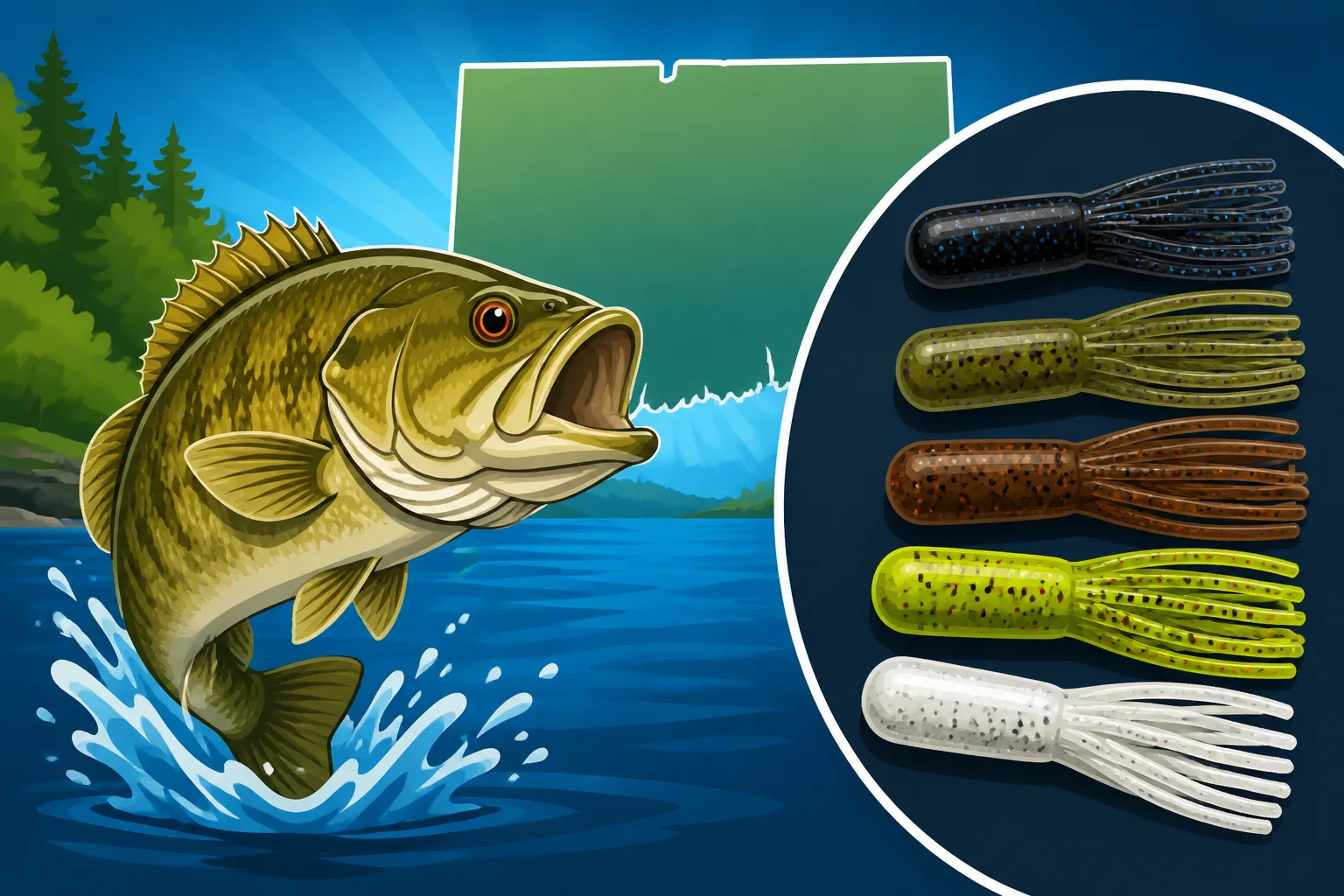
- Green Pumpkin: This color is a fantastic imitator of natural forage, particularly crayfish and various bottom-dwelling baitfish. It's a subtle blend of greens and browns that offers excellent camouflage while still providing enough contrast to be seen. In clear water, a green pumpkin tube jig looks incredibly lifelike when dragged along rocky bottoms or around submerged timber. I've had countless days on the Farmington River's calmer sections where this color was the only thing they'd touch. It's a go-to for situations where the smallmouth are wary or pressured.
- Watermelon Seed: Similar to green pumpkin, watermelon seed provides a natural profile but often has small black or red flakes embedded in it, mimicking the subtle speckles found on crayfish or baitfish. This slight addition of "seed" provides extra flash and visual texture that can be incredibly appealing in slightly stained water or on bright days when a little extra glint might seal the deal. When the smallmouth are picking at baits, but not fully committing, a watermelon seed can often be the game-changer. Both of these colors are widely available and should be a cornerstone of your tube jig arsenal.
Browns and Oranges: Crayfish Imitators
When crayfish are on the menu, and trust me, they often are for hungry smallmouth, then shades of brown and orange become indispensable. Smallmouth bass absolutely gorge themselves on crayfish, especially during molting periods when the crayfish are soft and vulnerable.
- Brown Variations: From darker coffee browns to lighter motor oil shades, brown tube jigs excel at mimicking the hard shell of a crayfish scuttling along the bottom. Pair this with a slow, bottom-bouncing retrieve, and you've got a deadly presentation. These are particularly effective in rocky rivers and lakes where crayfish thrive, like many of the smaller tributaries flowing into the Connecticut River, or on certain sections of the Housatonic River.
- Orange and Burnt Orange: While brown imitates the shell, orange hues, especially burnt orange or pumpkin colors, perfectly mimic the underbelly of a crayfish or one that has recently molted. A molting crayfish turns reddish-orange and becomes a soft, easy meal. Smallmouth seem to instinctively know this and will often aggressively strike an orange tube jig. I've found orange to be exceptionally good in stained water or during specific times of the year when crayfish are very active, making them a prime target for smallmouth bass. You can find these vibrant options from many different lure manufacturers, often stocked through retailers like Amazon.
Whites and Chartreuse: High Visibility and Reaction Strikes
Sometimes, you're not trying to perfectly imitate natural forage; you're trying to provoke a reaction. This is where high-contrast and bright colors come into play.
- White and Pearl: White tube jigs are fantastic for imitating dying or disoriented baitfish. They offer excellent contrast against darker water or sky, making them highly visible. They are often incredibly effective in murky conditions, or when smallmouth are aggressively feeding on schools of baitfish, like shiners or alewives. The flash of white can draw fish from a distance. Think of a bright, pearl white tube jig dropped into a deep, dark eddy on the Connecticut River; it's a beacon for opportunistic predators.
- Chartreuse and Yellow: These fluorescent colors are designed for maximum visibility, especially in low light, cloudy water, or deep water. While not natural forage colors, they trigger reaction strikes. Chartreuse is a superb choice when the water is heavily stained, after a spring rain, or during overcast days when getting noticed is paramount. It's not subtle, and that's the point. It can often draw an aggressive strike from smallmouth that might ignore more natural presentations. Many anglers will keep a few chartreuse tube jigs from popular brands available on Amazon just for these challenging conditions.
Matching the Hatch and Water Conditions
Choosing the "best" color isn't a one-and-done deal. It's a dynamic process that depends heavily on the specific conditions you're facing on any given day. The same color that crushed it on Candlewood Lake last week might get zero bites on the Farmington River today. Learning to observe your environment and adapt your color choice is a crucial skill for consistent smallmouth success.
Clear Water vs. Stained Water
This is perhaps the most fundamental consideration when selecting your tube jig color. Smallmouth vision is excellent in clear water, but it's also highly acute at detecting anything unnatural.
- Clear Water Strategies: In crystal-clear conditions, like you might find in many of Connecticut's deeper, colder lakes or some of our pristine trout streams that also hold smallmouth, subtlety is key. You want colors that blend in and mimic natural prey with a high degree of realism. Think about those green pumpkin, watermelon seed, and natural brown tube jigs. A translucent color, or one with fine glitter, can also work wonders, catching light in a way that looks like natural scales or shell. When the smallmouth have all day to inspect your offering, it needs to look as real as possible. A slow, methodical retrieve often pairs best with these natural hues, allowing the fish time to make a confident strike. Consider fishing spots known for holding smallmouth, but also where the water clarity is typically high.
- Stained or Murky Water Strategies: When the water takes on a tea stain, is muddy from runoff, or is otherwise cloudy, your approach flips. Now, visibility is low, and your tube jig needs to stand out. This is where those high-contrast and bright colors shine. White, pearl, chartreuse, and even bright oranges become go-to choices. The goal isn't necessarily to perfectly imitate a specific prey item, but rather to create a visual "hot spot" that smallmouth can easily locate. The vibration of a tube jig is also important here, but color ensures it's seen. Don't be afraid to experiment with bolder colors; what looks too loud to you above water might be just what the smallmouth need to see below the surface.
Forage Base and Local Prey
No matter where you're fishing in Connecticut, take a moment to consider what the smallmouth are likely eating. This "match the hatch" philosophy is paramount.
- Crayfish Dominance: If you're fishing a rocky riverbed or a lake with lots of rocky points and rip-rap, chances are crayfish are abundant. Pay attention to the colors of the rocks and any crayfish you might spot. They can range from olive green to dark brown to reddish-orange. This is when your brown and orange tube jigs will likely outperform all others. Dragging these jigs along the bottom, making them "hop" and "crawl" like a fleeing crayfish, is a deadly presentation. Check under rocks in shallow water if you're unsure of the local crayfish colors.
- Baitfish Abundance: In larger lakes and rivers, smallmouth will often key in on baitfish schools. If you see shiners, alewives, or other minnows flitting about, then you'll want tube jigs that imitate them. White, silver, or light grey tube jigs, perhaps with some blue or green flecks, can be excellent baitfish impersonators. When the smallmouth are actively chasing bait, a faster retrieve that mimics a fleeing fish can be incredibly effective. Consider locations like the larger stretches of the Connecticut River where baitfish migrations are common, or deepwater humps in lakes like Lake Lillinonah where bait schools gather. You might even find tube jigs with holographic finishes from brands available on Amazon that really mimic baitfish scales.
- Insect and Other Prey: While tube jigs are primarily seen as crayfish or baitfish imitators, smallmouth will also eat aquatic insects, frogs, and even worms. In specific situations, a black or very dark brown tube jig can imitate a leech or a dark insect. Don't overlook these less common, but sometimes highly effective, options, especially in smaller streams or ponds where these food sources are more prevalent.
| Tube Jig Color | Primary Mimicry | Ideal Water Conditions | Smallmouth Behavior |
|---|---|---|---|
| Green Pumpkin | Crayfish, Goby | Clear to Slightly Stained | Wary, Foraging |
| Watermelon Seed | Crayfish, Small Baitfish | Clear to Moderately Stained | Active, Picking |
| Brown (Various) | Crayfish | Clear to Stained | Bottom-feeding, Defensive |
| Orange/Burnt Orange | Molting Crayfish | Stained, Overcast | Aggressive, Opportunistic |
| White/Pearl | Baitfish (Dying) | Murky, Low Light | Chasing Bait, Reaction |
| Chartreuse/Yellow | Reaction Bite | Heavily Stained, Deep Water | Aggressive, Locating |
Tube Jig Color Selection by Season in Connecticut
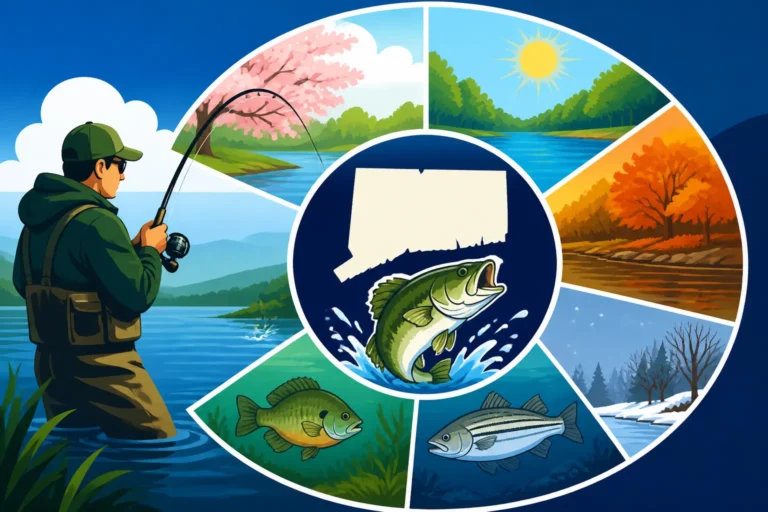
Just like the leaves change color, so too do the feeding patterns and locations of smallmouth bass throughout the year. The "best" tube jig color isn't static; it evolves with the seasons. Understanding these seasonal shifts in Connecticut's waters will give you a significant edge in your lure selection. This is where combining knowledge of Connecticut Fishing Seasons by Month with your tube jig selection really pays off.
Spring: Post-Spawn and Forage Frenzy
Spring in Connecticut sees smallmouth bass emerging from their winter lethargy and eventually moving into their spawning rituals. After the spawn, they are often hungry and aggressive, looking to replenish lost energy.
- Early Spring (Cold Water): In colder water (water temperatures where smallmouth bass prefer typically below 50°F), smallmouth are often still somewhat sluggish. They're not chasing fast-moving baits as much. This is a great time for subtle, natural colors like green pumpkin or brown, especially in deeper pockets or along slow-moving current seams. A slow drag and hop retrieve can be deadly. They're still keying on crayfish and any baitfish that are easy targets. Don't forget that Cold Front Fishing Tactics for Connecticut Bass become very important if the weather turns.
- Late Spring (Post-Spawn): As the water warms and the post-spawn recovery begins, smallmouth become more active. They'll readily chase baitfish and aggressively attack crayfish. This is a prime time for a broader range of colors. Green pumpkin and watermelon seed are still top performers, but don't shy away from adding some orange or even a touch of chartreuse if the water has some color from spring rains. You might also find that a tube jig presented like a fleeing baitfish, with more aggressive jigs and pauses, can draw powerful strikes from hungry smallmouth.
Summer: Deep Water and Thermocline Tactics
Connecticut summers can mean warmer surface water, driving smallmouth deeper, especially in lakes like Candlewood Lake or Lake Lillinonah, where they'll seek cooler, oxygenated water near the thermocline or around deep structure.
- Natural and Subtle: In the often clear waters of summer, when smallmouth are holding deep, natural colors like green pumpkin, watermelon seed, and various browns continue to be highly effective. The key is getting these jigs down to where the fish are holding and presenting them subtly. Smallmouth in deep, clear water have ample time to inspect your lure, so realism is paramount.
- Flashes of Brightness: However, in very deep water or during low light periods like early morning or late evening, a white or pearl tube jig can also be a strong contender, mimicking baitfish suspended in the water column. The flash can draw attention from further away in the diminished light. When you're trying to figure out Best Bass Fishing Techniques for Candlewood Lake in summer, remember that precision and patience with natural colors often win. You'll want to target submerged humps, rock piles, and deep ledges where smallmouth ambush their prey.
Fall: Aggressive Feeding and Migration
Fall is a fantastic time for smallmouth bass fishing in Connecticut. As water temperatures cool, smallmouth become incredibly aggressive, feeding heavily to pack on weight for the upcoming winter. They often migrate to deeper main lake or river sections.
- Active Forage Imitation: All the classic smallmouth tube jig colors — green pumpkin, watermelon seed, and browns — will be very effective as smallmouth key in on abundant crayfish and baitfish. This is a period of high metabolism, so don't be afraid to work your tube jigs more aggressively, hopping and dragging them with purpose.
- Reaction Colors: Depending on water clarity and forage, even chartreuse or white can trigger strong reaction strikes during the fall feeding frenzy, especially if the smallmouth are chasing schools of baitfish. As you explore Smallmouth Bass Fishing in Connecticut in the fall, you'll find that smallmouth often stack up in predictable areas, and having a range of tube jig colors will help you dial in on what they want that day. Fishing a tube jig like a jigging spoon over deep structure can also be a productive fall technique.
Winter: Slow and Subtle Deep Presentations
Ice fishing for smallmouth in Connecticut, or targeting them in open water during the coldest months, requires a completely different approach. Smallmouth are lethargic, their metabolism is slow, and they're conserving energy.
- Subtle and Darker Hues: Your best bet will be dark, subtle colors like green pumpkin, dark brown, or black. These mimic bottom-dwelling creatures or baitfish that are themselves moving very slowly. Presentation is key here: extremely slow, barely perceptible movements are often what's needed to entice a strike.
- Small Profile: While not a color, remember that a smaller profile tube jig can also be more effective in winter, as smallmouth are less likely to expend energy chasing a large meal. Focus on deep humps, drop-offs, and other thermal refuges where smallmouth will congregate. This is not about triggering reaction strikes; it's about putting a tempting, easy meal right in front of their noses. For more tips on how to catch smallmouth bass in the coldest months, check out our guide on Best Techniques for Winter Pickerel – while different species, the slow, subtle approach often applies.
Ultimately, the "best" tube jig color for smallmouth bass in Connecticut isn't a single color, but rather a thoughtful selection based on environmental conditions, available forage, and the time of year. Keep a variety of green pumpkins, watermelons, browns, and some brighter options in your tackle box. Observe, adapt, and don't be afraid to experiment, and you'll be well on your way to consistent smallmouth success. You can often find a great selection of these varying colors and sizes for tube jigs from a variety of reputable brands on Amazon, allowing you to stock up for any condition Connecticut throws your way. Remember to refer to resources like our Connecticut Fishing Regulations Explained to ensure you're always fishing legally!
Disclaimer
This article is for general informational purposes only and does not constitute professional advice. Laws, prices and regulations vary by location and change over time. Consult a qualified professional for guidance on your specific situation.